Banging Steam Pipes in Chicago Greystones: Causes and Fixes
That jackhammer clang in your greystone's risers is water hammer, not a ghost. Here's why Chicago steam pipes bang and how to quiet them for good.
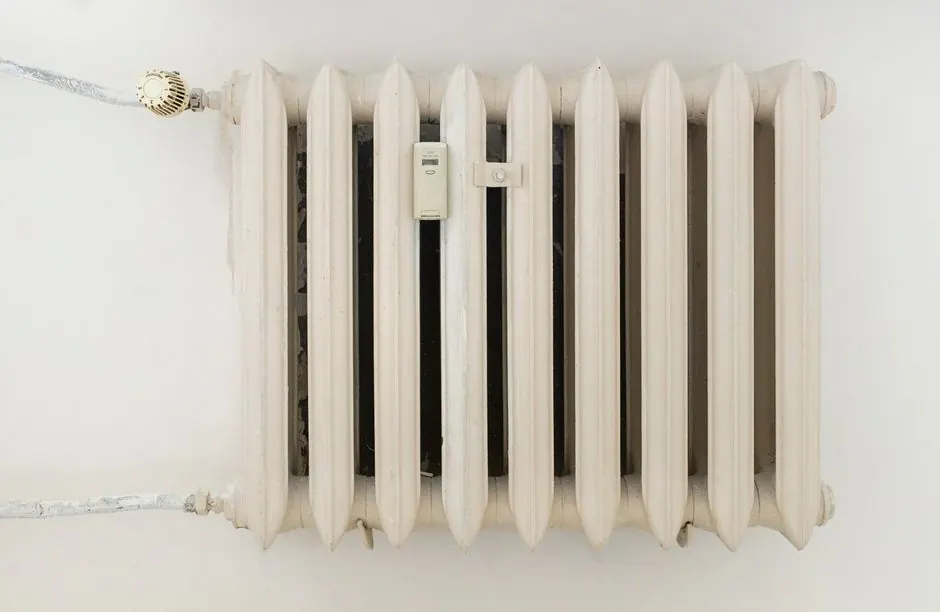
Your steam pipes bang because condensate - water that has cooled back from steam - is trapped in the pipe and getting slammed by incoming steam at 212°F or hotter. That collision is called water hammer, and in a Chicago greystone it usually traces back to sagging pipes, a bad radiator valve, or a boiler pushing too much pressure. This post covers the five causes we see most often in greystones and two-flats, how to tell a harmless knock from a dangerous one, and what a real fix costs in 2026.
Banging steam pipes in Chicago IL are almost never a mystery once you understand the physics. Steam wants to move fast and level; water wants to sit in the low spots. When the two meet in a 100-year-old riser, you get a sound like someone hitting the pipe with a hammer. Because that is essentially what is happening.
Why Do My Steam Pipes Bang When the Heat Comes On in Chicago?
Steam pipes bang when the heat comes on in Chicago because the boiler fires, sends steam racing through the mains, and that steam hits a slug of standing water sitting in a low spot or a radiator that never fully drained. The steam slams into the water, the water slams into the pipe wall, and the pipe transfers that shock into every joist and stud it touches.
In a greystone, the problem is amplified by the building itself. These are masonry structures with long horizontal runs of original black steel pipe, often pitched the wrong way after a century of settling. A run that was level in 1925 might sag two inches today. That sag is a bathtub for condensate.
Water hammer is the technical term for the shock wave created when steam meets trapped water. It is not a single event. Every time the boiler cycles - which in a Chicago January can be 8 to 12 times a day - you get another round.
If you have lived in the building for years and the banging just started, something changed: a valve, the boiler pressure setting, or the pitch of a pipe. If it has banged since you moved in, the system has probably needed attention for a decade.
The Five Real Causes of Water Hammer in a Chicago Greystone
Water hammer in a steam radiator in a Chicago greystone comes from one of five sources, and most buildings have two or three of them at once. Here is what we find when we open up a system.
1. Pipes that have lost their pitch
Steam mains must slope back toward the boiler at roughly 1 inch per 20 feet so condensate can drain by gravity. After 80 to 100 years of settling, many greystone mains are flat or pitched the wrong way. Condensate pools, steam arrives, and the pipe announces it.
2. A radiator valve that is stuck or undersized
The supply valve on your radiator controls how fast steam enters. If it is a corroded original gate valve that only opens halfway, steam enters at the wrong velocity and slams into whatever water is sitting in the radiator. A bad steam boiler valve can absolutely cause banging pipes in Chicago - it is one of the first things we check.
3. Boiler pressure set too high
Residential steam boilers should run at 1 to 2 PSI. We regularly find greystone boilers set at 5 PSI or higher because someone cranked the pressuretrol to "fix" a cold radiator. Higher pressure means faster steam, and faster steam means harder water hammer.
4. Clogged or missing air vents
Every radiator needs a working air vent to let air escape so steam can enter. A vent clogged with mineral scale traps air, the radiator heats unevenly, and condensate backs up into the supply line. Vents cost $15 to $40 and take ten minutes to swap. They are the cheapest fix on this list.
5. A wet return line that is partially blocked
Return lines carry condensate back to the boiler. When they are clogged with rust sludge - common in Chicago buildings that have never had the system flushed - water backs up into the mains and the banging starts at the far end of the building.
If you are also chasing heat problems in the same system, our team handles steam boiler repair Chicago IL and can usually tell you which of these five is your culprit within the first 30 minutes on site.
Is Banging Steam Pipes Dangerous in Chicago, Illinois?
Banging steam pipes in Chicago, Illinois are dangerous when the noise is loud enough to rattle pictures on the wall, because that level of water hammer is physically stressing pipe joints and fittings. A light knock is annoying. A jackhammer clang is a warning.
Here is what actually fails:
- Pipe joints and fittings. Every water hammer event sends a pressure spike through the system. Over a winter, that is thousands of spikes. Threaded joints that have held for 90 years can weep or let go.
- Radiator valves. The valve stem and packing take the hit. A valve that fails open during a cold snap means a radiator you cannot shut off.
- The boiler itself. High pressure plus water hammer stresses the gauge glass, the low-water cutoff, and the pressuretrol. A failed low-water cutoff on a steam boiler is a genuine safety issue.
We have pulled pipe sections out of Logan Square greystones where the inside of the pipe was egg-shaped from decades of hammering. That is not a scare tactic - it is what 40 winters of trapped condensate does to black steel.
If you smell gas, see water pouring from the boiler, or the banging is accompanied by a pressure gauge pegged at the top of its range, shut the boiler off at the switch and call for emergency HVAC service Chicago IL.
How to Stop Banging Pipes in an Old Chicago Home
How to stop banging pipes in an old Chicago home depends on which of the five causes you have, but the sequence is always the same: check the easy things first, then the boiler, then the pipes.
- Check the boiler pressure gauge. If it reads above 2 PSI when the system is running, that is your first fix. We set residential steam boilers to 1.5 PSI as a default.
- Replace every radiator air vent. If yours are more than 10 years old, replace them. This is a $15 to $40 part per radiator and the single highest-return fix on the list.
- Open every radiator supply valve fully. A half-open valve is a water hammer generator. If a valve will not turn, it needs to be replaced, not forced.
- Flush the boiler and the wet returns. A proper skim and drain removes the sludge that backs condensate into the mains. We do this on a 6- to 12-month cycle in most greystones.
- Re-pitch sagging mains. This is the one that requires a pro. We cut in new hangers, restore the 1-inch-per-20-foot slope, and insulate the run while we are in there.
If your system is banging and also not heating evenly, the two problems usually share a cause. Our steam radiator repair Chicago IL service covers both - we fix the noise and balance the heat in the same visit.
One more thing worth checking: if your building was converted from a gravity hot-water system to steam, or someone replaced the boiler without resizing the near-boiler piping, the header may be too small. That is a design problem, not a maintenance problem, and it will never quiet down until the piping is corrected.
What to Watch Out For
The biggest mistake we see homeowners make with banging steam pipes is turning up the pressure to compensate for cold radiators. That makes the noise worse and stresses the boiler. Here are the other traps.
- Do not drain the boiler to "let the water out." A steam boiler runs at a specific water level. Draining it below the gauge glass can crack the sections when the burner fires.
- Do not replace one air vent and call it done. Vents fail on the same schedule. If one is clogged, the rest are close behind.
- Do not ignore a slow drip from a radiator valve. That drip is condensate escaping where it should not, and it usually means the valve is on its way out.
- Do not let a handyman re-pitch your mains. Steam piping has to be sloped, supported, and insulated to code. Improper pitch just moves the banging to a different room.
- Do not assume the banging is "just what old buildings do." It is not. A properly maintained steam system in a greystone is quiet.
We see these mistakes constantly in the older housing stock around HVAC in Logan Square IL, where the greystone and two-flat density is some of the highest in the city. Same pipes, same problems, same fixes.
When to Call a Professional
Call a professional when the banging is loud enough to hear through a closed door, when the boiler pressure gauge reads above 2 PSI and will not come down, or when you have replaced the air vents and the noise persists. Those three signals mean the problem is in the piping or the boiler, not the radiators.
At HVAC Chicago Pro, we work on steam systems in greystones, two-flats, and courtyard buildings across the North Side every week. We start with a pressure and vent check, then move to the mains if the easy fixes do not quiet things down. You get a straight answer on what is causing the noise before we start cutting pipe.
If your system is also due for a seasonal once-over, our heating and cooling maintenance Chicago visit includes a steam-specific checklist: pressuretrol calibration, low-water cutoff test, vent inspection, and a skim if the boiler water is dirty.
Frequently Asked Questions
Why are my steam pipes banging in my Chicago greystone?
Trapped condensate meeting fast-moving steam. In greystones, the usual culprits are sagging mains that no longer drain, clogged radiator air vents, and boiler pressure set above 2 PSI. Fixing the vents and pressure resolves roughly 60% of the cases we see.
Is banging steam pipes dangerous in Chicago, Illinois?
Loud banging is dangerous because the pressure spikes stress pipe joints and boiler controls. A light knock is mostly an annoyance. If the noise rattles walls or the pressure gauge is pegged, shut the boiler off and call a pro.
How do I stop water hammer in my steam radiators in Chicago?
Start with three steps: set boiler pressure to 1.5 PSI, replace every radiator air vent older than 10 years, and open all supply valves fully. If banging continues, the mains need re-pitching - that is a pro job, usually a half-day of work.
How much does steam heating repair cost in Chicago IL?
Typical 2026 pricing: $150 to $350 for a vent and pressure service call, $400 to $900 to replace radiator valves, and $1,200 to $3,500 to re-pitch mains or replace near-boiler piping. Full steam boiler replacement runs $4,500 to $9,000 installed.
Can a bad steam boiler valve cause banging pipes in Chicago?
Yes. A stuck or half-open supply valve changes steam velocity and lets condensate pool in the radiator. Replacing the valve usually eliminates the banging in that branch. We test every valve on the first visit.
Get Help With HVAC in Chicago
Banging pipes do not fix themselves, and every winter you wait makes the pipe joints work harder. We diagnose steam systems across Chicago's greystones and two-flats, quiet the noise, and get your heat balanced before the next cold snap.
Call HVAC Chicago Pro at (312) 638-0812 to schedule a steam system inspection. We will tell you what is causing the banging and what it takes to fix it.