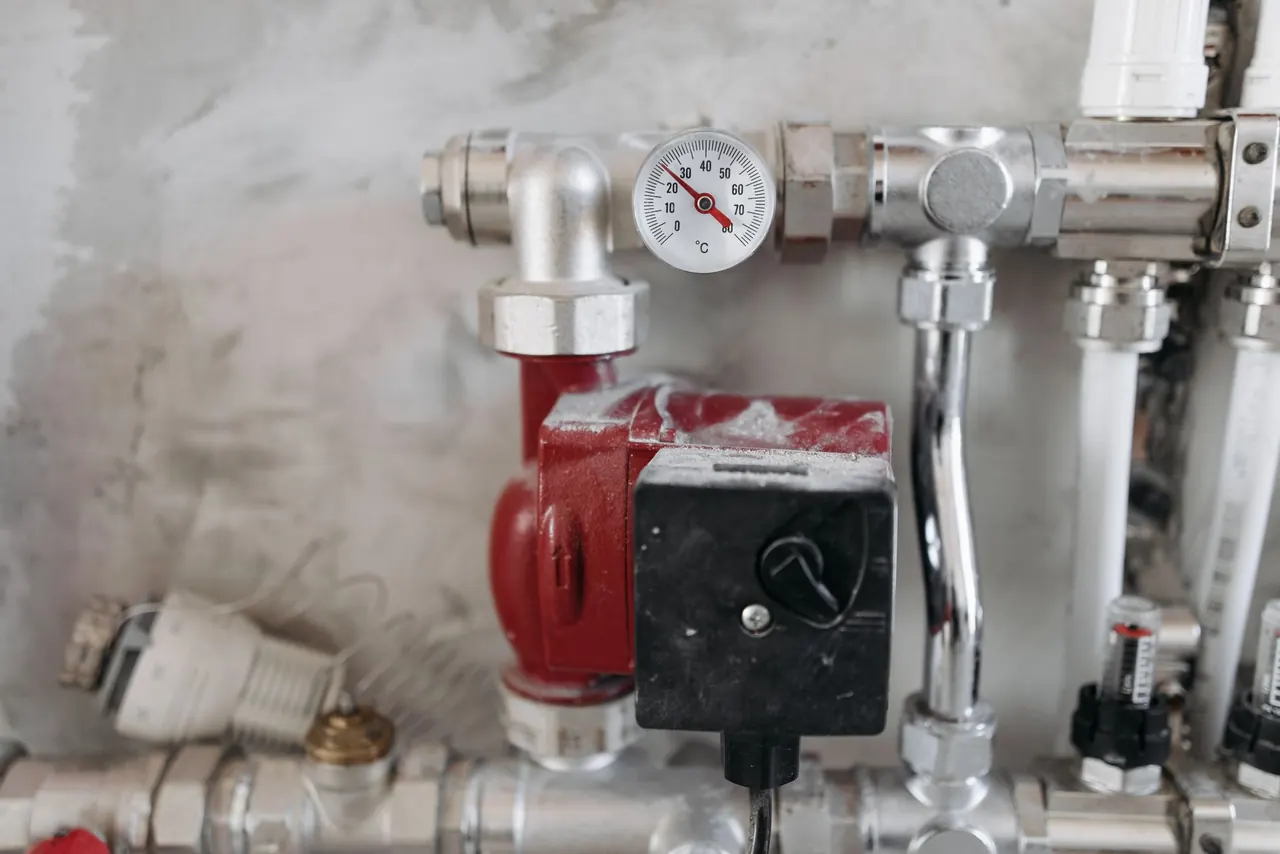
For homes and tenants
We repair no-cool systems in houses, condos, and two-flats. You get a flat price before we start and a working system before we leave.
- Warm air from vents
- Water near the air handler
- System short-cycling
When your AC quits in a Chicago summer, you need AC repair Chicago IL fast. We diagnose no-cool calls, frozen coils, and refrigerant leaks across Cook County, then give you a straight answer on repair versus replace. Our air conditioning repair Chicago techs carry the parts to fix most systems on the first visit, so you are not waiting days for a second trip.
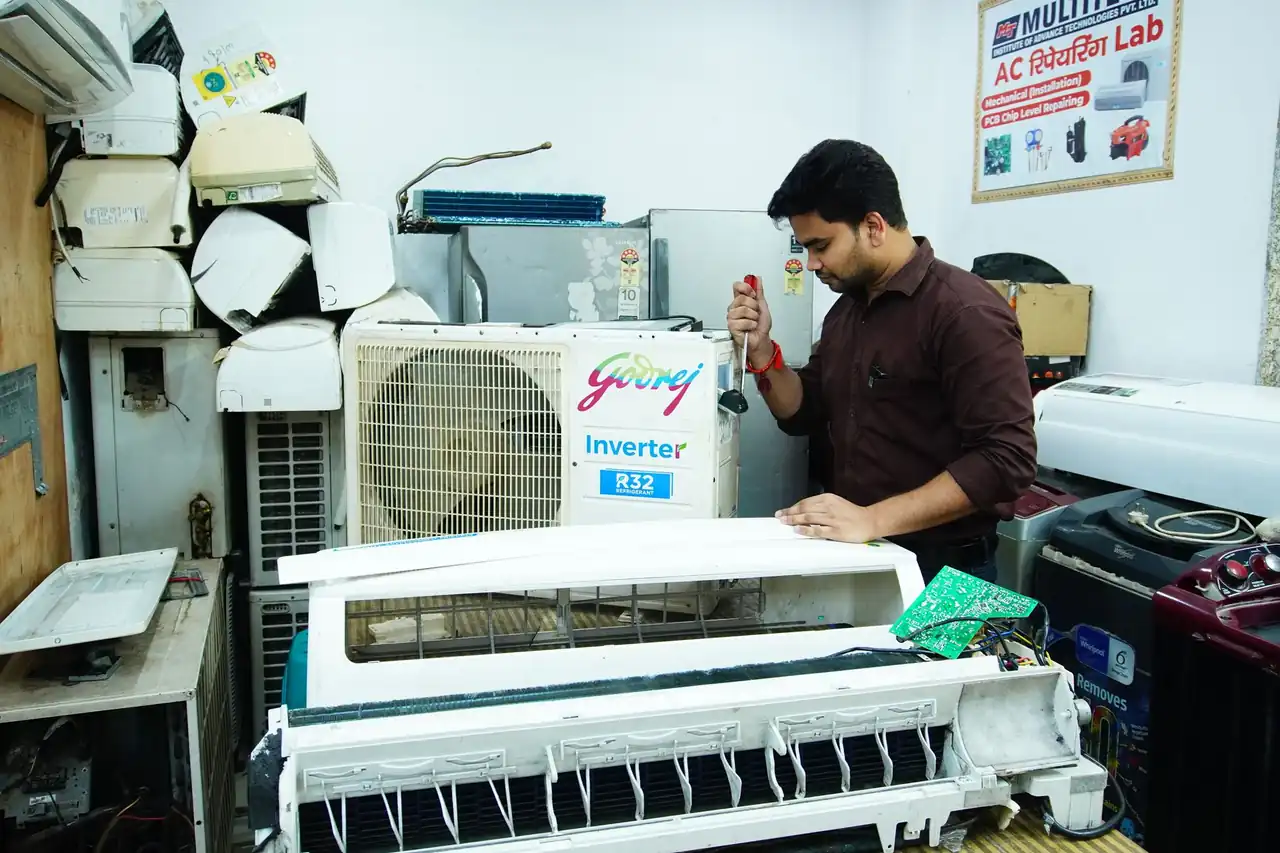 Pressure readingsCapacitor testDrain flush
Every repair visit includes a full diagnostic, a flat repair price, and a post-repair performance test. We tell you what is covered before we start and what may need a separate follow-up, like duct sealing or a coil replacement.
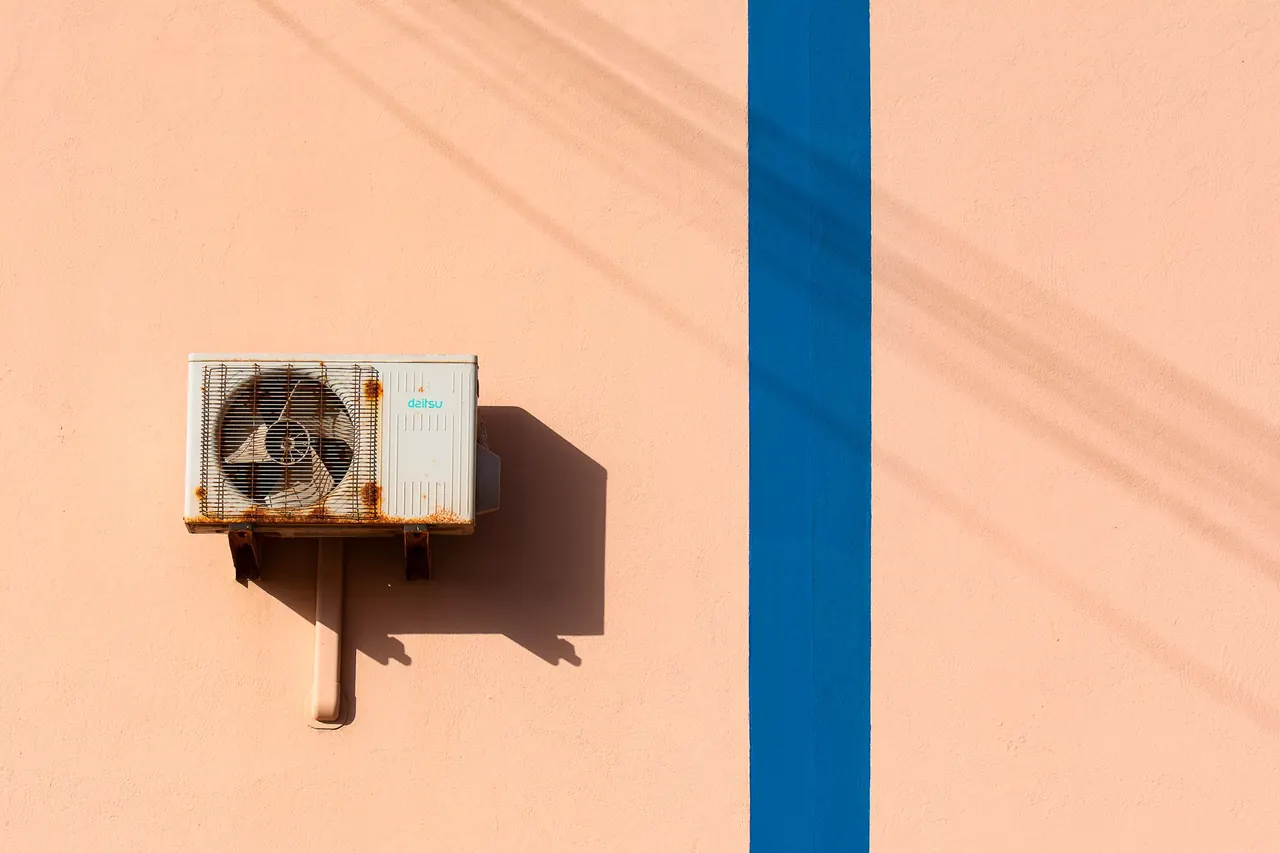
We test the capacitor, contactor, breaker, and thermostat wiring with a digital multimeter. You get the actual capacitance and voltage readings, plus a clear explanation of which component failed and why.
We attach a manifold gauge set to read suction and head pressure, then compare against the manufacturer's target for your outdoor temperature. If the charge is low, we run an electronic leak detector over the coil and line sets to find the source.
A clogged condensate drain line is one of the most common causes of water damage and shutdowns. We flush the drain, check the pan and float switch, and verify airflow with an anemometer so the evaporator coil does not freeze.
Once we identify the fault, you get one flat price for the repair, parts and labor included. Common fixes like run capacitors, contactors, and condensate pumps are stocked on the truck, so most jobs finish on the first visit.
After the repair we run the system for 15 to 20 minutes and measure the temperature split between return and supply. A healthy system shows 16 to 22 degrees. We record the readings and leave them with you.
The approach is the same for a home and a business. What changes is the access, the schedule and who needs the paperwork.
We repair no-cool systems in houses, condos, and two-flats. You get a flat price before we start and a working system before we leave.
We handle no-cool calls for small commercial spaces and multi-unit buildings. We schedule around tenants and document the repair for your records.
A plain-language look at what AC Repair involves and when it is needed.
See how it worksAC repair Chicago IL is the diagnostic and mechanical work that restores cooling to a system that is running but not cooling, short-cycling, leaking water, or dead at the thermostat. A proper call starts with a full electrical and refrigerant check: we clamp a digital multimeter on the capacitor and contactor, attach a manifold gauge set to read suction and head pressure, and use an electronic refrigerant leak detector on the coil and line sets. From there we trace the fault to a failed run capacitor, a clogged condensate drain line, a dirty flame sensor on the heating side, or a low charge from a slow leak.
Most Chicago homeowners call us between June and September, when a 95-degree day turns a marginal system into a no-cool emergency. In older two-flats and greystones, we often find undersized returns, flex duct that has collapsed in the attic, and R-410A systems that have never had a coil cleaning. If your air conditioner is not cooling and you need air conditioner not cooling repair Chicago Illinois, we can usually be on site quickly.
A proper AC repair finds the failed part and proves the fix with pressure and temperature readings.
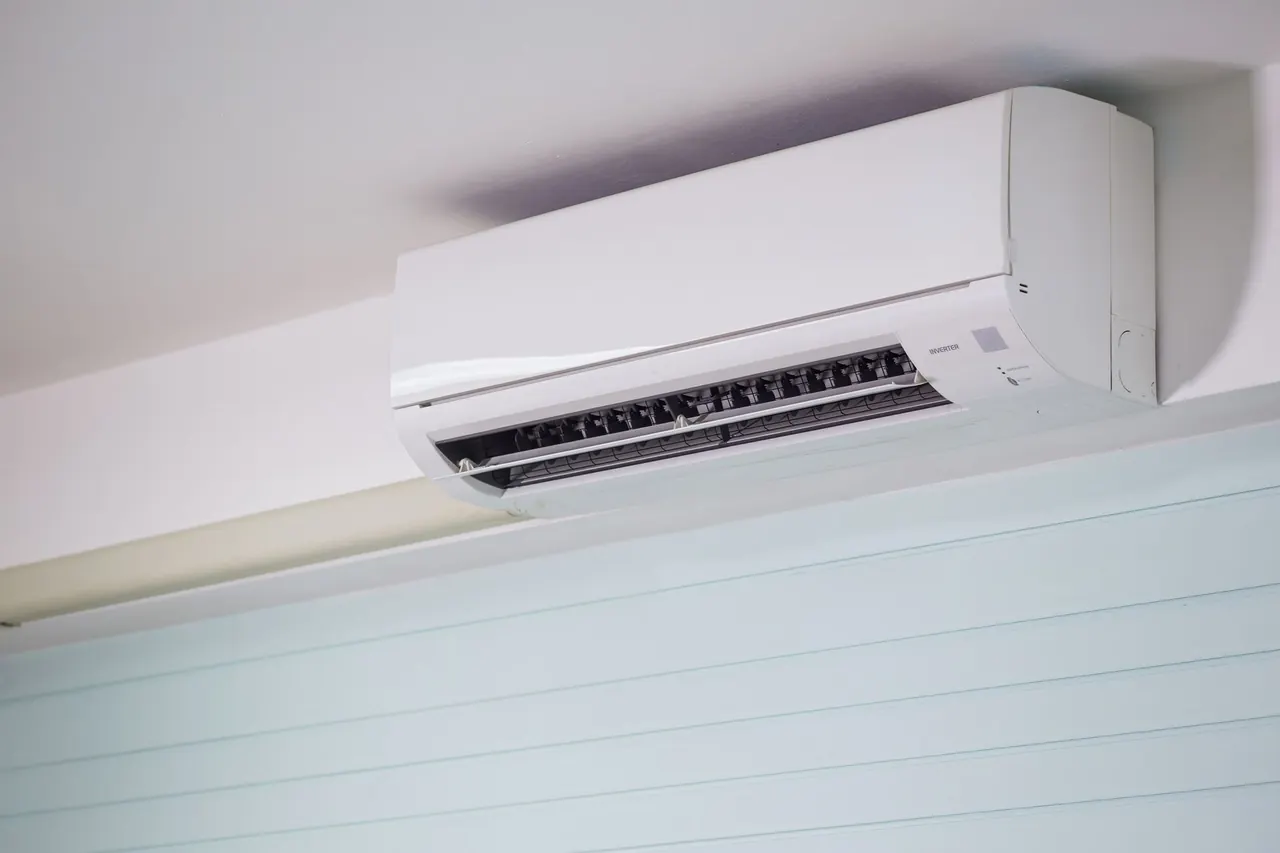
Every call follows the same five steps, whether it is a simple capacitor or a refrigerant leak. You will know what we found, what it costs, and when cool air returns.
You call (312) 638-0812 and describe the symptom. We ask about thermostat settings, filter condition, and whether the outdoor unit is running. That five-minute conversation often tells us whether to bring a specific part, and we give you a two-hour arrival window.
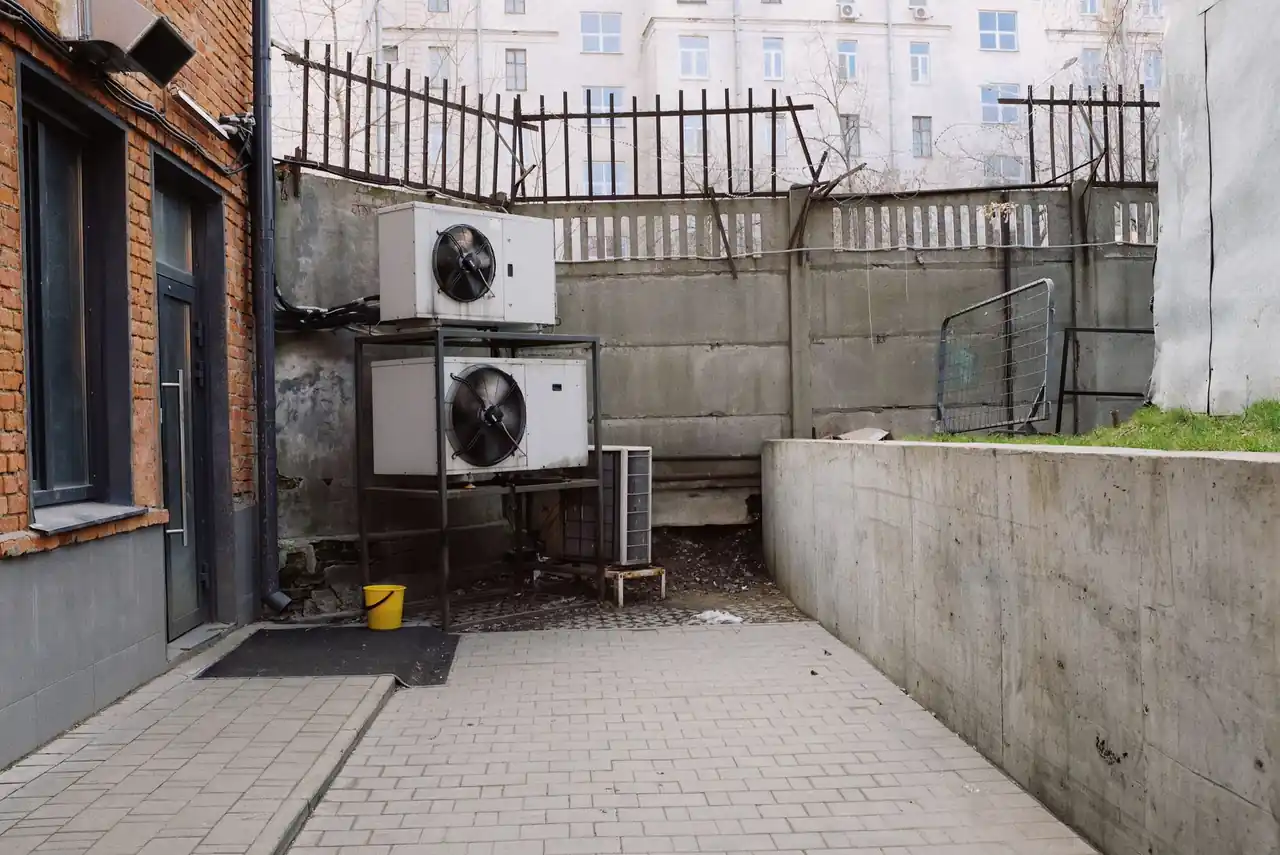
On arrival we verify the thermostat call, check the air filter, and inspect the indoor coil and blower. We then move to the condenser, where we check the disconnect, capacitor, contactor, and fan motor. This walk-through takes 15 to 20 minutes and protects your floors and landscaping while we work.
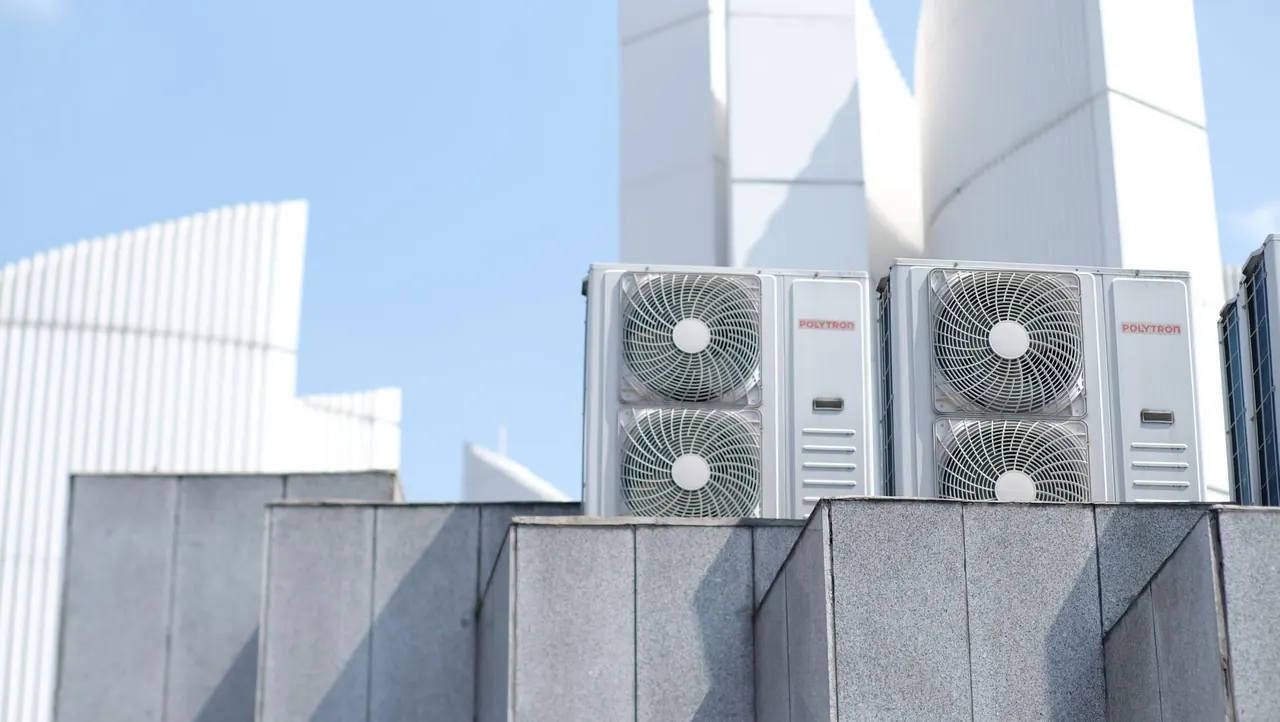
We attach a manifold gauge set to read pressures, use a digital multimeter to test capacitance and voltage, and run an electronic refrigerant leak detector over the coil and line sets. You get the actual readings, not a vague diagnosis, and we show you the failed part before replacing it.

Once you approve the flat price, we complete the repair, evacuate and recharge the system if needed, and run it for 15 to 20 minutes. We measure supply and return temperatures with an anemometer and confirm a 16 to 22 degree split before we call it done.
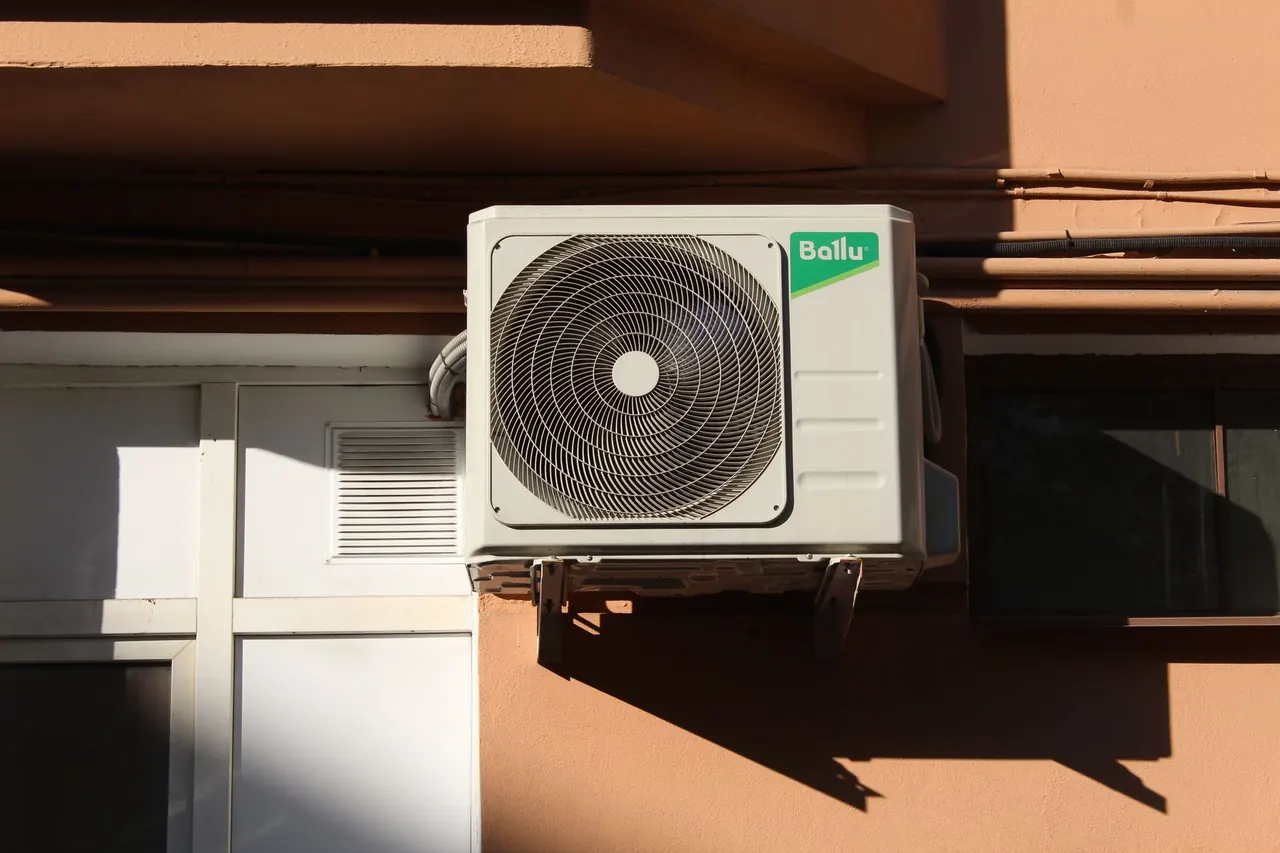
We walk you through what failed, why it failed, and how to prevent a repeat. You get a written summary with the readings, the parts used, and the filter size for your next change. We also note any duct or drain issues worth watching before next summer.
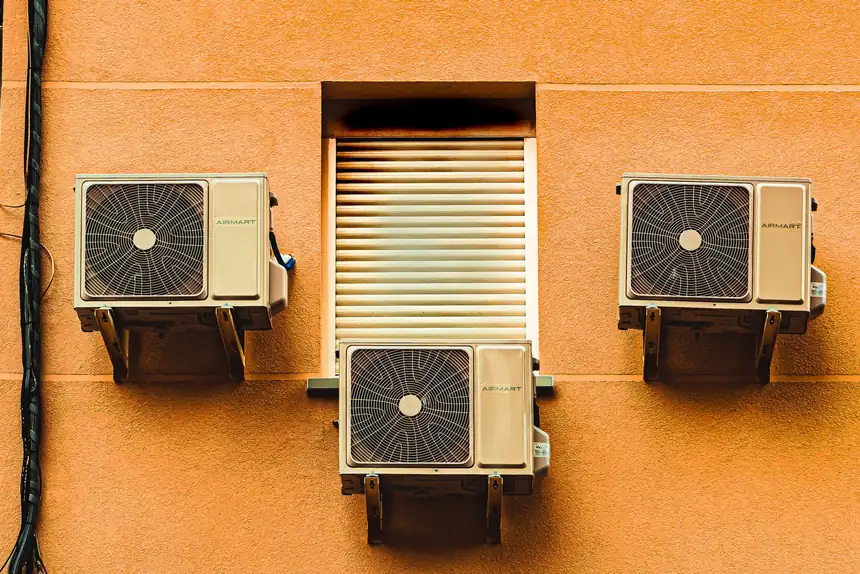
Move across a circle, or focus it and press Enter, for an illustrative thermal view of the photograph.
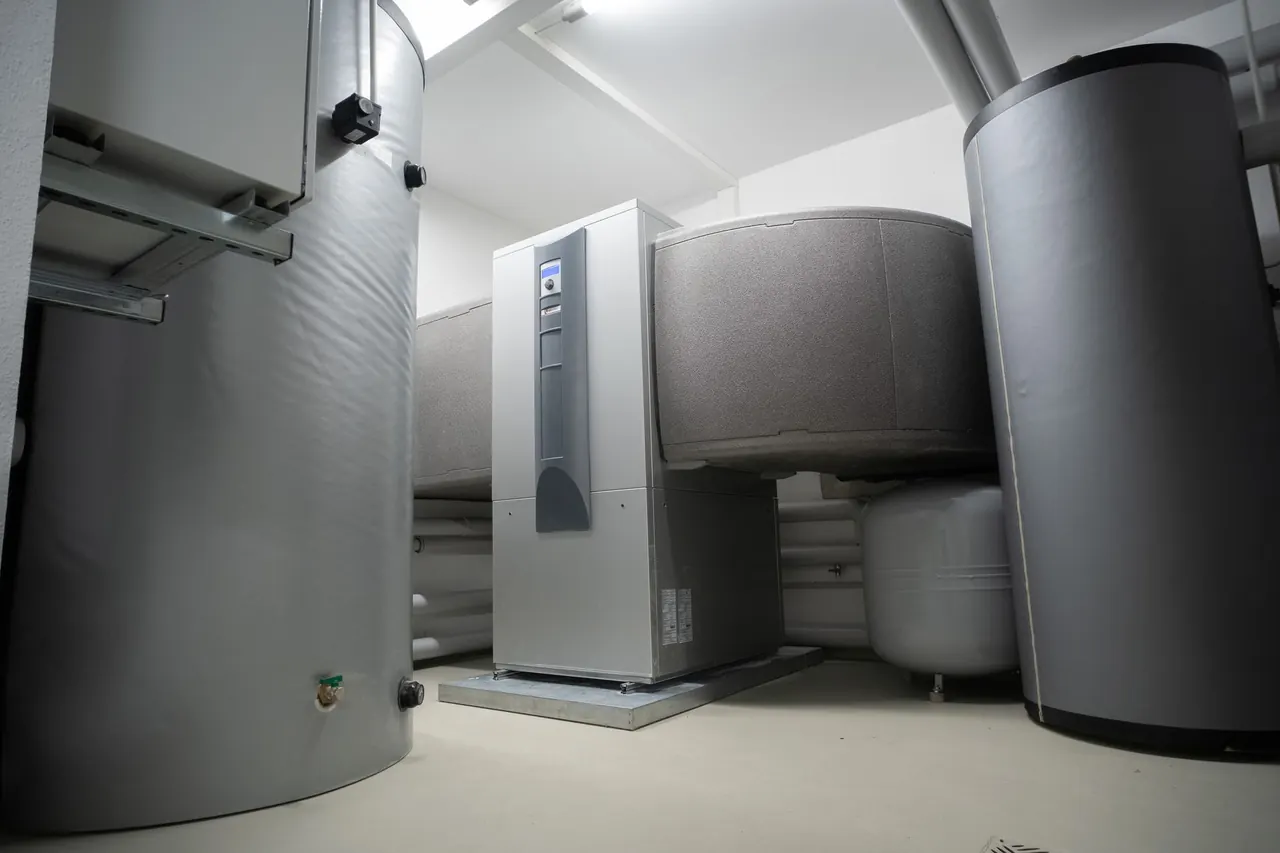
Reads suction and head pressure so we can calculate superheat and subcooling and confirm the refrigerant charge is correct for the outdoor temperature.
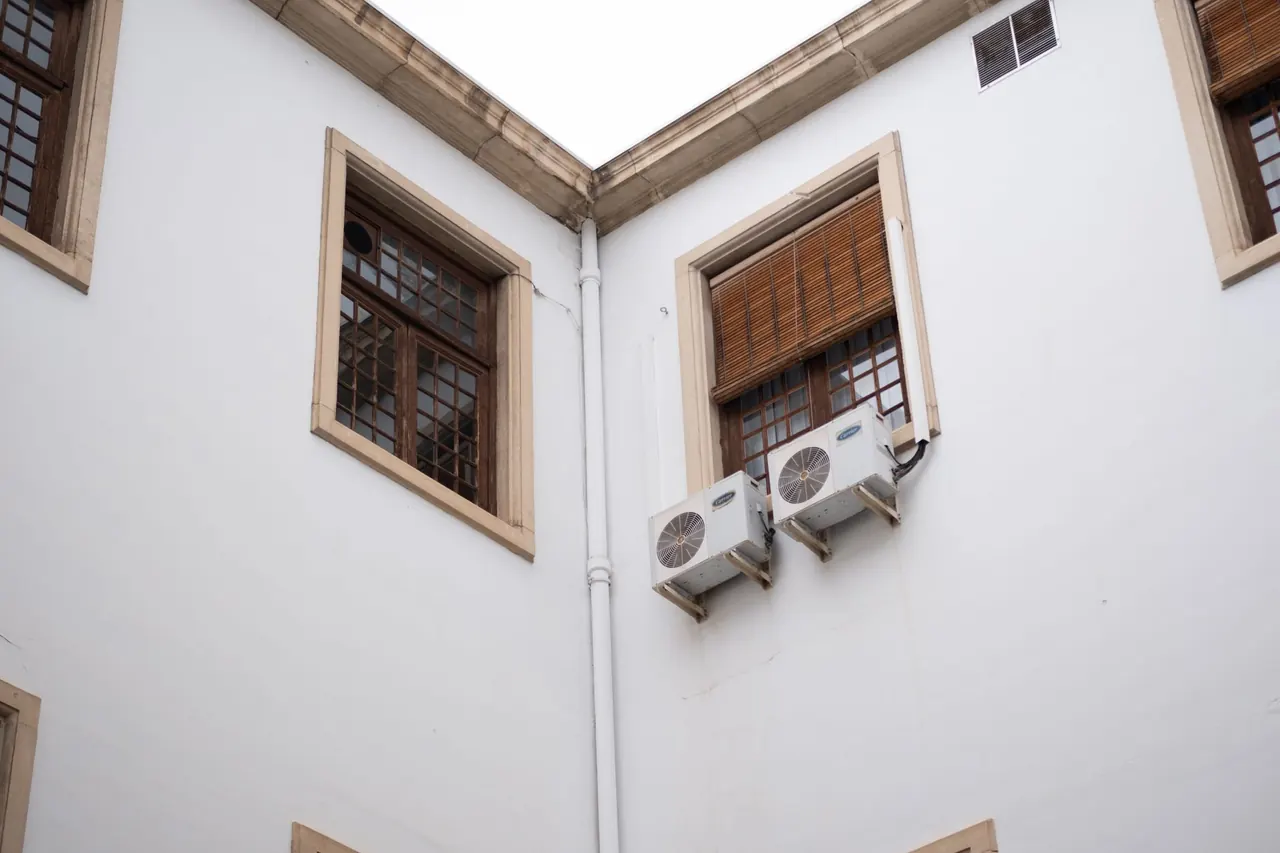
Tests capacitance, voltage, and continuity on capacitors, contactors, and motors. It tells us whether a part has failed or is simply not getting power.
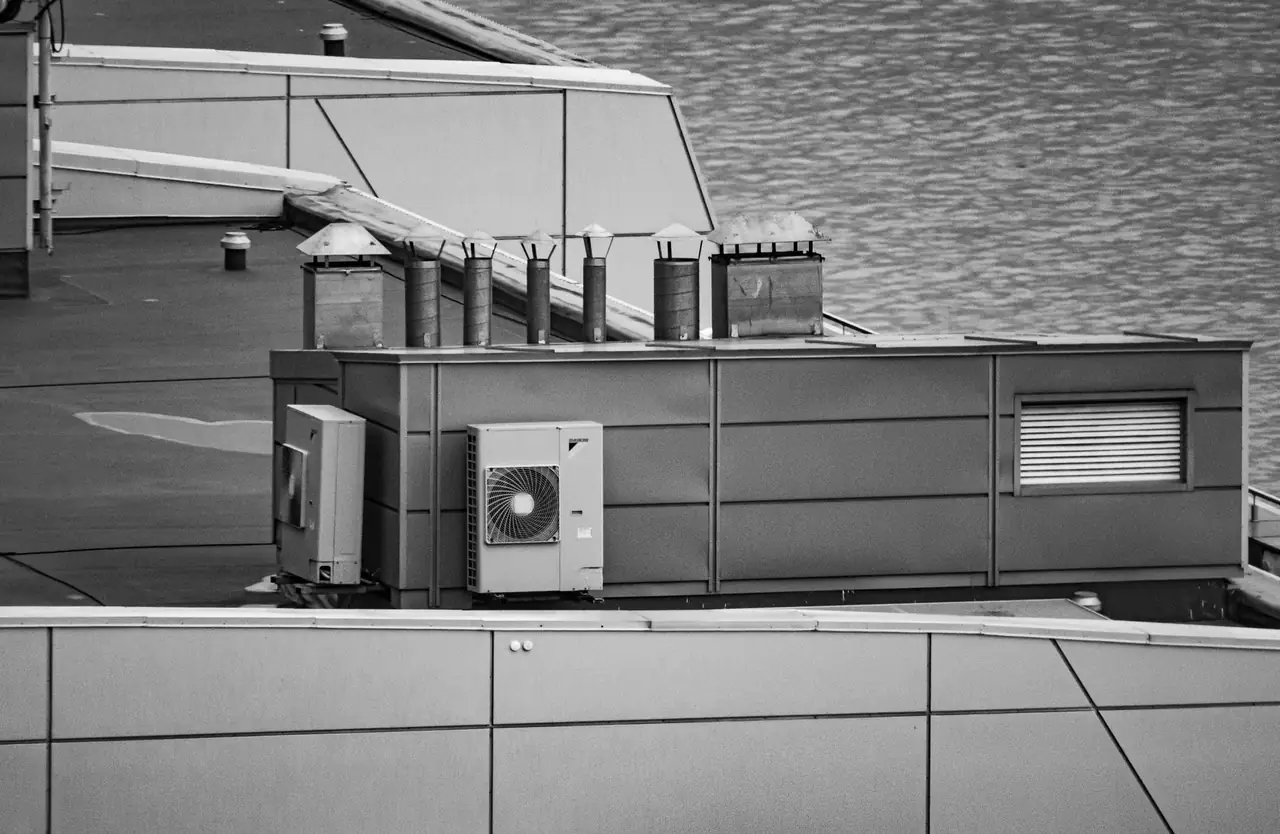
Sniffs the evaporator coil, line sets, and service valves for refrigerant leaks that pressure readings alone cannot pinpoint.
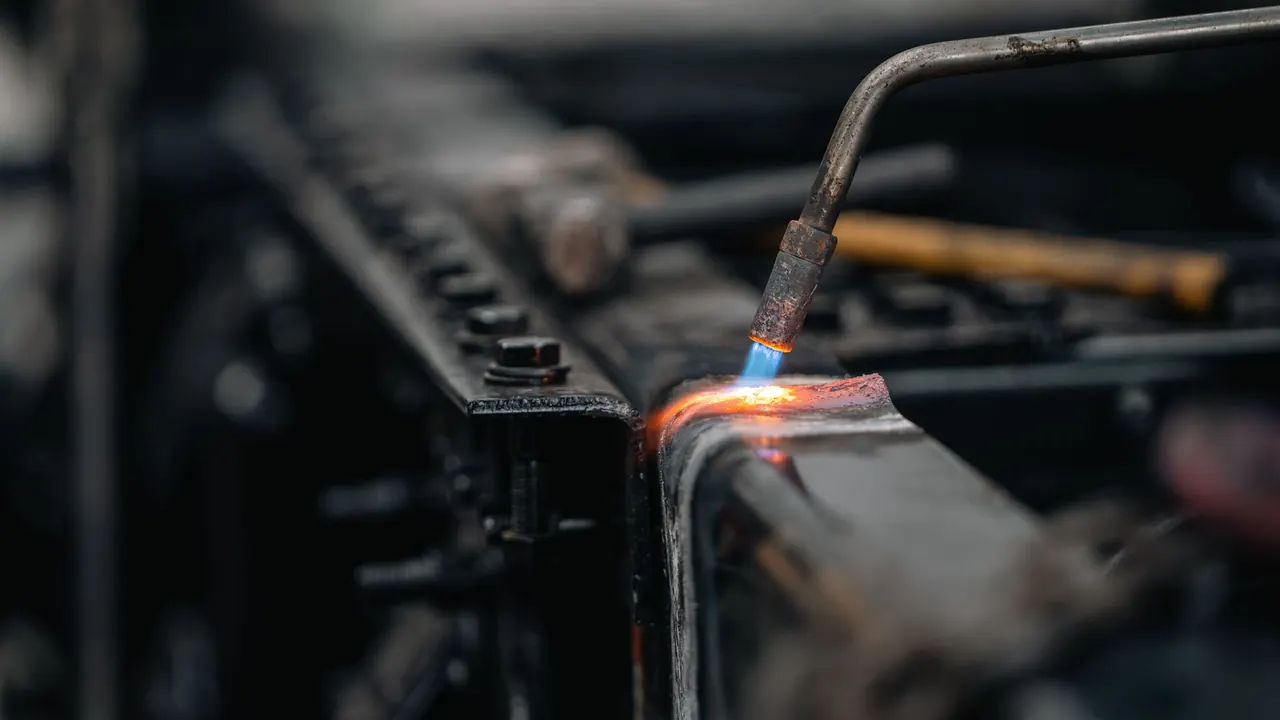
Pulls a deep vacuum on the system after a leak repair, removing moisture and air before we recharge with R-410A or R-32 refrigerant.
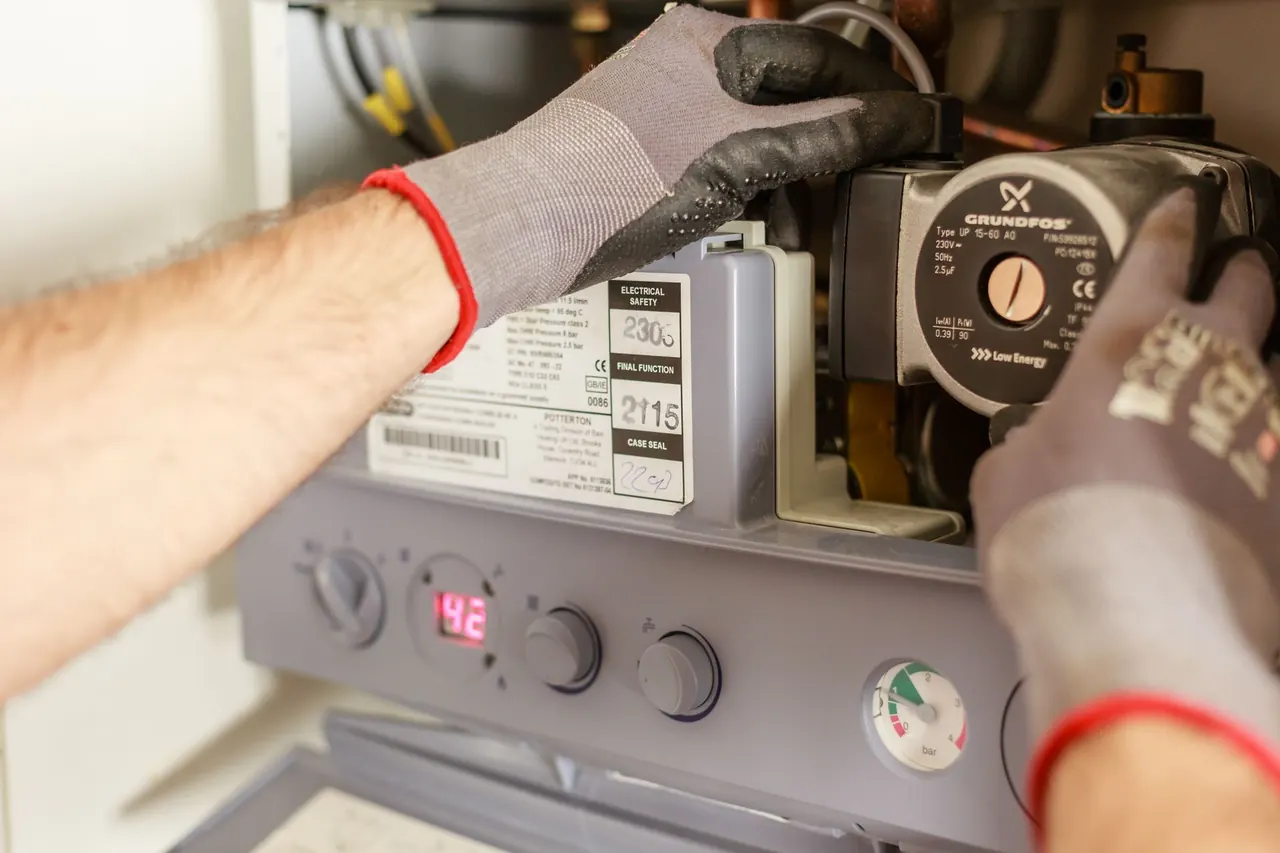
Measures supply and return airflow so we can confirm the blower is moving the rated CFM and the evaporator coil is not starving for air.
Thermal views are illustrative, generated from the photographs.
Scans the coil, ductwork, and electrical panels for hot spots and temperature differences that point to airflow or refrigerant problems.
We charge refrigerant by measuring superheat on fixed-orifice systems and subcooling on TXV systems, then matching the readings to the manufacturer's target. This is more accurate than charging by pressure alone and protects the compressor.
When a repair turns into a replacement conversation, we run a room-by-room load calculation to size the new system correctly. Oversized equipment short-cycles and does not remove humidity, which is a common problem in Chicago's older housing stock.
We evaluate return and supply duct sizing against Manual D when airflow problems show up. Undersized returns starve the coil, cause freezing, and cut capacity, especially in greystones and two-flats with finished basements.
All refrigerant work follows EPA Section 608 rules for recovery, recycling, and recharge. We recover refrigerant with a recovery machine, never vent it, and document the charge weight on the invoice.
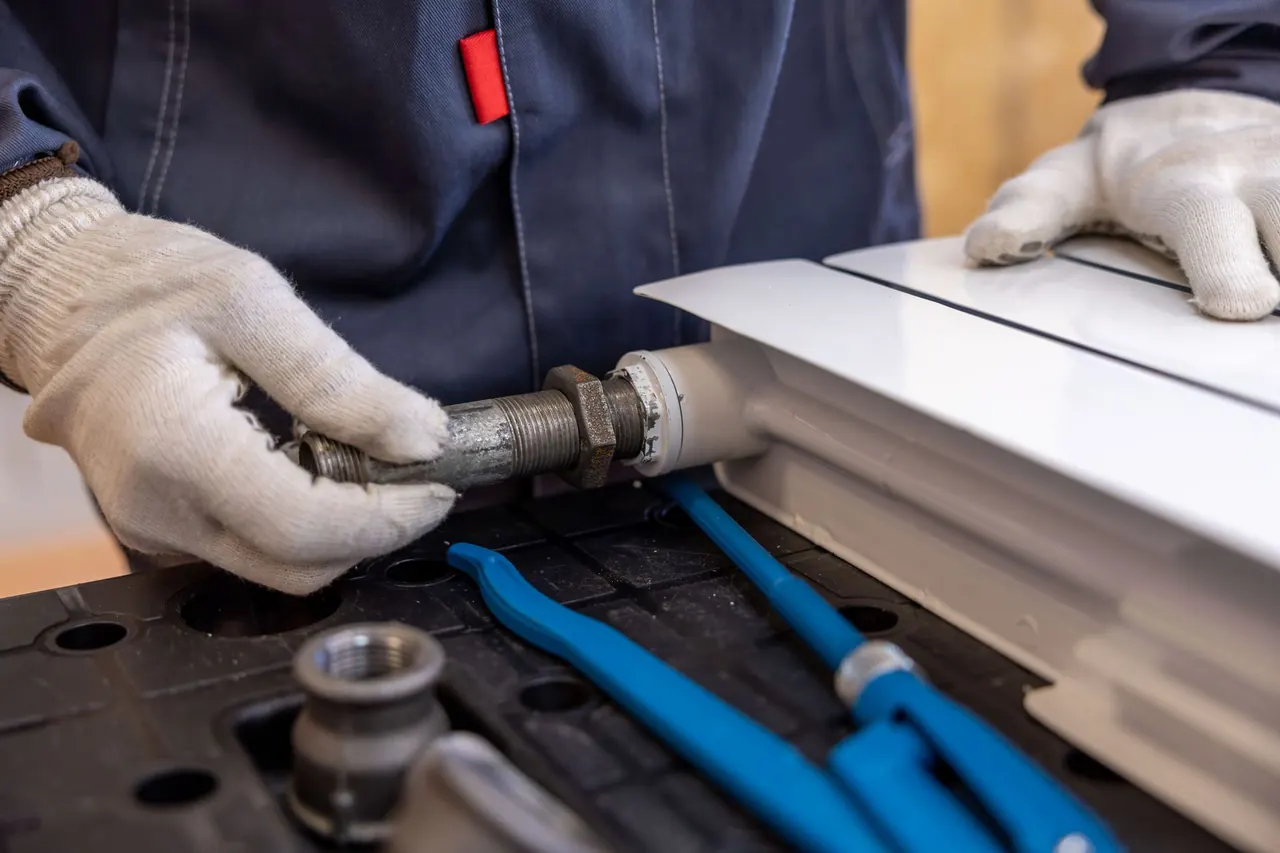
Your AC blows warm air on the first 90-degree day of July and the house will not drop below 80.
We treat this as a priority no-cool call. A technician arrives with capacitors, contactors, and a manifold gauge set, diagnoses the fault, and gives you a flat repair price before starting work.
Outcome: Most no-cool calls are fixed quickly, and you get cold air back before the evening peak.
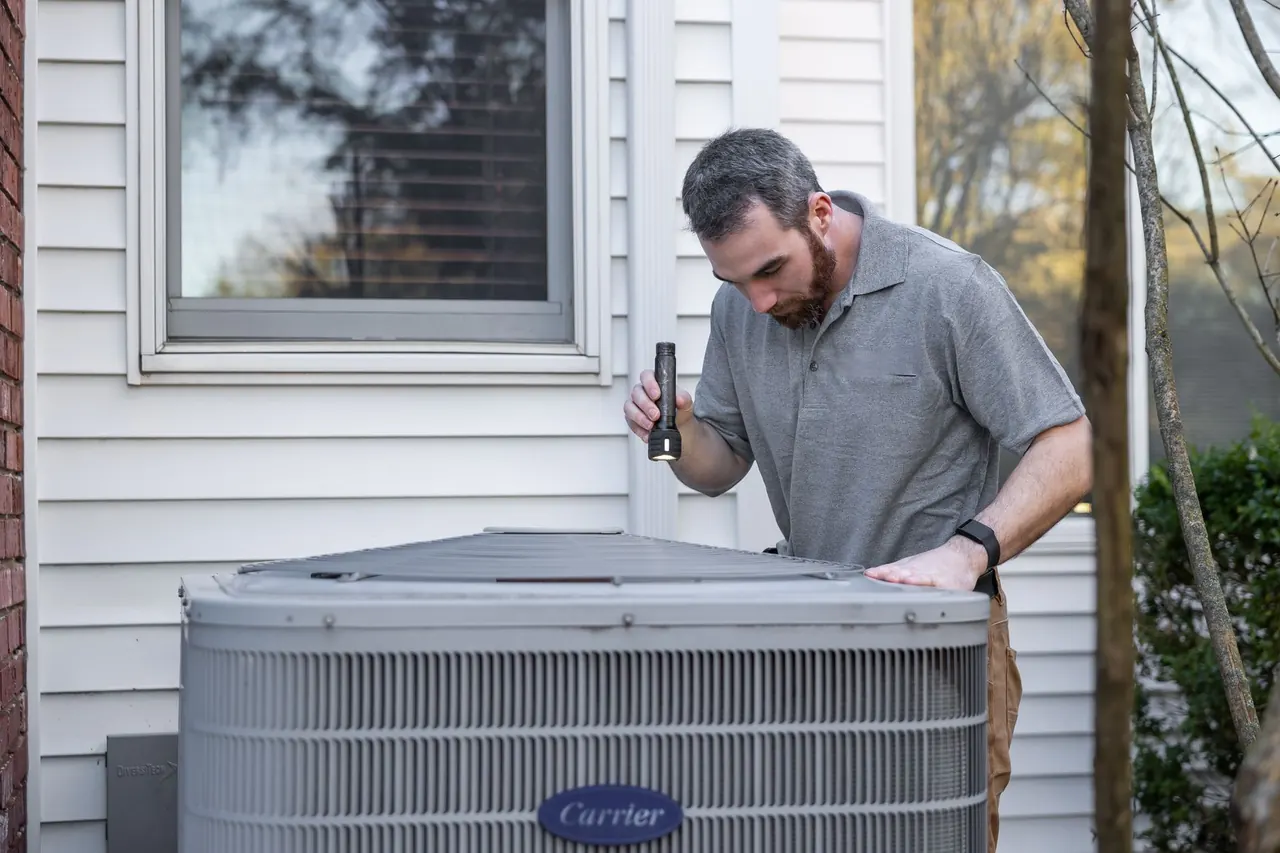
You notice water pooling near the indoor air handler or a stain spreading on the ceiling below it.
We shut the system down, clear the clogged condensate drain line, inspect the pan and float switch, and check for a frozen coil. If the drain line is undersized, we correct the pitch and size.
Outcome: The leak stops, the drain flows freely, and you avoid drywall or ceiling repairs.
We test the thermostat calibration, check the air filter and blower, and read refrigerant pressures. Short cycling often traces to an oversized system, a failing capacitor, or a refrigerant charge issue.
Outcome: We correct the cause, and the system runs in longer, more efficient cycles that hold your set temperature.
You are a landlord and a tenant calls at 8 p.m. on a Friday because the AC died.
We take after-hours no-cool calls and triage by phone. If it sounds like a capacitor or breaker issue, we dispatch the closest technician with the parts already on the truck.
Outcome: The tenant gets cooling back the same night, and you avoid a weekend hotel bill or a lease complaint.
Chicago summers are short but brutal, with stretches of 90-degree days and high humidity that push systems to their limit. Most of the housing stock is older: greystones, brick two-flats, and bungalows with attic air handlers, undersized returns, and ductwork that has been modified over decades. That combination means airflow problems and refrigerant leaks show up more often here than in newer construction.
If you need central air repair Chicago, Illinois on a system that has never had a coil cleaning, expect us to check the evaporator for dirt and the drain line for sludge first. We see the same pattern in Wicker Park and Logan Square conversions, where a mini split or high-velocity system was added to a building that was never designed for ducted cooling.
Our technicians carry the tools to diagnose those systems on site, including a thermal imaging camera and an electronic refrigerant leak detector.
Before: A landlord called after a tenant reported warm air for three days. The outdoor fan was running but the compressor was not starting, and the filter was clogged solid. The system had not been serviced in at least four years.
After: We replaced a failed run capacitor, installed a new filter, and cleaned the condenser coil. Supply air dropped from 78 degrees to 58 degrees, a 20-degree split.
Change the filter every 60 to 90 days and book a spring tune-up. A yearly capacitor test catches the same failure before it strands a tenant in July.
Before: The homeowner noticed ice on the indoor coil and the system was not cooling at all. A previous company had added refrigerant twice without finding a leak. The blower motor was also drawing high amps and the return was undersized.
After: We located a leak at the evaporator coil, repaired it, replaced the blower motor, and recharged by weight. The system held a 19-degree split and ran a full cooling cycle without freezing.
Keep the return grilles clear and have the coil cleaned each spring. If the system freezes again, shut it off and call before the compressor is damaged.
Before: A condo owner reported the AC ran for five minutes, shut off, and never cooled the bedroom. The thermostat was fine, but the condenser coil was packed with cottonwood and the refrigerant charge was 12 ounces low.
After: We cleaned the condenser coil, found and repaired a Schrader valve leak, and recharged to spec. Runtime lengthened to 15-minute cycles and the bedroom held 72 degrees on a 92-degree day.
Rinse the condenser coil each June and keep two feet of clearance around the unit. A pressure check every other spring catches slow leaks early.
Most no-cool calls come down to a handful of failures.
Cold air back, with the failed part shown and the fix verified.
We hold prompt slots for AC repair service Chicago IL calls, including evenings during heat advisories. Most no-cool jobs are diagnosed in under 90 minutes, and roughly 7 out of 10 are repaired on the first visit with parts already on the truck.
You approve the repair price before we open a panel.
We stock run capacitors, contactors, blower motors, condensate pumps, and common thermostats for Carrier, Trane, Lennox, Rheem, Goodman, and Bryant units. That means fewer return trips and a faster cool-down for your home.
We compare repair cost against a replacement quote and let you decide, with no pressure and no upsell script.
Clear records you can keep and share.
Parts used and readings recorded
Suction and head pressure noted
Correct size and change interval
Failed part and coil condition
Age, repair cost, and refrigerant type decide most of these calls. Here is how we sort it.
System under 12 years old
System 12 to 15 years old
System over 15 years old
A list like this tells people straight away whether you cover their street. Not listed? Call and ask: it only takes a minute.
Based in Chicago and covering the places around it. Pick one for local details.
We quote a flat price before we start, so the number you approve is the number you pay.
The most common cause is a failed run capacitor, which stops the condenser fan or compressor from starting even though the indoor blower runs. Other frequent culprits are a clogged air filter, a frozen evaporator coil from low airflow, or a slow refrigerant leak. We test capacitance, pressures, and airflow on site and show you the failed part before we replace it.
We do, across Cook County and the city neighborhoods. We cover Lincoln Park, Lakeview, Wicker Park, Logan Square, Uptown, and the surrounding areas, with prompt slots for no-cool calls during summer heat.
Schedule a tune-up every spring before the first 85-degree day, and call for repair the moment you notice warm air, short cycling, or water near the indoor unit. A yearly coil cleaning and capacitor test catches most failures before they strand you in July. If your system is over 12 years old, an annual pressure check is worth it.
Other services from the same team.
We answer the phone, give you a two-hour window, and quote a flat price before we start. If your system is blowing warm air or leaking water, call now and we will get a technician headed your way.
Call (312) 638-0812 or email info@hvacchicagopro.com and tell us what your system is doing. If you leave a message after hours, we'll call you back with a plan.