For homes
We replace furnaces in bungalows, greystones, condos, and two-flats across Chicago. You get a written price, a permit, and a startup test before we leave.
- No heat in winter
- Uneven room temperatures
- Old furnace past 18 years
When your old furnace quits mid-winter, you need furnace replacement Chicago IL that happens fast and holds up. We size the equipment with a Manual J load calculation, pull the right permits, and install Carrier, Trane, or Lennox equipment built for Chicago winters. Whether you own a greystone in Norwood Park or a condo in Lakeview, we handle new furnace installation in Chicago from haul-away to final combustion test.
 Manual J sizingPermit pulledCombustion tested
Every replacement we do covers the equipment, the labor, the permit, and the startup test. Here is what is in the standard scope, and what we price separately if your home needs it.
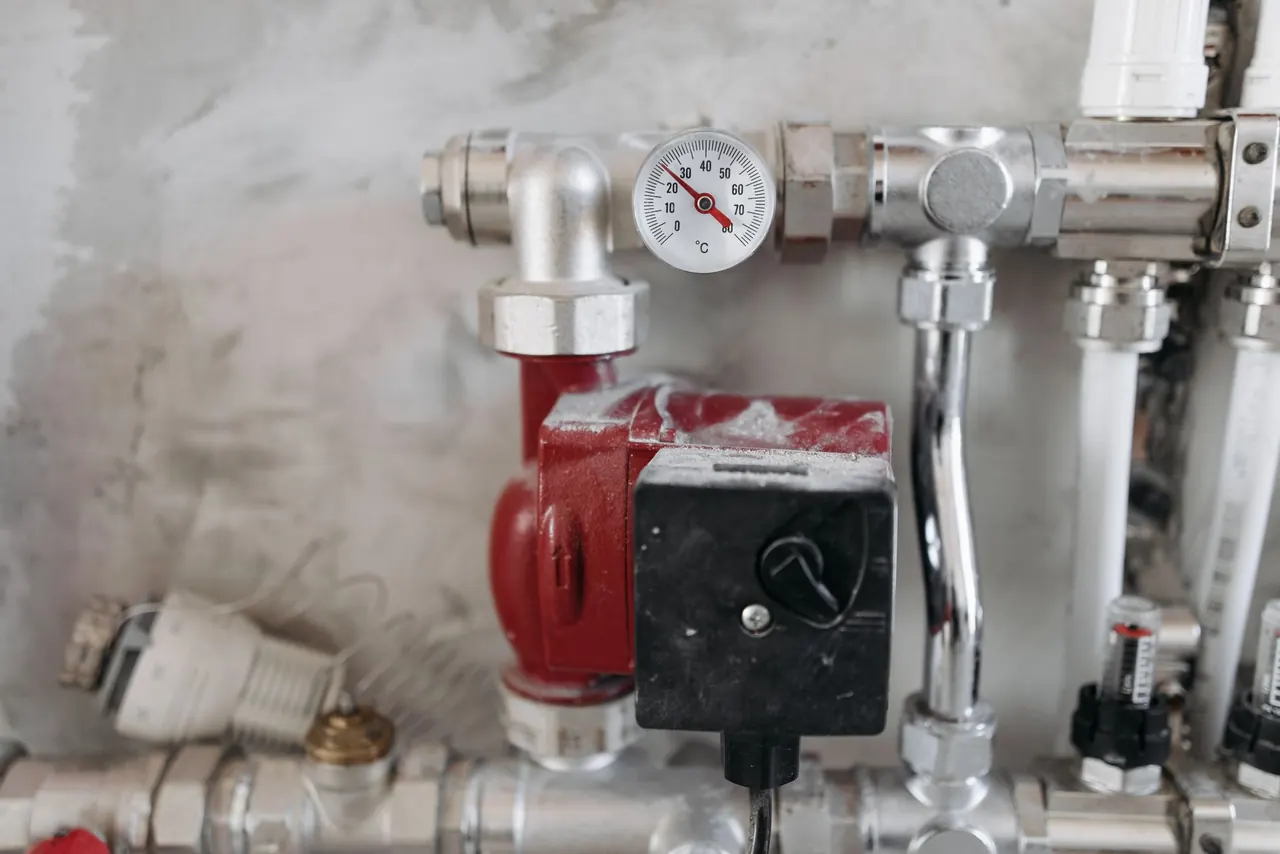
We supply and install a correctly sized Carrier, Trane, Lennox, Rheem, or Goodman furnace, plus a new Honeywell or Ecobee thermostat wired and configured for your system.
We pull the City of Chicago mechanical permit and meet the inspector on site. You get the signed inspection card, which matters when you sell the property.
New PVC flue pipe or metal venting, gas piping sized to code, and a dedicated electrical circuit with a service switch. We seal every penetration and test every joint for leaks.
We connect the new furnace to your existing sheet metal ductwork or flex duct, seal the plenum, and check static pressure so airflow matches the equipment.
We remove the old furnace, the old flue materials, and any debris, and dispose of it properly. You do not need to rent a dumpster or move anything yourself.
We fire the furnace, run a combustion analyzer and manometer, verify temperature rise and gas pressure, and walk you through the filter, thermostat, and shutoff before we leave.
The approach is the same for a home and a business. What changes is the access, the schedule and who needs the paperwork.
We replace furnaces in bungalows, greystones, condos, and two-flats across Chicago. You get a written price, a permit, and a startup test before we leave.
We replace furnaces in rental flats, small commercial spaces, and multi-unit buildings. Scheduling is coordinated with tenants and building management.
A plain-language look at what Furnace Replacement involves and when it is needed.
See how it worksFurnace replacement Chicago IL is the removal of your existing gas furnace and the installation of a correctly sized, code-compliant unit with new flue, gas, and electrical connections. We start with an ACCA Manual J load calculation so the new equipment matches your home's actual heat loss, not a guess from the old nameplate. Then we set the furnace, seal the plenum, run a combustion analyzer, and verify temperature rise before we call the job done.
Most Chicago homeowners call us when the furnace is blowing cold air, short cycling, or the heat exchanger has cracked after 18 to local experience. In a city where January design temperatures hit 2°F, a failing furnace is not something you can put off. If you are searching for a Chicago furnace install company that handles permits, haul-away, and startup in one visit, we do that work every week across Cook County.
A correctly sized furnace, installed to code, is what keeps a Chicago home warm through February.
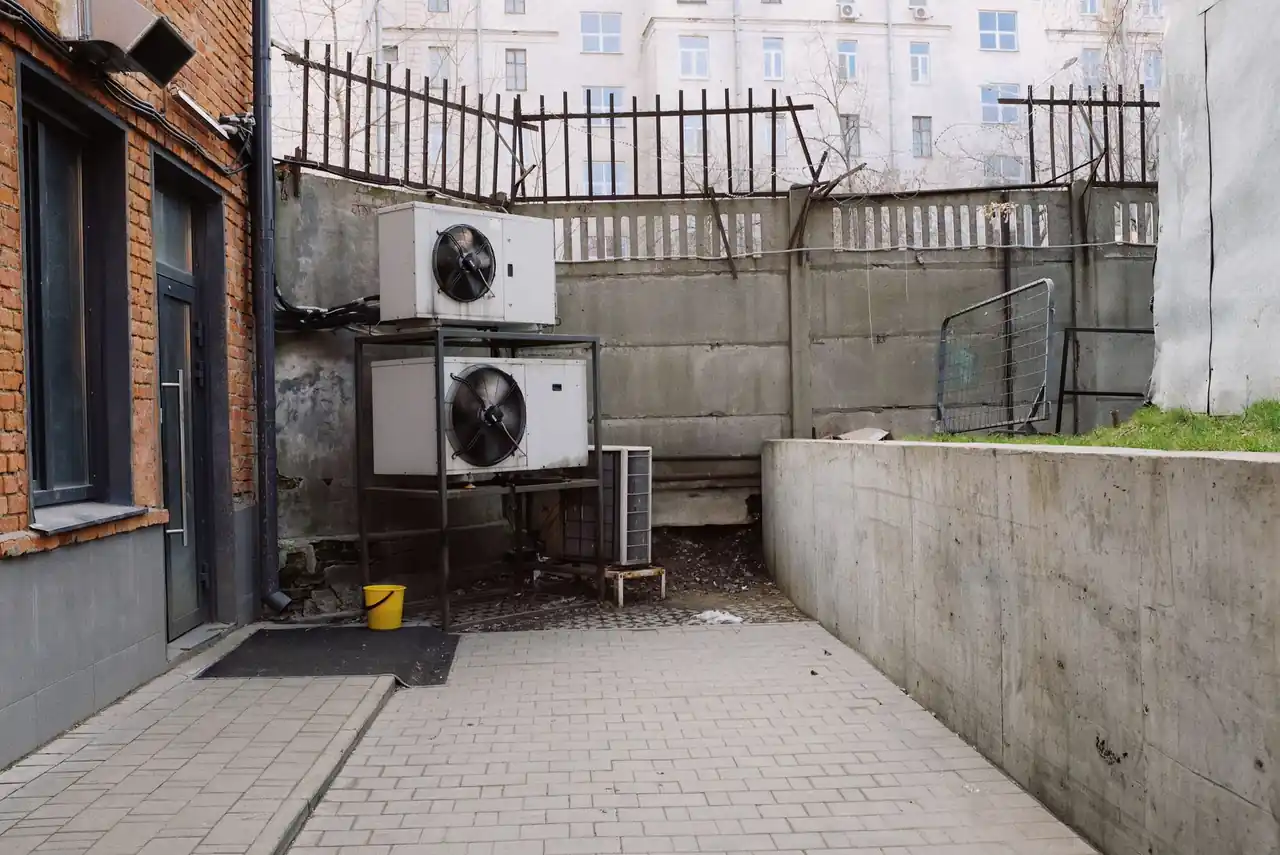
Five steps, one crew, and a clear timeline. Here is exactly what happens from your first call to the final combustion test.
We ask about your furnace age, fuel type, and symptoms, then schedule a visit. If you have no heat, we prioritize you. Most calls get a prompt or next-morning appointment, and we confirm the window by text.
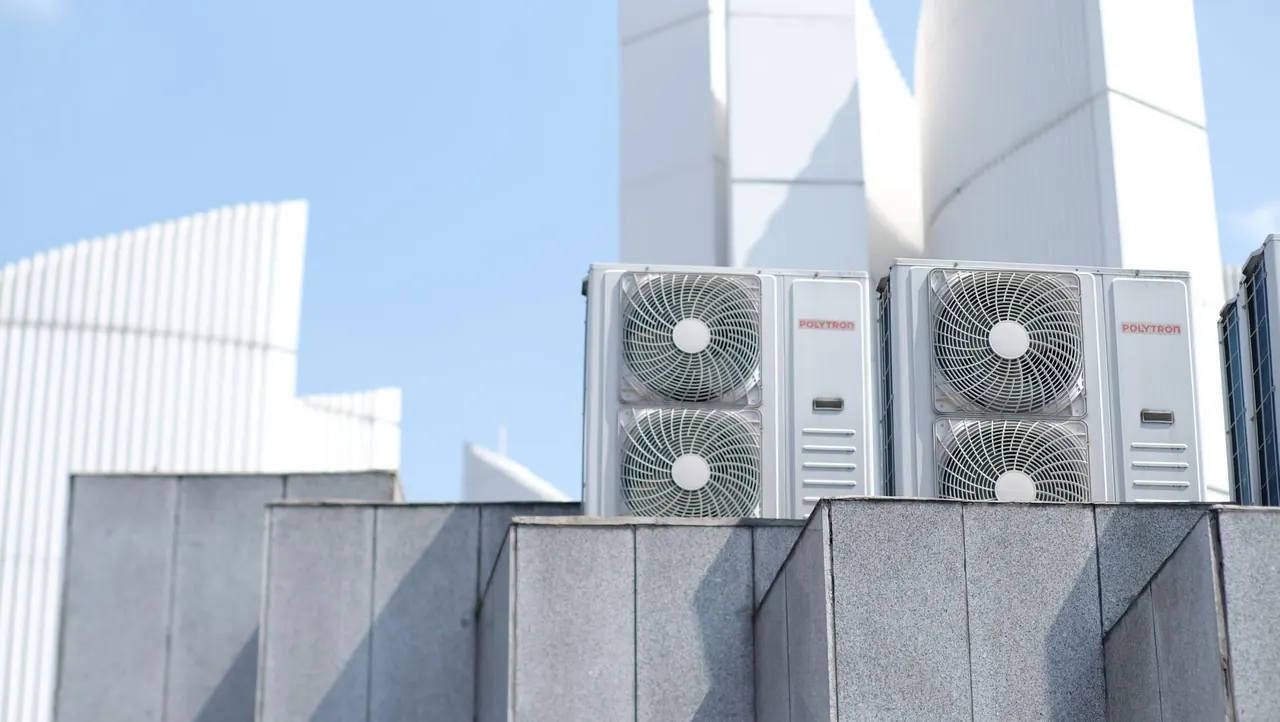
A technician measures your home, checks existing ductwork, flue routing, and gas line size, and runs an ACCA Manual J load calculation. You get a written scope with equipment options, efficiency ratings, and a firm price before anyone touches a wrench.
We pull the City of Chicago mechanical permit and schedule the install. You get a two-day window, and we protect floors with drop cloths. Equipment is staged the night before so the crew starts on time.
Day one is removal and setting the new furnace, PVC flue pipe, and condensate pump. Day two is gas piping, electrical, thermostat wiring, and sheet metal ductwork connections. Most jobs finish in 6 to 10 working hours.
We fire the furnace, run a combustion analyzer, verify temperature rise, and check for gas leaks at every joint. Then we walk you through the thermostat, filter size, and shutoff location before we leave.
Move across a circle, or focus it and press Enter, for an illustrative thermal view of the photograph.
Measures oxygen, carbon monoxide, and flue temperature at startup to confirm the furnace is burning clean and safely.
Checks gas pressure at the valve and verifies the furnace is set to manufacturer spec for your altitude and fuel type.
Reads static pressure across the furnace and ductwork so we can set blower speed and catch restricted returns.
Finds duct leakage, missing insulation, and cold spots in walls before we finalize the install.
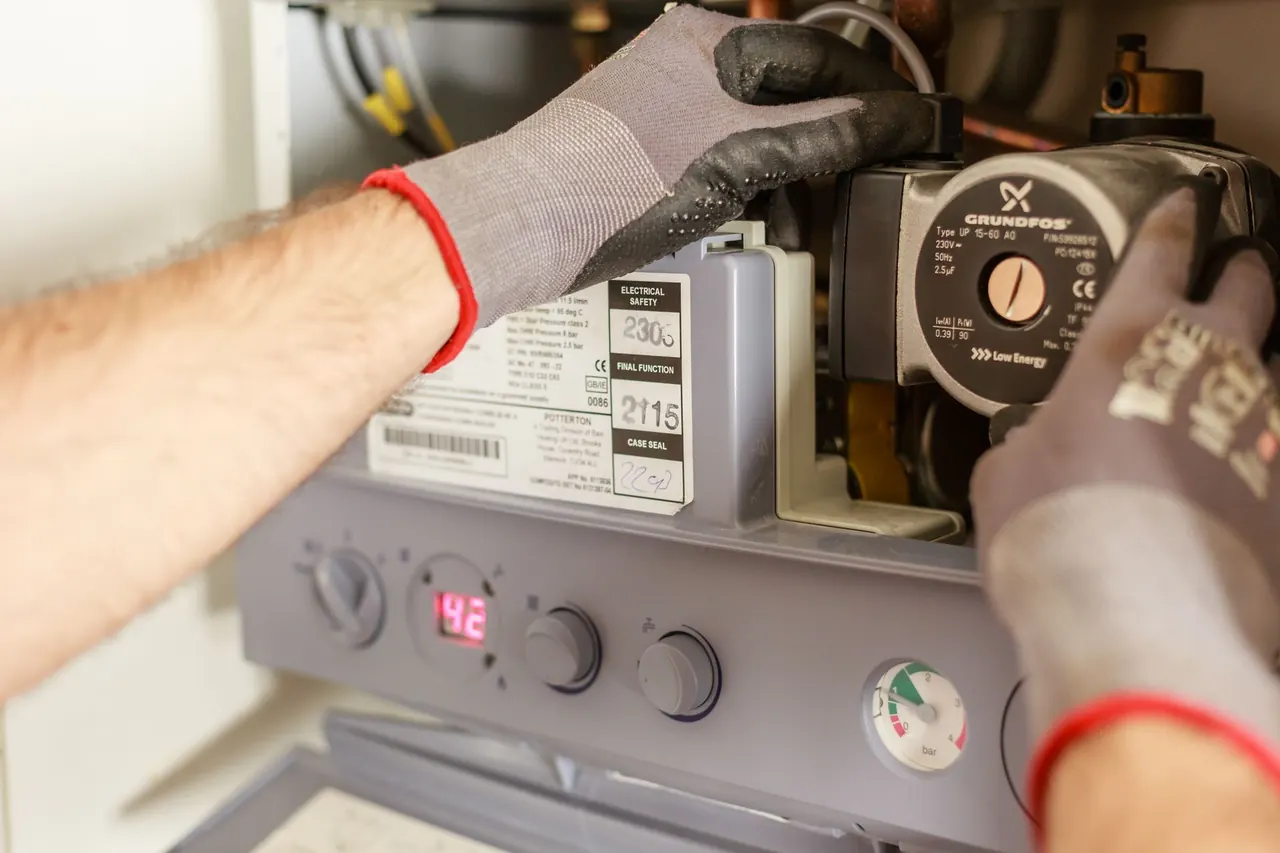
Tests voltage, continuity, and amp draw on the control board, blower motor, and igniter during startup.
Thermal views are illustrative, generated from the photographs.
Used when we pair a new furnace with AC work, pulling a proper vacuum and recovering R-410A or R-32 refrigerant.
Fabricate plenum transitions, seal duct connections, and bend copper line sets cleanly when we add AC.
We measure windows, insulation, and square footage room by room to calculate actual heat loss. This is how we size the furnace correctly instead of copying the old nameplate.
We check duct sizing and static pressure against the new furnace's airflow requirements. If the return is undersized, we tell you before install day, not after.
Every install follows the International Mechanical Code as adopted by Chicago, covering clearances, venting, gas piping, and combustion air.
We pair furnaces with coils and condensers listed in the AHRI directory so the system performs at its rated efficiency and qualifies for rebates.
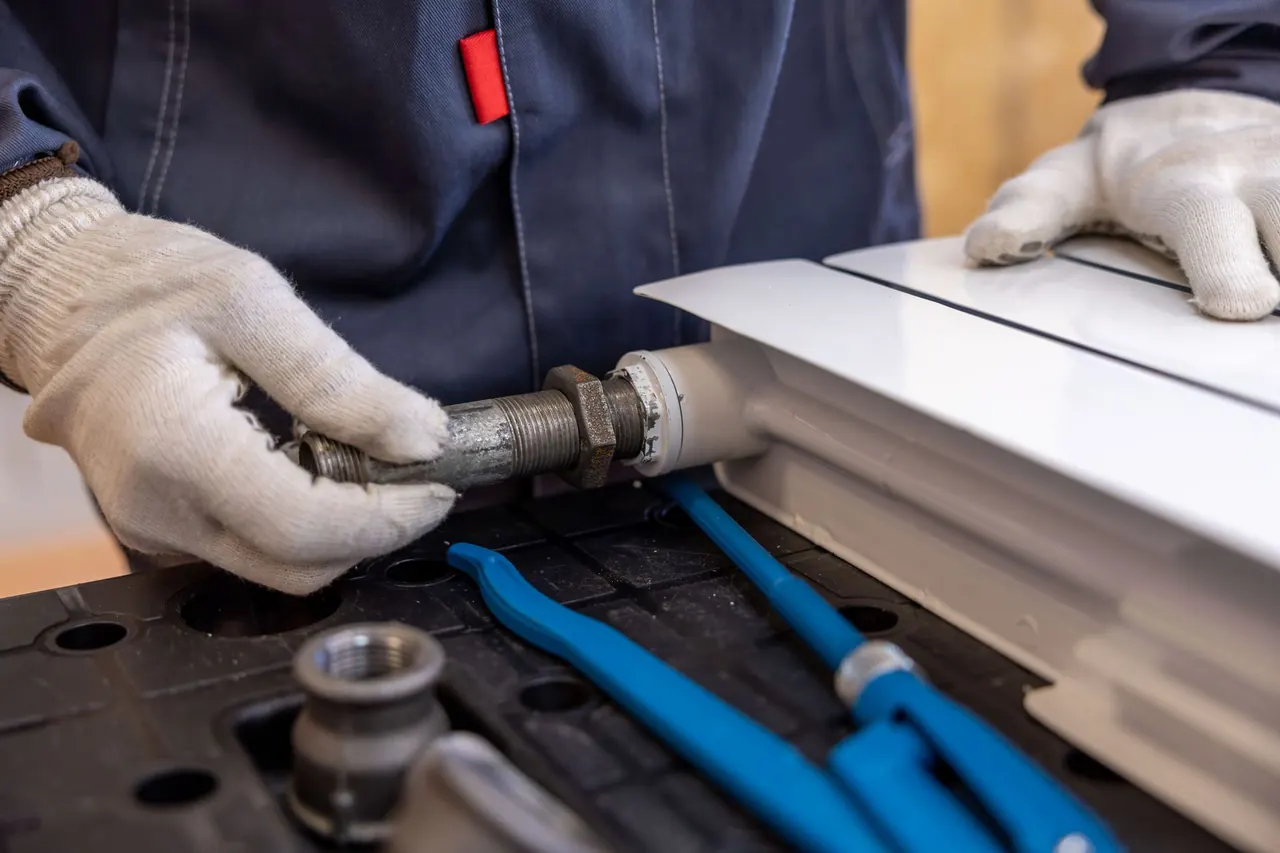
A 20-year-old furnace in a Norwood Park bungalow fails during a January cold snap.
We stock common furnace sizes on the truck and can complete a prompt furnace replacement Norwood Park Chicago job when the equipment matches. If not, we set temporary heat and install the next morning.
Outcome: Heat restored within 24 hours, new 96% AFUE furnace installed, permit pulled, and the old unit hauled away.
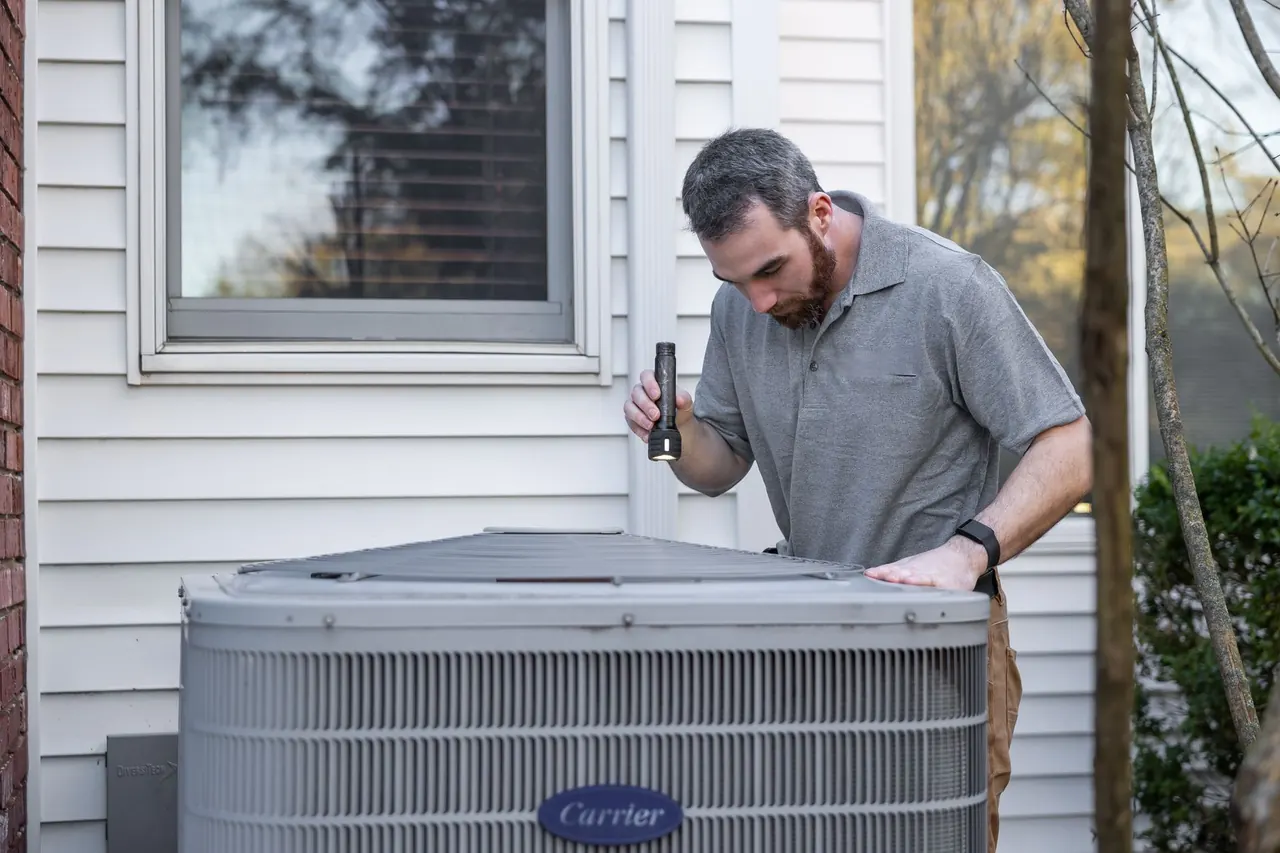
A Logan Square two-flat owner wants to replace both furnaces before winter and lower tenant gas bills.
We run Manual J calculations on both units, recommend two-stage furnaces, and schedule both installs across three days so tenants keep heat overnight.
Outcome: Two new furnaces, sealed ductwork, and roughly 30% lower gas usage across both units.
A Lakeview condo owner is told the heat exchanger is cracked and needs a replacement fast.
We verify the crack with a combustion analyzer, shut the unit down for safety, and install a new furnace with a new PVC flue and condensate pump within two days.
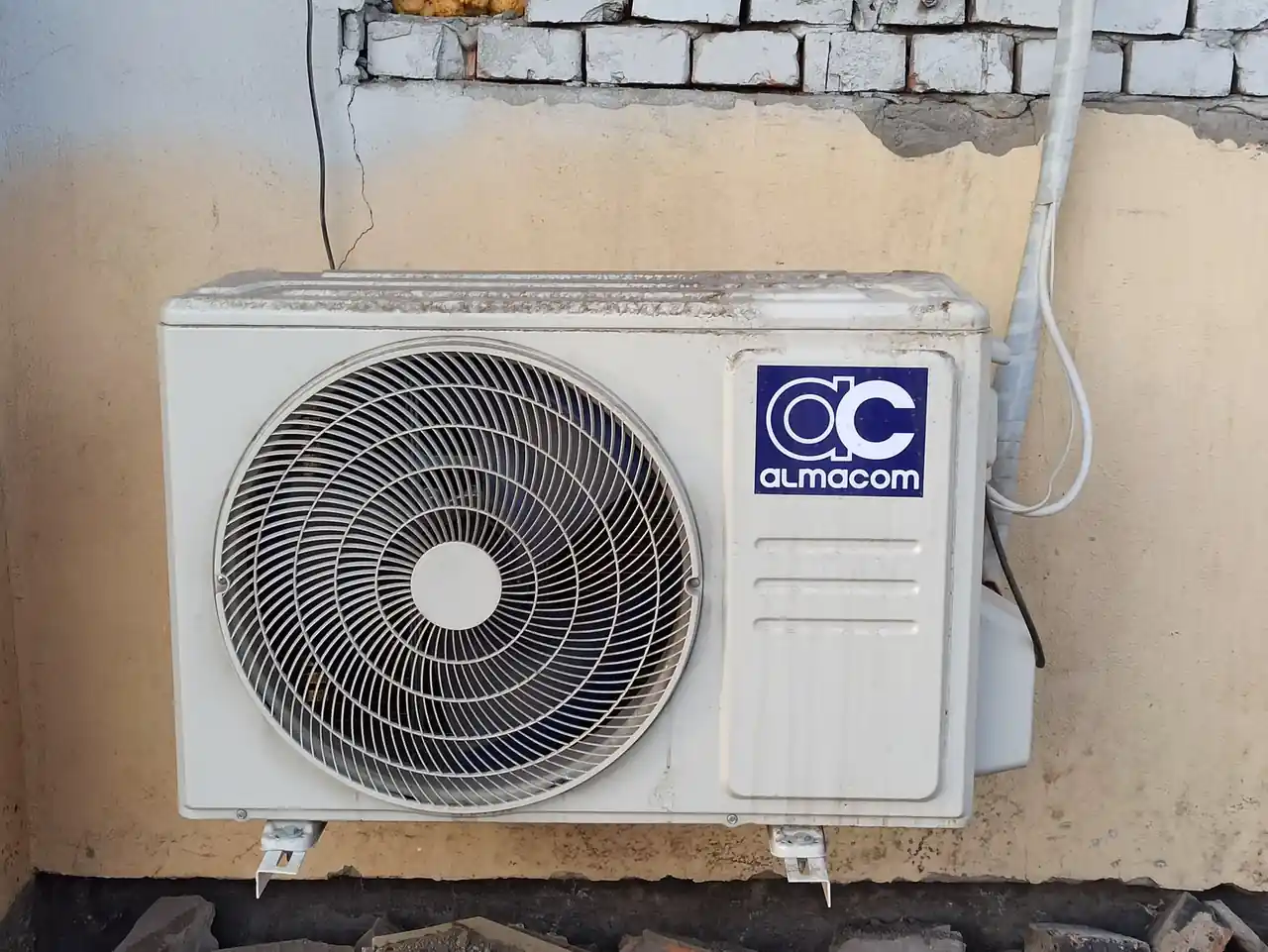
A homeowner in Sauganash wants to replace an old gas furnace and add central AC at the same time.
We pair a new furnace with a matched AC condenser and evaporator coil, running new copper line sets and a condensate drain line in one visit.
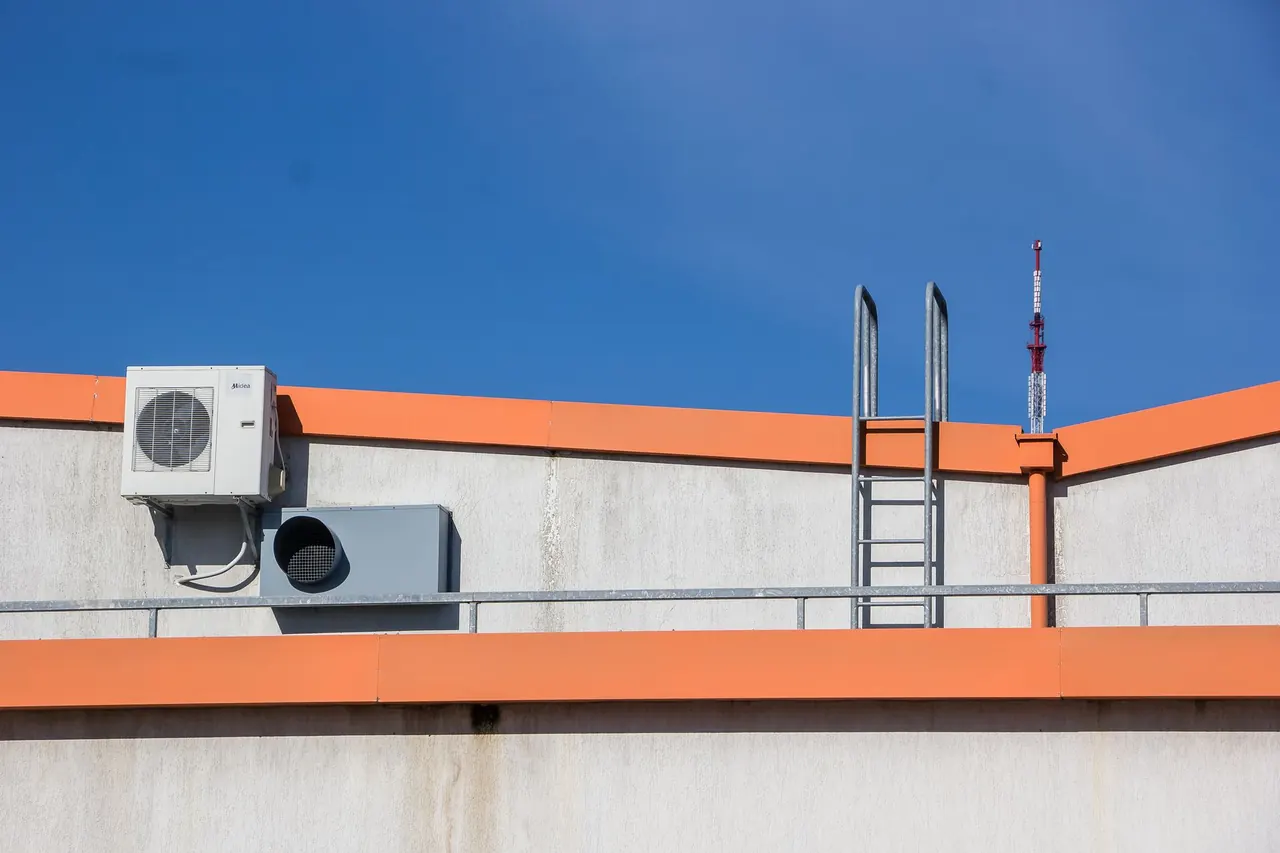
A Wicker Park greystone owner needs to replace an old gas furnace without tearing up the building.
We route the new PVC flue through an existing chase, use flex duct where the old ductwork is inaccessible, and protect the original floors and trim during the install.
Outcome: New high-efficiency heat with no structural changes and the greystone's original details intact.
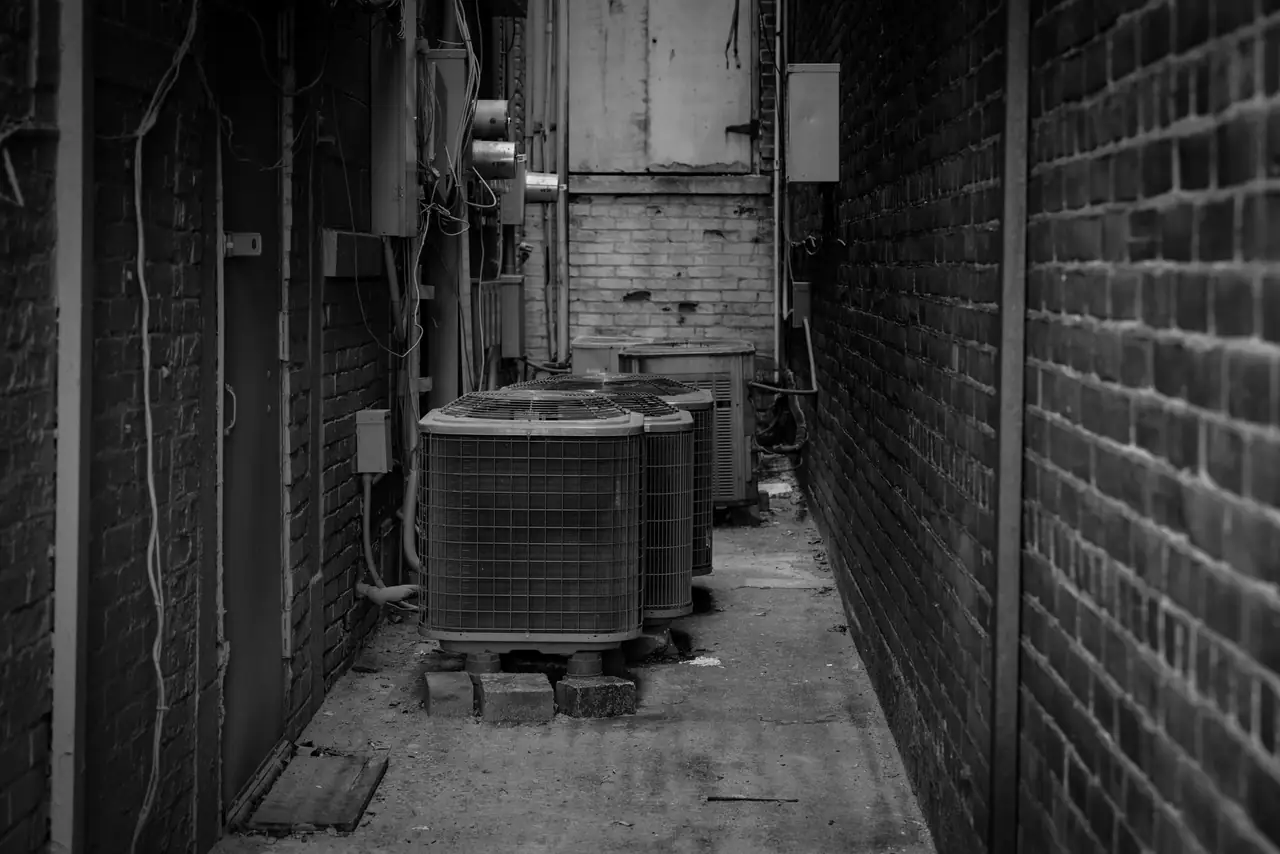
Chicago winters are hard on heating equipment. Design temperatures drop to 2°F, and furnaces run near-continuously from December through February. That load is why we size every replacement with a Manual J calculation rather than square footage, and why we insist on a combustion analyzer at startup. Building stock matters too.
Greystones and two-flats often have original ductwork that is undersized for modern equipment, so we check static pressure and seal what we can reach. In high-rises, we coordinate with building management on flue routing and elevator use. The City of Chicago requires a mechanical permit for furnace replacement, and we pull it and meet the inspector on site.
If you need a high efficiency furnace installation Chicago Illinois homeowners can count on, we handle the whole scope, including the PVC flue and condensate line. We also serve ZIP codes 60018, 60641, 60640, 60643, 60642, and 60649 across Cook County.
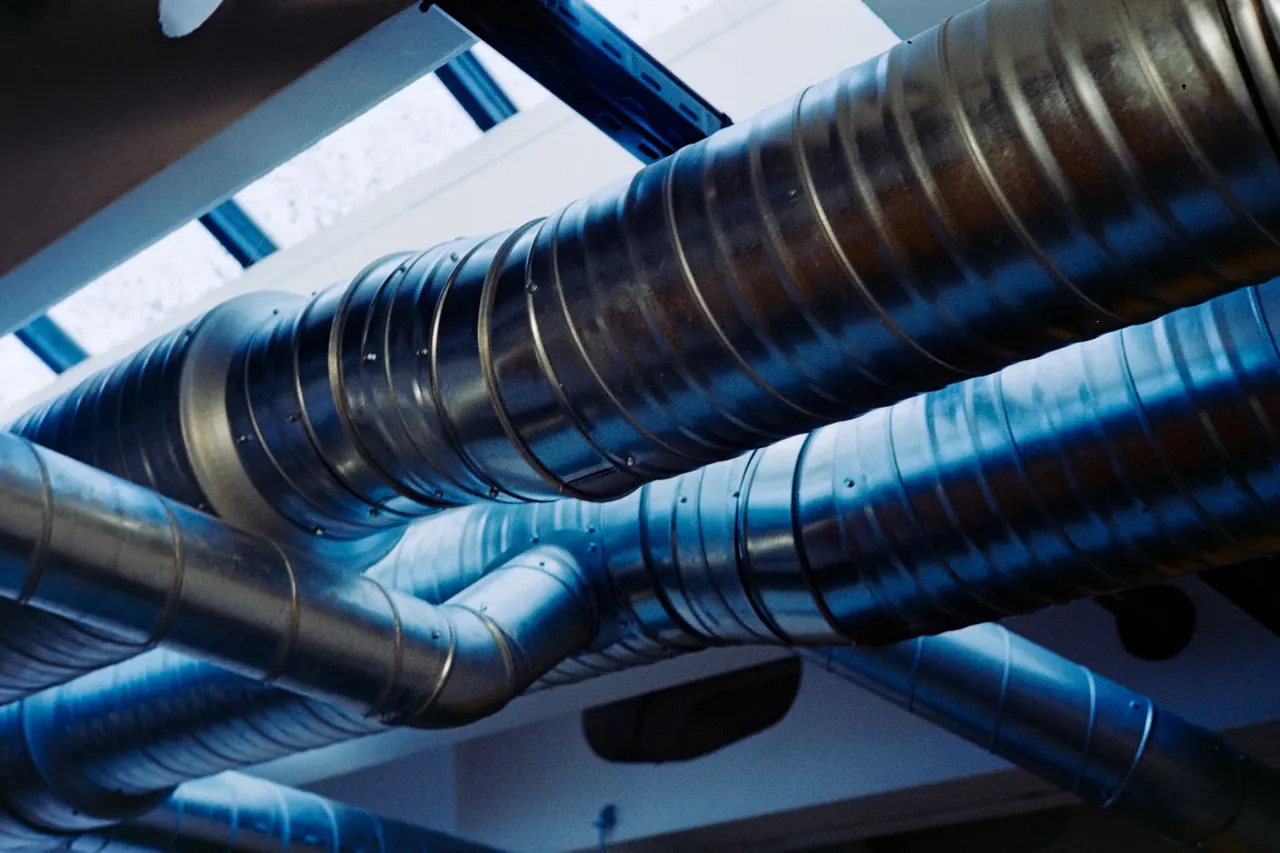
Before: A 21-year-old 80% AFUE furnace failed on a Friday night with a cracked heat exchanger. The homeowner had no heat and the forecast was 8°F for the weekend.
After: We installed a 96% AFUE two-stage furnace the next morning, ran a new PVC flue, and verified temperature rise. Gas usage dropped about 30% the following winter.
Change the 16x25x1 filter every 60 to 90 days and schedule a fall tune-up to keep the heat exchanger and igniter in good shape.
Before: Two original furnaces from the early 2000s were short cycling and leaving the second-floor unit cold. Gas bills had climbed every year for three winters.
After: We replaced both units with correctly sized two-stage furnaces, sealed accessible ductwork, and balanced the registers. Both units now heat evenly and gas use fell roughly 30%.
Keep returns clear, replace filters monthly during heating season, and have both systems tuned each October.
Before: A home inspection flagged a cracked heat exchanger on a 19-year-old furnace. The condo owner needed a safe replacement before closing in three weeks.
After: We installed a new 96% AFUE furnace with a new flue and condensate pump in two days.
Run the furnace monthly in the off-season, keep the condensate line clear, and book a combustion check every fall.
Most replacements start with one of these four problems. If you recognize yours, call us before the next cold front.
Reliable heat, lower gas bills, and a system that passes inspection.
A high efficiency furnace replacement Chicago, Illinois homeowners choose at 96% AFUE cuts gas use by 25% to 35% compared to an older 80% unit. On a typical Chicago heating season, that is real money back in your pocket every month.
Uneven heating usually means duct leakage or an oversized furnace short cycling. We seal accessible ductwork, set blower speed to match your static pressure, and balance registers so bedrooms in your greystone stay as warm as the living room.
A cracked heat exchanger or failed inducer motor does not warn you before it quits. New equipment with a fresh hot surface igniter, flame sensor, and control board means you stop gambling on whether heat shows up during a February cold snap.
Clear records you can keep and share.
Equipment, labor, permit, and haul-away itemized
Signed city inspection record for your files
Combustion and temperature rise readings recorded
Correct size and replacement interval written down
The three furnace types differ in how they manage heat output and efficiency. Here is how they compare for a Chicago winter.
Runs at full output or off
Runs at low or high fire
Adjusts output in small steps
A list like this tells people straight away whether you cover their street. Not listed? Call and ask: it only takes a minute.
Based in Chicago and covering the places around it. Pick one for local details.
A basic 80% AFUE unit sits at the low end. A 96% AFUE two-stage or modulating furnace with new PVC flue pipe lands higher. That price includes equipment, labor, permit, haul-away, thermostat, and startup.
A standard new furnace installation in Chicago, Illinois takes one to two days. Day one covers removal, setting the new unit, and flue work. Day two handles gas piping, electrical, thermostat, and duct connections. If we are also replacing the AC coil or running new ductwork, plan on three days. We give you a firm timeline before we start.
Size comes from an ACCA Manual J load calculation, not square footage alone. A 1,200-square-foot Chicago bungalow with average insulation often needs 60,000 to 70,000 BTU. A 2,400-square-foot greystone with poor windows may need 100,000 BTU or more. We measure insulation, windows, and ductwork before recommending a size.
Yes. We offer furnace replacement financing Chicago IL homeowners can use to spread the cost over 12 to 60 months, with approved credit. We walk you through the options during the estimate so you can compare monthly payments against the efficiency savings. Ask about it when we are on site, and we will run the numbers with you.
Other services from the same team.
Cold snap coming? Call (312) 638-0812 and we will get a technician out to size your replacement and give you a written price. We handle the permit, the haul-away, and the startup test.
Call (312) 638-0812 or email info@hvacchicagopro.com and tell us what your system is doing. If you leave a message after hours, we'll call you back with a plan.