For homes
We repair ductless heads in condos, greystones, and two-flats across Chicago. You get a tech who tests the system and explains the fix before starting.
- Head blowing warm air
- Water dripping from the unit
- Outdoor unit iced over
When your ductless mini split repair Chicago IL call comes in, we roll with a manifold gauge set, electronic leak detector, and the parts to get you back to comfortable air quickly. We handle every brand from Mitsubishi Electric and Daikin to Carrier and Goodman, in high-rises, greystones, and walk-ups across Cook County. If your unit is blowing warm, leaking water, or icing over, call (312) 638-0812.
 Pressure testCoil cleaningCharge by weight
Every repair visit covers the full diagnostic and the fix, not just a refrigerant top-off. Here is what is standard on a call, and what we quote separately if your system needs it.
We test line voltage, capacitor microfarads, compressor amp draw, suction and head pressure, and supply-air temperature split. You get the readings in writing. This is how we separate a failed capacitor from a low charge instead of guessing.
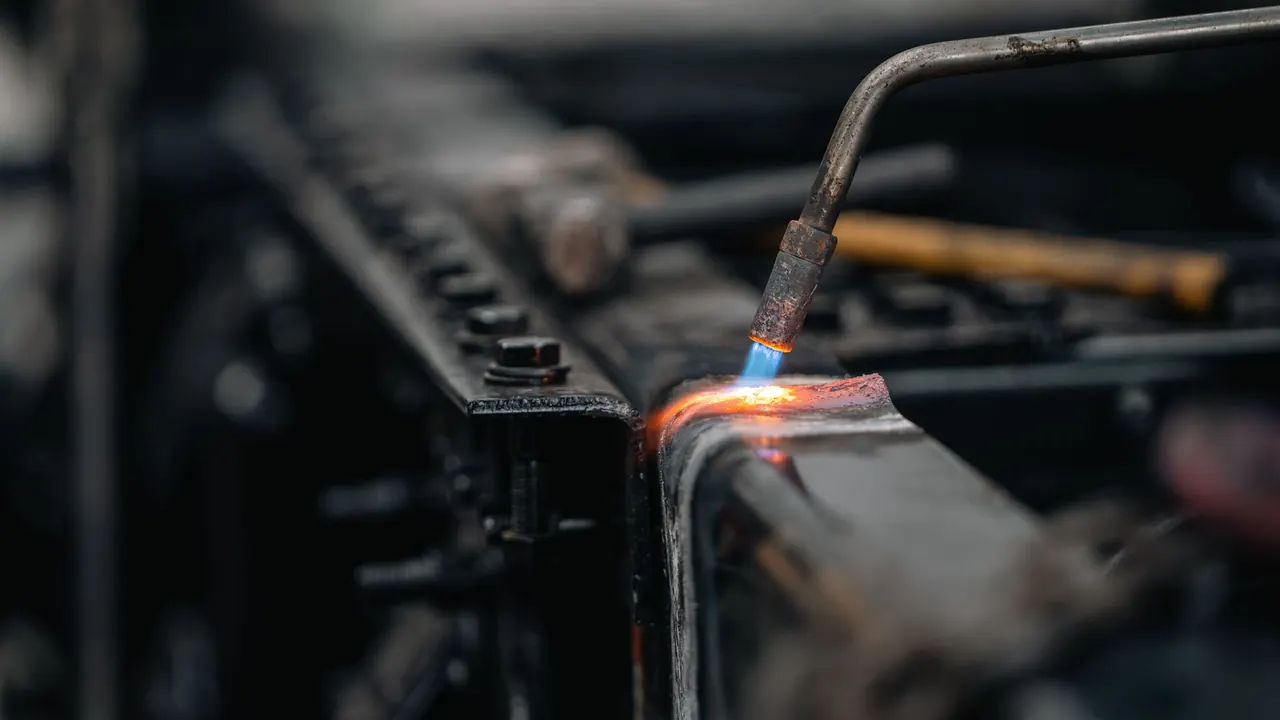
We pressure-test with nitrogen, sweep joints with an electronic leak detector, and repair the flare or braze joint that is leaking. Then we evacuate with a vacuum pump and recharge by weight to the nameplate charge. No topping off a leaking system.
A dirty evaporator coil and blower wheel cut airflow and freeze the coil. We clean both, straighten bent fins with a fin comb, and flush the condensate drain line. This alone restores capacity on a lot of mini splits that seem to be failing.
Run capacitors, thermistors, control boards, and drain pumps are common failures on ductless heads. We carry the common ones on the truck and replace them with the correct rating. A wrong capacitor is a callback waiting to happen.
We run the unit in heat, check the reversing valve, and confirm the defrost cycle initiates and terminates correctly. If you have a cold-climate model, we verify it is set up to run below freezing. This is what keeps you warm in January.
The approach is the same for a home and a business. What changes is the access, the schedule and who needs the paperwork.
We repair ductless heads in condos, greystones, and two-flats across Chicago. You get a tech who tests the system and explains the fix before starting.
We service ductless systems in offices, salons, and small retail spaces. Work is scheduled around your hours so customers and staff are not disrupted.
A plain-language look at what Ductless Mini-Split Repair involves and when it is needed.
See how it worksDuctless mini split repair Chicago IL is the diagnostic and mechanical work that restores a wall-mounted or ceiling-cassette heat pump system to full heating and cooling capacity. That means pulling the front panel, checking the evaporator coil for frost, testing the run capacitors and blower motors, and verifying refrigerant charge with a manifold gauge set before we add a single ounce of R-410A or R-32. We also clear clogged condensate drain lines and clean the blower wheel, because a dirty wheel throws off airflow and freezes the coil.
Chicago ductless AC repair calls spike in July and August when a unit that ran fine in June starts blowing 80-degree air. The culprit is usually a slow refrigerant leak at a flare fitting, a failed capacitor, or a condenser coil packed with cottonwood seed and alley dust. We also see mini split heat pump repair Chicago, Illinois calls in January when a defrost board fails and the outdoor unit ices into a solid block. If you searched for ductless mini split repair near me Chicago IL, we cover every neighborhood from River North to Rogers Park.
A ductless mini split fails for a reason, and finding that reason is the repair.
No mystery, no waiting around. Here is the sequence from your first call to the moment cold air comes back.
You call (312) 638-0812 and describe the symptom: warm air, water on the floor, ice on the coil, or a unit that will not turn on. We ask for the brand, the number of indoor heads, and when it last worked. That five-minute conversation tells us which parts to load and whether you need a prompt ductless mini split repair River North Chicago slot or a next-morning appointment.
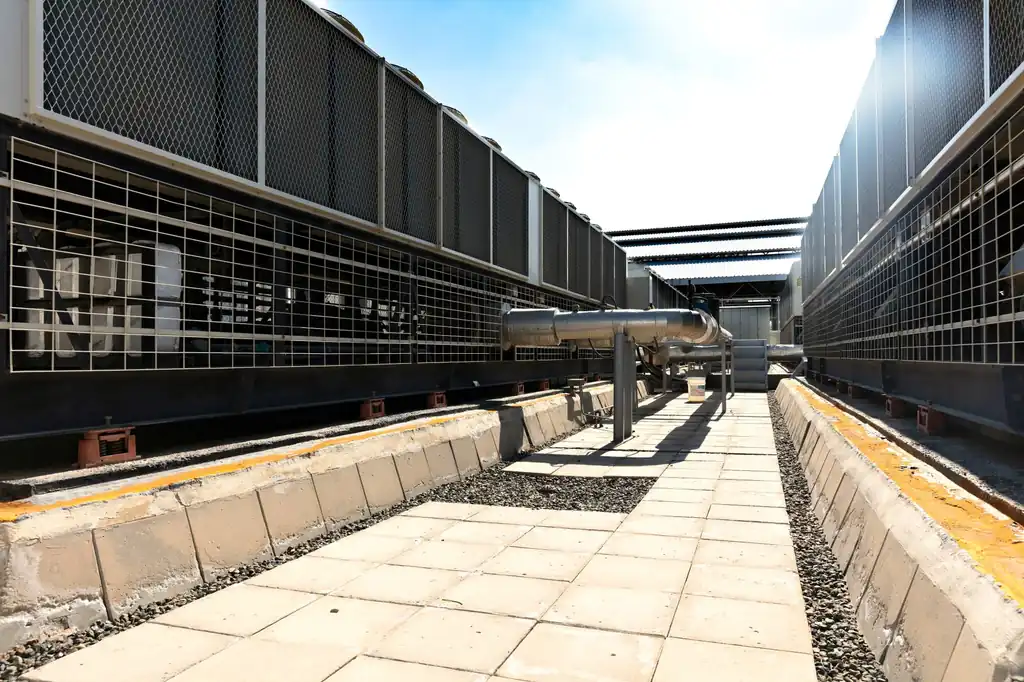
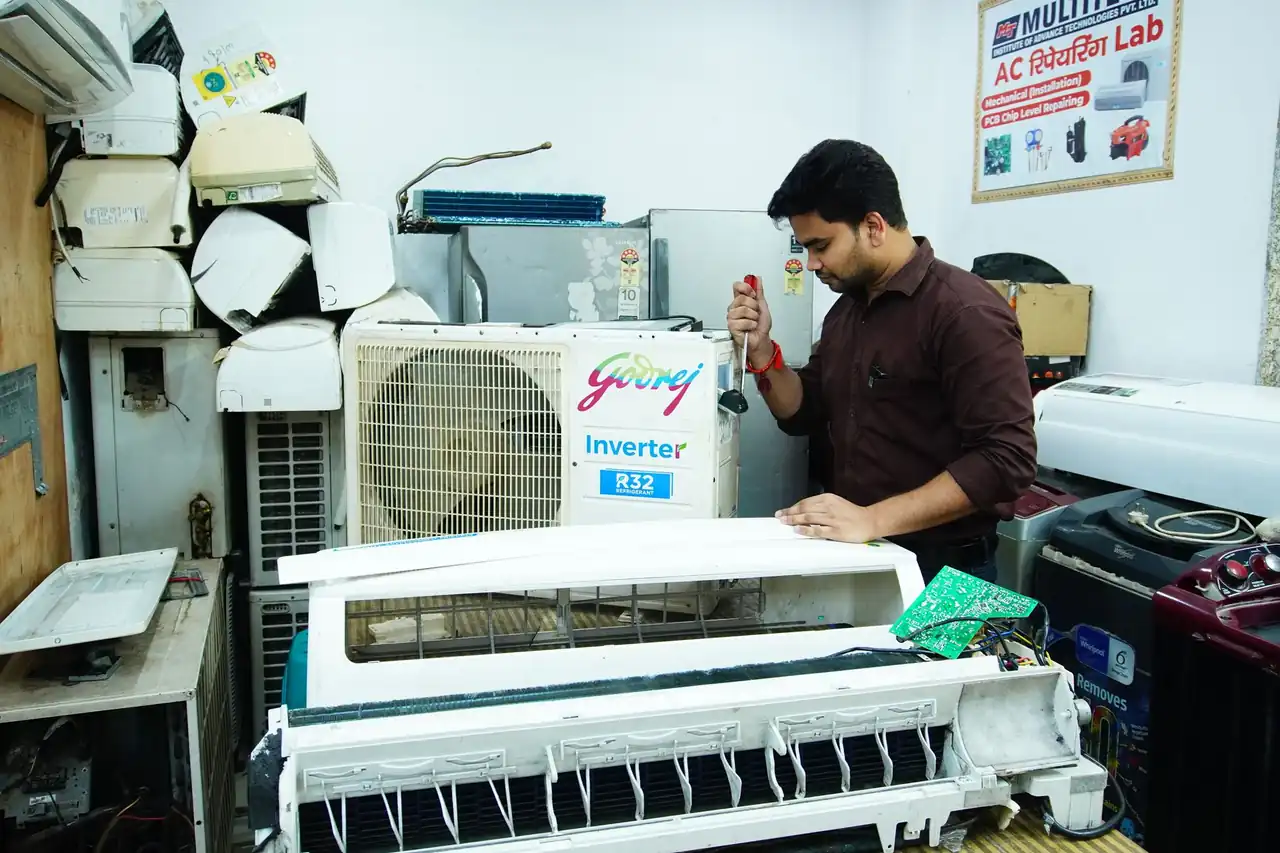
The tech arrives, lays drop cloths, and pulls the front panel. We check line voltage with a digital multimeter, test the run capacitor, inspect the evaporator coil for frost, and read pressures with a manifold gauge set. You get a plain-English explanation of what failed and what it takes to fix it, with the price before we start.
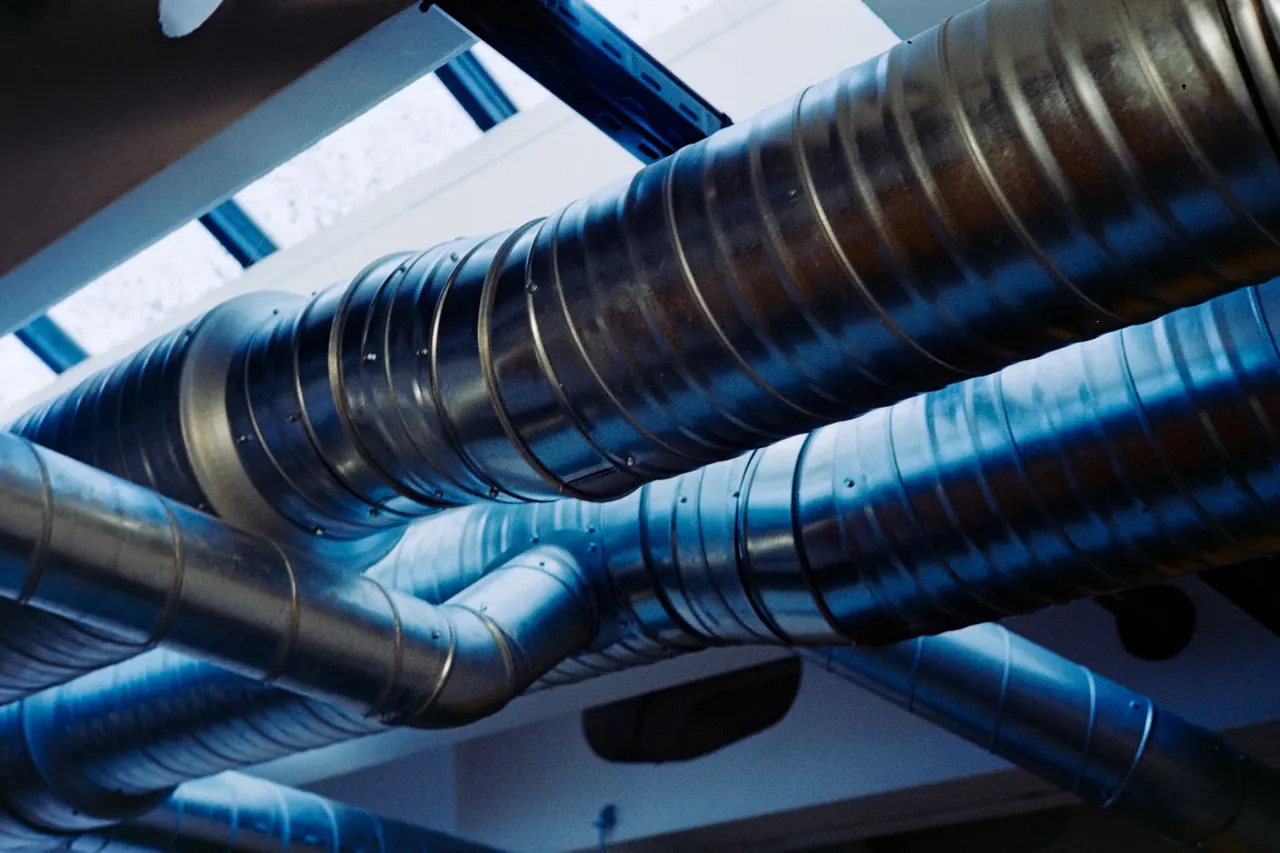
Once you approve, we replace the failed part, repair any refrigerant leak at the flare or braze joint, and evacuate the line set with a vacuum pump. Refrigerant goes back in by weight, not by gauge guesswork. A typical capacitor or board swap takes 60 to 90 minutes; a leak repair and recharge runs two to three hours.
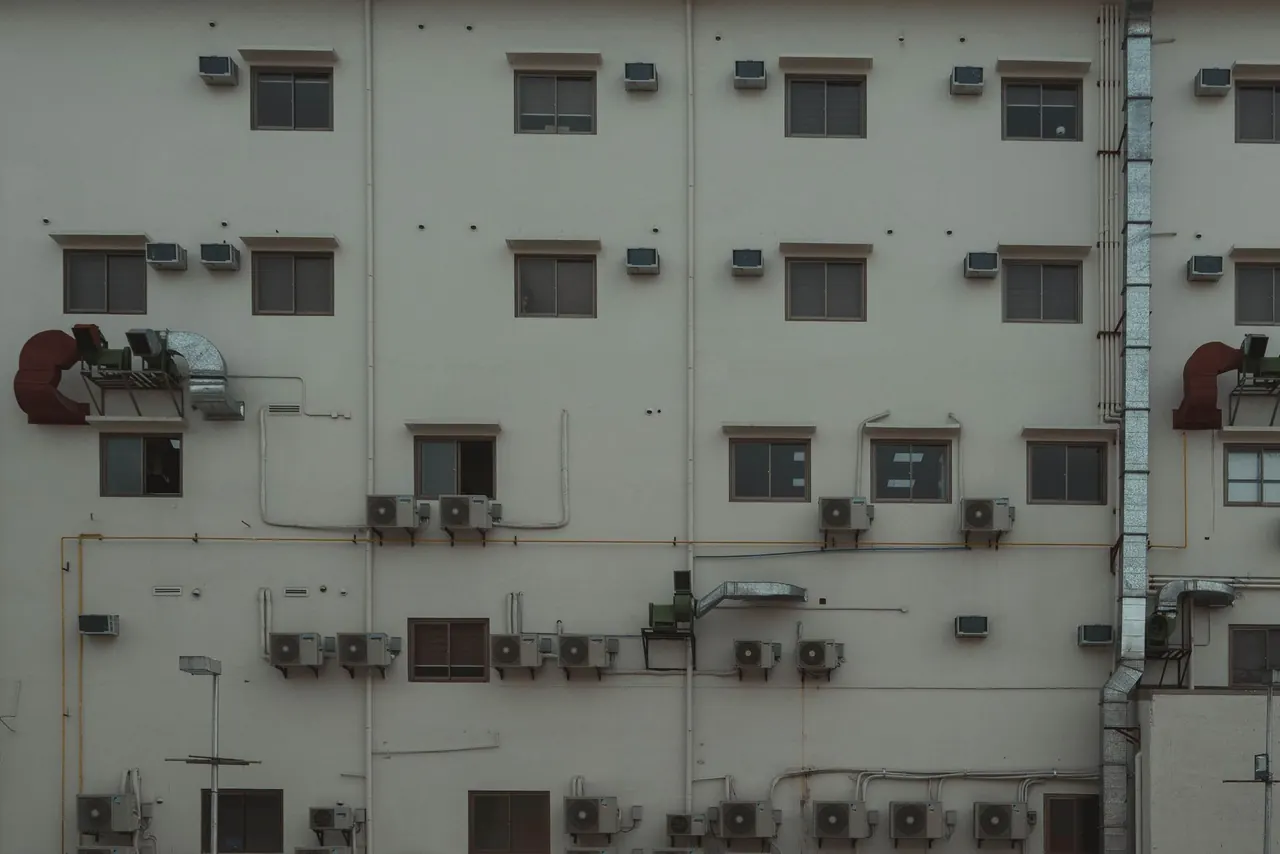
We clear the condensate drain line, clean the blower wheel and coil with a fin comb and coil cleaner, and check the drain pan slope. Then we run the unit in cooling and heating, measure supply-air temperature split, and confirm the outdoor unit cycles correctly. You watch the numbers with us.
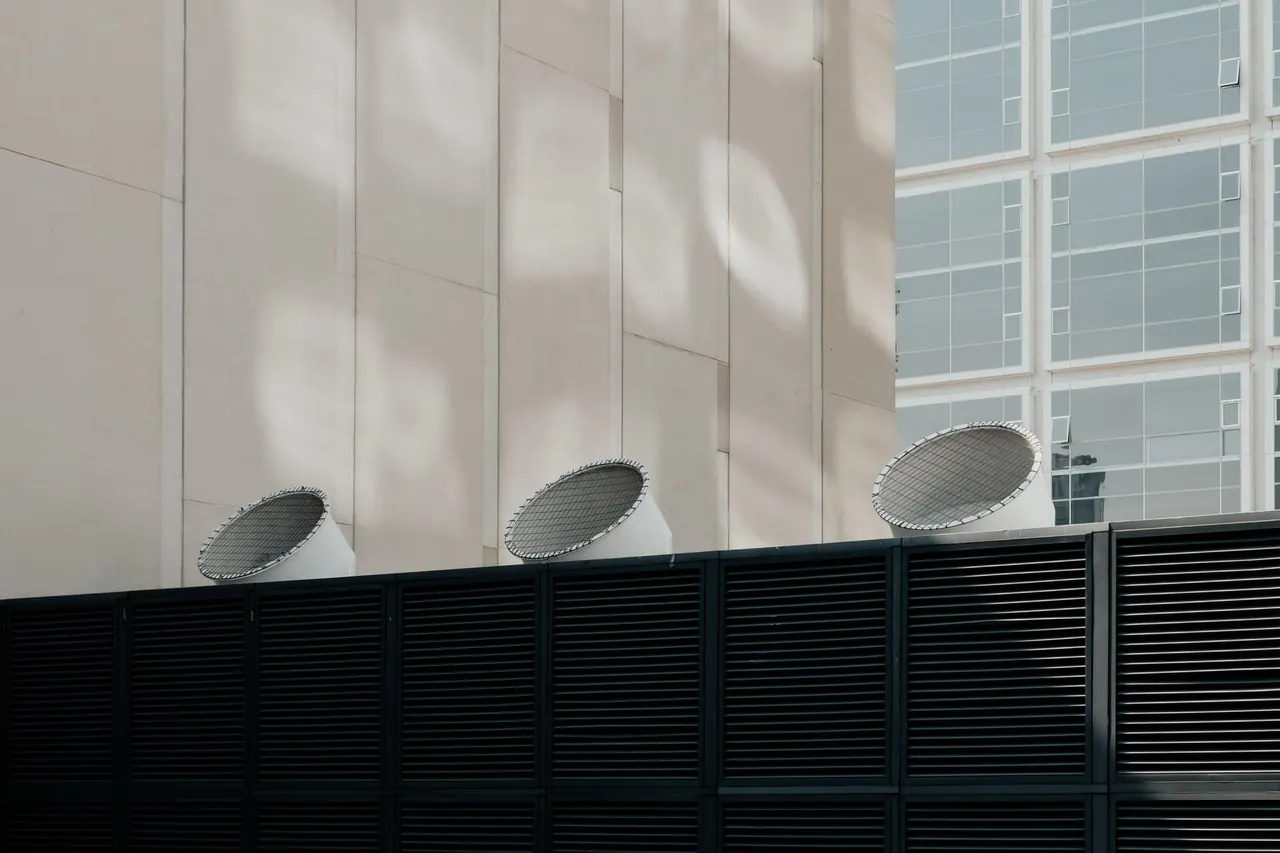
Before we pack up, we show you the old part, explain what caused the failure, and note the filter size and cleaning schedule for your head units. You get a written service log with the pressures, temperatures, and parts used. Any follow-up question is a phone call away.
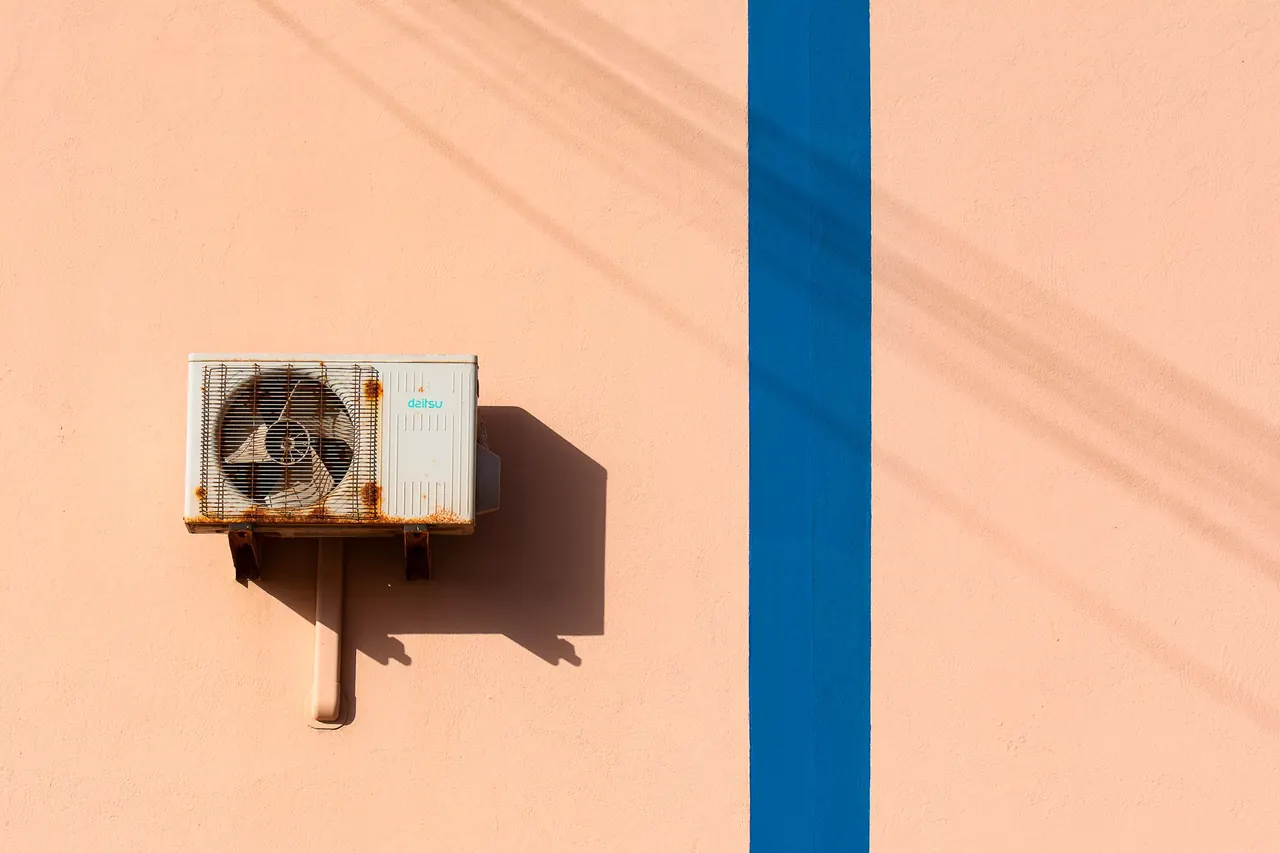
Move across a circle, or focus it and press Enter, for an illustrative thermal view of the photograph.
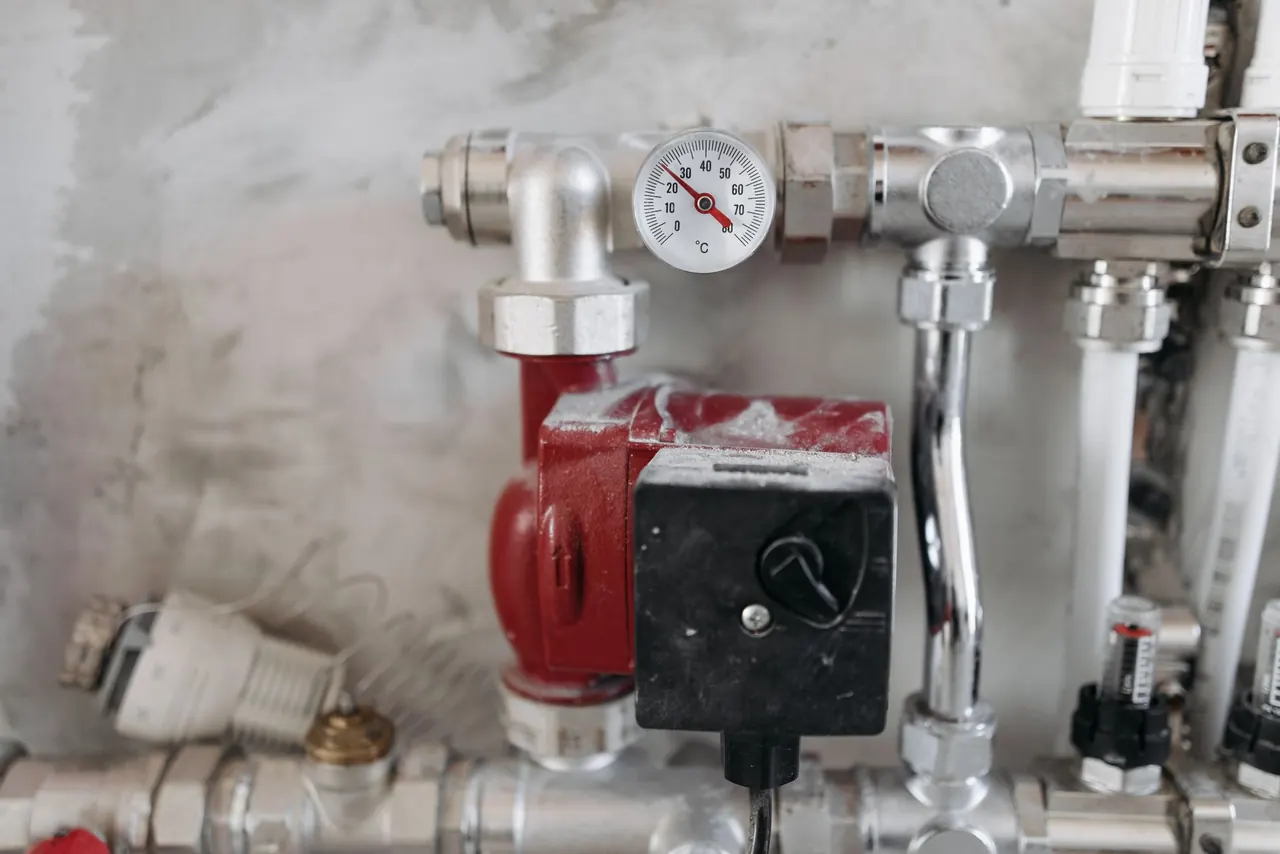
Reads suction and head pressure so we can tell a low charge from a restriction or a failing compressor. We compare readings against the manufacturer's chart for the outdoor temperature.
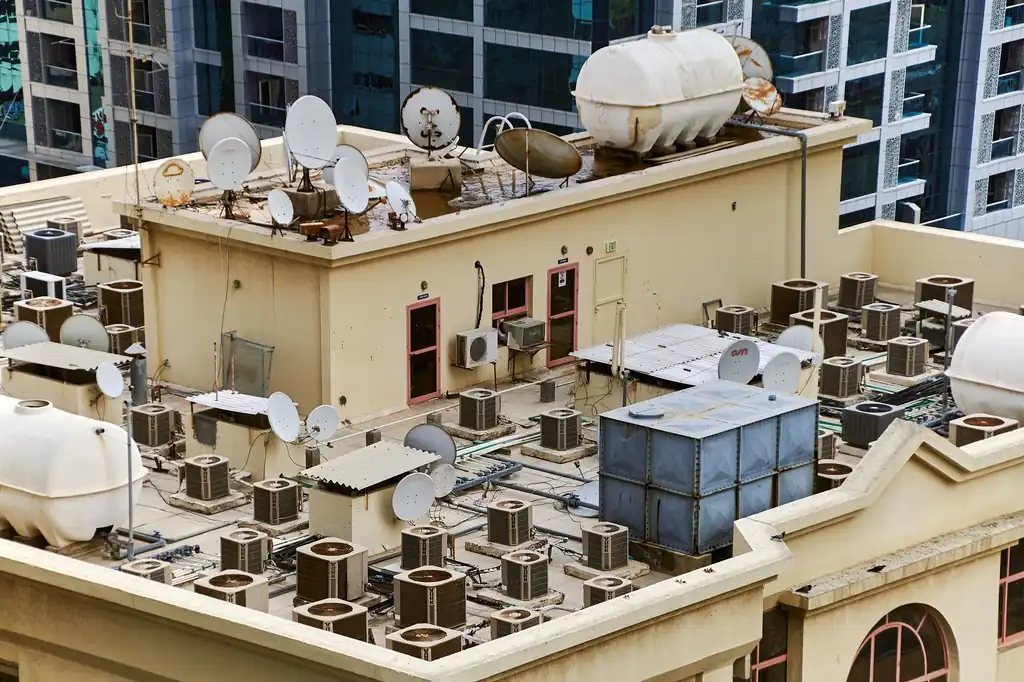
Sniffs flare fittings, braze joints, and Schrader ports for the slow leaks that drain a mini split charge over a season. Far more reliable than soap bubbles on a hidden joint.
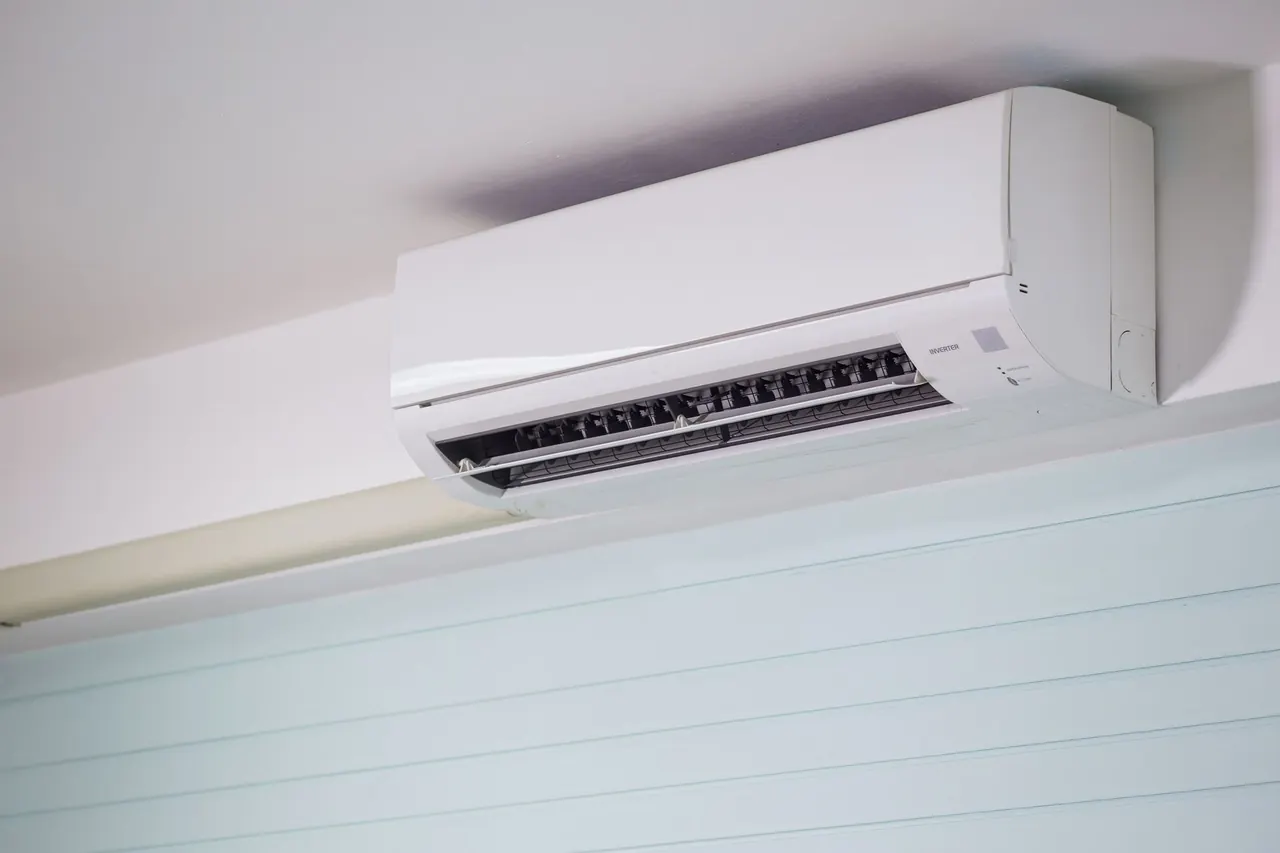
Pulls the system down to 500 microns after a repair and recovers old refrigerant properly. Skipping this step leaves moisture in the line set and kills compressors.
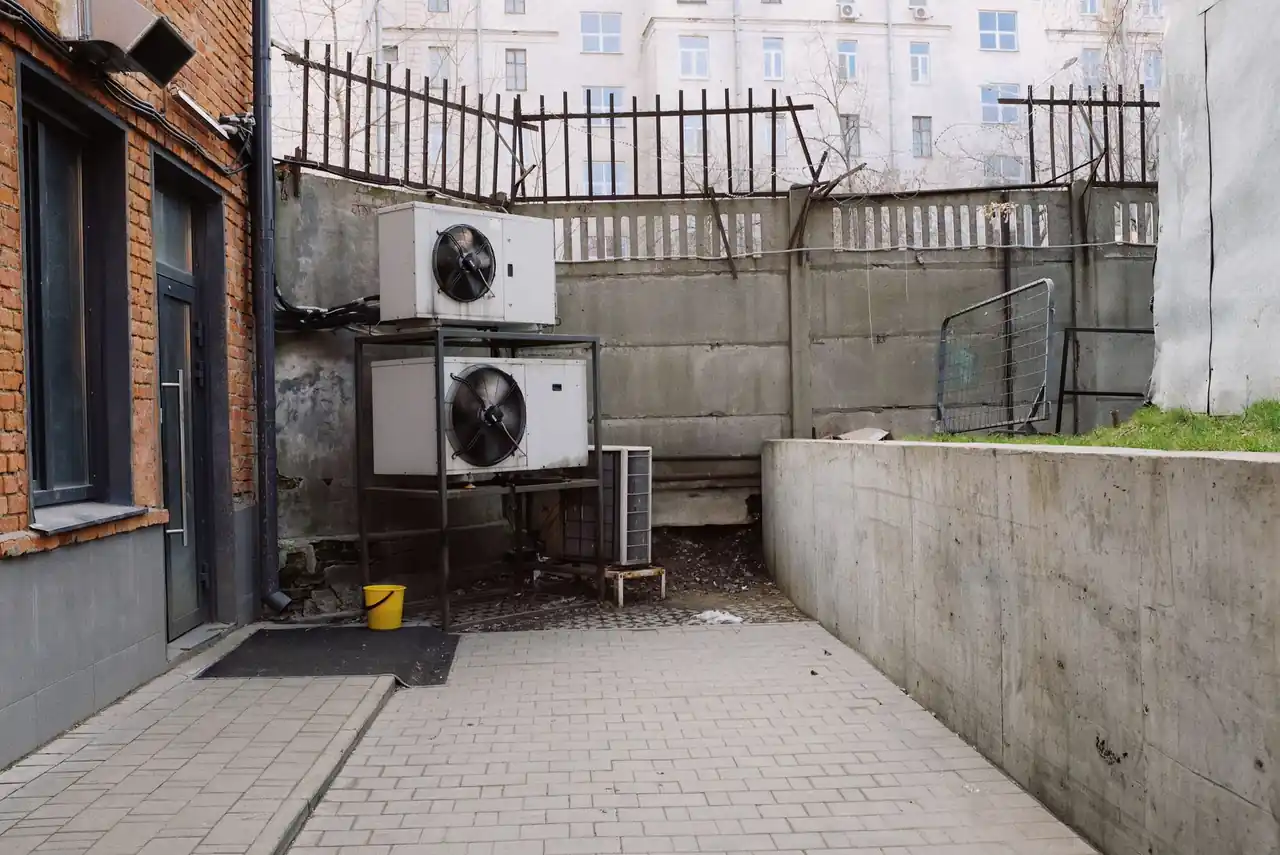
Tests capacitors, thermistors, and control board outputs. A capacitor that reads low microfarads explains a lot of no-cool and no-heat calls in one measurement.
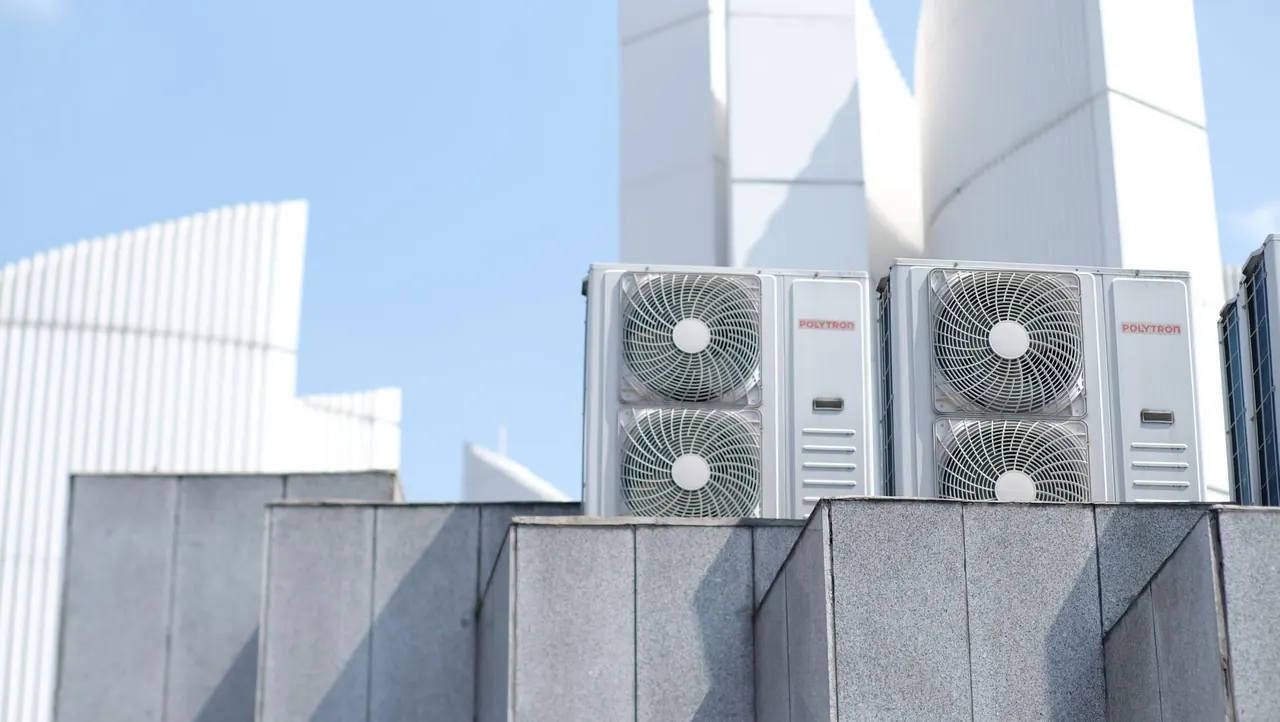
Straightens bent condenser fins and lifts the dust and cottonwood seed that choke airflow. Clean coils are the difference between a system that keeps up and one that freezes.
Thermal views are illustrative, generated from the photographs.
Spots temperature differences across the coil and at joints, which points to a blocked circuit or a hidden leak without tearing the system apart.
We recover, evacuate, and recharge by weight, and we document the charge so the next tech knows exactly what is in the system.
When a mini split never kept up from day one, the problem is often sizing. We run a Manual J load calculation on the zone to see whether the head was matched to the room, then advise on the fix.
We measure return and supply air temperatures and compare the split to spec. A split that is too small means low charge or airflow; too large means an overcharge or a duct issue at the head.
Before recharging, we isolate the circuit and pressurize with dry nitrogen. If it holds, the repair is sound. If it drops, we keep looking. This is how we avoid callbacks on leak repairs.

Outcome: Cold air restored quickly, with the paperwork your building manager needs on file.
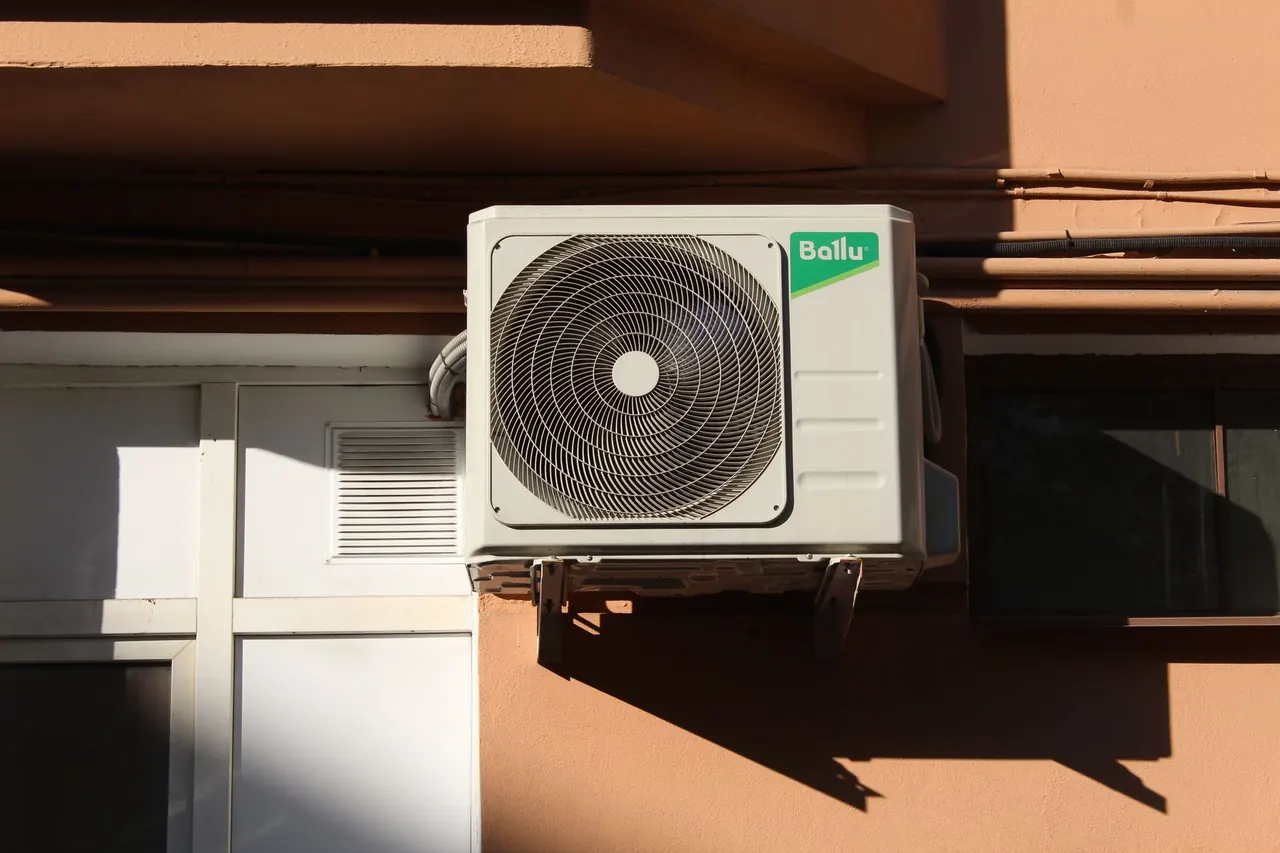
You own a two-flat in Logan Square and the mini split in the upstairs unit is dripping water onto the ceiling below.
We trace the leak to the condensate line or drain pan, clear the blockage, and check the other unit's drain while we are there. If the pan is cracked, we replace it with a matching part.
Outcome: The drip stops, the ceiling dries out, and both units drain cleanly for the rest of the season.
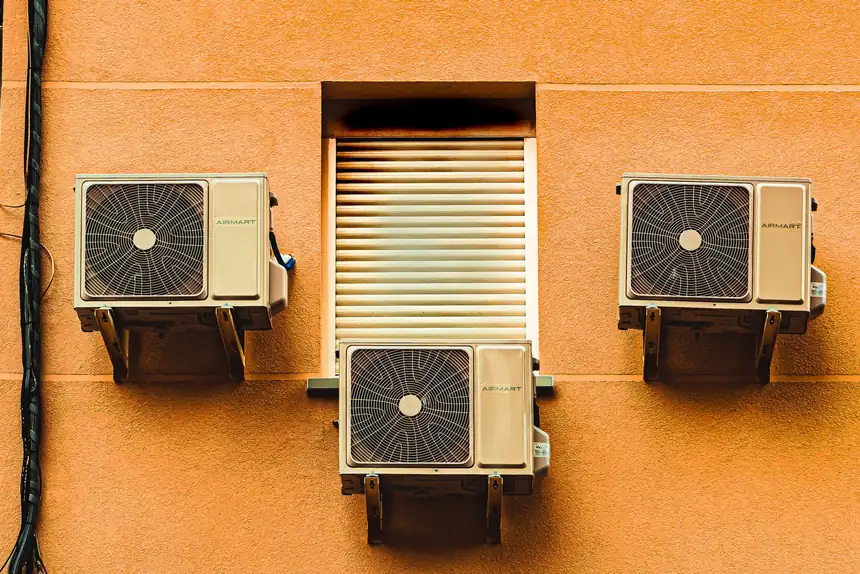
A home office in Lakeview relies on a Mitsubishi mini split year-round, and it started short-cycling and blowing lukewarm air in October.
We test the thermistor, clean the coil and blower wheel, and check the charge. Short cycling in fall is often a dirty coil or a sensor reading out of range, not a compressor problem.
Outcome: The unit runs steady cycles again, holds temperature within a degree, and is ready for heating season.
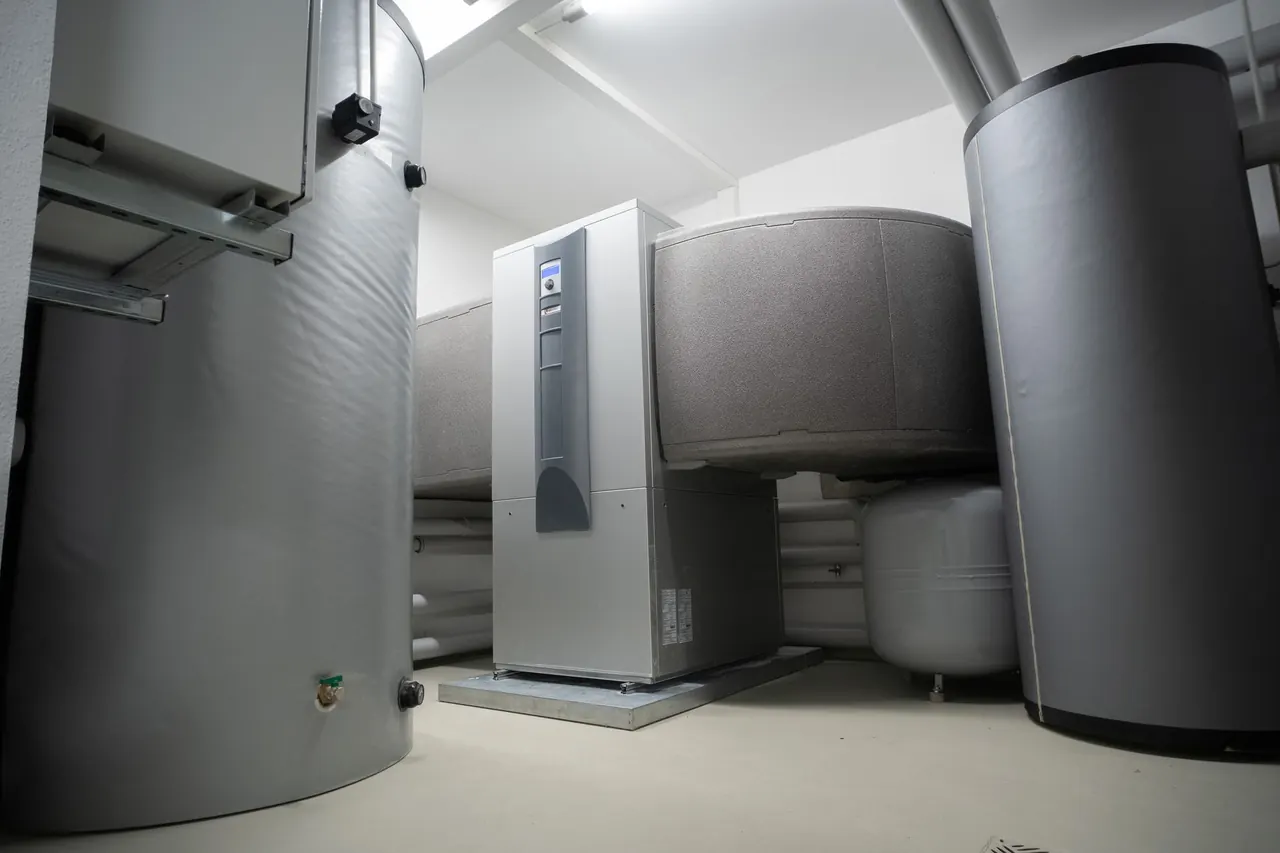
Your Daikin multi-zone system in Uptown has one head that ices over every few weeks while the others run fine.
We pressure-test that zone, check the electronic expansion valve at the branch box, and verify airflow through the iced head. A restricted expansion valve starves the coil and causes freeze-up.
Outcome: The zone stops icing, temperatures even out across all rooms, and you avoid a compressor replacement.
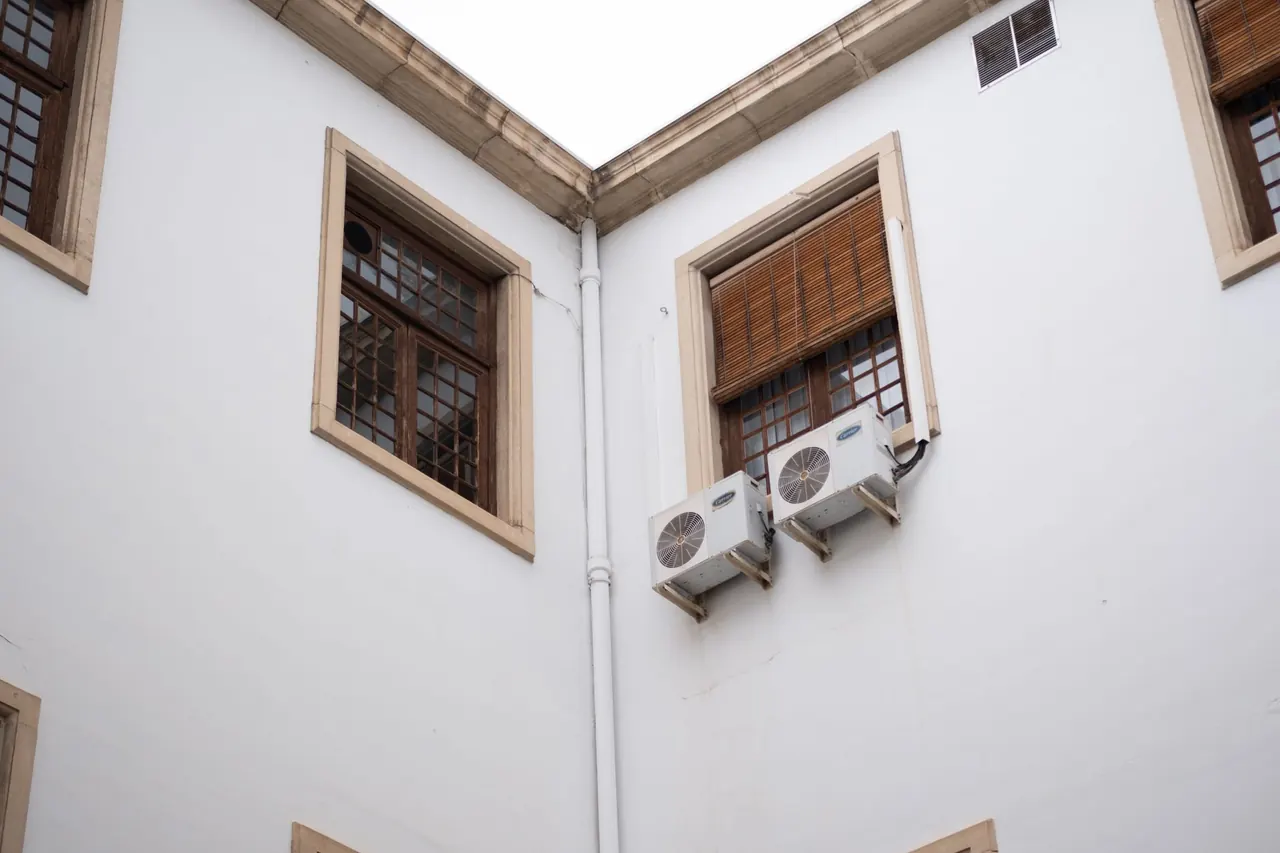
Chicago is hard on ductless systems. Lake-effect humidity in summer means condensate lines clog faster here than in drier climates, and our winters push heat pumps into defrost cycles for weeks at a time. The building stock matters too: greystones and two-flats often have mini splits added as a supplement to boiler or radiator heat, so we frequently work alongside hydronic systems.
High-rises in River North and the Gold Coast usually require coordination with building management for roof access and refrigerant work, and we carry the EPA Section 608 credentials those buildings ask for. Our trucks stock R-410A and R-32 refrigerant, flare fittings, and control boards for the brands we see most, which keeps most ductless mini split service Chicago IL calls to a single visit.
When you search for mini split installation and repair Chicago Illinois, you get a tech who knows the difference between a building that needs a cold-climate heat pump and one that just needs a clean coil.
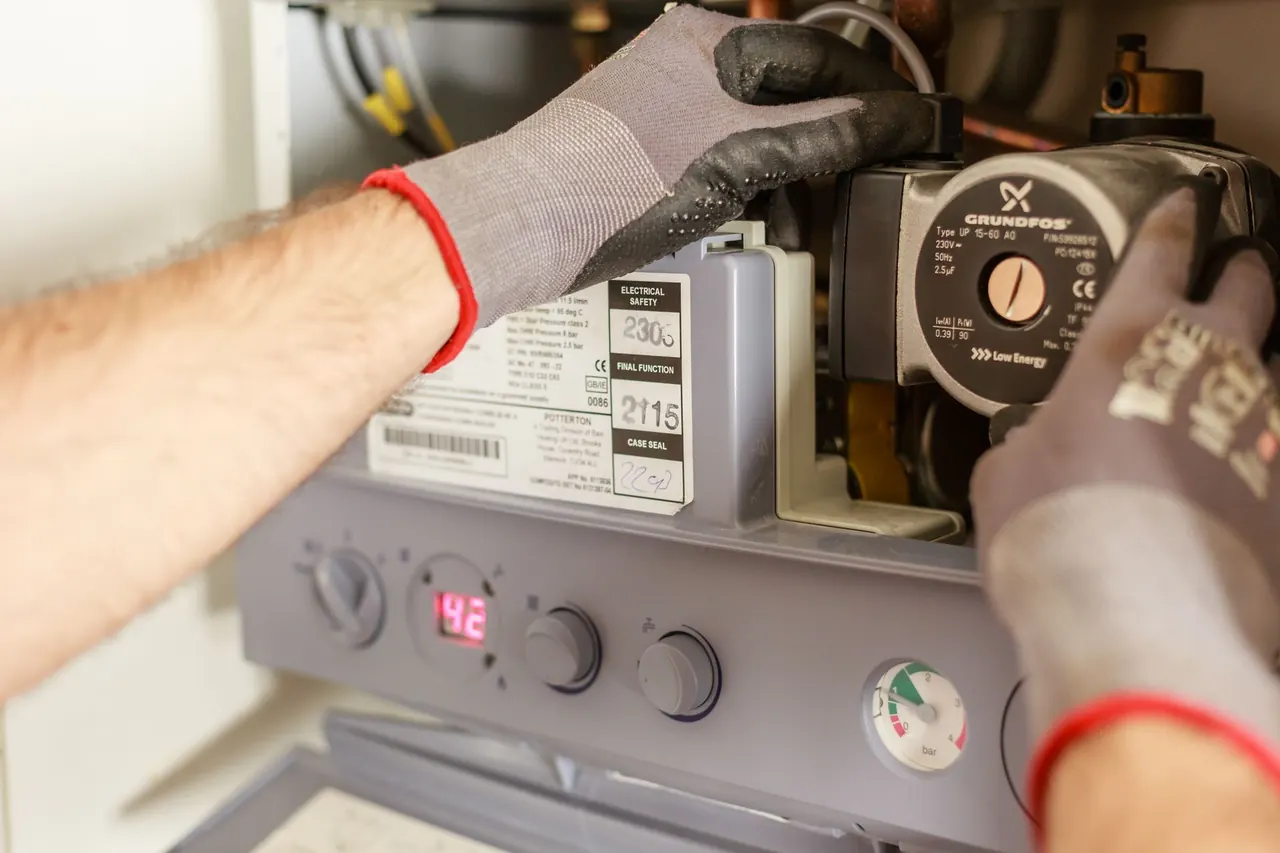
Before: A Mitsubishi head in a Lakeview bedroom ran all night but never cooled the room. The evaporator coil was a solid block of ice and the condensate line was clogged, so meltwater had nowhere to go.
After: We thawed the coil, cleared the drain, cleaned the blower wheel, and verified the charge. Supply air dropped from 68 to 52 degrees, and the unit held temperature within one degree all night.
Replace or clean the filter every 30 days in cooling season and have the drain flushed each spring. A clean filter is the cheapest insurance against another freeze-up.
Before: A Daikin single-zone unit in a River North condo lost cooling capacity over two summers. Each season someone topped off the refrigerant, and each season it leaked back out within months.
After: We pressure-tested with nitrogen, found the leaking flare at the outdoor unit, re-flared the connection, evacuated to 500 microns, and recharged by weight. The system has held its full charge since.
Ask for a pressure check at the start of each cooling season. A slow leak shows up as a small pressure drop long before you feel warm air.
Before: A cold-climate heat pump in Rogers Park iced over during a January cold snap and stopped heating. The defrost sensor had failed, so the outdoor coil never went into a thaw cycle.
After: We replaced the defrost sensor, tested the reversing valve and crankcase heater, and confirmed the unit completed a full defrost cycle in under 12 minutes. Heat output returned to spec.
Keep snow and ice clear of the outdoor unit and schedule a fall check of the defrost controls. Catching a bad sensor in October beats a no-heat call in January.
Ductless systems fail in predictable ways, and most of them trace back to airflow, charge, or a control component. Here are the calls we run most often.
Cold air back, charge holding, and a system that runs quiet.
Most no-cool calls are a capacitor, a dirty coil, or a low charge, and we carry all three on the truck. Our average diagnostic runs 45 minutes, and roughly 8 out of 10 mini splits are blowing cold again before we leave. If a part has to be ordered, we set a return window quickly.
We pressure-test with nitrogen and sweep every flare and brazed joint using an electronic refrigerant leak detector. A mini split that loses charge every season has a leak, and topping it off without finding the source is money down the drain. We repair the joint, pull a vacuum with a vacuum pump, and weigh in the exact charge.
Multi zone mini split repair Chicago often comes down to one head doing all the work while another starves. We check line set lengths, verify the branch box, and confirm each indoor unit gets its share of refrigerant. You get even temperatures room to room and a system that runs at a whisper instead of a rattle.
Chicago winters push a cold-climate heat pump hard, and a defrost failure leaves you with a frozen outdoor unit and no heat. We test the reversing valve, defrost sensor, and crankcase heater before the first hard freeze. That way your mini split heat pump repair Chicago, Illinois call in January is a tune-up, not an emergency.
Clear records you can keep and share.
Pressures, temperatures, and parts used
Old component kept for you to see
Size and replacement schedule
Condition and flow after flush
Most mini split failures are a single component, and repairing that component is the right call. Here is how we think about it.
One failed part on an otherwise sound system
Aging system with a repeat issue
System where repair cost approaches new equipment
A list like this tells people straight away whether you cover their street. Not listed? Call and ask: it only takes a minute.
Based in Chicago and covering the places around it. Pick one for local details.
The diagnostic fee covers the first hour of testing and comes off the repair if you approve the work. Multi-zone systems and hard-to-reach outdoor units on high-rise rooftops can push the number higher.
Nine times out of ten it is a failed run capacitor, a dirty evaporator coil, or a slow refrigerant leak at a flare fitting. A clogged condensate drain line can also trip the float switch and shut the unit down. We test all four in the first 45 minutes and tell you which one it is before we quote the repair.
We do, and we cover every neighborhood from River North and the Gold Coast up through Lakeview, Uptown, and Rogers Park. Call (312) 638-0812 and we will give you an arrival window.
Yes, if the system is a cold-climate model and the defrost cycle is working. Chicago winters drop into single digits, and a standard heat pump loses capacity fast below 5 degrees. We test the reversing valve, defrost sensor, and crankcase heater each fall so your mini split heat pump repair Chicago, Illinois call does not come in the middle of a cold snap.
Other services from the same team.
Call (312) 638-0812 and describe what your system is doing. We will tell you what it likely is, what it costs to fix, and when we can be there.
Call (312) 638-0812 or email info@hvacchicagopro.com and tell us what your system is doing. If you leave a message after hours, we'll call you back with a plan.