For Homes
We fix no-heat calls, short cycling, and furnaces blowing cold air in houses and two-flats. You get the diagnosis and the price before we start.
- No heat on a cold night
- Furnace short cycles
- Cold air from vents
When your furnace quits on a 12-degree Chicago night, you need furnace repair Chicago IL that answers the phone and shows up. We diagnose no-heat calls, short cycling, and furnaces blowing cold air across Cook County. Our heating system repair Chicago IL techs carry the parts to fix most systems on the first visit, so your family sleeps warm tonight.
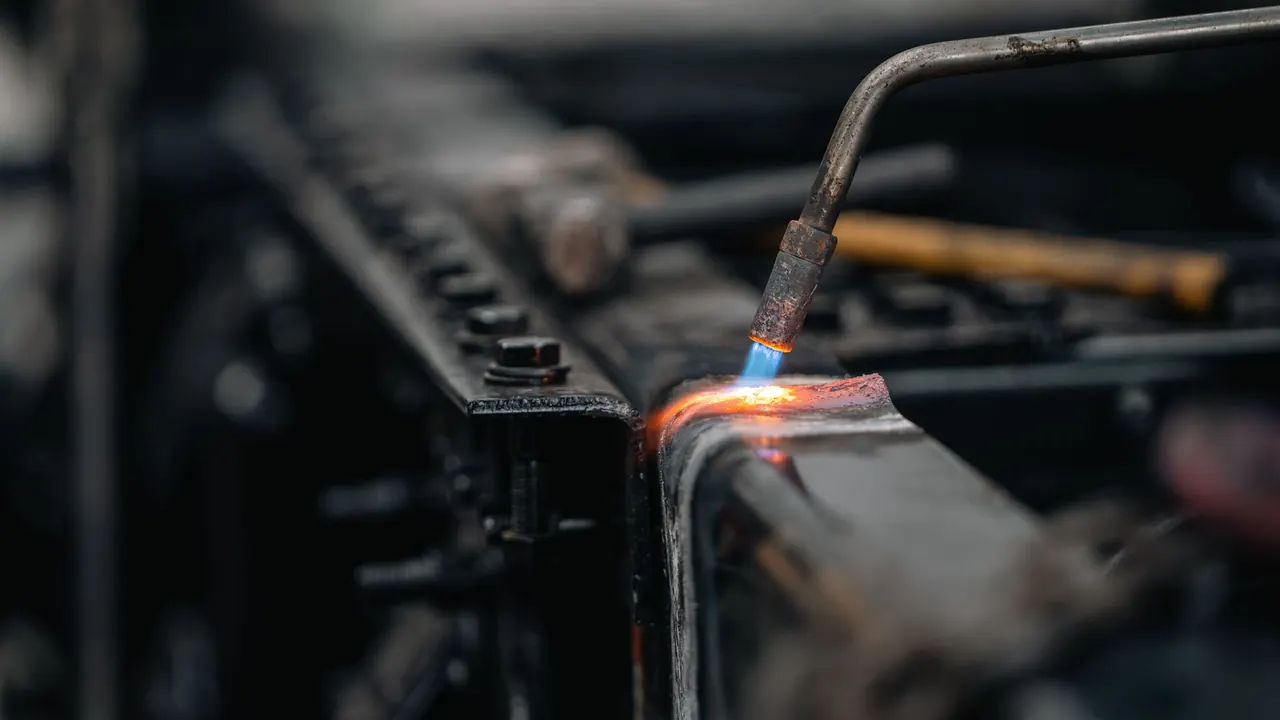 Combustion testIgniter checkStatic pressure
Every furnace repair Chicago IL call includes a full diagnostic, a written price before work starts, and a safety test when we finish. We do not charge extra for the diagnosis if you approve the repair. Here is what is standard on the job.
We test the thermostat, igniter, flame sensor, gas valve, inducer motor, and blower with a digital multimeter. We read flue gases with a combustion analyzer and check static pressure across the blower. This takes 30 to 45 minutes and tells us exactly what failed.
We inspect the heat exchanger for cracks with a thermal imaging camera and a visual scope. A cracked exchanger is a carbon monoxide risk and changes the repair conversation entirely. We document what we find with photos.
We replace the failed part with an OEM or equivalent component. Common swaps include hot surface igniters, flame sensors, run capacitors, gas valves, and inducer motors. We test fire the furnace three times after the swap.
We clean the burners, flame sensor, and igniter as part of the repair. A dirty flame sensor is one of the most common causes of a furnace blowing cold air. Cleaning it during the repair prevents a callback next month.
We verify temperature rise at the supply and return, confirm the flue is drafting, and check every gas joint for leaks. You get the readings in writing. If anything is outside spec, we tell you before we leave.
We check your air filter and measure static pressure to confirm the system is moving the air it should. A clogged air filter chokes airflow and causes short cycling. We will show you the reading and recommend a filter size and change schedule.
The approach is the same for a home and a business. What changes is the access, the schedule and who needs the paperwork.
We fix no-heat calls, short cycling, and furnaces blowing cold air in houses and two-flats. You get the diagnosis and the price before we start.
We service multi-unit buildings, high-rise mechanical rooms, and small commercial spaces. We coordinate access with tenants and document every repair for the owner.
A plain-language look at what Furnace Repair involves and when it is needed.
See how it worksFurnace repair Chicago IL is the diagnostic and mechanical work of finding why a gas or electric furnace stopped heating and correcting the failed component. A proper call starts with a combustion analyzer reading at the flue and a static pressure check across the blower. From there we test the hot surface igniter, flame sensor, gas valve, inducer motor, and run capacitor with a digital multimeter. Most no-heat calls trace back to one of those parts, and we carry the common ones on the truck.
Chicago winters push furnaces harder than almost any market in the country. A system that ran fine in October often fails the first week it holds below 20 degrees. If your furnace is not working, repair Chicago service should start with the safety checks first: cracked heat exchanger, blocked flue, and carbon monoxide risk. We see plenty of furnaces blowing cold air because of a dirty flame sensor or a failed igniter, and we see short cycling from an oversized unit or a clogged air filter.
A furnace repair starts with readings, not parts. Test first, then fix what failed.
You should know exactly what happens from the moment you call until the heat is back on. Here is the sequence we run on every furnace repair Chicago IL job.
We ask what the furnace is doing: no heat at all, short cycling, or blowing cold air. That tells us which parts to load on the van. You get a two-hour arrival window and a text when the tech is en route. Most calls get scheduled quickly.
The tech checks the thermostat first, then pulls the blower door and inspects the heat exchanger for cracks. We test the igniter, flame sensor, and gas valve with a digital multimeter and read flue gases with a combustion analyzer. This takes 30 to 45 minutes.
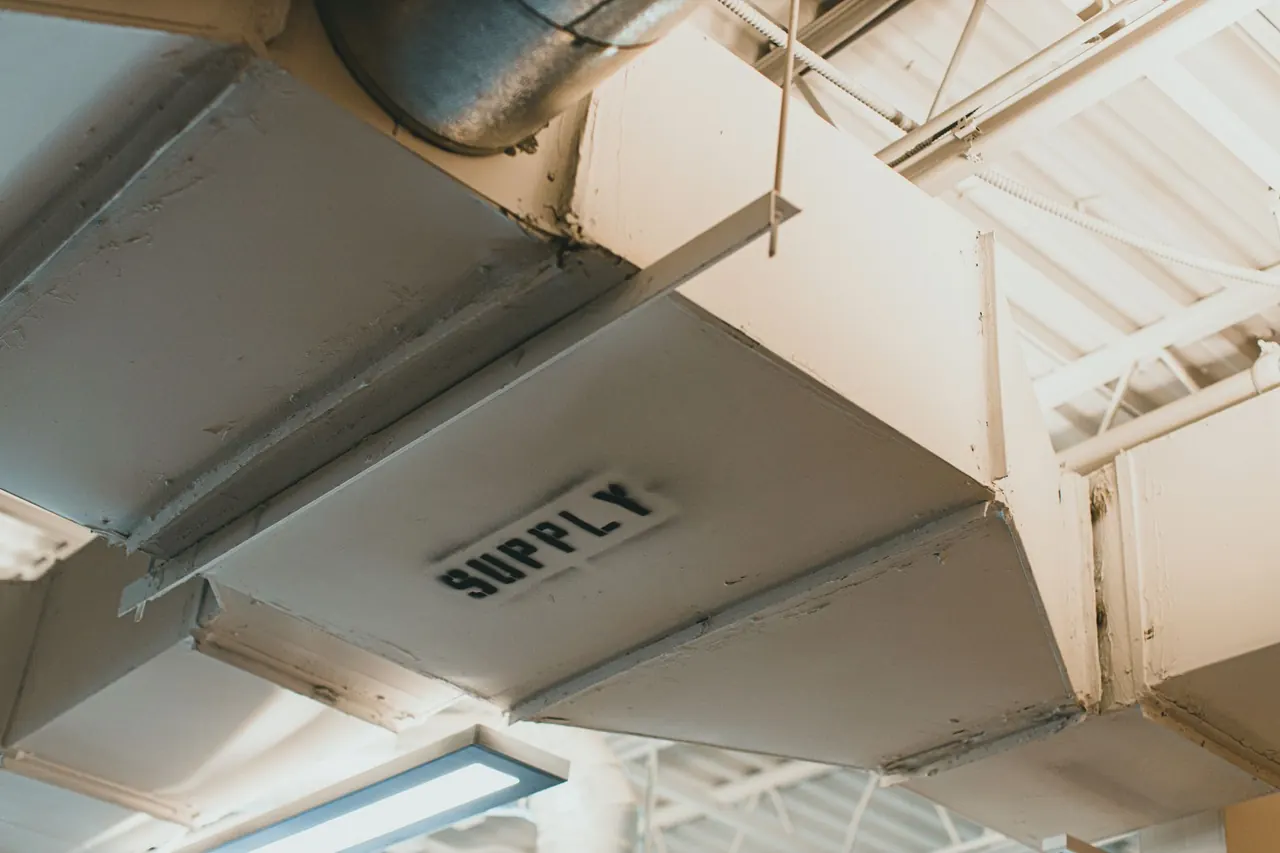
You get the diagnosis in plain language and the repair price before any work starts. If the furnace is past saving, we quote a replacement alongside the repair so you can compare. No pressure either way.
We replace the failed component, clean the flame sensor and burners, and check the inducer motor and blower. A typical igniter or sensor swap takes under an hour. A gas valve or blower motor runs two to three hours. We test fire the furnace three times before we pack up.
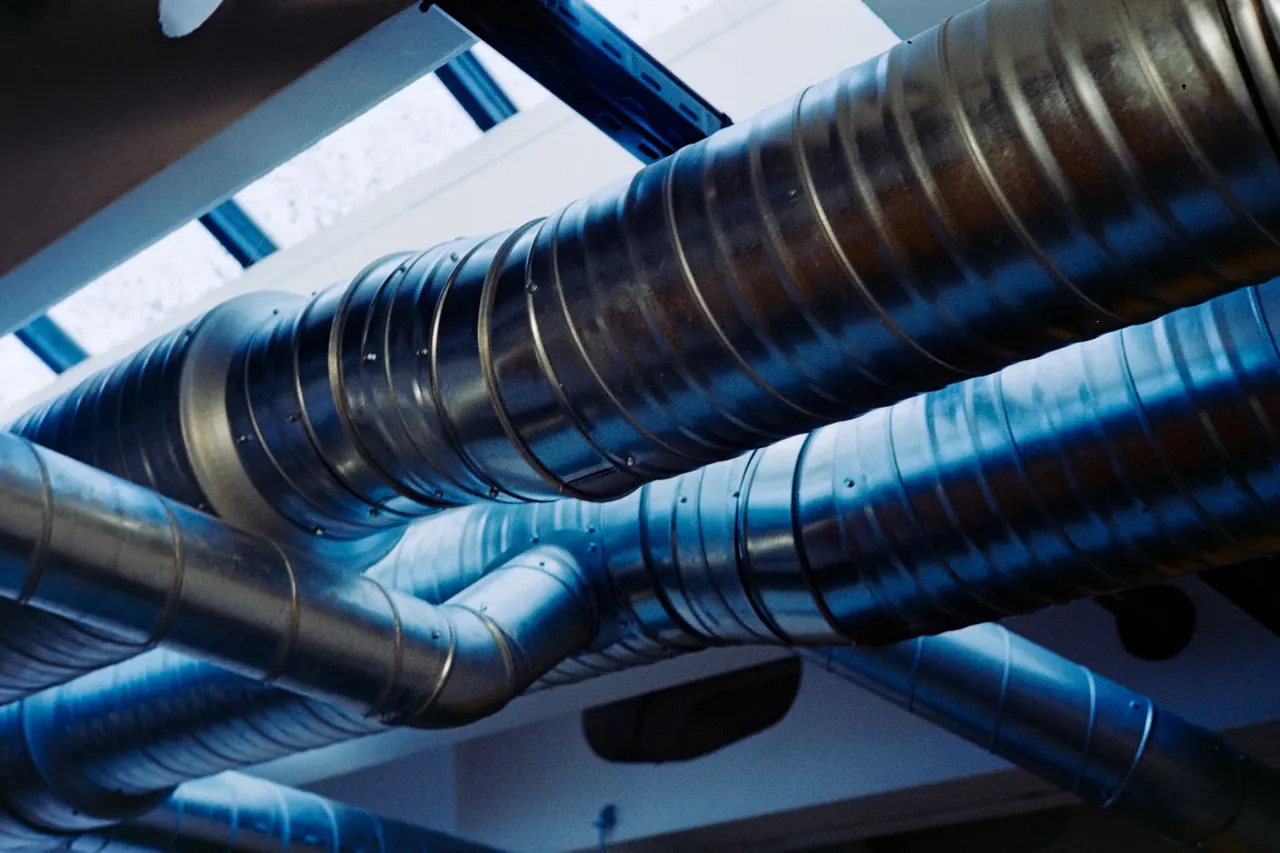
We verify temperature rise at the supply and return, confirm the flue is drafting, and check for gas leaks at every joint. Then we walk you through what failed, why it failed, and what to watch for. You get the parts list and the readings in writing.
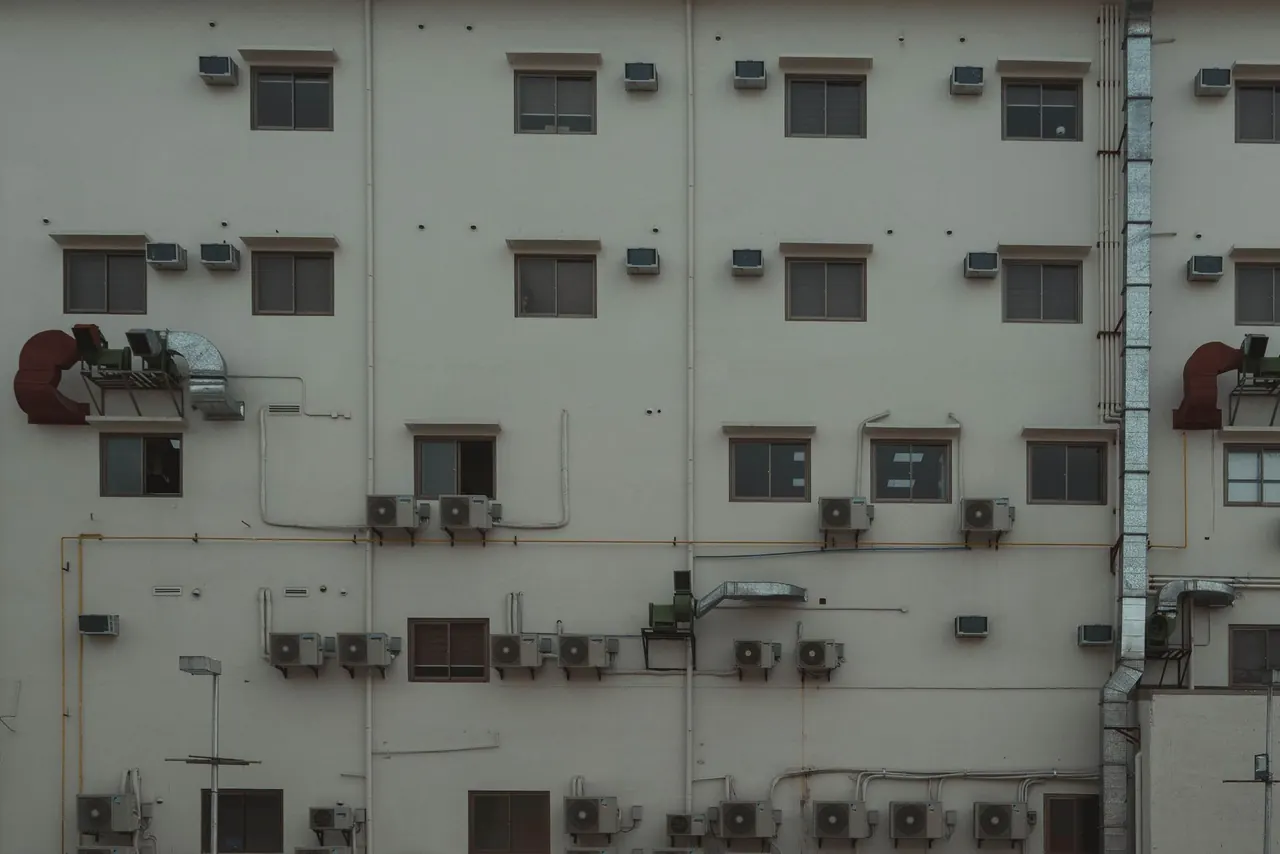
Move across a circle, or focus it and press Enter, for an illustrative thermal view of the photograph.
Reads flue gas oxygen, carbon monoxide, and temperature to confirm the furnace is burning clean and the heat exchanger is not leaking. We take a baseline reading on every call.
Tests the igniter, flame sensor, gas valve, and run capacitor for continuity and voltage. It tells us which component failed instead of guessing.
Scans the heat exchanger and ductwork for hot spots and leaks the eye cannot see. It is how we catch a cracked exchanger before it becomes a safety issue.
Measures gas pressure at the valve and static pressure across the blower. Correct gas pressure keeps the flame stable and the heat output where it should be.
Finds refrigerant leaks on heat pumps and dual-fuel systems that share the same air handler as the furnace.
Thermal views are illustrative, generated from the photographs.
Measures airflow at the registers to confirm the blower is moving the CFM the system was designed for. Low airflow causes short cycling and uneven heating.
We run a room-by-room load calculation before quoting any furnace replacement. It sizes the new unit to the house instead of guessing from square footage. An oversized furnace short cycles and wears out early.
We read flue gases and confirm the chimney is drafting before we call a repair complete. A furnace that burns dirty or backdrafts is a carbon monoxide risk. This step follows ASHRAE Standards.
We pull permits when the job requires one and schedule the inspection sign-off.
We measure supply and return air temperatures and compare the rise to the furnace nameplate rating. If the rise is off, the blower speed or gas pressure needs adjustment. We correct it before we leave.
The furnace quits on the first sub-zero night in January and the house is dropping fast.
We run emergency dispatch for no-heat calls. A tech arrives with igniters, flame sensors, and capacitors on the van. We diagnose, quote the repair, and get the burners lit the same visit whenever the part is on the truck.
Outcome: Heat restored quickly, usually within four hours of your call. You get the failed part and the test readings in writing.
Your furnace is 18 years old and a repair quote is closing in on half the price of a new unit.
We quote the repair and a replacement side by side. If you go with replacement, we size the new furnace with an ACCA Manual J load calculation and match it to your existing ductwork. We handle the permit and the old unit removal.
You manage a multi-unit building in Lakeview and one furnace is down while tenants are calling.
We prioritize occupied-building calls and coordinate access with your tenants. We document the diagnosis with photos and readings so you have a record for the owner. If the building has multiple furnaces, we inspect the others while we are on site.
Outcome: Heat restored for the tenant, a written record for the owner, and a heads-up on any other furnace that is close to failing.
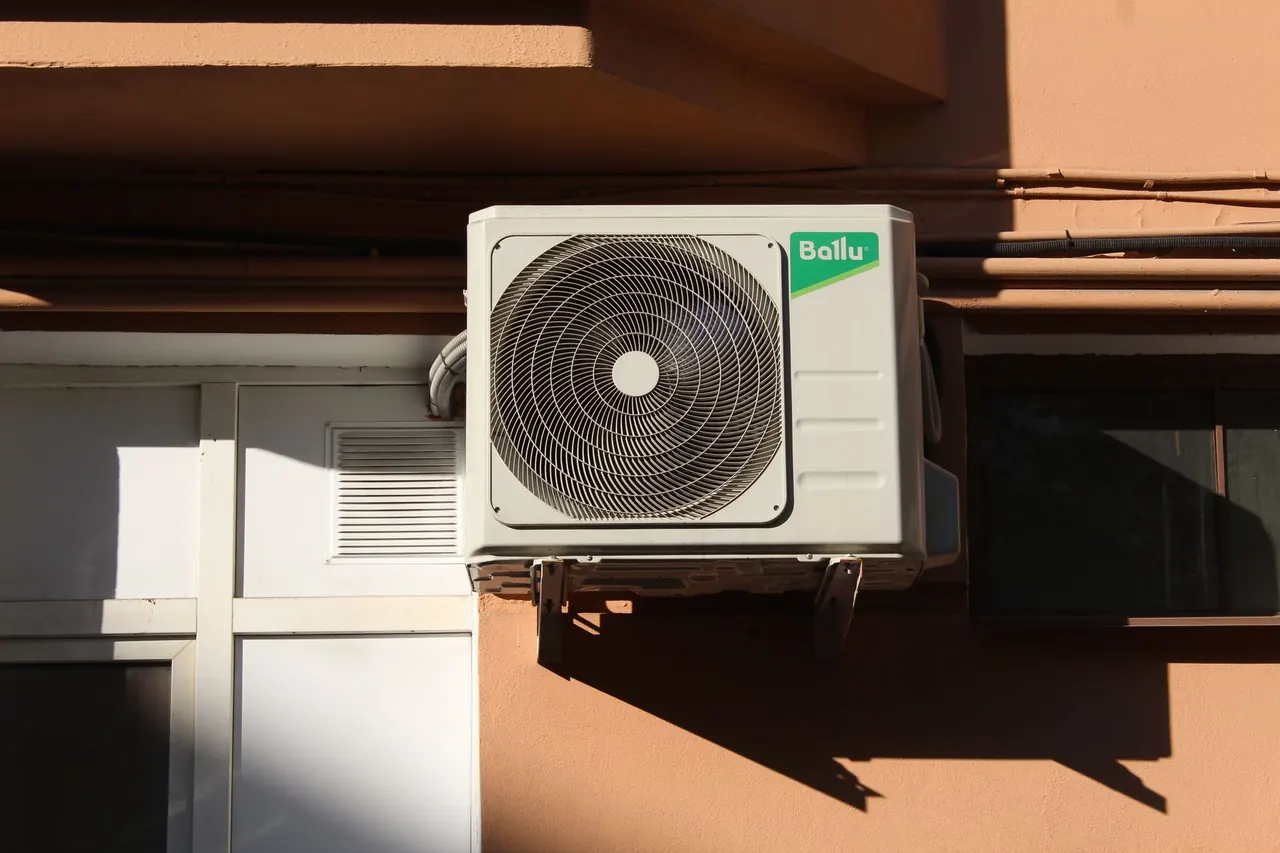
The furnace is blowing cold air and you smell gas near the unit.
We treat gas smells as an emergency. We shut the gas off at the valve, ventilate the space, and test every joint with an electronic leak detector. Once the leak is found and repaired, we test fire the furnace and verify the flue is drafting.
Outcome: The leak is fixed, the furnace is heating, and you have documentation of the repair and the safety test.
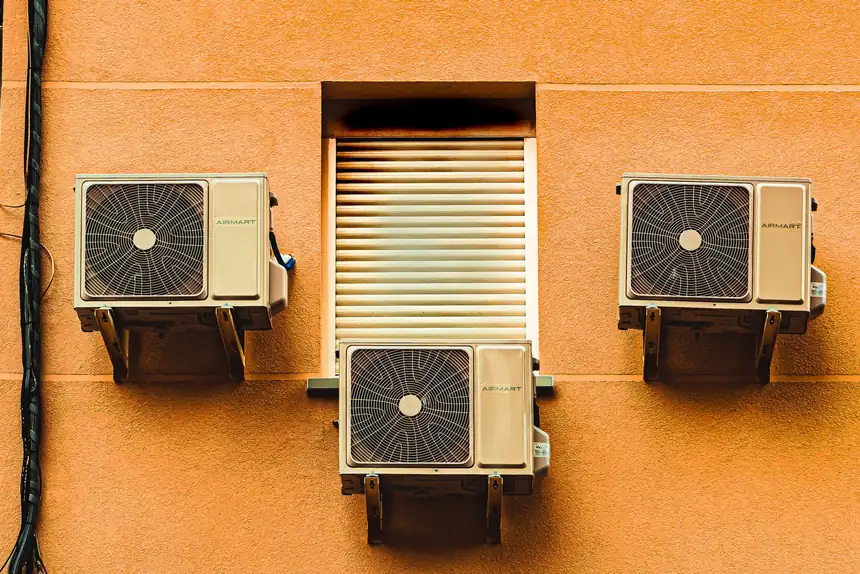
Your fall tune-up turned up a dirty flame sensor and a weak run capacitor.
We clean the flame sensor and replace the capacitor during the tune-up. Both are inexpensive parts that cause most winter no-heat calls. We also check the heat exchanger and measure temperature rise while we are there.
Outcome: You skip the January emergency call. The furnace runs through the winter without a lockout or a cold-air complaint.
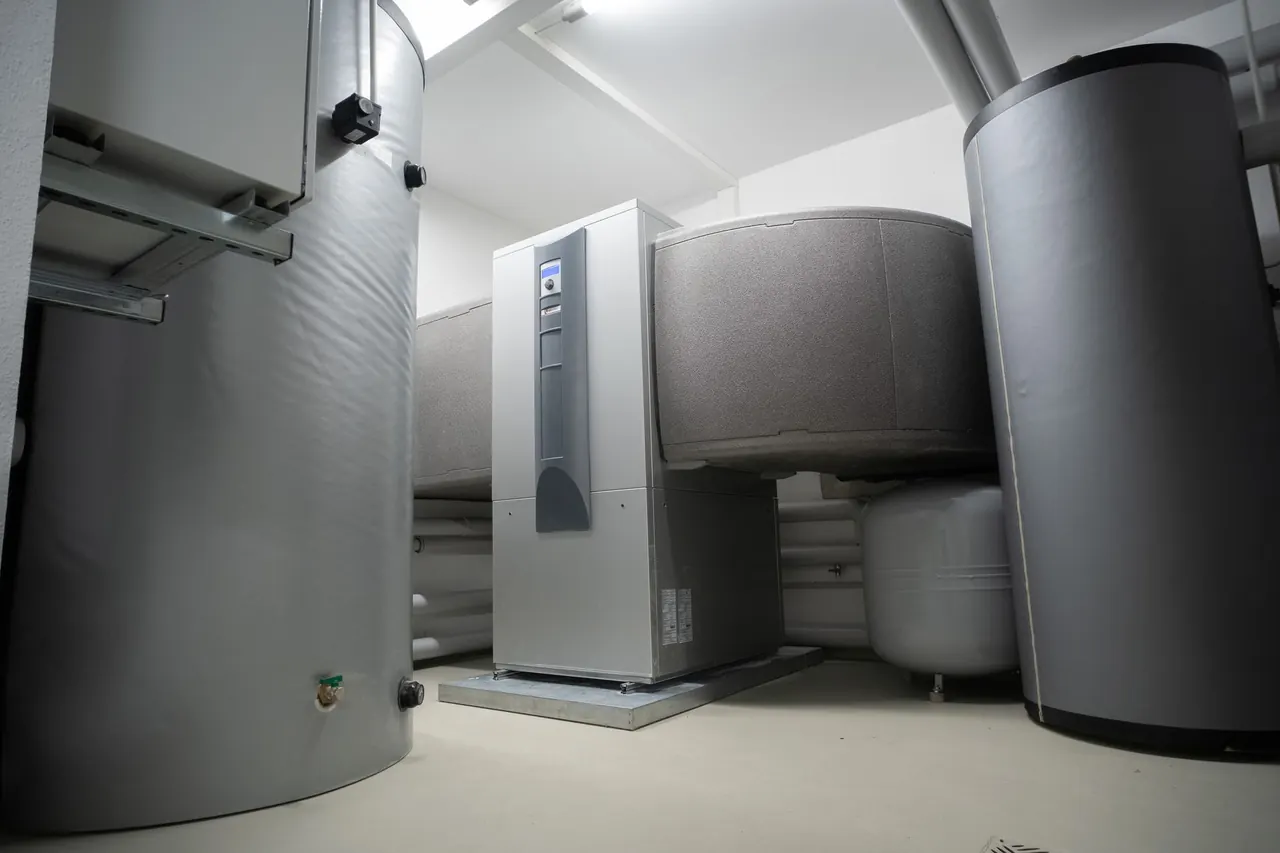
Chicago winters are the real test. A furnace that ran fine in October often fails the first week it holds below 20 degrees, and that is when we run the most no-heat calls. The city's housing stock splits into two camps: older greystones and bungalows with retrofitted ductwork, and high-rise buildings with mechanical rooms and shared flues. Each fails differently.
Greystones tend to have undersized returns and short cycling. High-rises deal with draft issues and flue problems. We also run heating system repair and diagnostics Chicago Illinois for dual-fuel systems that switch between a furnace and a heat pump. When the temperature drops below zero, we prioritize no-heat calls and carbon monoxide alarms.
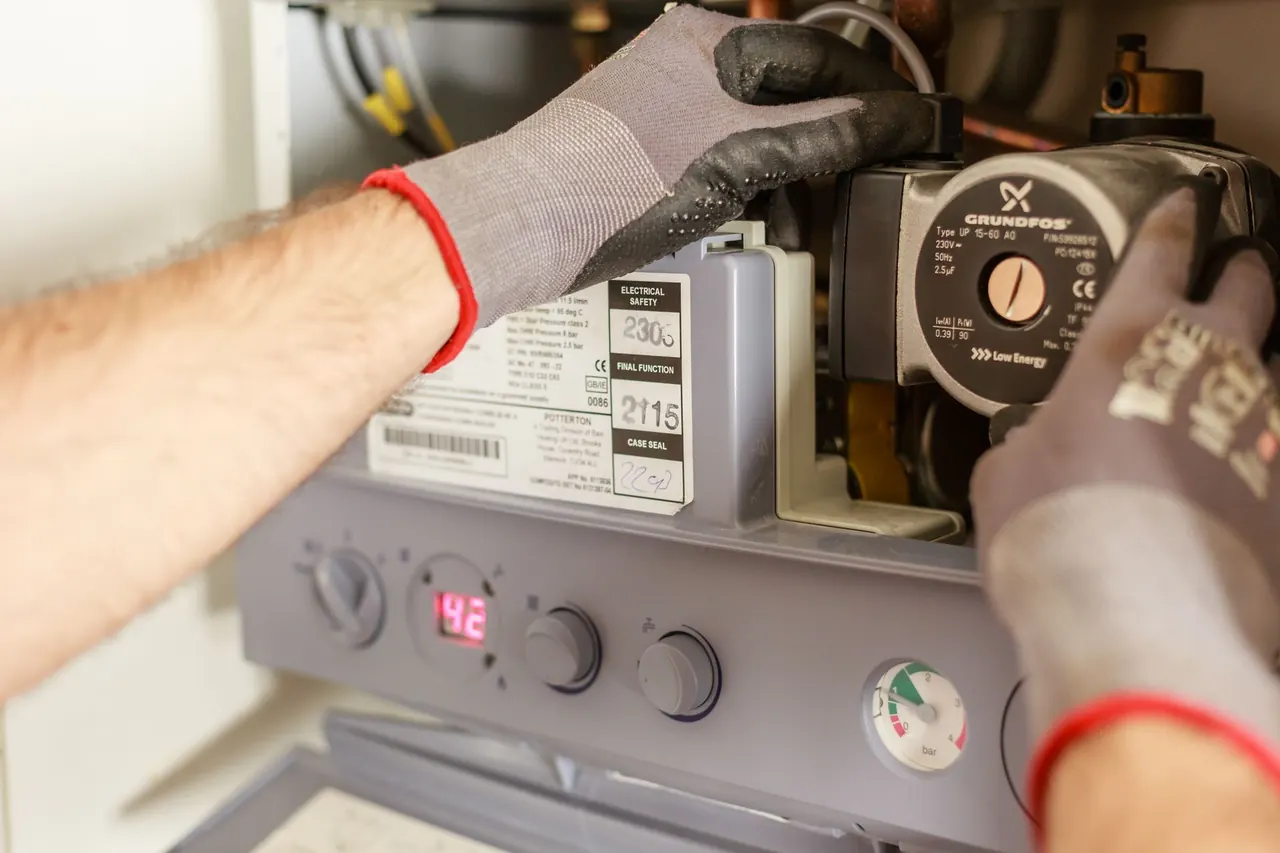
Before: A homeowner called at 6 a.m. in January with no heat and a house at 52 degrees. The furnace was running but blowing cold air. The control board was flashing a three-blink igniter fault.
After: We replaced the failed hot surface igniter, cleaned the flame sensor, and test fired the furnace three times. Temperature rise came back within the nameplate range. Heat was restored by 9 a.m. the same morning.
We recommended a fall tune-up to test the igniter before the next heating season. Igniters weaken with age and often fail on the coldest night of the year.
Before: A two-flat owner reported the furnace cycling every four minutes and the second floor never reaching temperature. The filter was clogged and the flame sensor was coated with carbon.
After: We replaced the filter, cleaned the flame sensor and burners, and adjusted the blower speed. Static pressure dropped and the furnace ran continuous cycles. The second floor reached setpoint for the first time in two winters.
We set a filter change reminder for every 90 days and recommended a duct inspection to find the return-air leaks feeding the problem.
Before: A high-rise unit had a furnace that would not light at all. The control board called for heat, the igniter glowed, but no gas reached the burners. The gas valve was not opening.
After: We replaced the gas valve, verified gas pressure with a manometer, and checked every joint with an electronic leak detector. The furnace lit on the first try and held a steady flame through three test cycles.
We recommended an annual tune-up that includes a gas pressure check. Gas valves can drift out of spec over time, and a yearly reading catches it early.
Most no-heat calls trace back to a handful of failures. Here are the ones we see most in Chicago and how we handle them.
Heat back quickly, with the failed part and readings in writing.
We schedule prompt furnace repair Chicago appointments for no-heat calls, and most repairs finish in two to four hours. If we need a part we do not stock, we tell you the exact arrival window before we leave your driveway.
You get the diagnostic fee and the repair price before we open a panel. No surprise line items, no hourly meter running while we work.
We pull permits when the job needs one and we test the flue with a combustion analyzer before we call the job done.
Our vans carry hot surface igniters, flame sensors, run capacitors, and gas valves for Carrier, Trane, Lennox, Rheem, Goodman, and Bryant furnaces. That means one visit instead of two for the majority of no-heat calls we run.
Clear records you can keep and share.
What was replaced and why.
Temperature rise and flue numbers.
Images of the failed component.
Size and change schedule.
The decision comes down to heat exchanger condition, repair cost, and furnace age.
A single failed part on a sound furnace.
A major part on an aging system.
A safety issue or a failing system.
A list like this tells people straight away whether you cover their street. Not listed? Call and ask: it only takes a minute.
Based in Chicago and covering the places around it. Pick one for local details.
A flame sensor or igniter replacement sits at the low end. A blower motor, gas valve, or inducer motor pushes toward the top. Emergency after-hours calls add a dispatch fee. We quote the full price before we start, so you never get a surprise number after the work is done.
A furnace blowing cold air usually means the burners never lit. The three most common causes are a failed hot surface igniter, a dirty flame sensor, or a gas valve that is not opening. Less often it is a thermostat miscalibration or a clogged air filter choking airflow. We test all of those in the first 30 minutes and tell you which one failed.
We do, across Cook County and every Chicago neighborhood from Lincoln Park to Rogers Park. We carry parts for Carrier, Trane, Lennox, Rheem, Goodman, and Bryant on the van. Call (312) 638-0812 and we will give you an arrival window.
Most repairs take two to four hours from arrival to heat restored. An igniter or flame sensor swap is usually under an hour. A blower motor or gas valve runs two to three hours because we test fire the furnace and verify temperature rise afterward. If we need a part we do not stock, we tell you the exact arrival window before we leave.
Other services from the same team.
No heat is not something to sleep on. Call (312) 638-0812 and we will give you a prompt arrival window for furnace repair Chicago IL. We diagnose the real problem, quote the price upfront, and carry the parts to fix most systems on the first visit.
Call (312) 638-0812 or email info@hvacchicagopro.com and tell us what your system is doing. If you leave a message after hours, we'll call you back with a plan.