Homes in Irving Park
Homes here range from Victorian-era houses with radiators to converted two-flats with forced air. We match the approach to the building.
- Victorian-era homes
- Converted two-flats
- Single-family houses
- Attic mini-split setups
When your heat quits on a January night in Old Irving Park, you need HVAC in Irving Park IL that knows these blocks, not a call center reading a script. We work the 60618, 60641, and 60630 ZIP codes every week, from the Victorian-era homes near Independence Park to the two-flats off Keystone Avenue.
Chicago, Illinois
Serving Irving Park and nearby
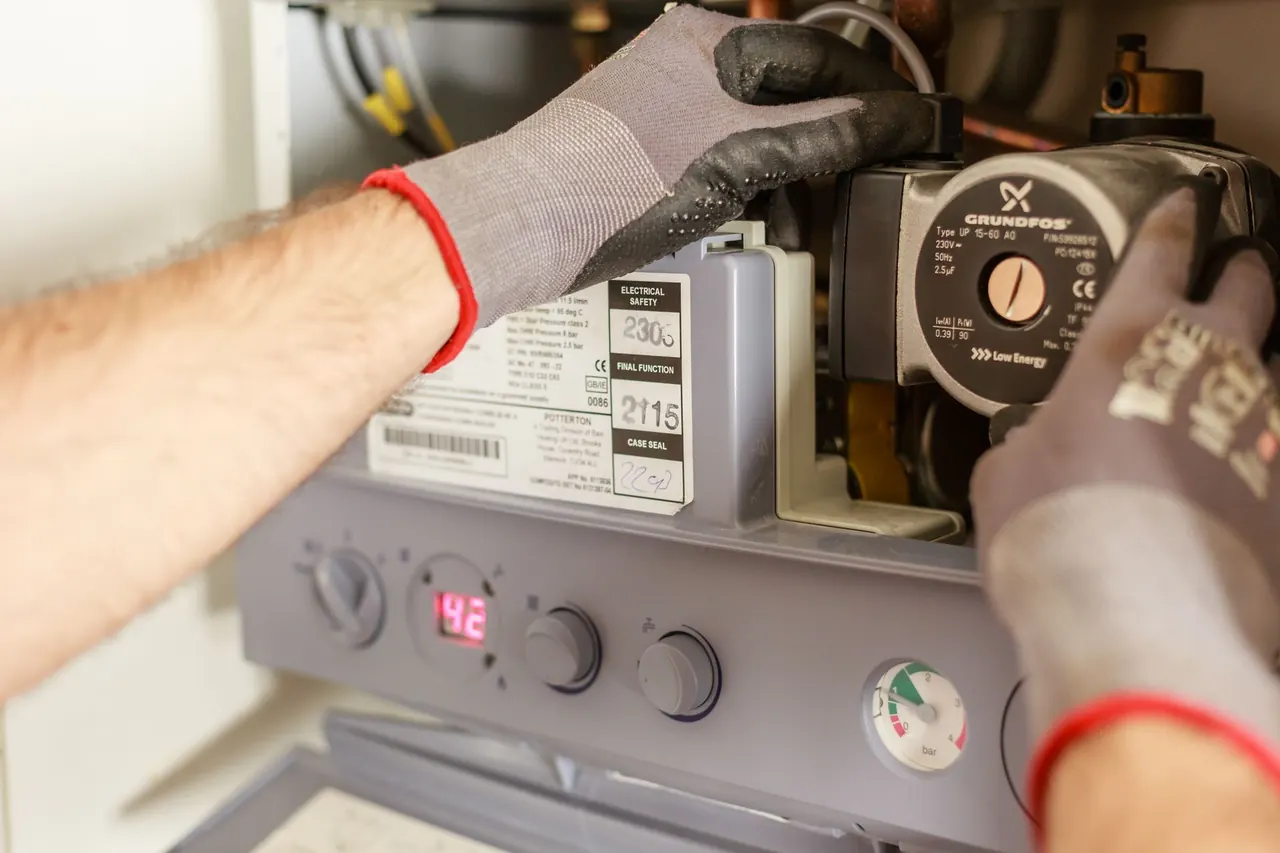
HVAC in Irving Park IL is not a one-size job. The housing stock here swings from 1890s Victorian-era homes with 12-foot ceilings and original radiators to converted two-flats with mismatched mechanical systems and newer single-family builds on the large lots near Horner Park.
That mix means we see everything: steam boilers losing pressure, retrofit central air short on return ducts, and heat pumps that freeze up during a Chicago cold snap. We are an Irving Park HVAC company that keeps parts for Carrier, Trane, Lennox, Rheem, and Goodman equipment on the truck, so most repairs finish quickly.
If you need reliable HVAC near Irving Park without the runaround, we quote the repair before we start and stand behind the work.
Irving Park sits in a pocket of Chicago where the housing age and the weather collide. Homes in the Old Irving Park Historic District were built for coal and radiator heat, then patched with window units and ductwork that was never sized with an ACCA Manual J Load Calculation. Add lake-effect cold, river-adjacent blocks that seep into basements, and summers that push window AC hard, and you get steady demand for both emergency heating and air conditioning Irving Park service. We stay in this neighborhood because the work is real and the customers are repeat.
Good to know in Irving Park
High ceilings and uninsulated walls in the Old Irving Park Historic District mean furnaces and boilers run longer and cycle harder than the nameplate suggests. Undersized replacements fail early and leave cold rooms upstairs.
We handle that paperwork so the inspection passes and your homeowner's insurance stays valid.
The historic district here is full of large Victorian-era homes with high ceilings, original radiators, and big heating loads.
Irving Park keeps us busy year-round because the mechanical systems here are as varied as the architecture. One block is all steam boilers and radiators; the next is forced-air furnaces with retrofit AC. in January, we answer and roll.
Most Irving Park furnaces are 15 to 25 years old and tucked in basements with low headroom.
Retrofit central air in the older homes here often runs undersized ducts, so we check static pressure with an anemometer before assuming the compressor failed.
Steam and hot-water boilers still heat a large share of homes in the Old Irving Park Historic District.
Water hammer and cold radiators are weekly calls in the Keystone Avenue Blocks and Independence Park Area.
The large lots around Horner Park make outdoor heat pump installations practical, and we service them through defrost failures and refrigerant leaks.
No heat at 2 a.m. in February is a real emergency in Irving Park, especially in homes with infants or elderly residents.
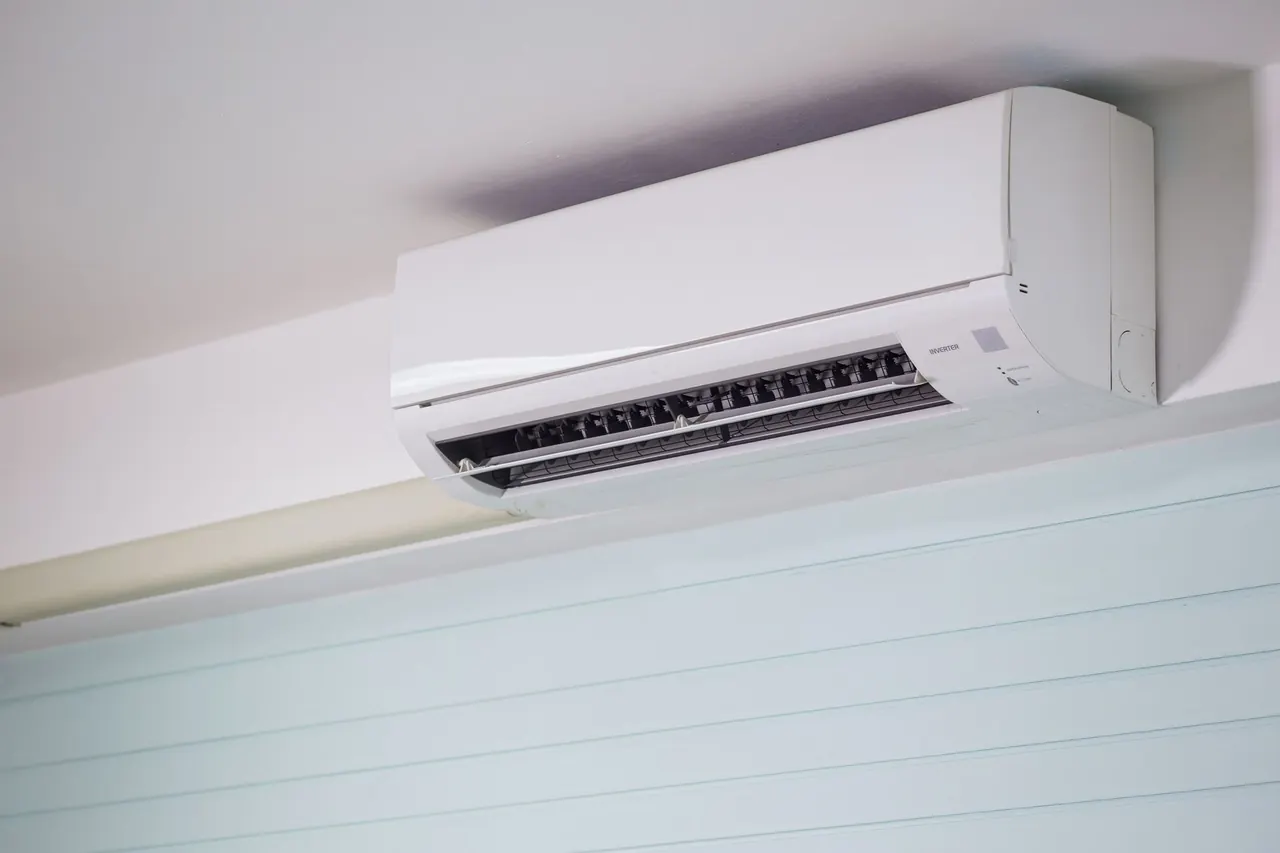
Converted two-flats and attic offices around Six Corners Edge often use ductless mini-splits because there is no room for ductwork.
When a 25-year-old furnace in Irving Park finally quits, we size the replacement with an ACCA Manual J Load Calculation instead of matching the old nameplate.
Older Irving Park homes often need ductwork corrected before a new AC goes in, or the system will never cool the second floor.
A fall tune-up on a boiler or furnace in Irving Park catches cracked heat exchangers, failing inducer motors, and dirty flame sensors before they strand you in January.
Pick a service to see how we approach it here.
Older Irving Park basements often hold furnaces with low headroom and decades of dust, so we inspect the igniter, flame sensor, and inducer motor before anything else. We test combustion at the flue and check the gas valve. Then we explain what failed and what we replaced.
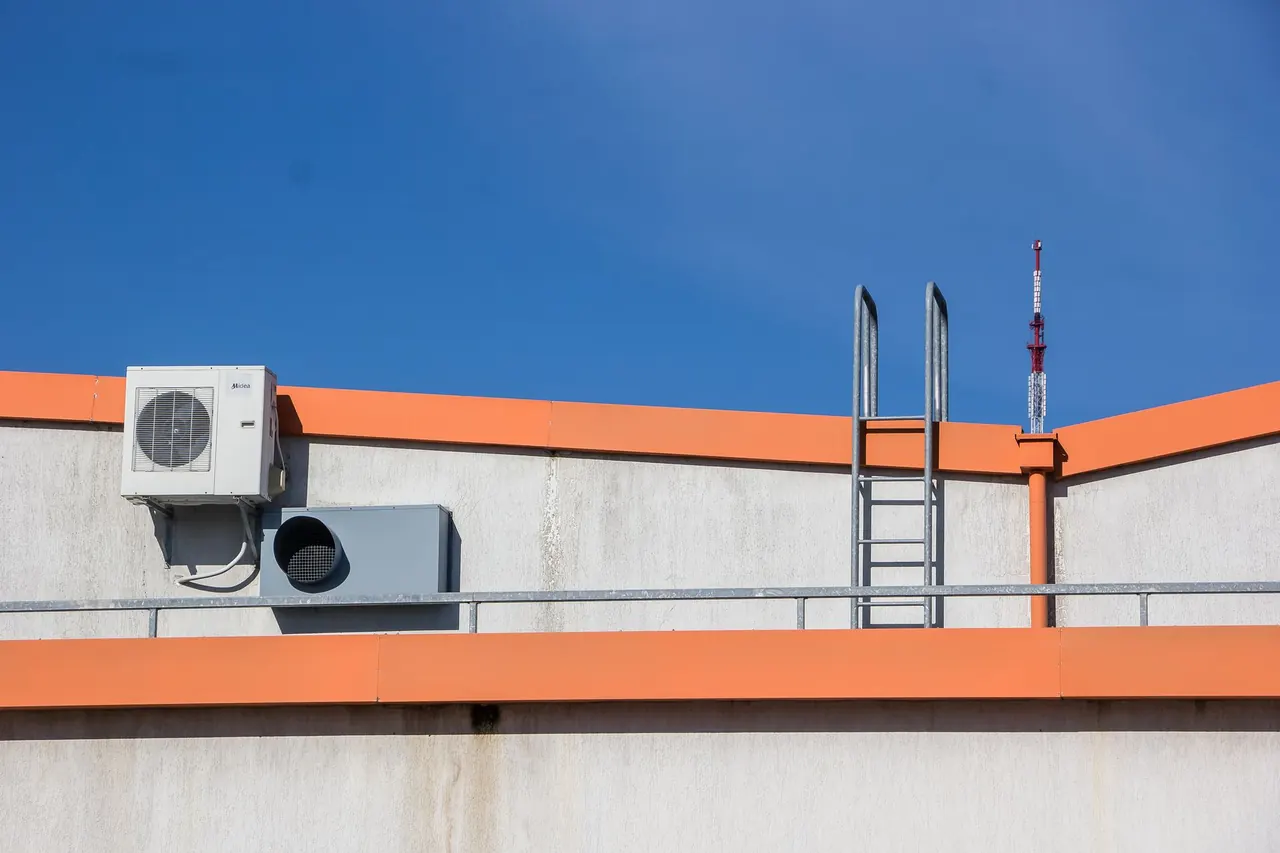
Retrofit central air in this neighborhood often runs through ductwork that was never sized for cooling, so we measure static pressure before assuming the compressor failed. We check the evaporator coil, refrigerant charge, and run capacitor. Then we trace the real cause of the warm rooms.
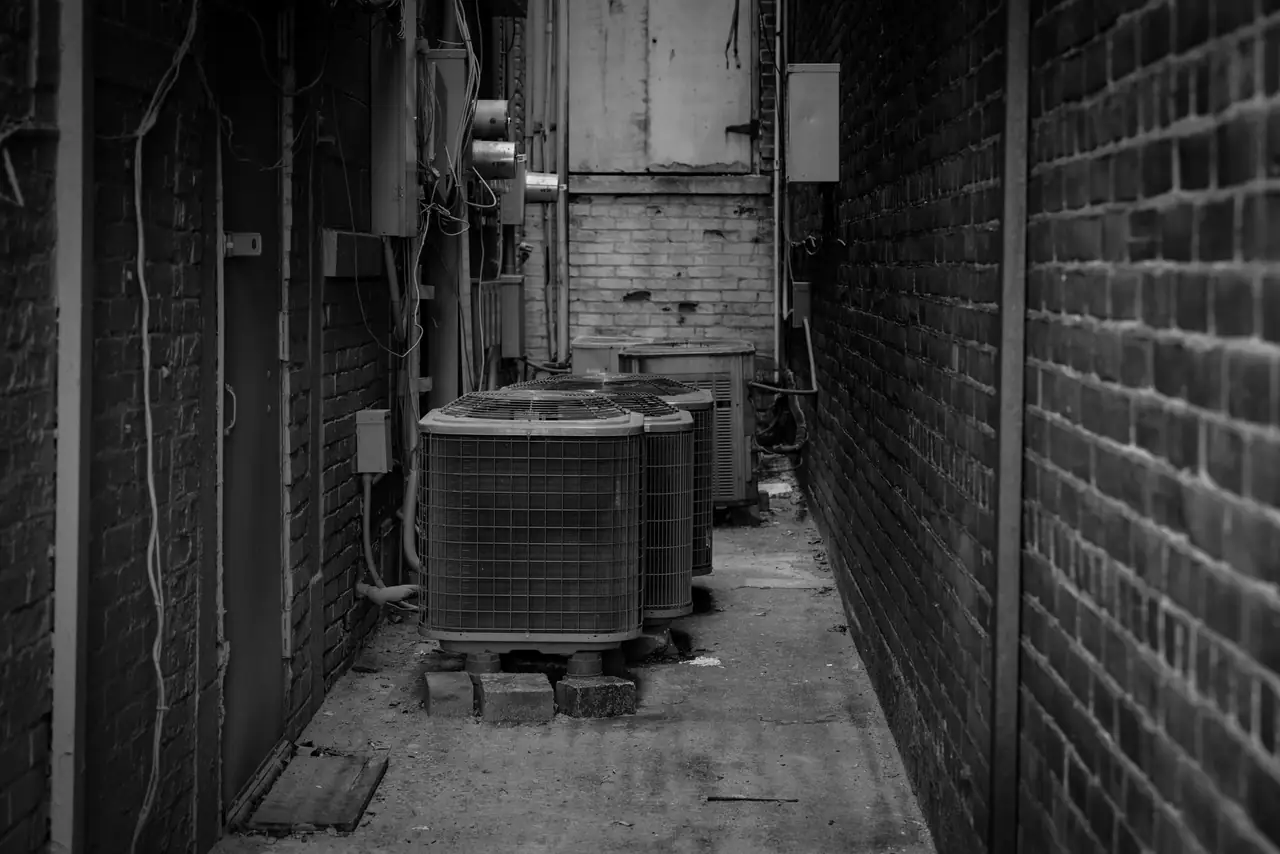
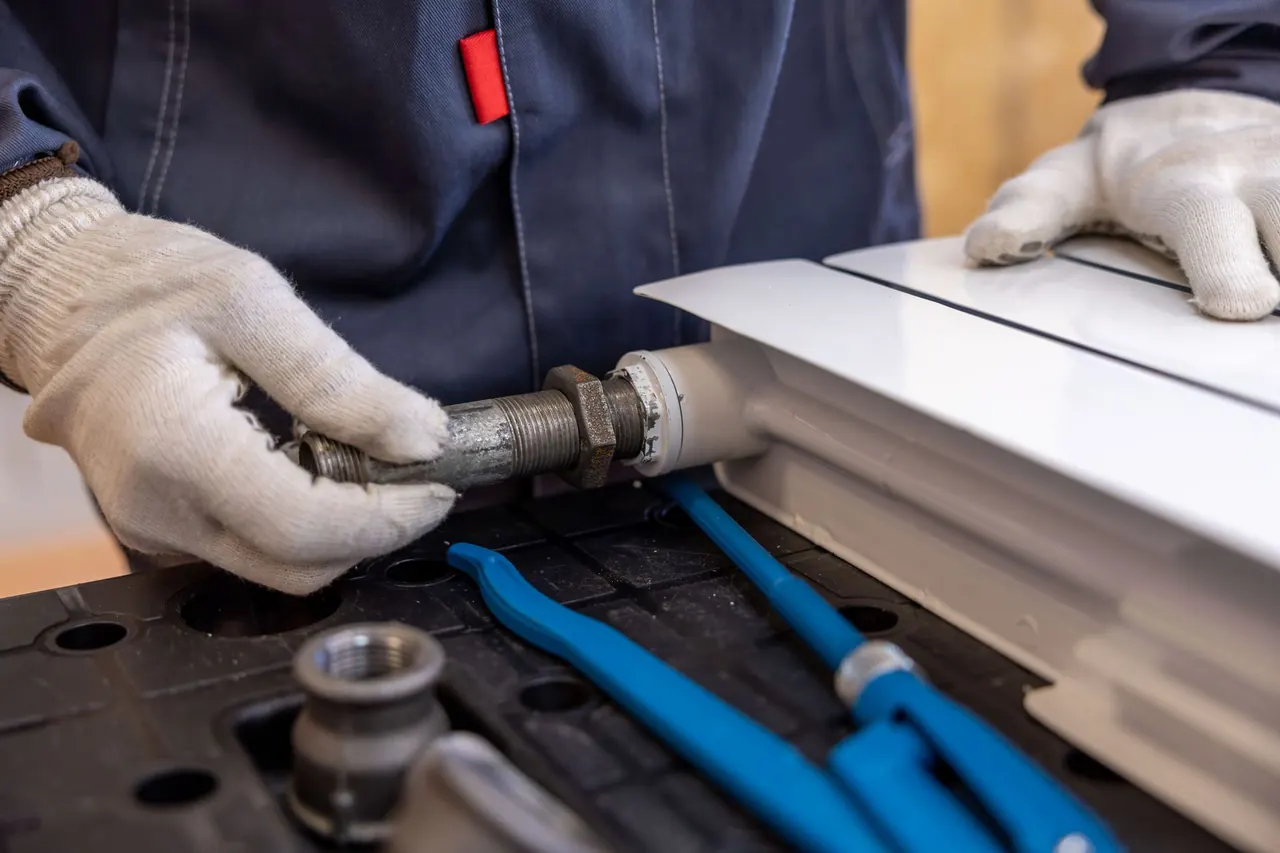
Steam and hot-water boilers still heat many homes around the historic district, so we test the low-water cutoff, zone valves, and circulator pumps first. We purge air from the hydronic lines and check pressure. Then we look for corrosion from basement moisture.
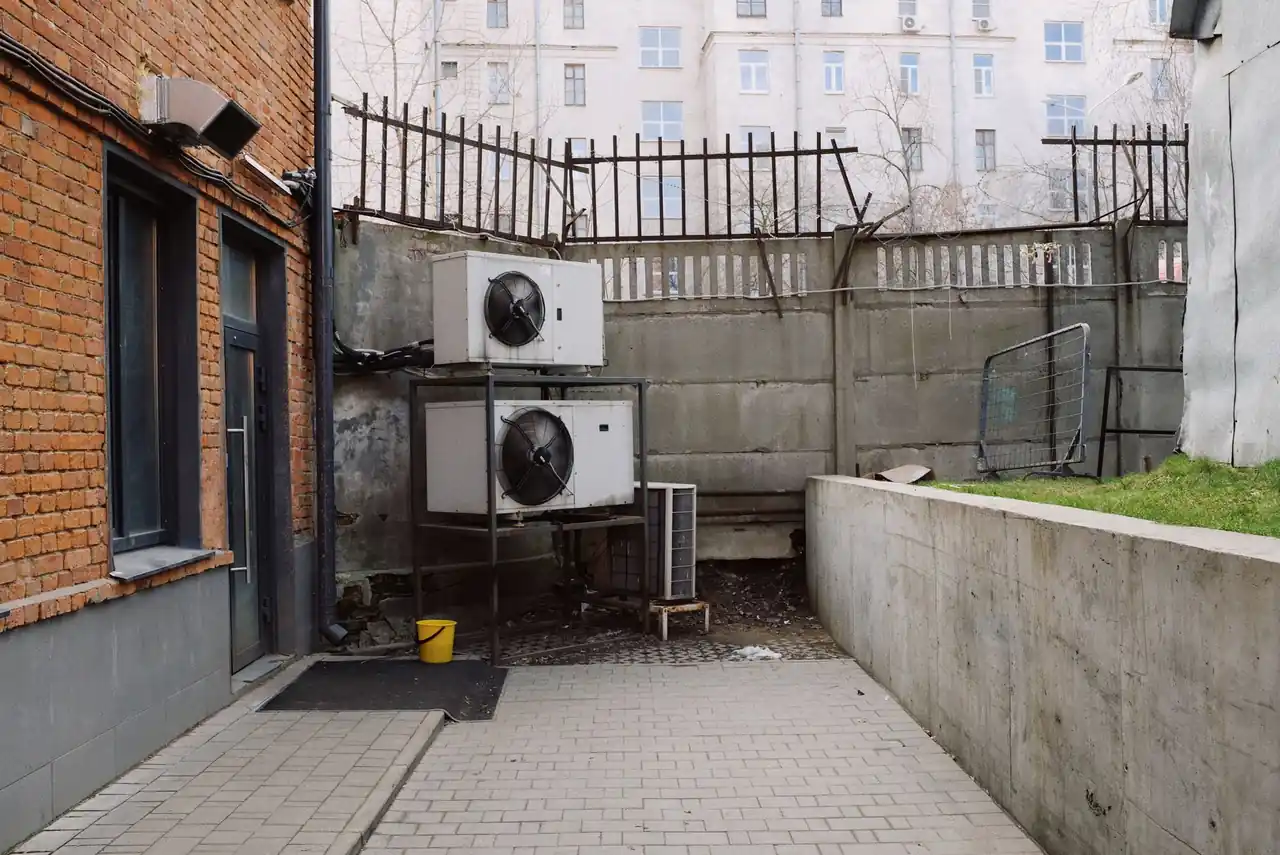
Water hammer and cold radiators are common in the older two-flats here, so we check the vents, zone valves, and system balance. We look for trapped air and blocked steam passages. Then we correct the balance so every room heats evenly.
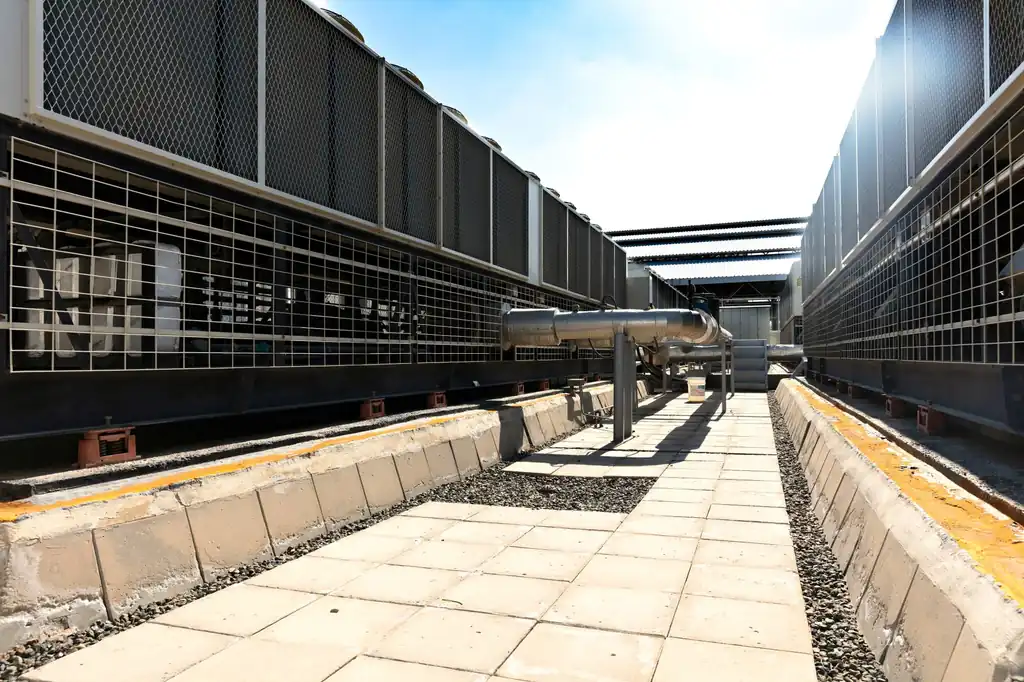
Homes here run older boilers and retrofit air; businesses run rooftop and mini-split systems.
Homes here range from Victorian-era houses with radiators to converted two-flats with forced air. We match the approach to the building.
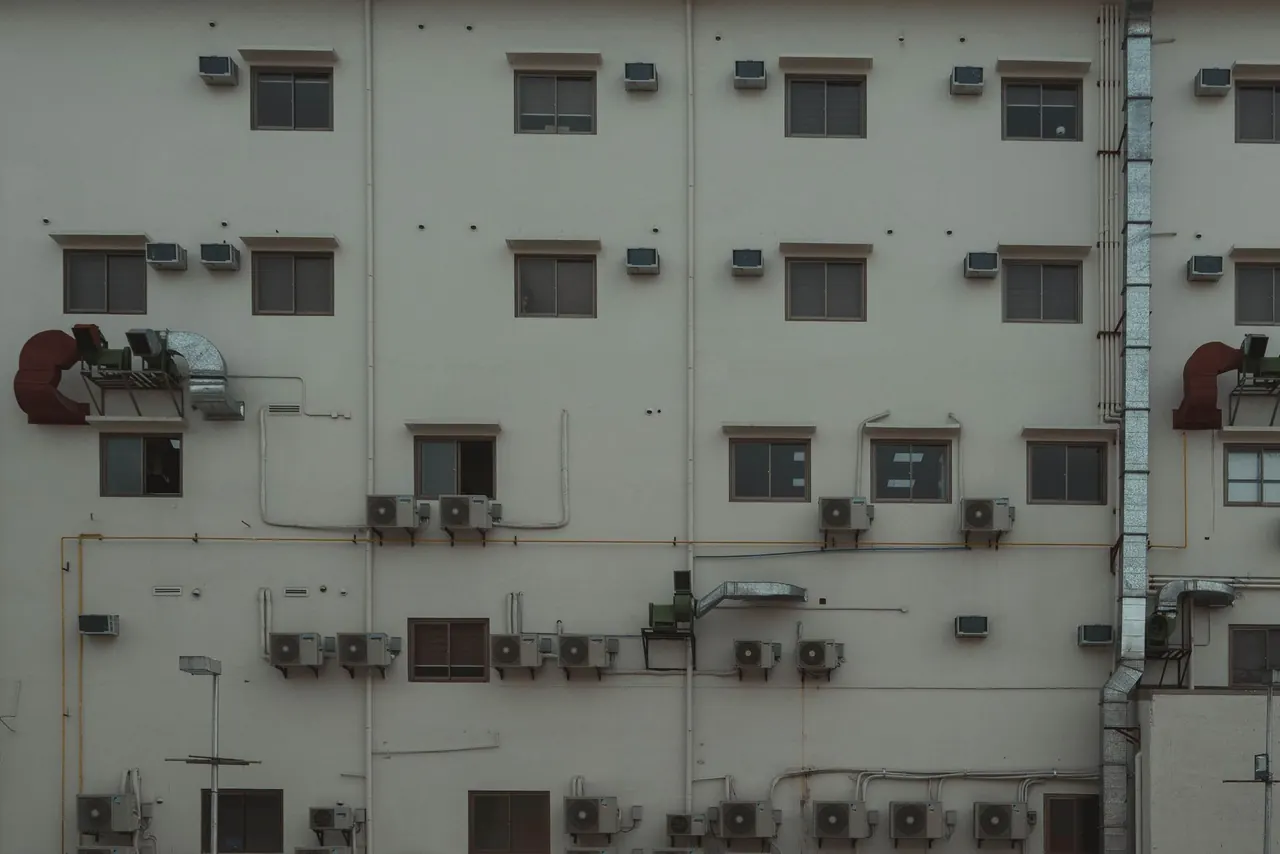
Small commercial spaces along the Irving Park corridor rely on rooftop units and split systems. We schedule around business hours and parking.
Irving Park's building stock and climate create a predictable set of HVAC problems. Old boilers, retrofit ductwork, river-adjacent basements, and Chicago's temperature swings all push equipment in ways newer suburbs do not.
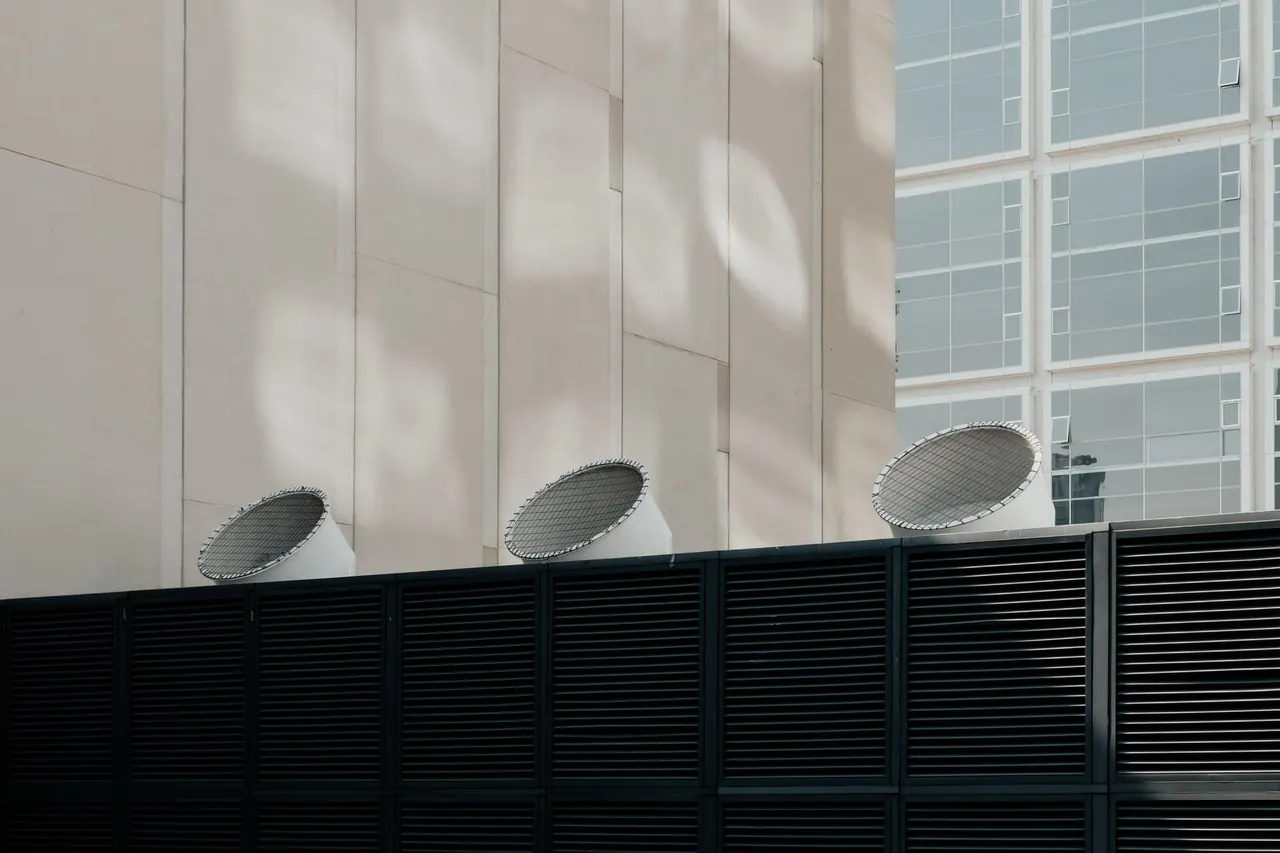
Many boilers in the Old Irving Park Historic District are original or decades old, with low-water cutoffs and zone valves that wear out. Mineral buildup and trapped air make pressure fluctuate, and a failed cutoff can shut the system down entirely.
The first hard freeze in Irving Park pushes furnaces from standby to full load, and that is when cracked hot surface igniters and dirty flame sensors fail. Older basements with moisture and dust speed up the corrosion.
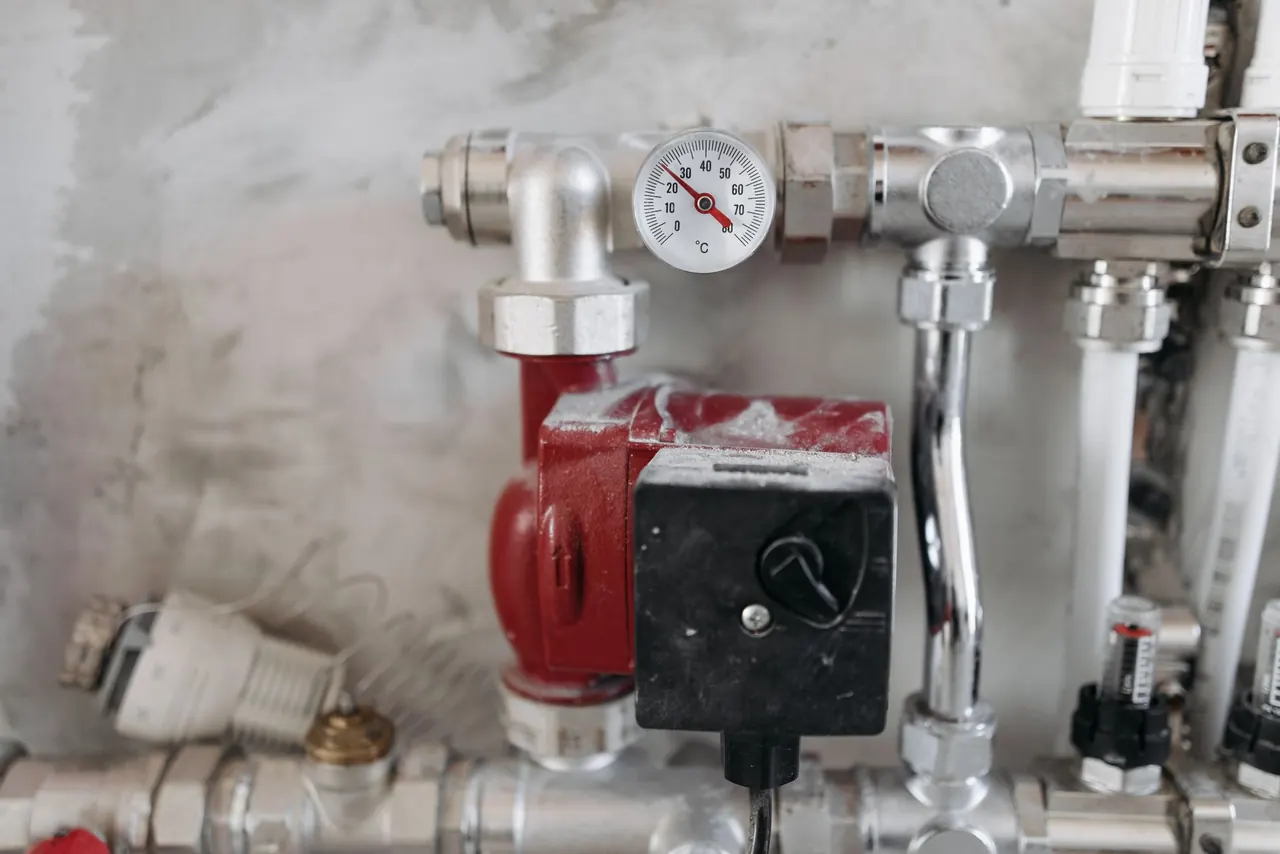
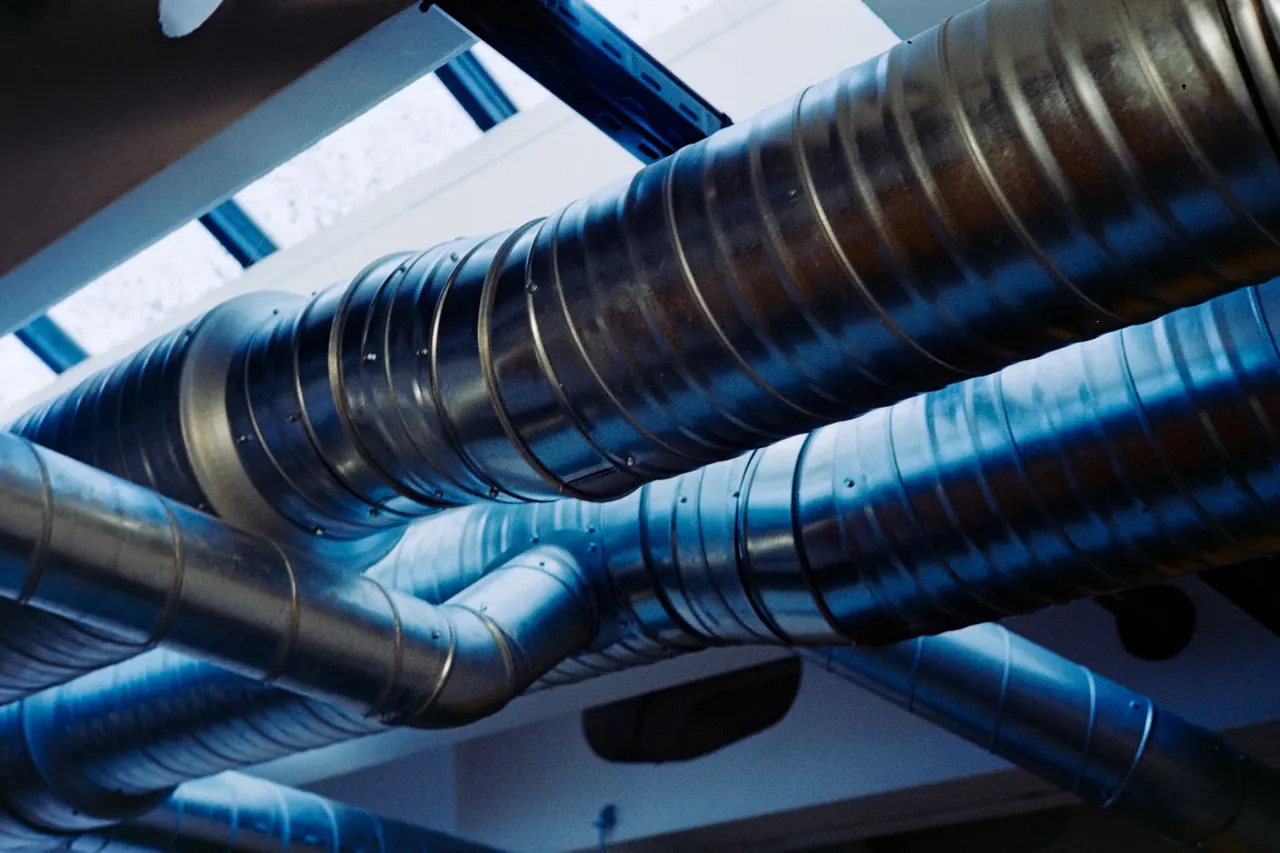
Retrofit central air in older Irving Park homes often runs through ductwork that was never sized for cooling. Crushed flex duct, leaky sheet metal ductwork, and undersized returns leave upstairs rooms warm no matter how hard the AC runs.
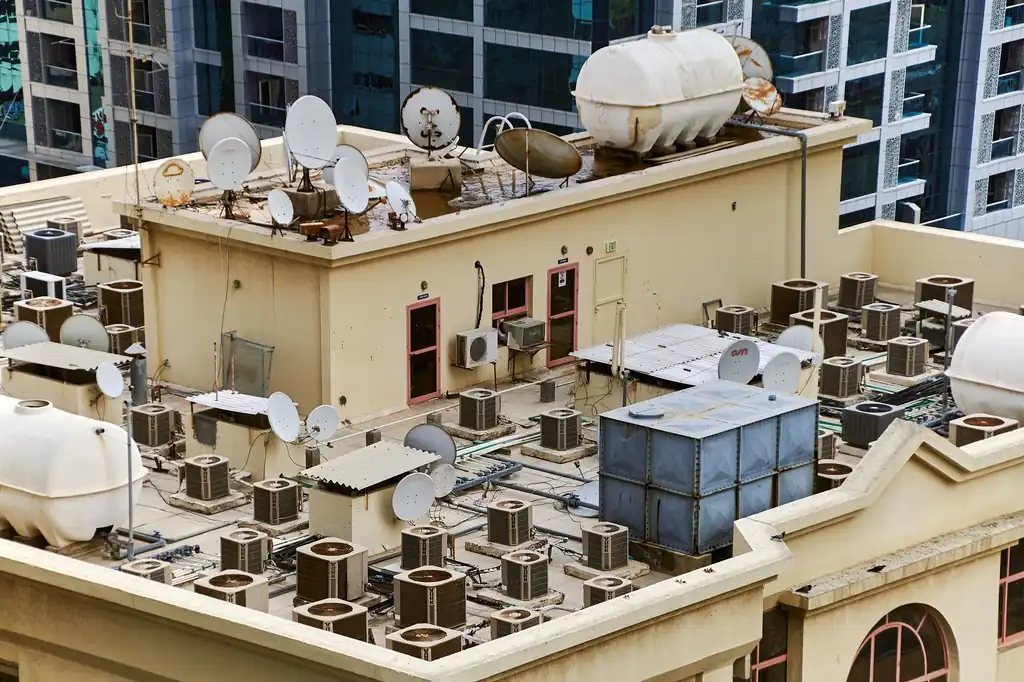
Ductless systems in converted two-flats and attic spaces around Six Corners Edge freeze when the condensate drain line clogs or the refrigerant charge is low. Chicago winters push heat pumps into long defrost cycles that expose any underlying fault.
Watch for these signs that it is time to call an HVAC tech.
Any one of these is worth a call.
Nothing picked yet. Tap the signs you have noticed and this box will sum them up.
Irving Park is easy to navigate once you know the landmarks, and we use them every day to route calls. Independence Park and Horner Park anchor the east and west sides of our service zone, and the Irving Park Metra Station gives us a fixed point when we are dispatching to the north end.
Landmark
A central reference point for routing calls on the east side of Irving Park.
Landmark
A fixed north-side landmark we use to orient dispatches and estimate arrival windows.
Landmark
Marks the western edge of many of our service calls and helps us separate Irving Park addresses from the adjacent Avondale Edge.
Landmark
A reliable reference point near the Six Corners Edge for locating addresses and planning the last leg of a route. Useful when a customer gives a cross street instead of a full address.
Landmark
Tells us before arrival that the home likely has original radiators, high ceilings, and older basement mechanicals. That shapes which tools and parts we load for the call.
Commercial area
A walkable stretch of small businesses, restaurants, and mixed-use buildings along the Irving Park corridor.
Commercial area
A main artery lined with storefronts and small offices that rely on packaged rooftop equipment and split systems.
Transit
A commuter rail stop on the north side of the neighborhood. We use it as a routing landmark and plan around the parking congestion it creates during weekday rush hours.
Chicago's seasons hit Irving Park hard, and the neighborhood's older housing stock feels every swing. Fall is when we start tuning boilers and furnaces before the first freeze, and spring is when AC systems get their check before the first hot stretch.
Irving Park sits in a cluster of North Side neighborhoods we cover as one service region. If you are just outside our Irving Park zone, chances are we already work your block. These are the nearby areas we serve from the same staging point.
Straight answers to what people ask first.
That covers cleaning the flame sensor, testing the igniter and run capacitors, checking refrigerant or boiler pressure, and verifying combustion readings. We quote the price before we start, and a tune-up often catches a failing part before it becomes an emergency.
A furnace blowing cold air usually means a failed hot surface igniter, a dirty flame sensor, or a gas valve that is not opening. In older Irving Park basements, moisture and dust corrode the igniter faster. Shut the system off and call us. Running a furnace that is not igniting can push unburned gas into the flue and waste energy.
If your furnace is blowing cold air, your boiler is losing pressure, or your AC cannot keep up, call us at (312) 638-0812.
Call (312) 638-0812 or email info@hvacchicagopro.com and tell us what your system is doing. If you leave a message after hours, we'll call you back with a plan.