Homes in Albany Park
Brick two-flats and courtyard buildings here run radiator heat, window AC or a mix of both. We work around tenants, pets and tight basement access.
- Brick two-flats
- Courtyard buildings
- Converted flats
- Single-family homes
When your heat quits on a January night or your AC dies in a July heat wave, you need HVAC in Albany Park IL that answers the phone and shows up.
Chicago, Illinois
Serving Albany Park and nearby
HVAC in Albany Park IL is a different job than it is three miles south. The housing stock here is dense brick two-flats and courtyard buildings, many still running radiator and gravity heat off a boiler in the basement, and a large share of units cool with window AC only. That mix means we carry boiler parts, radiator valves and mini split components on the truck, not just a furnace igniter.
We serve the Kimball Brown Line Corridor, the Argyle Street Blocks and the Sunnyside Avenue Blocks, plus the Ravenswood Manor Edge where bigger single-families sit on wider lots. Whether you need heating and air conditioning Albany Park renters can rely on or a full system swap for a landlord with six units, we quote the work before we start and stand behind it after.
Albany Park has one of the highest rental turnover rates on the North Side, and that shapes how we work here. Tenants move in and out, furnaces sit unused for months, and the first cold snap produces a wave of no-heat calls from the Lawrence Avenue Corridor and the blocks off Kimball. Basements along the North Branch flood in heavy spring rain, and a wet furnace or a submerged inducer motor is a real safety issue, not a nuisance. We keep evening and weekend slots open for exactly that reason. Landlords with courtyard buildings call us for one unit and end up putting us on all of them because we document what we find and hand over photos.
Good to know in Albany Park
A flooded basement can submerge a furnace, inducer motor or control board, and running wet equipment risks a cracked heat exchanger or worse. Spring rain here regularly puts water where the mechanicals sit.
Any furnace, boiler or AC replacement in Albany Park requires a permitted mechanical contractor.
The blocks around the Kimball Brown Line Terminal are dense with brick two-flats and courtyard buildings running radiator heat off basement boilers.
Albany Park's mix of vintage boilers, window units and newer ductless systems means we get called for everything from a dead thermocouple to a full furnace replacement. In February, that call goes to a live dispatcher, not a voicemail.
Most Albany Park furnaces sit in basements that flood along the North Branch, so we check the control board and inducer motor for water damage before anything else.
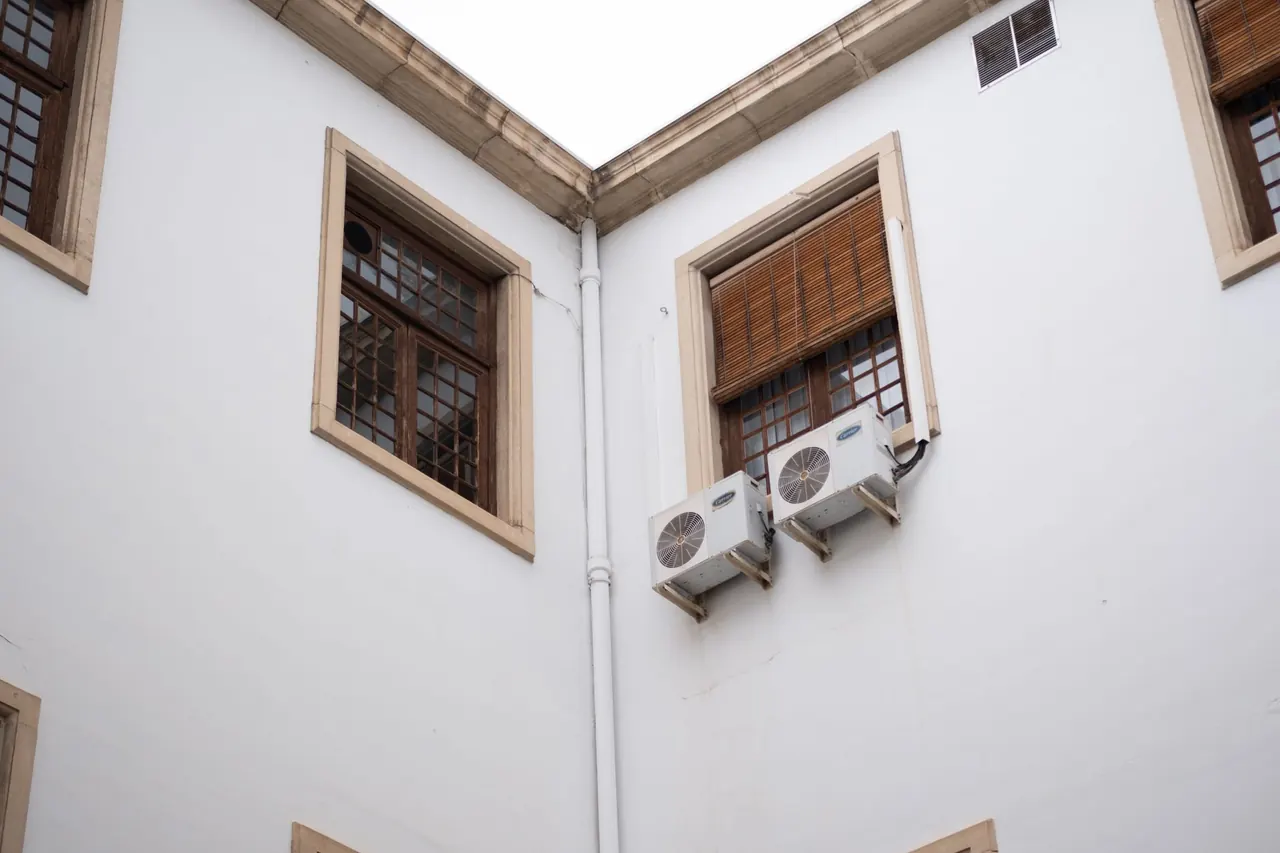
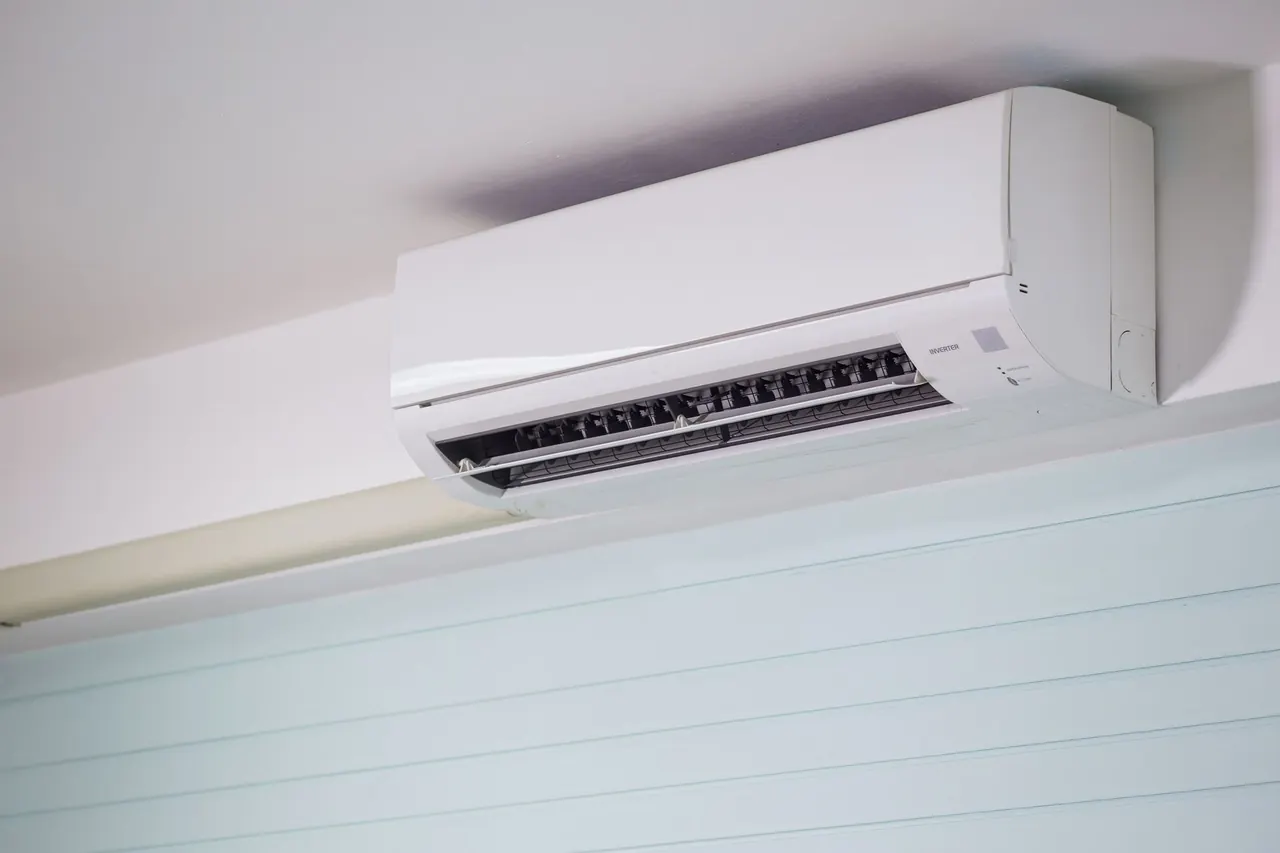
Window units dominate many Albany Park apartments, but the central systems we service here are usually older and undersized for the top floors of courtyard buildings.
The courtyard buildings and two-flats around Eugene Field Park mostly heat with gas boilers feeding radiators or gravity loops.
Steam radiator water hammer is the sound that gets us called to Albany Park buildings most often.
Heat pump defrost failure shows up in Albany Park during the damp stretch between December and March, when the coil ices and the system blows cold.
When a furnace dies at 2 a.m. in a building full of tenants, we roll from the Kimball Brown Line Terminal area with a stocked truck.
Because so many Albany Park units have window AC only, ductless mini splits are the upgrade of choice in the courtyard buildings and converted flats.
Replacing a furnace in an Albany Park two-flat means working around vintage electrical service that often needs an upgrade before modern equipment goes in.
Older central AC in Albany Park buildings is frequently R-22 era equipment that cannot be recharged economically.
A fall tune-up is the cheapest insurance a landlord can buy in Albany Park, where a single no-heat call in January costs more than a year of maintenance.
Pick a service to see how we approach it here.
Basement furnaces in Albany Park two-flats often sit where spring flooding reaches them, so we inspect the cabinet and control board for water before anything else. We test the igniter, flame sensor and inducer motor, then run a full heat cycle to confirm the fix. Every visit ends with a combustion check on the heat exchanger.
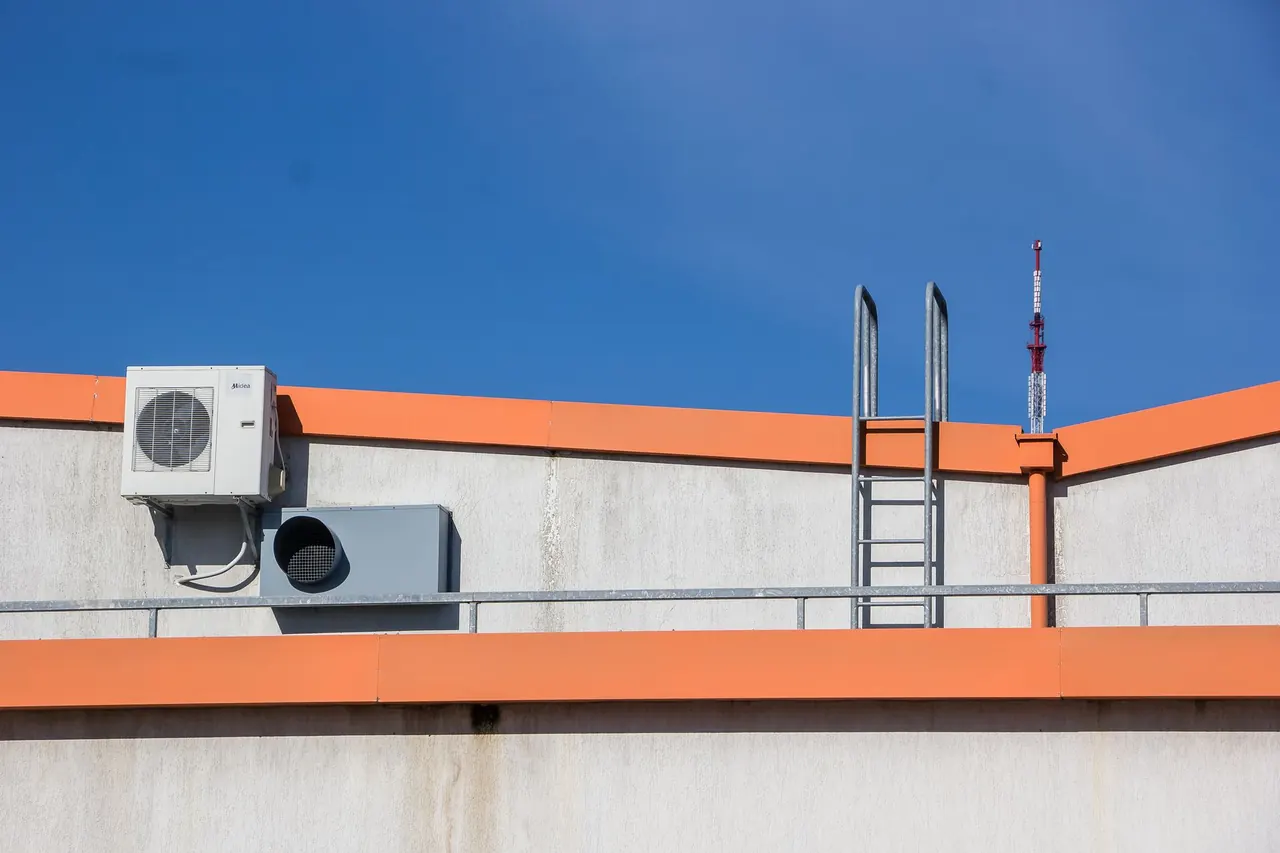
Older central AC in Albany Park courtyard buildings tends to run undersized for the top floors, so we start with airflow and coil condition. We clean the condenser, check the charge with a manifold gauge set, and look for leaks with an electronic detector. Window units get the same airflow and charge check.
Most Albany Park courtyard buildings heat with gas boilers feeding radiators or gravity loops, and pressure loss is the call we get most. We test circulator pumps and zone valves, purge air from the hydronic lines, and set the aquastat for even heat. Parts for older Weil-McLain and Burnham units stay on the truck.
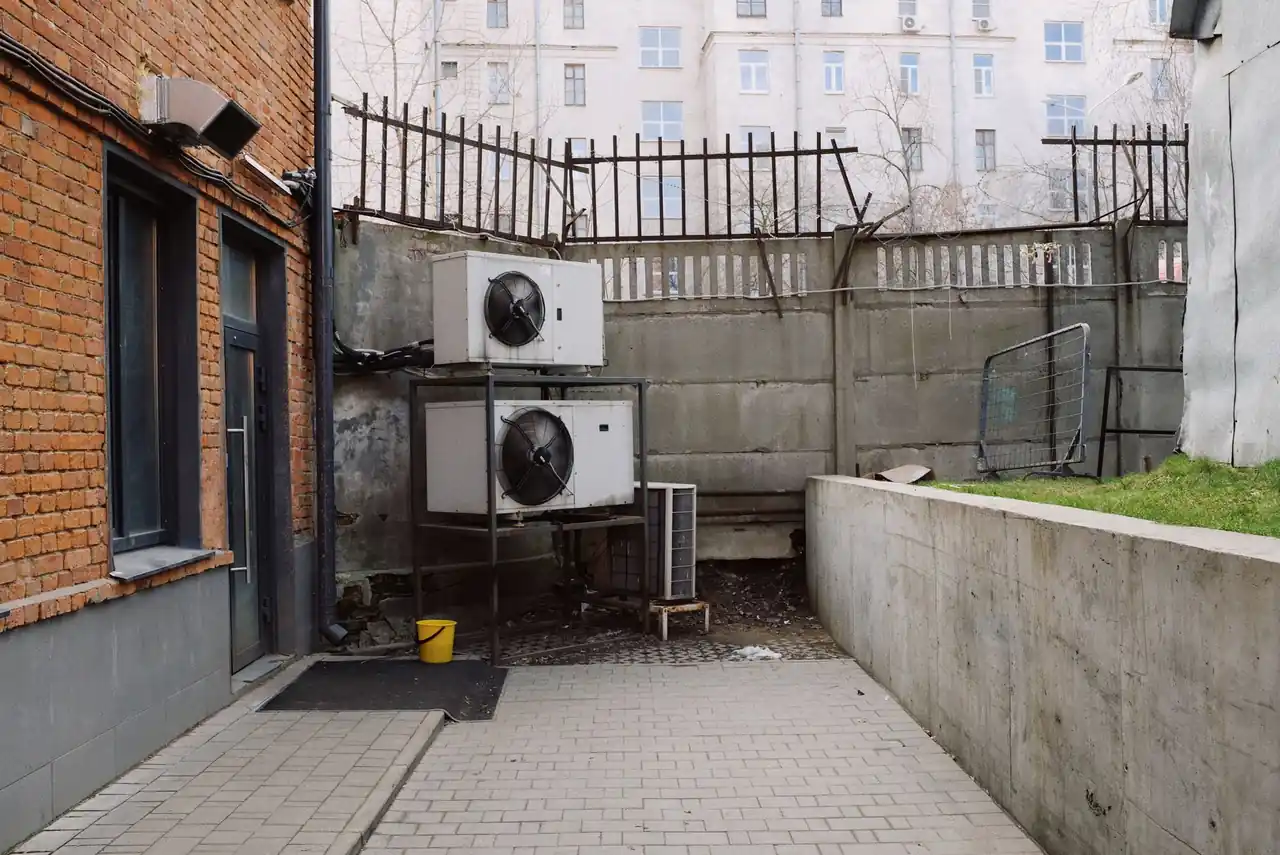
Steam radiator water hammer is the sound that brings us into Albany Park buildings, and it usually means trapped condensate or a failed air vent. We replace vents, re-pitch radiators and balance the system so upper floors heat like the lower ones. Then we listen through a full cycle to confirm the banging is gone.
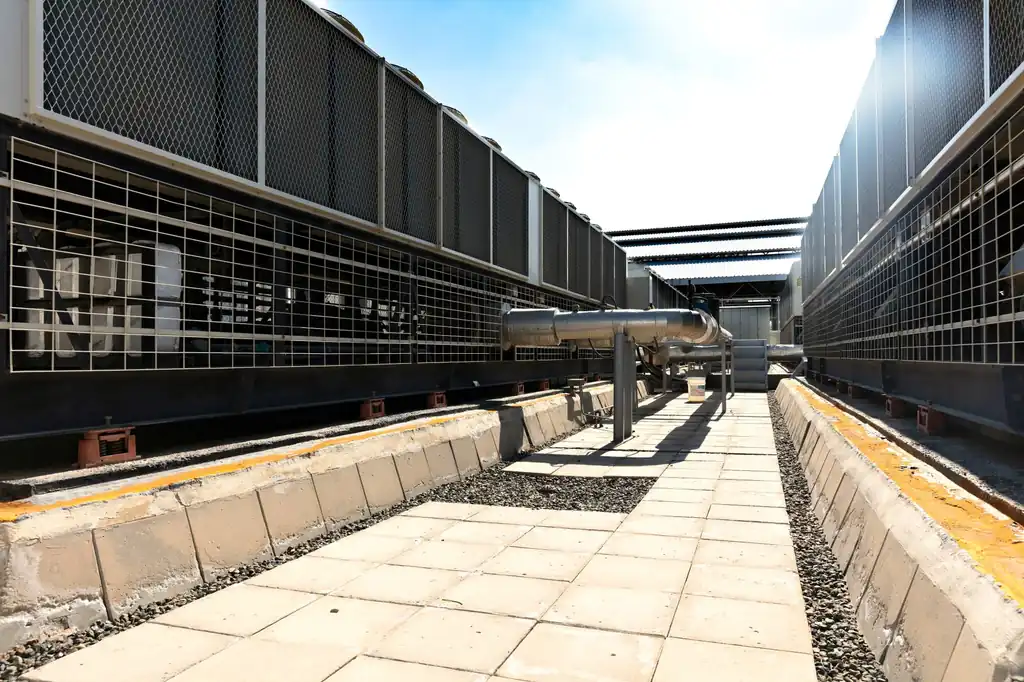
Homes need comfort restored fast; businesses need it without disrupting customers.
Brick two-flats and courtyard buildings here run radiator heat, window AC or a mix of both. We work around tenants, pets and tight basement access.
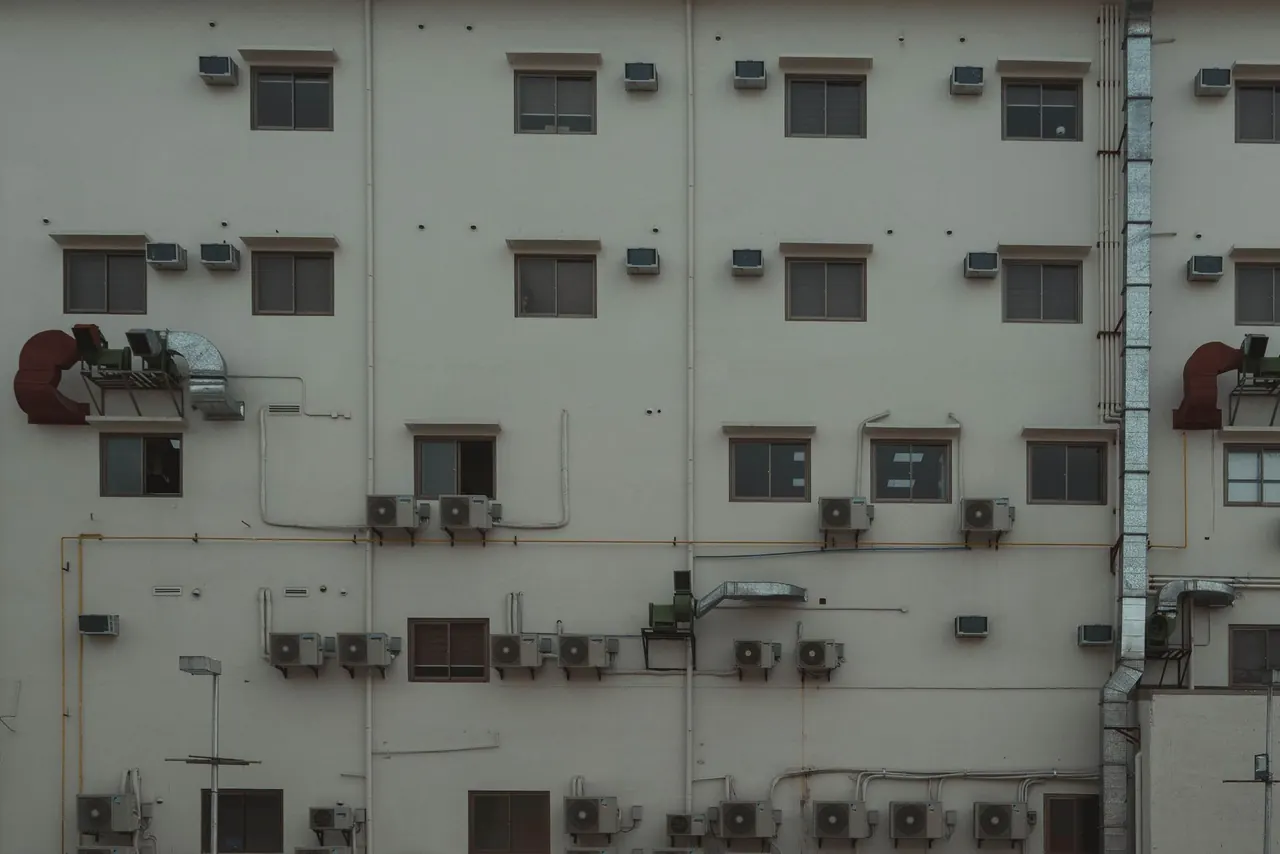
Storefronts and mixed-use buildings along the commercial corridors need service that does not shut down the business. We schedule around your hours.
Albany Park's building stock and weather create a specific set of HVAC problems you do not see as often in newer parts of the city. Dense brick two-flats, basement mechanicals, river-adjacent flooding and a lot of rental turnover all push systems harder.
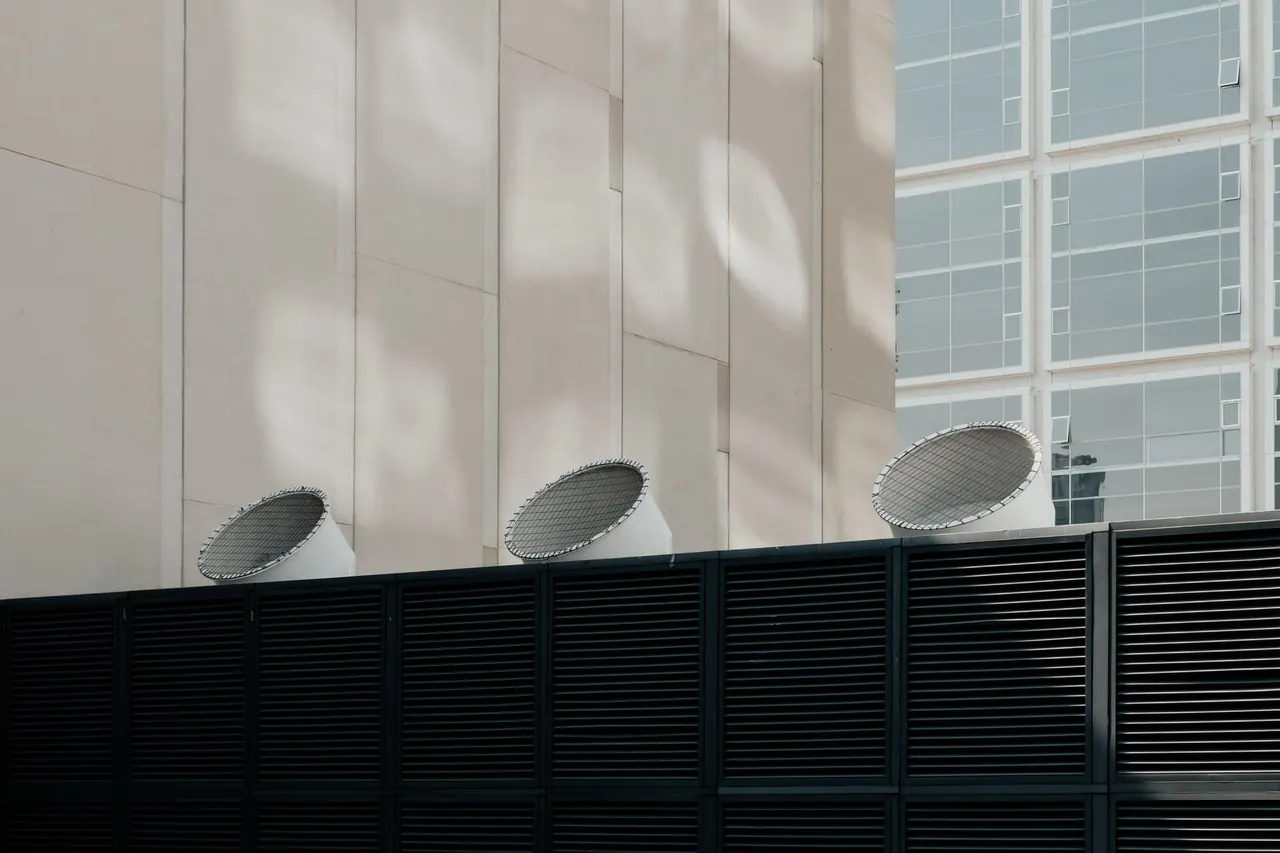
Oversized furnaces in older Albany Park two-flats hit the limit switch and shut down before the building warms up. Vintage ductwork with leakage makes it worse, because the system cannot move enough air.
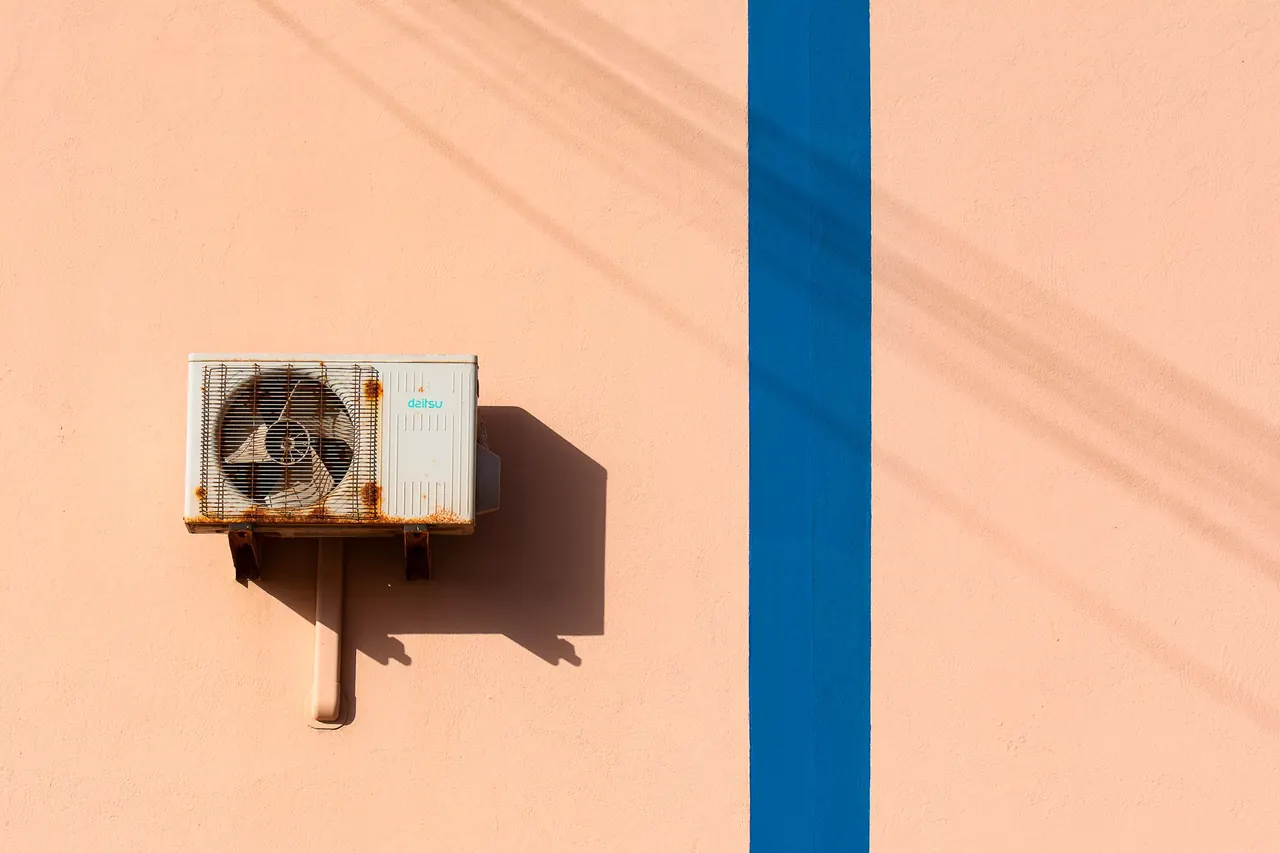
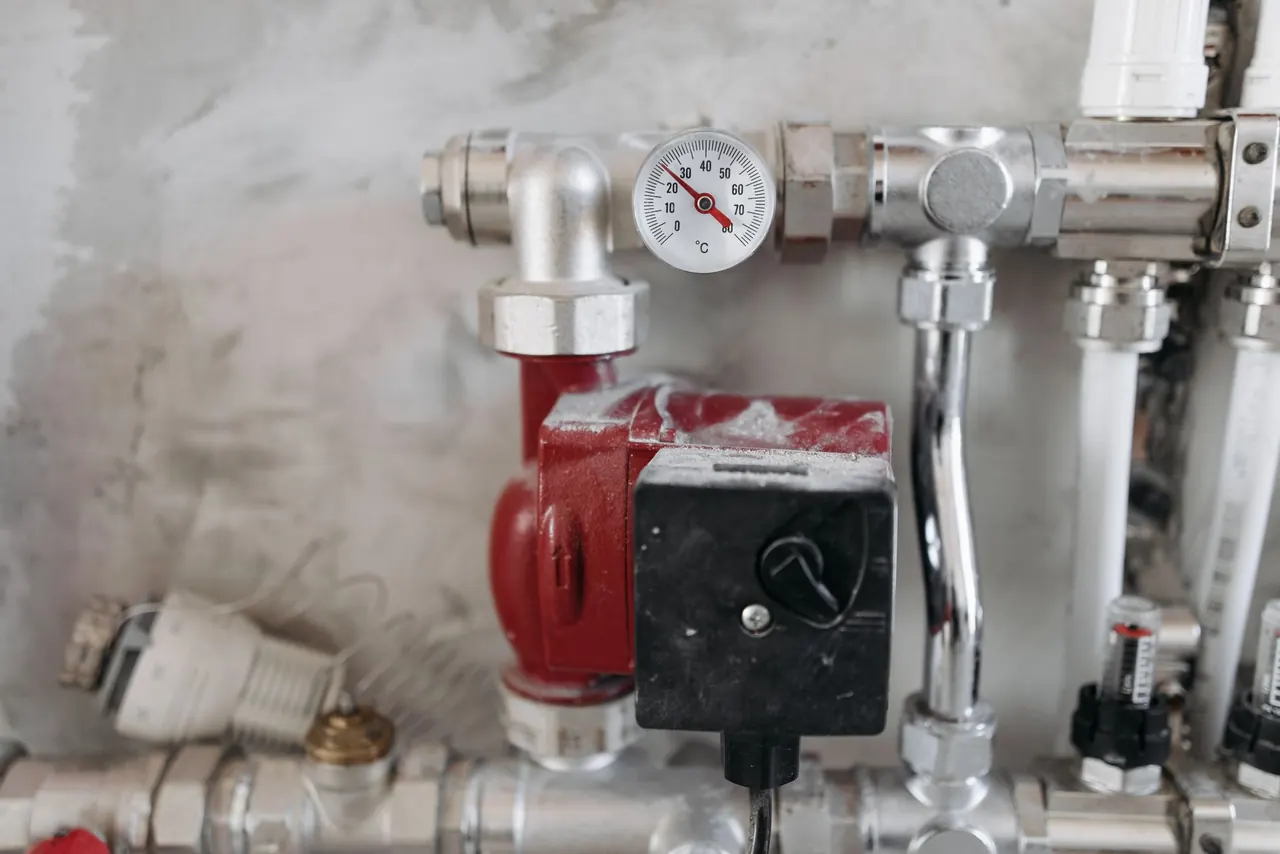
The hydronic and steam systems in courtyard buildings around Eugene Field Park are decades old, and air trapped in the lines plus failing zone valves cause pressure swings and banging. Hard water scale on the boiler surfaces makes it worse.
High-efficiency furnaces and AC units produce condensate, and in Albany Park's humid summers the lines grow biological slime and clog. When they back up, the safety switch shuts the system down or water damages the basement.
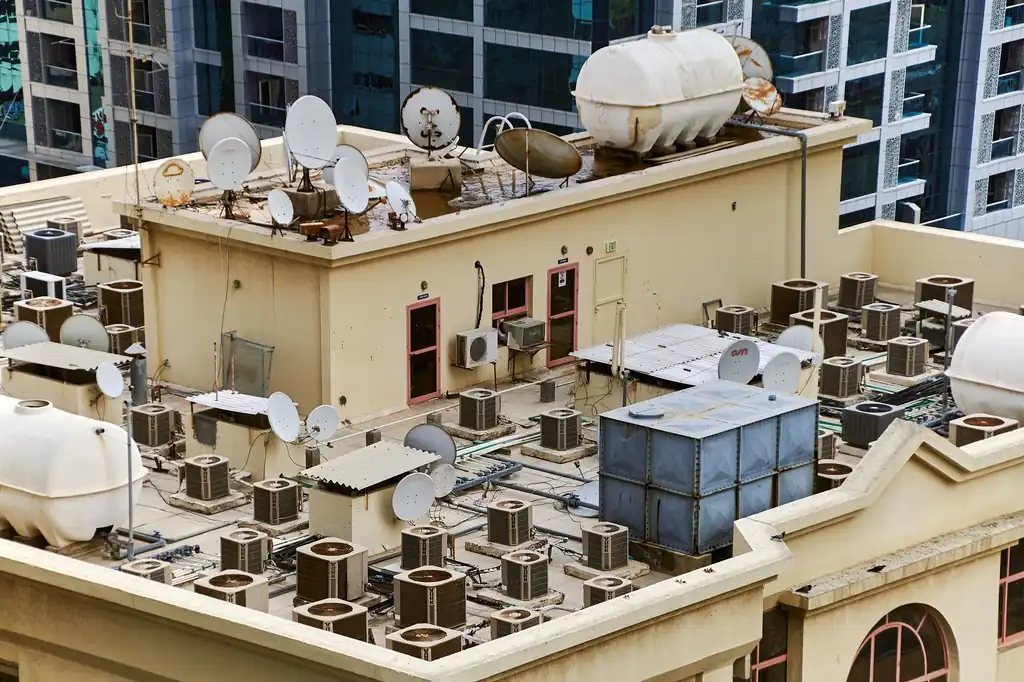
Ductless systems are popular here because so many units had window AC only, but they freeze when filters are neglected or the charge is low. Cold-climate heat pumps near Horner Park Edge also ice during defrost cycles in damp weather.
If you notice any of these, it is time to call a tech.
Any one of these is worth a call.
Nothing picked yet. Tap the signs you have noticed and this box will sum them up.
Albany Park is easy to get lost in if you do not know the grid, so our dispatchers orient every call against a landmark before sending a tech. That saves ten minutes of circling, and ten minutes matters when a family is without heat.
Landmark
The terminal at Kimball and Lawrence anchors the east side of our service area and gives techs a fixed reference point for the surrounding residential blocks.
Landmark
Eugene Field Park sits along the river and helps us split north and south routes, since the streets around it feed into the courtyard-building blocks we cover.
Landmark
The branch library on Kimball is a reliable landmark for the residential streets just west of the Brown Line, where we run a lot of boiler and radiator calls.
Landmark
The Lawrence Avenue commercial strip runs east-west through the middle of the neighborhood and is the spine our techs use to move between the north and south halves of the route.
Landmark
The edge of Horner Park marks the southern boundary of our Albany Park coverage and helps us decide whether a call is routed to this page or to a nearby neighborhood.
Commercial area
A mixed retail and restaurant corridor with apartments above many storefronts, which means HVAC work here often involves both commercial rooftop equipment and the residential units behind it.
Commercial area
Small storefronts and service businesses along Kimball near the Brown Line terminal, with rear mechanical access that techs reach through the alley rather than the front door.
Transit
The CTA Brown Line terminal at Kimball and Lawrence is the main transit anchor for the neighborhood and a fixed point our dispatchers use to time arrivals.
Albany Park gets the full Chicago seasonal swing, and that drives what breaks and when. Fall is when we book most of our tune-ups, because a furnace that fails in January is a much more expensive problem.
Albany Park sits in the middle of our North Side service region, so a call here often turns into work in the neighborhoods next door. If you own property in more than one of these areas, we can put them on the same maintenance schedule.
Straight answers to what people ask first.
The tune-up covers a flame sensor cleaning, igniter and capacitor test, heat exchanger inspection with a combustion analyzer, and a written report. It is the cheapest way to avoid a January emergency call.
The three most common causes in Albany Park are a failed hot surface igniter, a dirty flame sensor, and a gas valve that is not opening. In basement furnaces near the North Branch, water damage to the control board is a fourth. Do not keep resetting the unit. Call for a diagnostic before the problem damages the heat exchanger.
If your heat is out or your AC is struggling, call HVAC Chicago Pro at (312) 638-0812. Prompt service is common when you call before noon, and emergency slots stay open nights and weekends for no-heat and no-cool calls.
Call (312) 638-0812 or email info@hvacchicagopro.com and tell us what your system is doing. If you leave a message after hours, we'll call you back with a plan.