For homes
We repair steam and hot water boilers in houses, two-flats, and greystones. You get a diagnosis, a quoted repair, and a tested system before we leave.
- Cold radiators upstairs
- Banging steam pipes
- Boiler losing pressure
When your boiler quits in October, you need boiler repair Chicago IL that actually shows up. We work on steam and hot water systems in greystones, two-flats, and high-rises from Lakeview to Logan Square. Our techs carry the parts to fix pressure loss, water hammer, and no-heat calls quickly.
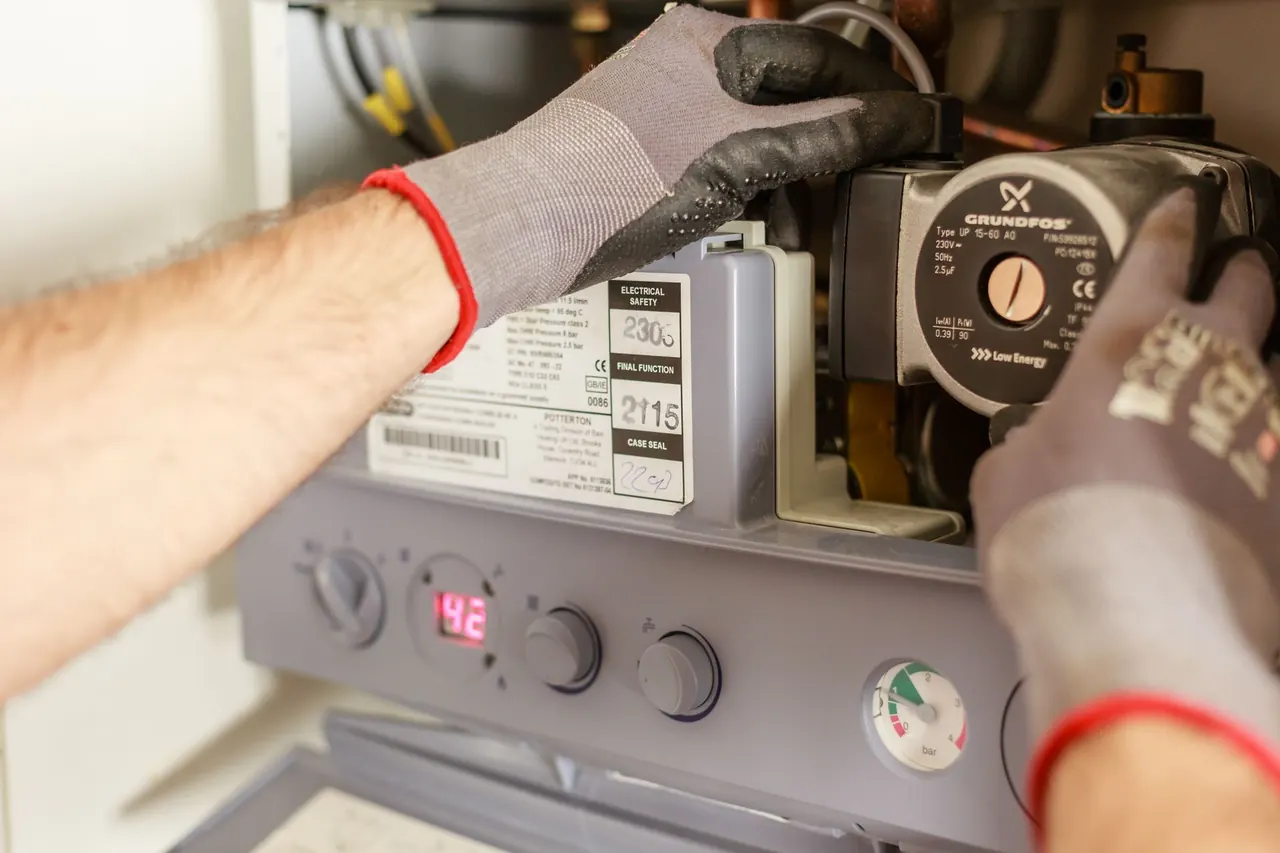 Pressure checkBurner testLeak trace
Every boiler repair visit starts with a full diagnostic and ends with a tested system. Here is what is covered in a standard repair, and what we quote separately if the job grows.
We check water level, pressure, burner operation, flue draft, and all safety controls. You get a plain-language explanation of what failed and why. Diagnosis takes 30 to 45 minutes and is included when you approve the repair.
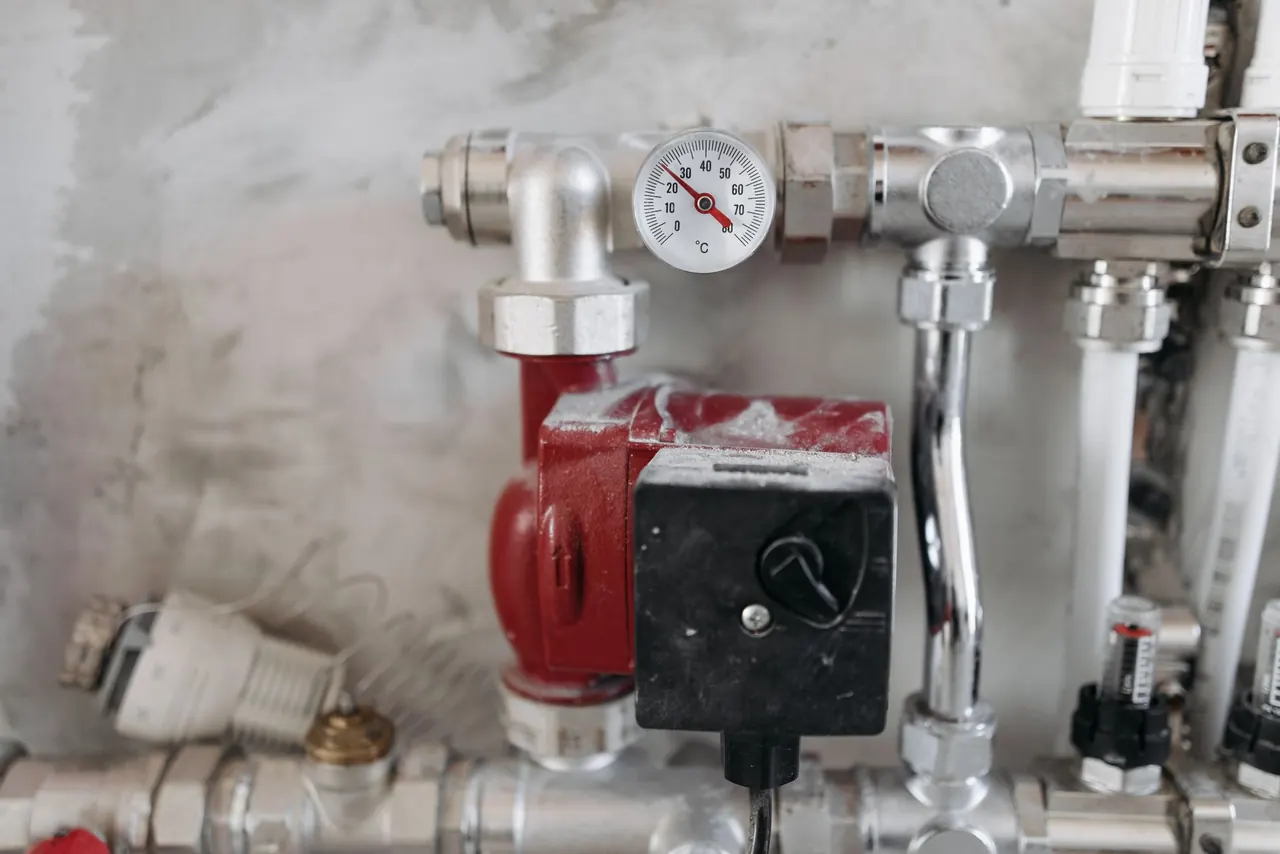
Thermocouples, flame sensors, hot surface igniters, gas valves, zone valves, and circulator pumps are common replacements. We use parts that meet ICC Mechanical Code Compliance and test the system through a full heating cycle before we leave.
If your boiler is losing pressure, we trace the leak at radiator valves, air vents, or the expansion tank. We repair or replace the failed component and refill the system to the correct cold-fill pressure for your setup.
We test gas pressure with a manometer and check combustion with a flue gas analyzer. The relief valve, low-water cutoff, and spill switch all get tested. If anything fails a safety check, we tell you before we leave.
You get a record of what failed, what we replaced, and the pressure readings we took.
The approach is the same for a home and a business. What changes is the access, the schedule and who needs the paperwork.
We repair steam and hot water boilers in houses, two-flats, and greystones. You get a diagnosis, a quoted repair, and a tested system before we leave.
We work on boilers serving multi-unit buildings and small commercial spaces. Property managers get a written log and a clear repair-or-replace recommendation.
A plain-language look at what Boiler Repair involves and when it is needed.
See how it worksBoiler repair Chicago IL is the diagnostic and mechanical work that restores heat and hot water to a steam or hydronic system. We start by checking the obvious: water level in the sight glass, pressure on the gauge, and whether the burner fires at all. From there we test the thermocouple, flame sensor, gas valve, circulator pump, and zone valves with a digital multimeter and manometer. If the system is losing pressure, we trace the leak at radiator valves, air vents, or the expansion tank before we touch the burner.
Chicago winters hit hard, and most of the housing stock here runs on older steam or hot water systems. A boiler that ran fine in September can fail on the first 20-degree night. We see steam boiler not heating repair Chicago Illinois calls every week from October through March, plus boiler pressure loss repair Chicago in buildings with original 1920s piping. If you need a Chicago boiler company that knows these systems, we keep common parts on the truck so most repairs finish in one visit.
A boiler that fires is not the same as a boiler that heats evenly.
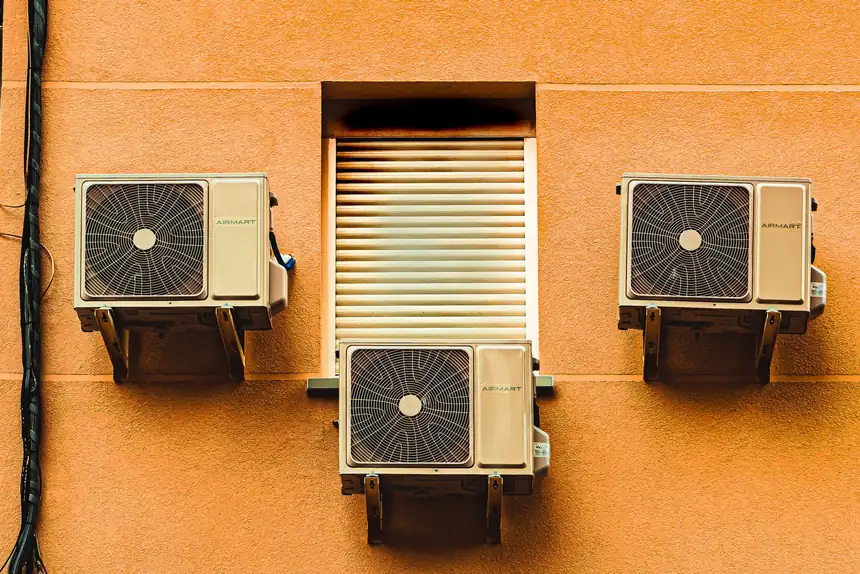
From the first call to the final pressure test, here is what you can expect when you book boiler repair service Chicago with us.
We ask what you are seeing: no heat, low pressure, banging pipes, or water on the floor. That tells us whether to send a tech with a circulator pump or a combustion analyzer first. You get a two-hour arrival window, not a four-hour maybe.
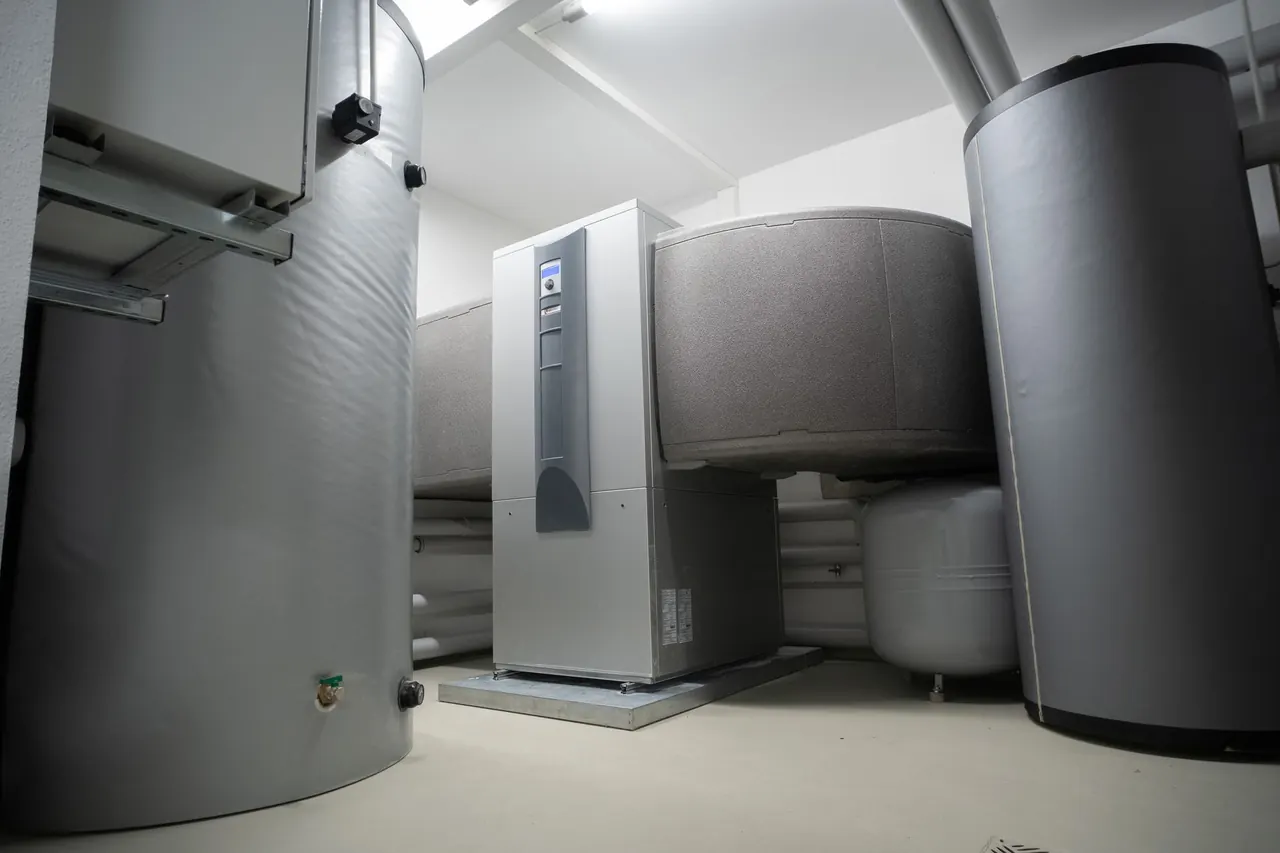
The tech walks the system: sight glass, pressure gauge, burner, flue, and zone valves. We use a digital multimeter on the controls and a manometer on gas pressure. Diagnosis usually takes 30 to 45 minutes, and we tell you the finding before any repair starts.
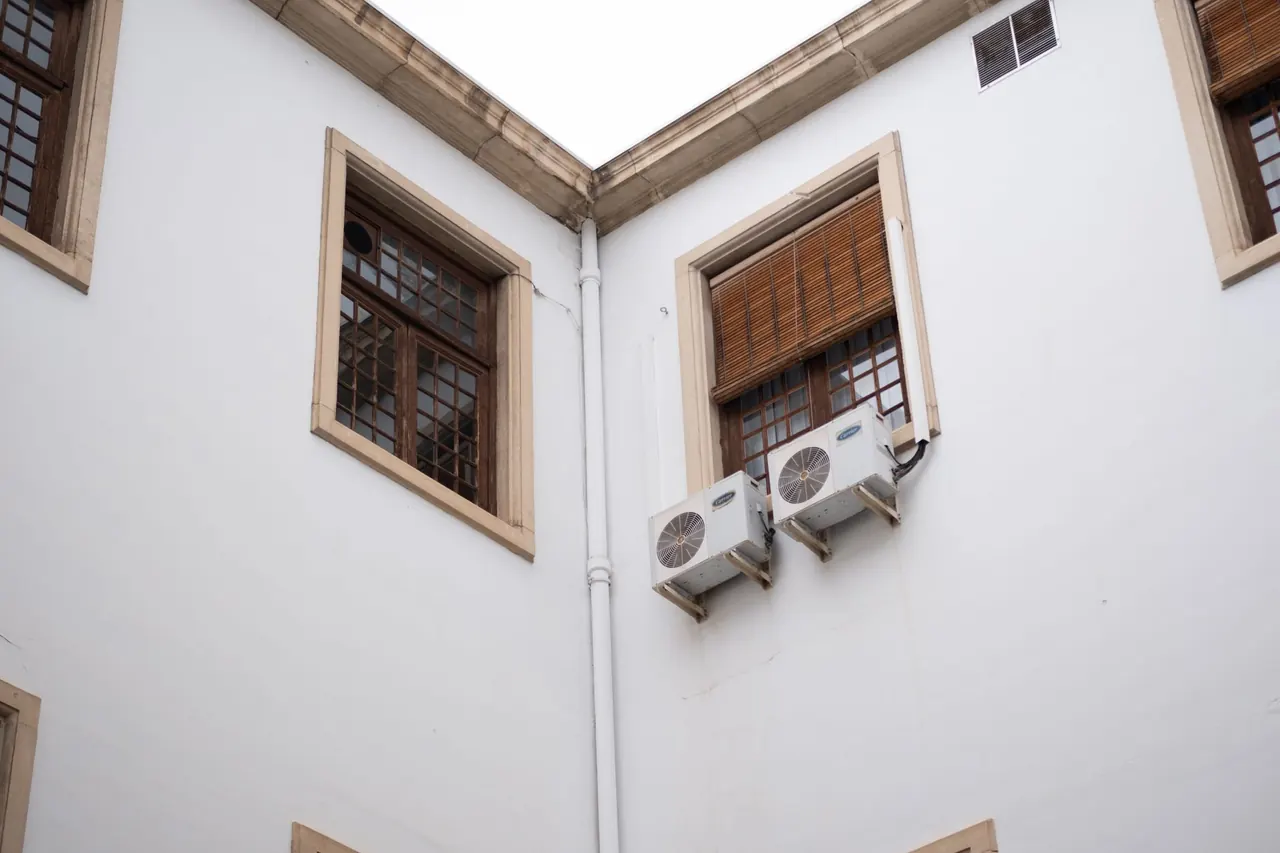
You get the price for the fix before we open a toolbox. If there are two paths, like repairing a zone valve versus replacing it, we quote both. No surprise line items, no hourly meter running while we think.
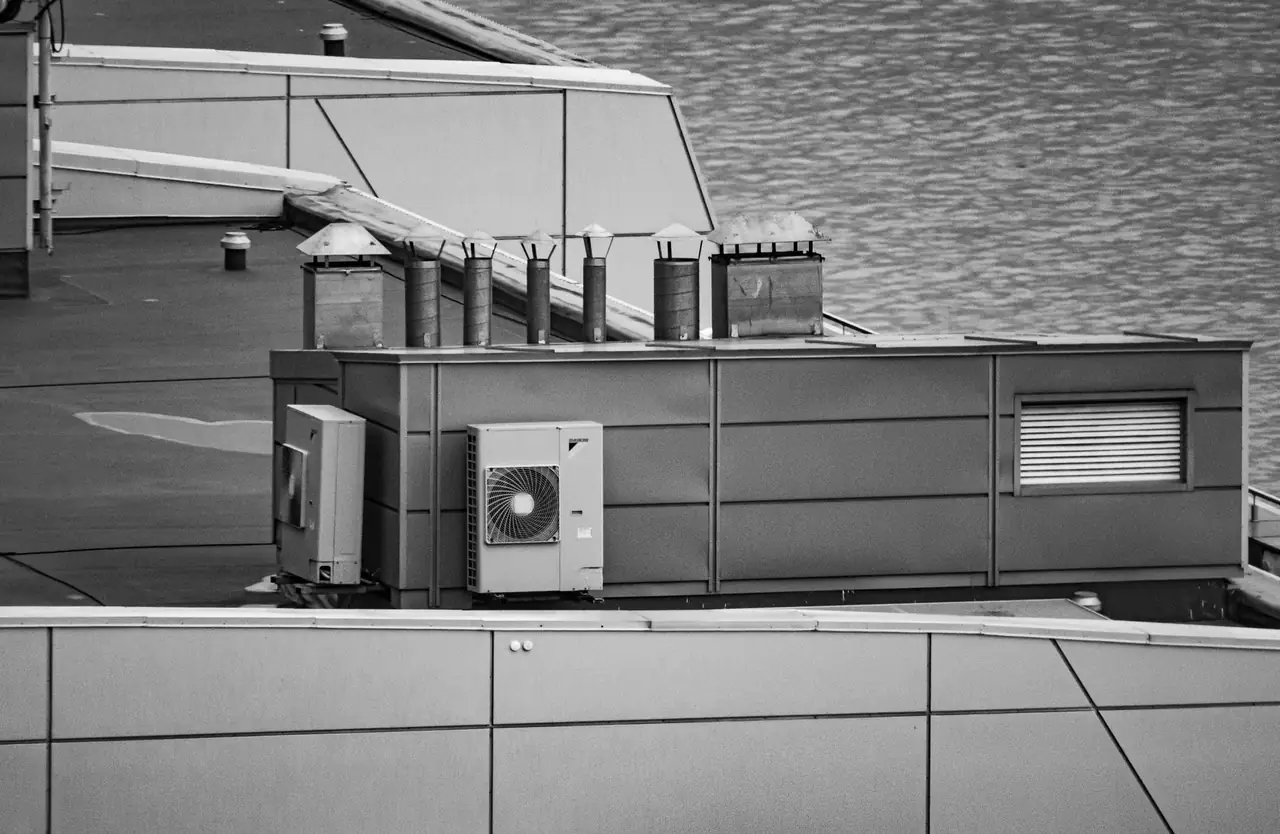
We replace the failed part, then run the boiler through a full cycle. That means watching it fire, reach pressure, and shut down on the aquastat or pressuretrol. We check for gas leaks at every joint and confirm the flue is drafting correctly.
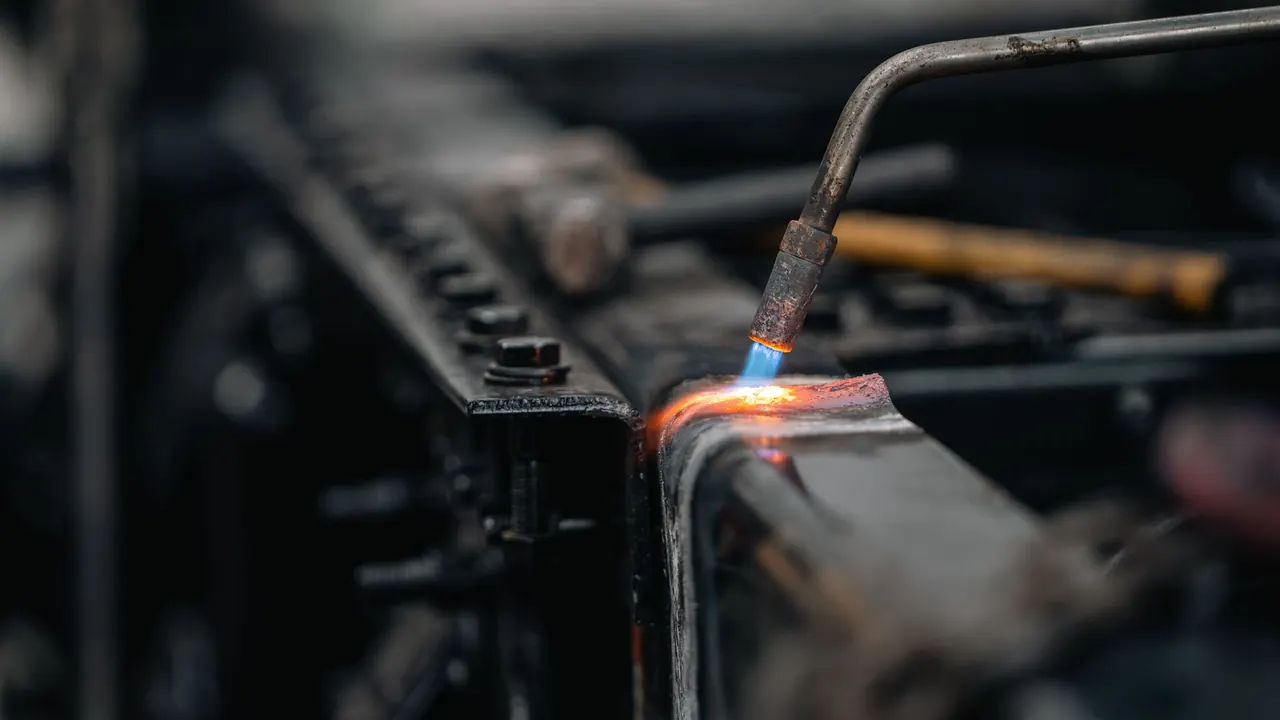
Before we leave, we show you what failed, what we replaced, and what to watch for. You get a written service log with the parts used and the pressure readings. If a follow-up visit is needed, it is already scheduled.
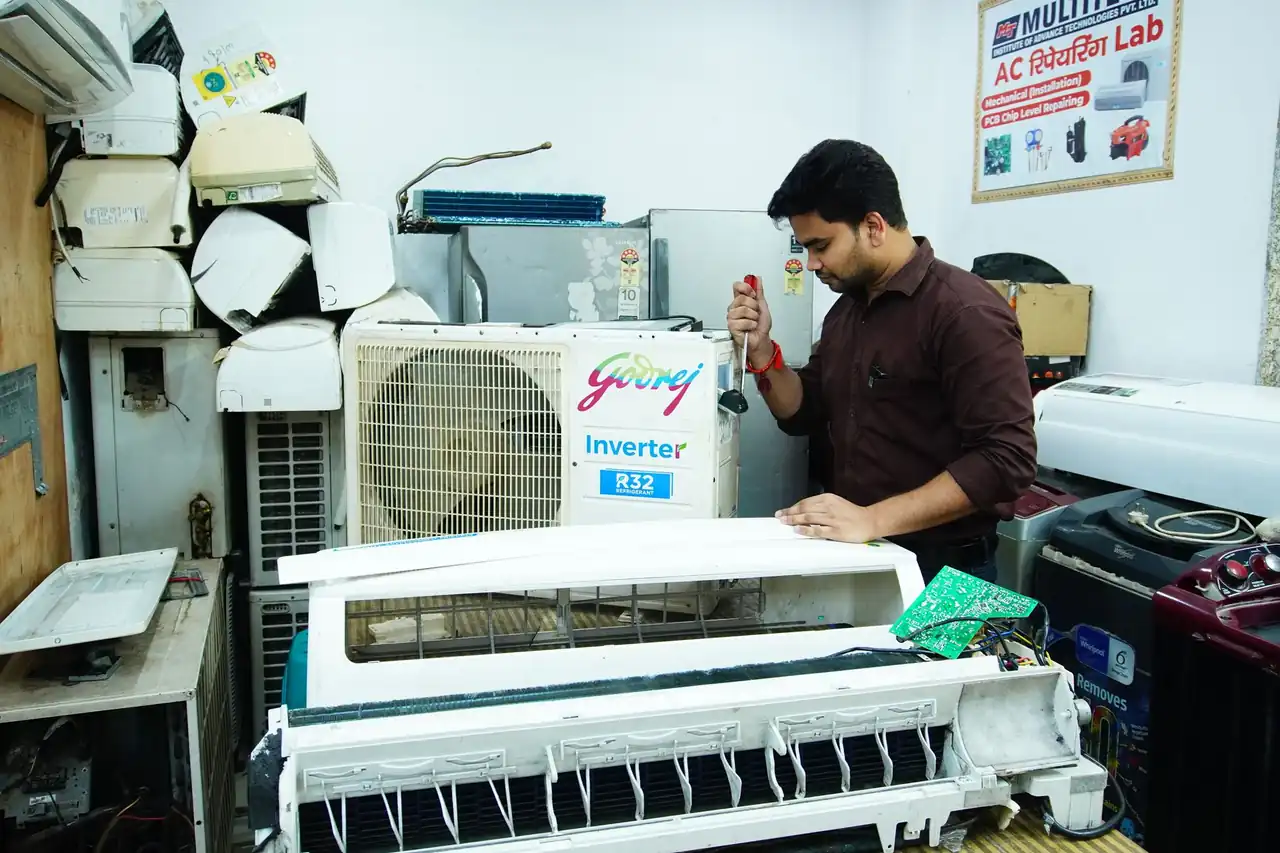
Move across a circle, or focus it and press Enter, for an illustrative thermal view of the photograph.
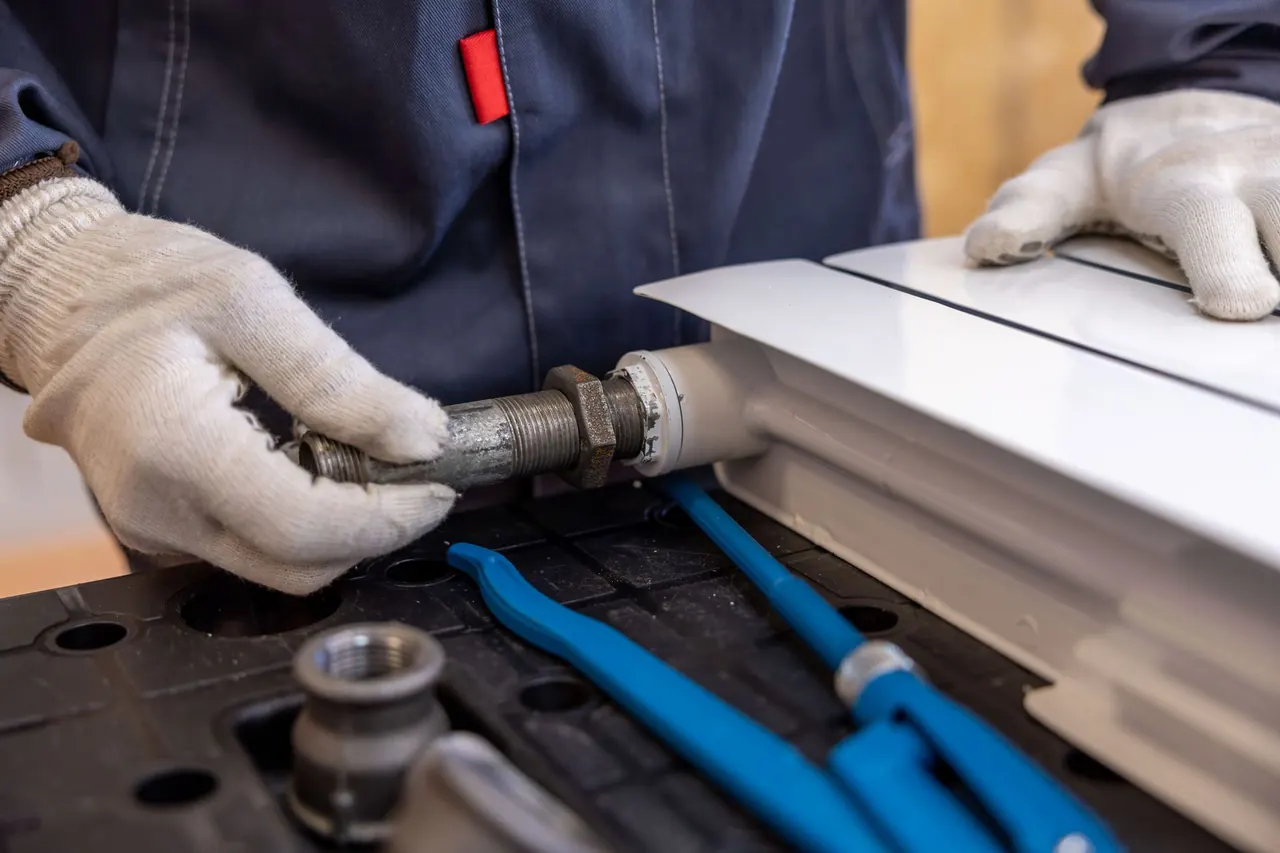
Measures combustion efficiency and carbon monoxide on every burner repair. If the flue is not drafting correctly, we find it before it becomes a safety issue.
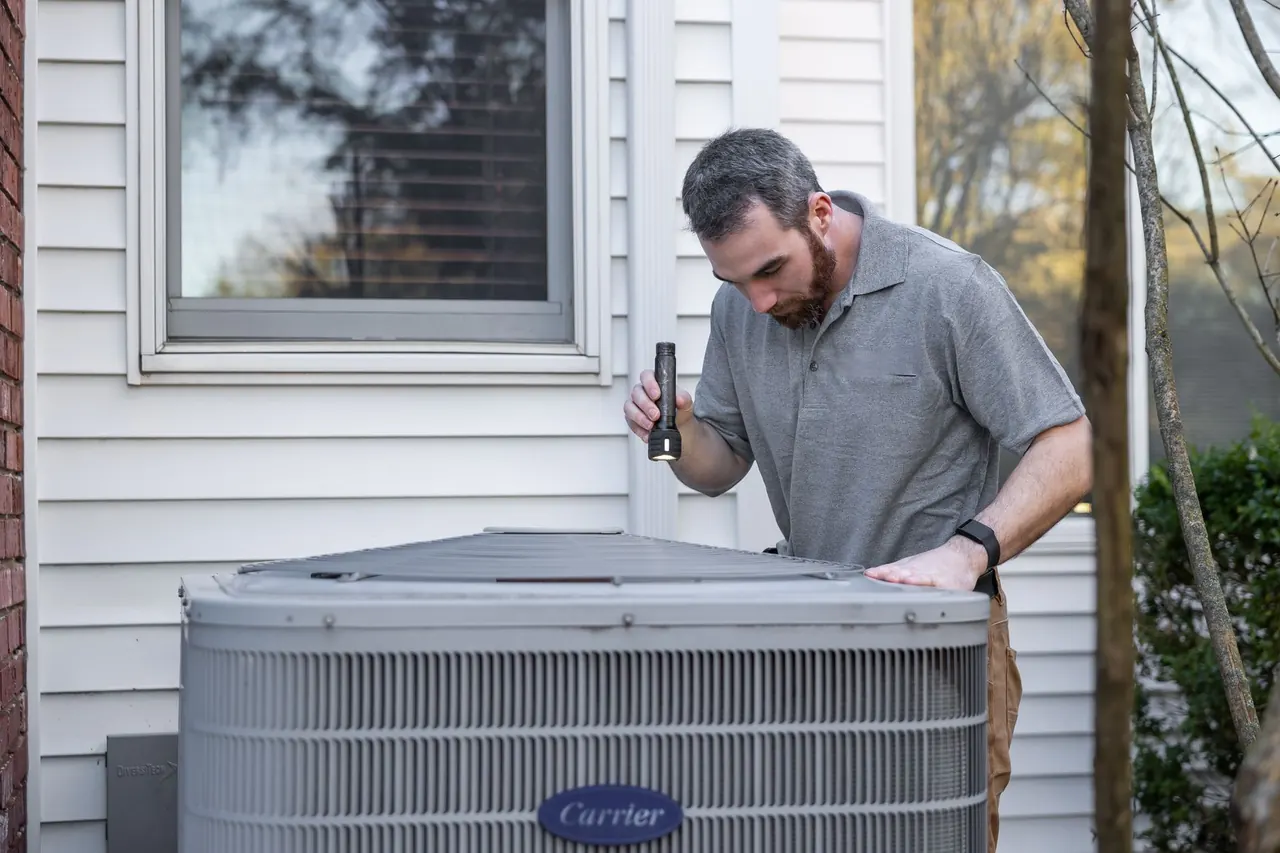
Tests thermocouples, flame sensors, gas valves, and circulator pumps for continuity and voltage. This is how we confirm a failed part instead of replacing it on a hunch.
Checks gas pressure at the valve and verifies draft in the flue. Correct gas pressure is the difference between a clean burn and a sooting boiler.
Finds cold spots in hydronic lines and hot spots at failing joints. It helps us trace a leak or a blocked zone without opening walls.
Confirms the air-to-fuel ratio after any burner or gas valve work. We do not leave a boiler until the numbers are in range.
Thermal views are illustrative, generated from the photographs.
Used on the cooling side of dual-fuel systems and on refrigerant circuits tied to boiler controls. Standard equipment on every truck.
Measures airflow at registers and flue outlets. Useful when a boiler shares a mechanical room with other equipment.
We test flue gas with a combustion analyzer before we call a burner repair done. That confirms the air-to-fuel ratio is correct and the boiler is not producing excess carbon monoxide. It is a five-minute step that catches problems a visual inspection misses.
On hot water systems, we balance zones so every radiator gets its share of flow. That means adjusting valves and checking circulator performance.
We set the pressuretrol to the correct cut-in and cut-out for your building, then verify the low-water cutoff works. This reduces water hammer and extends the life of the piping.
When a repair turns into a replacement conversation, we size the new boiler with ACCA Manual J Load Calculation. That accounts for your building's insulation, windows, and square footage. An oversized boiler short cycles and wastes gas.
Your steam boiler quits on the first 20-degree night in October and the house is dropping fast.
We triage the call, send a tech with a thermocouple, flame sensor, and circulator pump on the truck, and diagnose on arrival. Most no-heat calls get repaired quickly, and we test the system through a full cycle before leaving.
Outcome: Heat is back quickly, usually within two to four hours of your call. You get a written log of what failed and what we replaced.
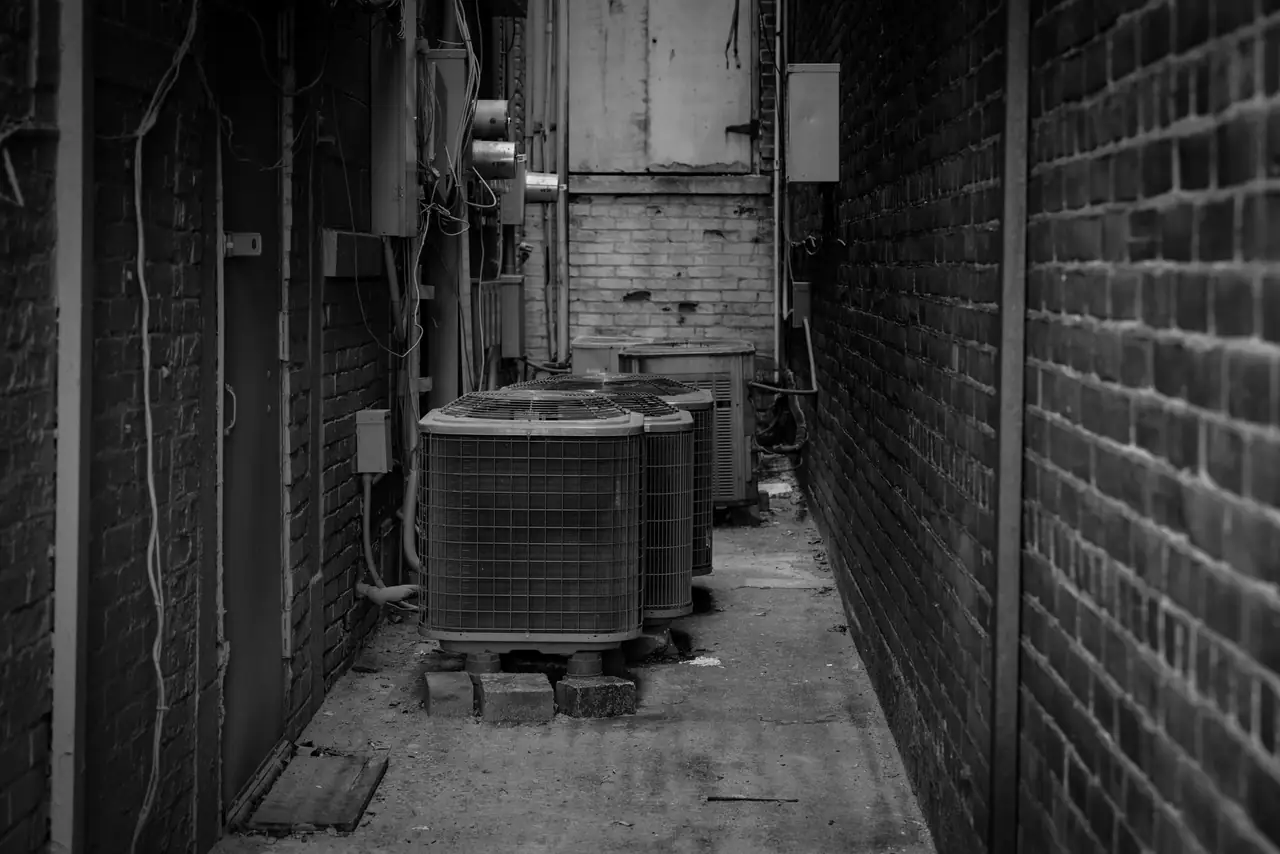
You own a greystone in Wicker Park with original 1920s steam piping and one radiator never heats.
We inspect the radiator valve, air vent, and supply line, then check the pressuretrol setting. Cold radiators on old steam systems are usually an air vent or balance issue, not a boiler failure. We fix the vent and balance the system.
Outcome: Every radiator heats evenly, and the boiler stops short cycling. Your gas bill often drops because the system is no longer running flat out.
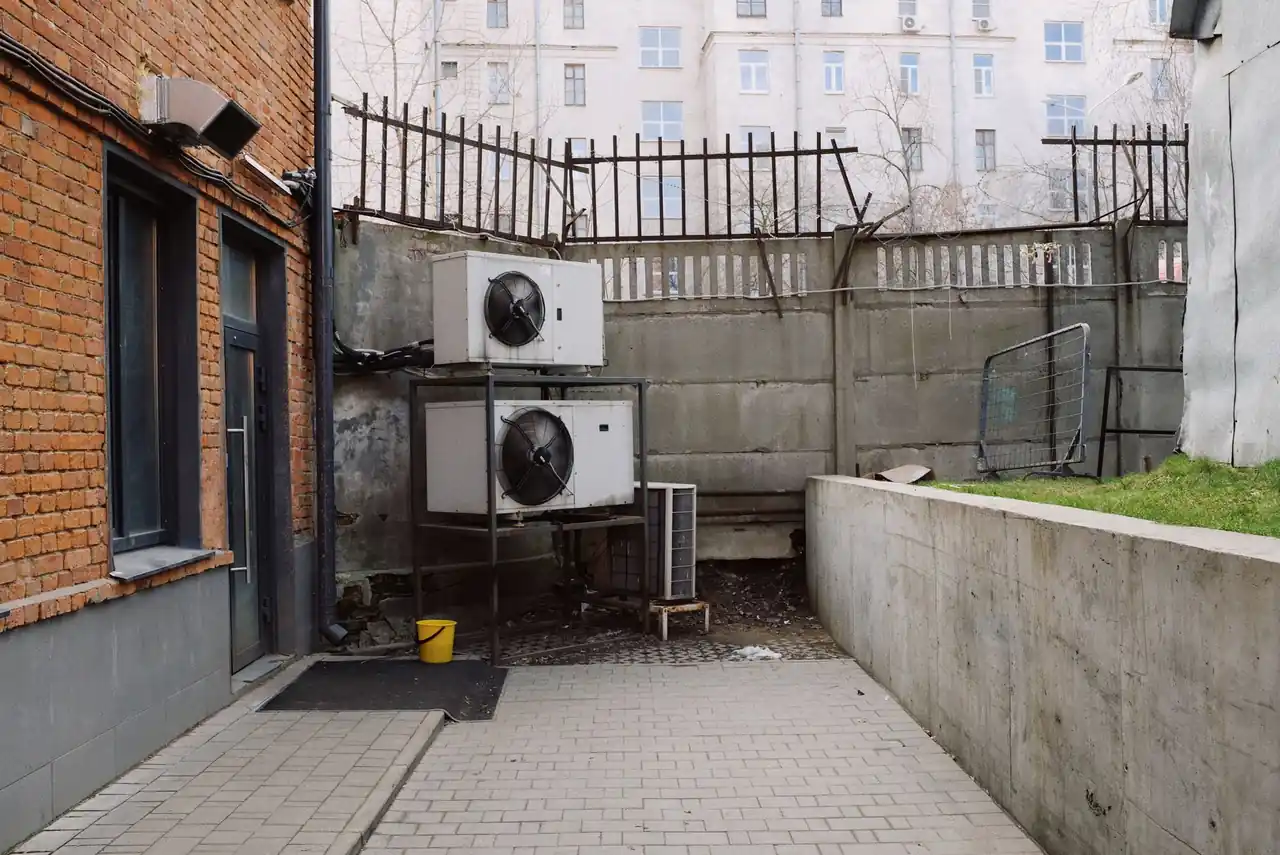
Your boiler is losing pressure every week and you keep adding water to the system.
We trace the leak at radiator valves, air vents, and the expansion tank. Constant fresh water is the fastest way to kill a boiler from the inside. We repair the failed component and refill to the correct cold-fill pressure.
Outcome: The system holds pressure for the season, and you stop topping it off. If the leak is in buried piping, we tell you what that repair involves before you commit.
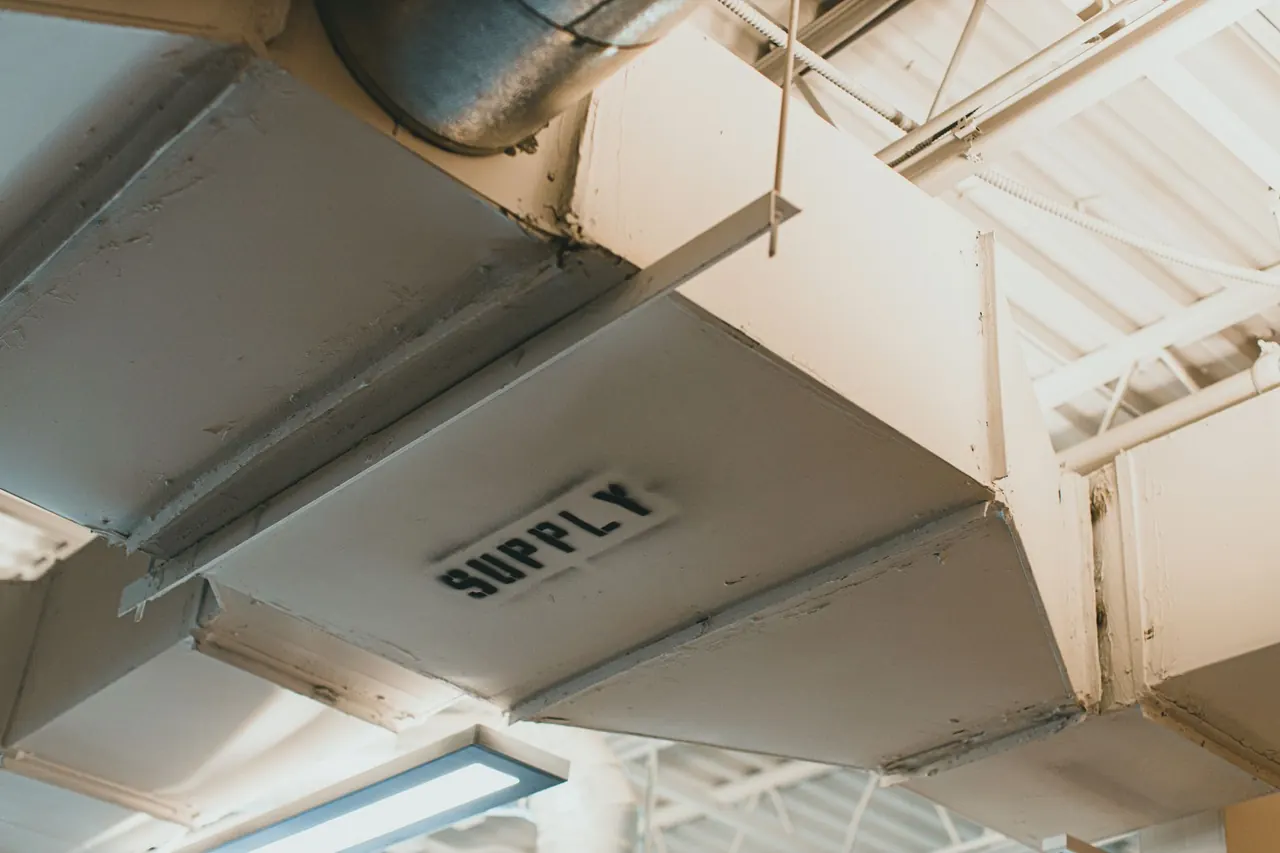
You are selling a two-flat and the inspection flagged the boiler's flue and gas valve.
We inspect the flue for proper draft and the gas valve for correct operation. If either fails ICC Mechanical Code Compliance, we repair or replace it and document the work. We can coordinate with your attorney or inspector.
Outcome: The boiler passes re-inspection, and you have a written service log to hand the buyer. That keeps the closing on schedule.
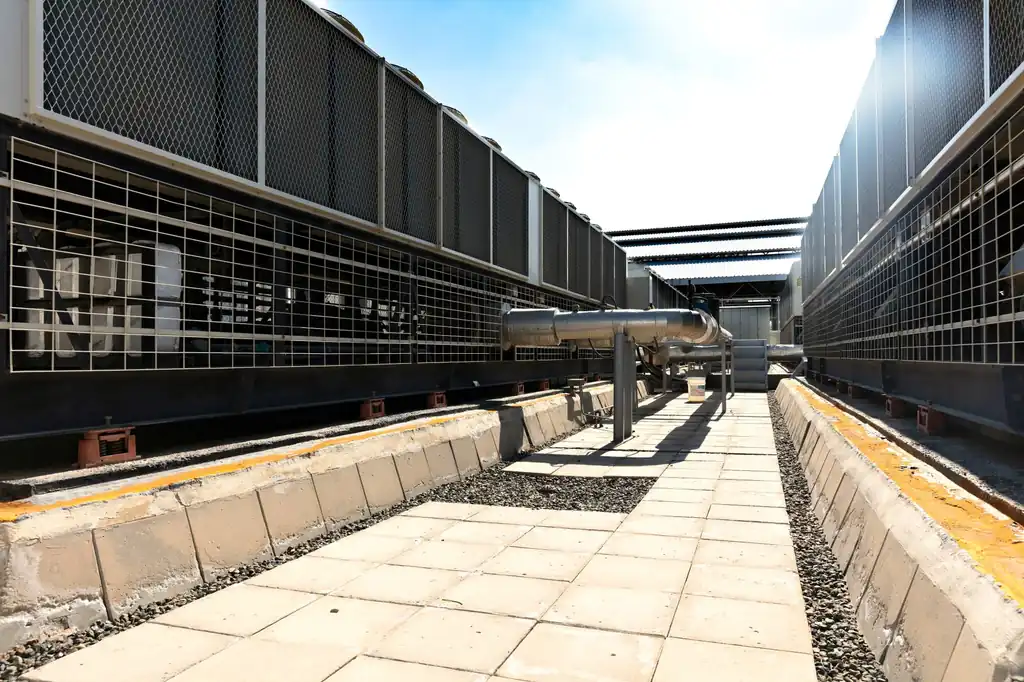
We diagnose the actual failure and quote both repair and replacement. If the heat exchanger is cracked, repair is not an option. If the failure is a circulator pump or gas valve, we give you the repair price and let you decide.
Outcome: You make the call with real numbers in front of you, not a sales pitch. If replacement makes sense, we size it with ACCA Manual J Load Calculation.
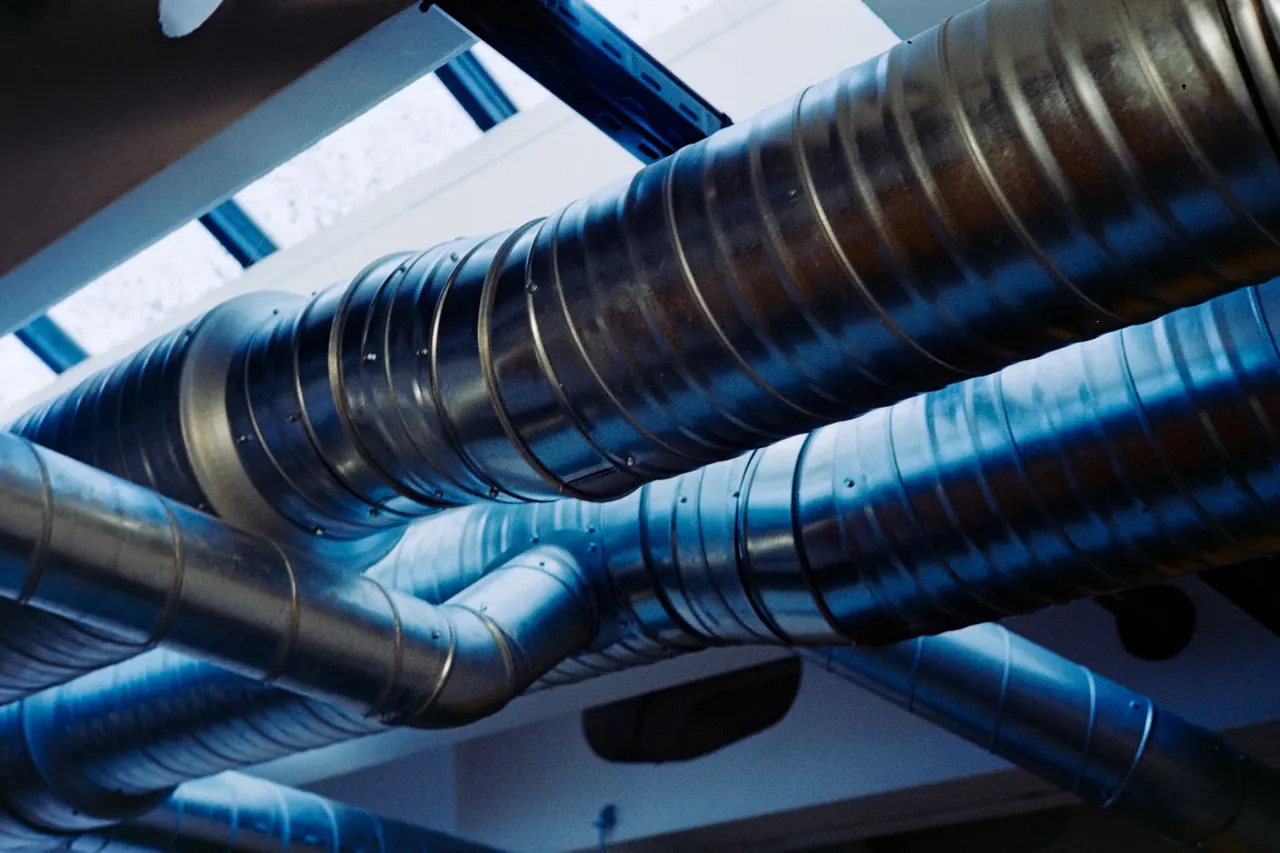
Chicago's housing stock is the biggest factor in how we approach boiler repair. Greystones, courtyard buildings, and two-flats often run original steam systems with piping that has been in the walls for a century. Those systems need low pressure and clean air vents, not high-pressure fixes.
Our winters swing from 40 degrees in November to single digits in January, and a boiler that short cycles in mild weather will fail when it gets cold. We also work in high-rises and newer construction where hydronic systems run at higher pressure with zone valves and circulator pumps. If you need hot water boiler repair Chicago, Illinois, we match the approach to the building.
Cook County inspectors want to see code-correct gas and flue work, so we document every safety check. For a boiler repair near me Chicago IL call in Lakeview or Portage Park, we are usually in the neighborhood already.
Before: The upstairs unit had cold radiators while the downstairs cooked. The boiler ran constantly and the gas bill was climbing. A previous company suggested replacing the boiler entirely.
After: We found a failed circulator pump and air trapped in the upstairs zone. We replaced the pump, purged the lines, and balanced the zones. Both units heated evenly, and the boiler stopped running nonstop.
Bleed the upstairs radiators each October and check the circulator for unusual noise. An annual tune-up catches a failing pump before it quits in January.
Before: The banging in the steam pipes was loud enough to wake tenants at 5 a.m. Two air vents had failed and the pressuretrol was set too high. The building owner was worried about pipe damage inside the walls.
After: We replaced both air vents and reset the pressuretrol to the correct cut-in and cut-out. The banging stopped quickly. Pressure held steady through the season, and no pipes needed replacement.
Have the air vents checked every fall.
Before: The boiler was losing pressure every week and the building engineer was adding water constantly. Two zones ran cold. The constant fresh water was corroding the system from the inside.
After: We traced the leak to a failed zone valve and a bad expansion tank. We replaced both, refilled to the correct cold-fill pressure, and verified the system held for 48 hours. All zones heated evenly.
Check the expansion tank and zone valves each fall. If you are adding water more than once a season, call us before the leak damages the boiler.
Most boiler calls fall into a handful of categories. Here are the ones we see most often in Chicago buildings, and what happens if you let them go.
Heat restored with the right part, tested before we leave.
Most no-heat calls get diagnosed and repaired in one visit. We stock thermocouples, flame sensors, and circulator pumps on every truck, so a failed part does not turn into a two-day wait. If we need a specialty part for a Weil-McLain or Burnham, we tell you the timeline before we leave.
Steam systems are not the same as forced air. Water hammer, air trapped in hydronic lines, and low-water cutoff trips need a tech who understands pressuretrol settings and Hartford loops. We work on both, and we explain what failed in plain language instead of guessing.
That matters when a flue pipe, gas valve, or relief valve is involved. We do not patch a safety device to get you through the week; we fix it right so the inspection passes.
If your boiler is 25 years old and the heat exchanger is cracked, we tell you. You get the cost to repair a boiler in Chicago IL and a replacement quote side by side, then you decide.
Clear records you can keep and share.
Parts used and pressure readings
Images of the failed part
Price before work starts
Combustion and cycle results
Knowing which system you have changes what we check first and how we set it up.
Use low pressure and air vents to move heat
Use a circulator pump to move hot water
Pair a boiler with a heat pump or AC
A list like this tells people straight away whether you cover their street. Not listed? Call and ask: it only takes a minute.
Based in Chicago and covering the places around it. Pick one for local details.
A thermocouple or flame sensor replacement sits at the low end. A circulator pump, zone valve, or gas valve replacement sits higher. Diagnosis is included in the repair price when you approve the work. If you only want the diagnosis, we quote that separately before we start.
The three most common causes are a failed thermocouple, a dirty flame sensor, or low water pressure in the system. If the pilot lights but the burner never fires, start with the flame sensor. If the boiler fires but radiators stay cold, you likely have air trapped in hydronic lines or a failed circulator pump. We test all three in the first 30 minutes.
We do. Our techs work on steam and hot water systems across Cook County, including Weil-McLain and Burnham boilers in greystones and two-flats. We handle water hammer, pressuretrol issues, and low-water cutoff trips. If your steam boiler not heating repair Chicago Illinois call comes in before noon, we can usually be there quickly.
A well-maintained steam or hot water boiler lasts 15 to 25 years in Chicago. Hard water and short cycling shorten that. We also check the heat exchanger for cracks, because that is the one failure you cannot patch.
Other services from the same team.
Call (312) 638-0812 and we will triage your no-heat call right now. We give you a two-hour arrival window, upfront pricing, and a tech who knows steam and hot water systems. If it is after hours, we tell you straight whether we can make it tonight.
Call (312) 638-0812 or email info@hvacchicagopro.com and tell us what your system is doing. If you leave a message after hours, we'll call you back with a plan.