HVAC in Wrigleyville IL: Furnace, AC, and Boiler Repair

When your heat quits on a 10-degree night or your AC dies before a Cubs homestand, HVAC in Wrigleyville IL has to be handled by someone who knows these blocks.

Chicago, Illinois

HVAC in Wrigleyville

Serving Wrigleyville and nearby

  • Written service plans
  • Careful property protection
  • One point of contact
  • Prepared local crews
Wrigleyville

HVAC in Wrigleyville IL: Local Crews, Local Buildings

HVAC in Wrigleyville IL is not the same job as HVAC in a suburban subdivision. The housing stock here is dominated by vintage greystones and two flats with original steam radiator systems, and those systems need a technician who carries a tube bender and a manometer, not just a phone and a clipboard.

We serve the Clark Street Corridor, Addison Corridor, and Sheffield Avenue Blocks, plus the landlord-owned rentals around Gallagher Way that sit empty for weeks and then run full-tilt on game weekends. Our trucks stock hot surface igniters, flame sensors, inducer motors, and run capacitors for Carrier, Trane, Lennox, and Rheem equipment, so most repairs finish in one visit.

As a Wrigleyville HVAC company, we handle everything from a clogged condensate drain line to a full furnace replacement, and we do it in Cook County weather that swings from 95-degree July afternoons to minus-10 wind chills in January.

Wrigleyville has a specific HVAC rhythm. Short-term rental and game-day occupancy spikes create irregular heating and cooling loads, so equipment cycles harder than its age suggests. Many properties are landlord-owned with deferred HVAC maintenance, which means we often walk into a furnace that has not been serviced in three or four seasons. Add narrow lots that complicate outdoor condenser and mini split placement, and you get a neighborhood where a technician has to solve access problems before solving the mechanical ones. We built our Wrigleyville routes around that reality.

Explore our services

Good to know in Wrigleyville

  • Narrow lots with no side-yard condenser access

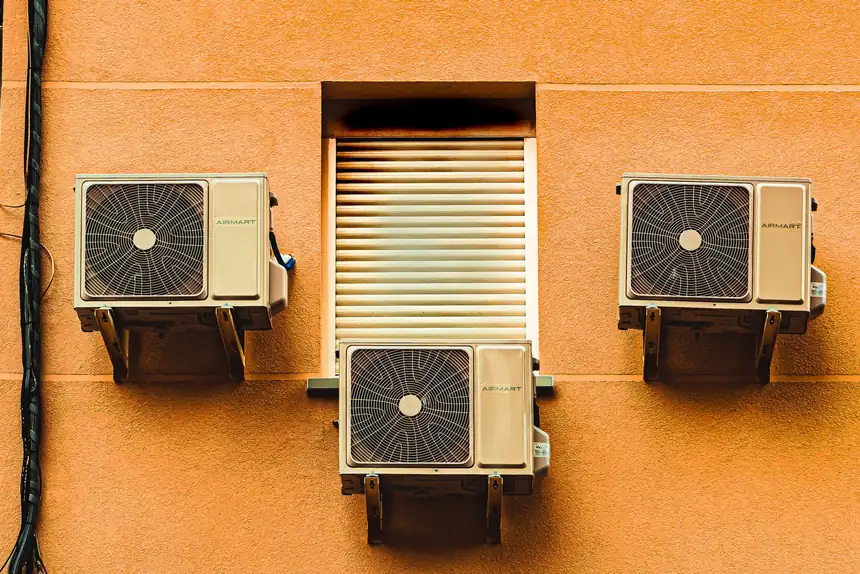
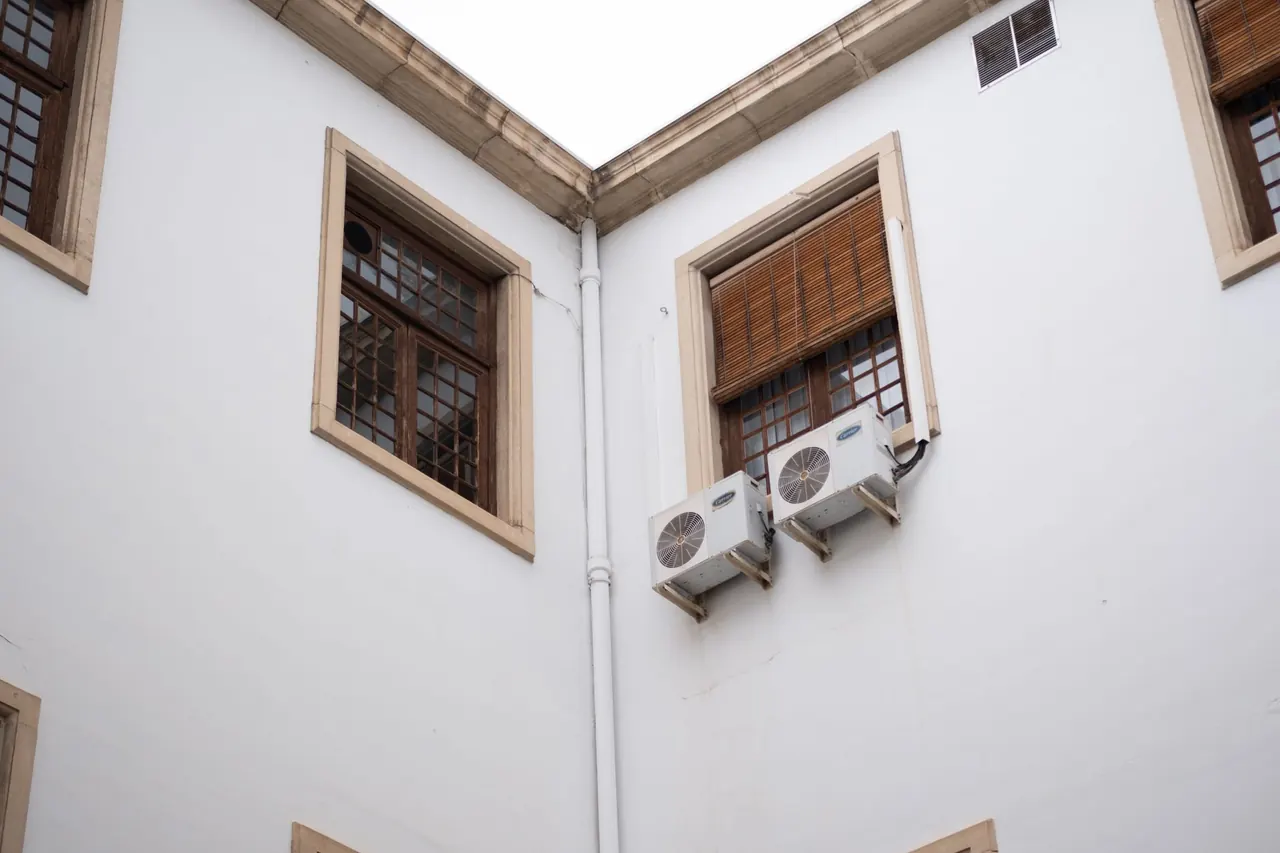
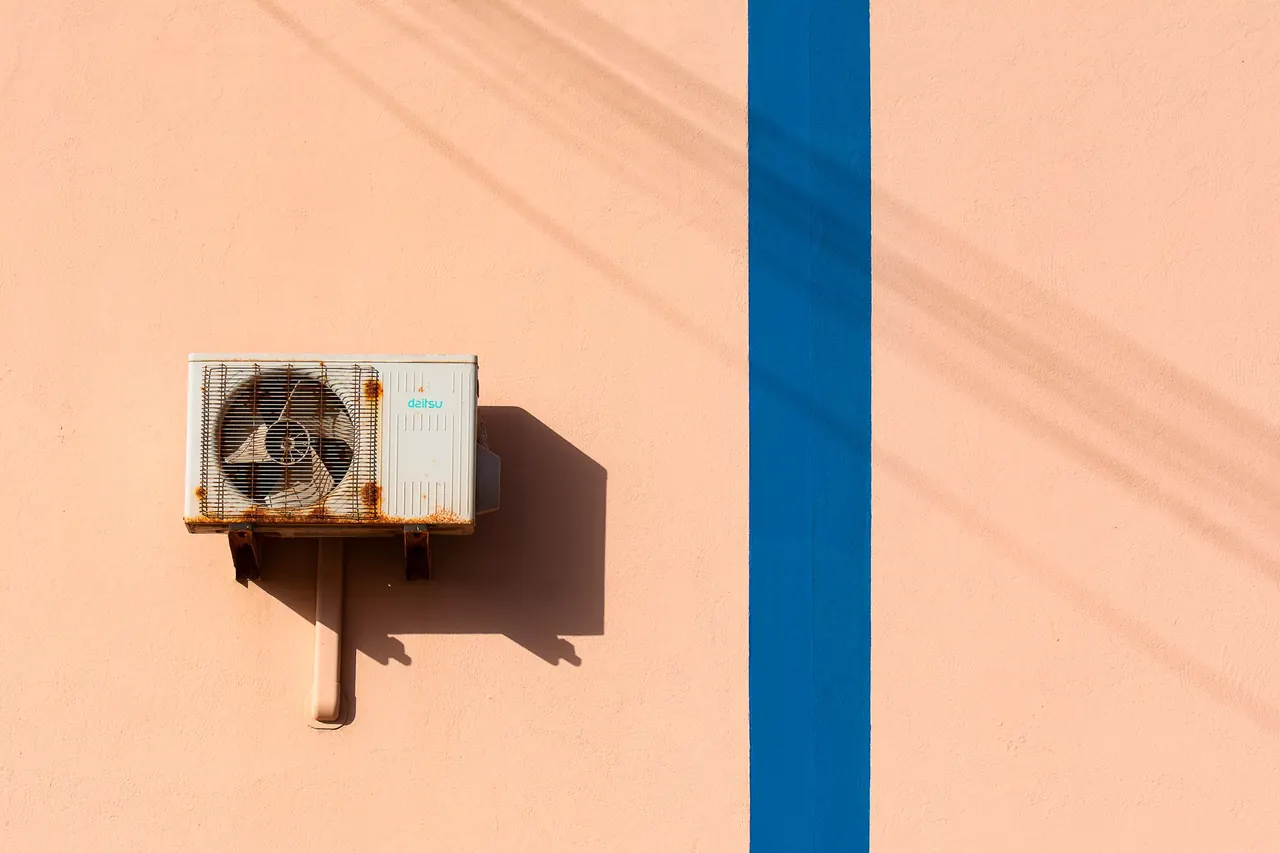
    Many Wrigleyville properties have less than three feet between buildings, which makes standard condenser replacement impossible without rigging or a crane. This adds time and planning to any AC replacement or mini split install.

  • City of Chicago Mechanical Contractor License

    It covers mechanical work including furnace and AC replacement, duct modifications, and venting.

  • Clark Street Corridor

    This is the commercial spine of Wrigleyville, with bars, restaurants, and mixed-use buildings above storefronts.

  • Clark Street Corridor
  • Addison Corridor
  • Southport Corridor
  • Sheffield Avenue Blocks

HVAC Services Available in Wrigleyville

We run furnace repair, AC repair, boiler and radiator work, heat pump service, and full replacements across Wrigleyville. in January, we answer the phone and roll a truck. Most standard repairs are done prompt.

How each service plays out in Wrigleyville

Pick a service to see how we approach it here.

Furnace Repair in Wrigleyville

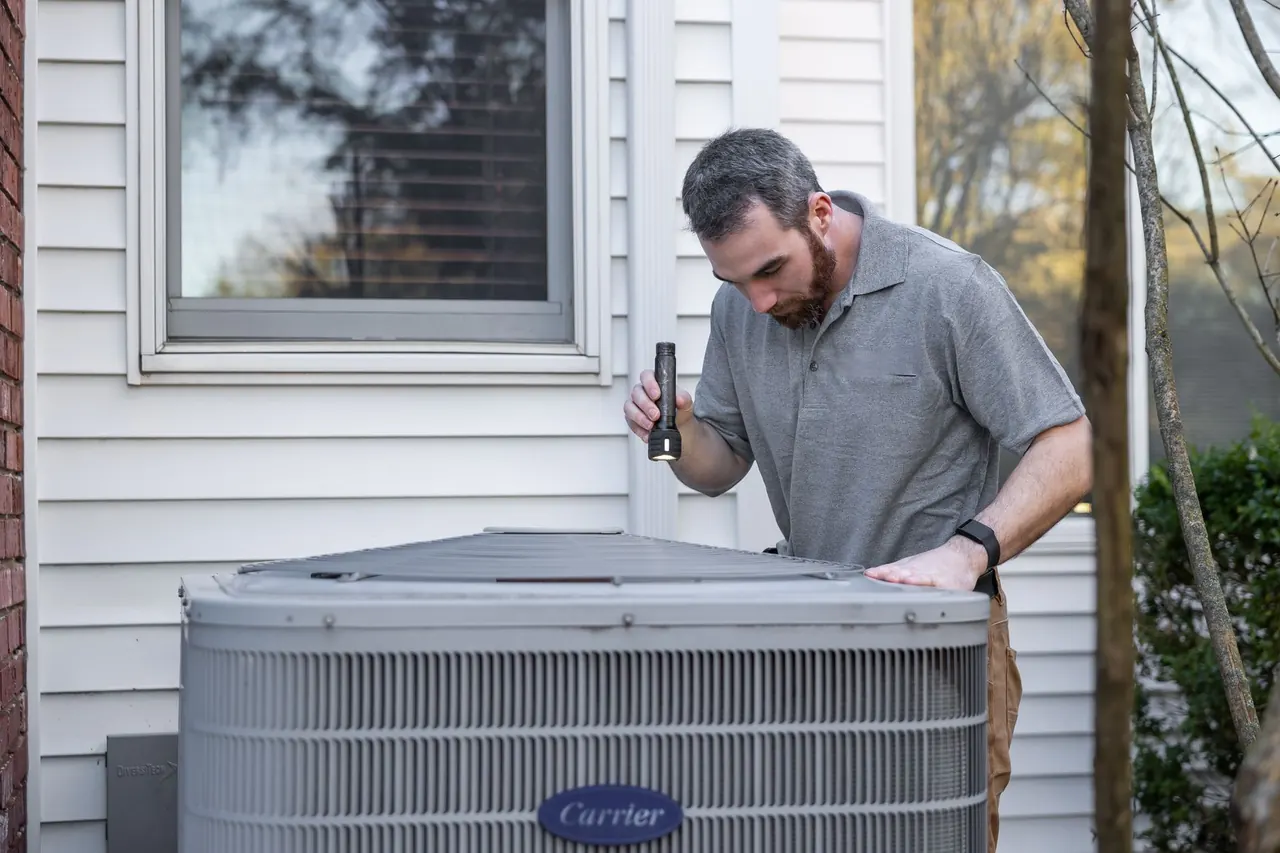
Furnace repair in Wrigleyville often means working in tight basements and on older units that have cycled hard through a leaky building envelope. We test the igniter, clean the flame sensor, and check the flue with a combustion analyzer before we call it done. If the heat exchanger is cracked, we show you the part and give you options.

  • Test igniter and flame sensor
  • Check flue with analyzer
  • Inspect heat exchanger

More about Furnace Repair

See how Furnace Repair works
Furnace Repair in Wrigleyville

Homes and businesses in Wrigleyville.

Homes need steam and furnace work; businesses need rooftop and make-up air service.

Residential · Wrigleyville

Homes in Wrigleyville

We work on greystones, two flats, and converted attic units across the neighborhood. Most calls involve steam radiators, older furnaces, or mini splits in tight spaces.

  • Vintage greystones
  • Two flats and rentals
  • Converted attic units
  • Narrow-lot condensers
Request service at home
Commercial · Wrigleyville

Businesses in Wrigleyville

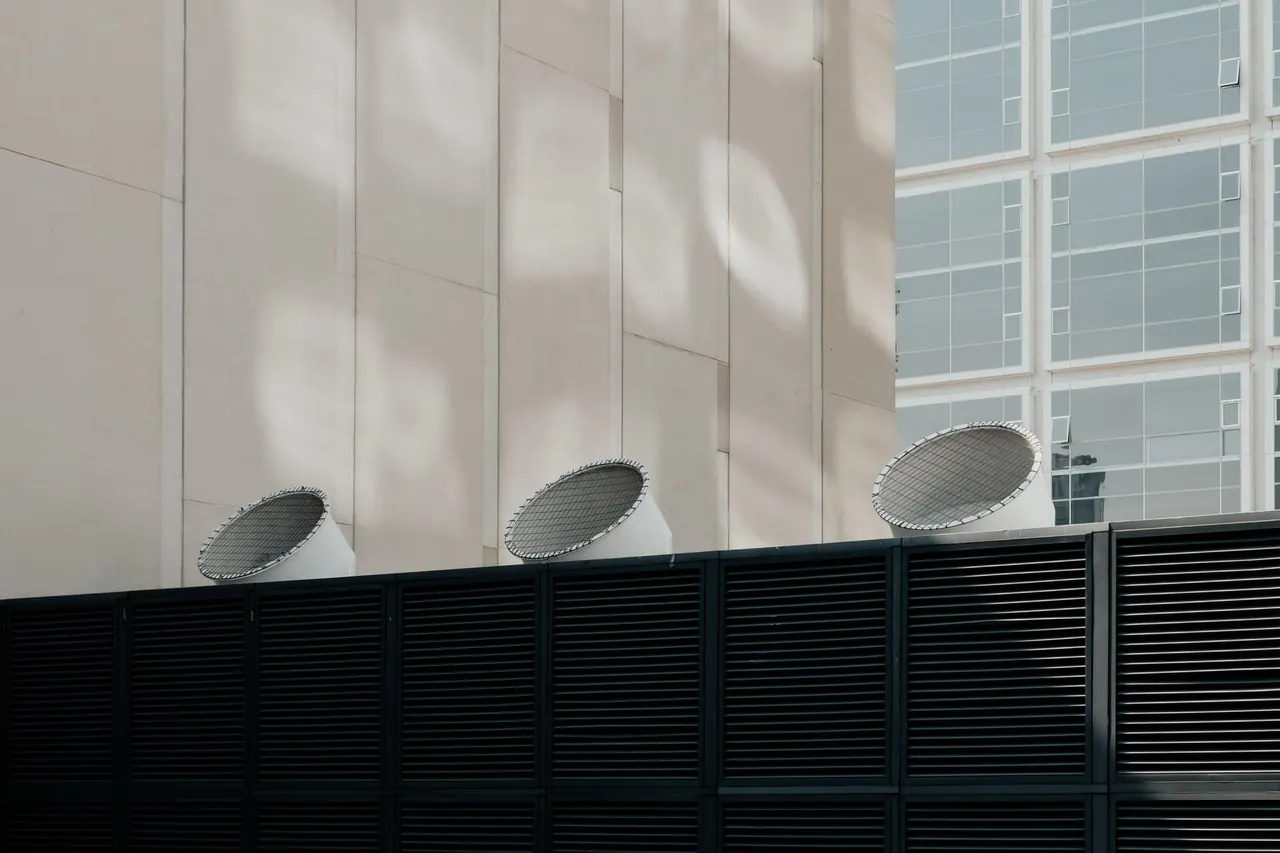
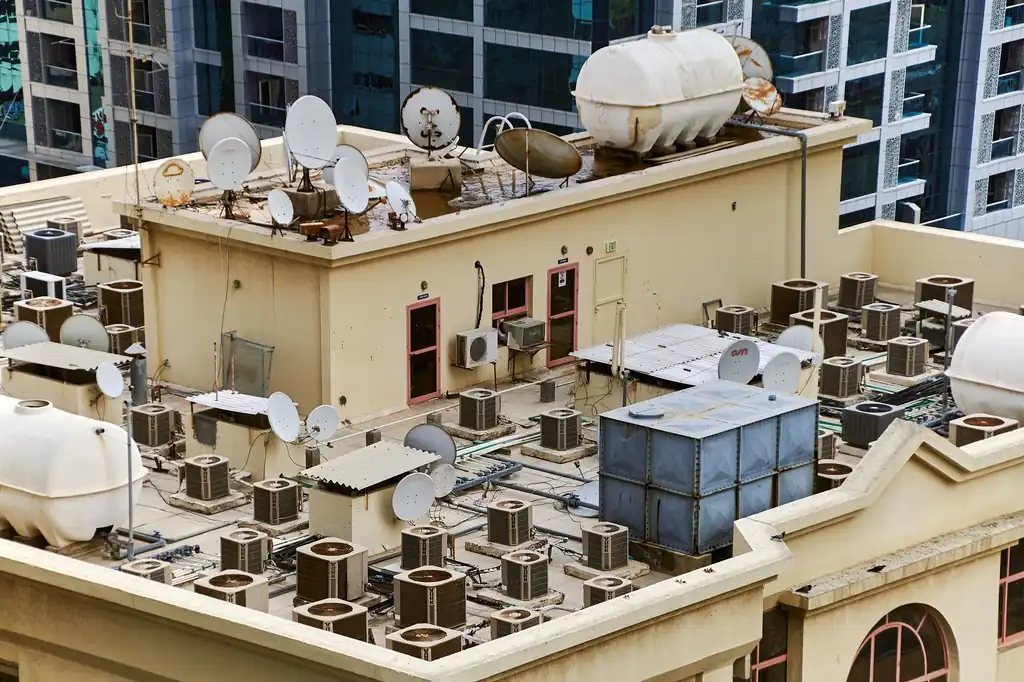
We service bars, restaurants, and mixed-use buildings along the commercial strips. Rooftop units and make-up air systems are the most common equipment we see.

  • Bars and restaurants
  • Mixed-use buildings
  • Storefront retail spaces
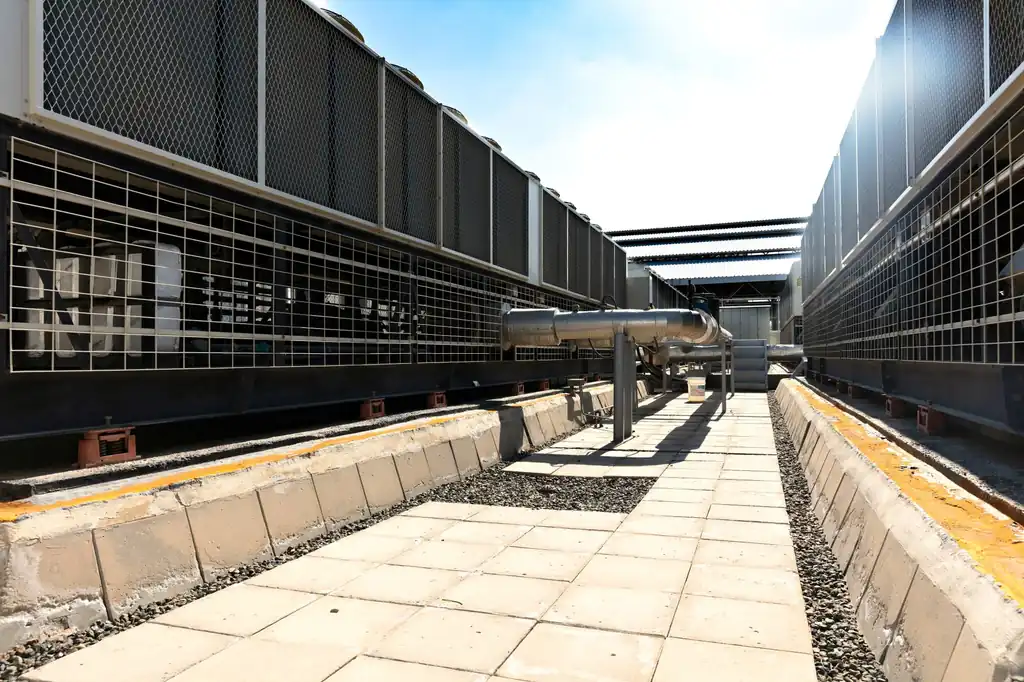
  • Rooftop HVAC units
Ask about commercial work

Common HVAC Problems in Wrigleyville

Wrigleyville's building stock and climate create a specific set of HVAC problems. Older brick masonry walls offer little insulation value in deep cold snaps, so equipment runs longer and fails sooner.

  • Failed hot surface igniters in older furnaces

    Failed hot surface igniters in older furnaces

    Igniters wear out from repeated heating cycles, and in Wrigleyville's landlord-owned two flats, furnaces often run harder than they should because the building envelope leaks. A furnace that cycles three or four times an hour will burn through an igniter faster than one in a tighter home.

  • Steam radiator water hammer and uneven heating

    Steam radiator water hammer and uneven heating

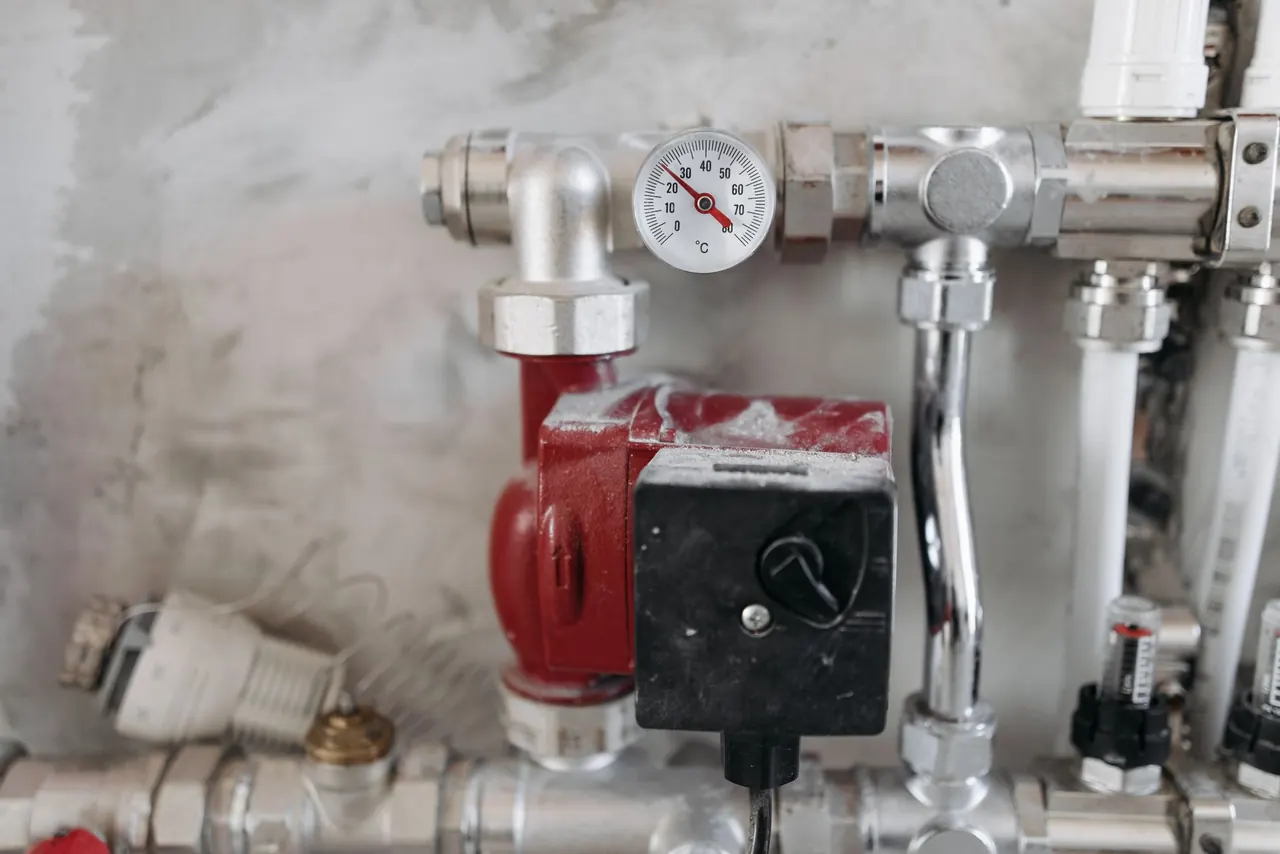
    Original steam systems in greystones and two flats develop trapped air, failed zone valves, and worn thermocouples over decades. The banging happens when steam meets trapped condensate, and it can crack pipe joints if ignored. Uneven heating usually means the system is out of balance.

  • Rooftop condenser failures on narrow lots

    Rooftop condenser failures on narrow lots

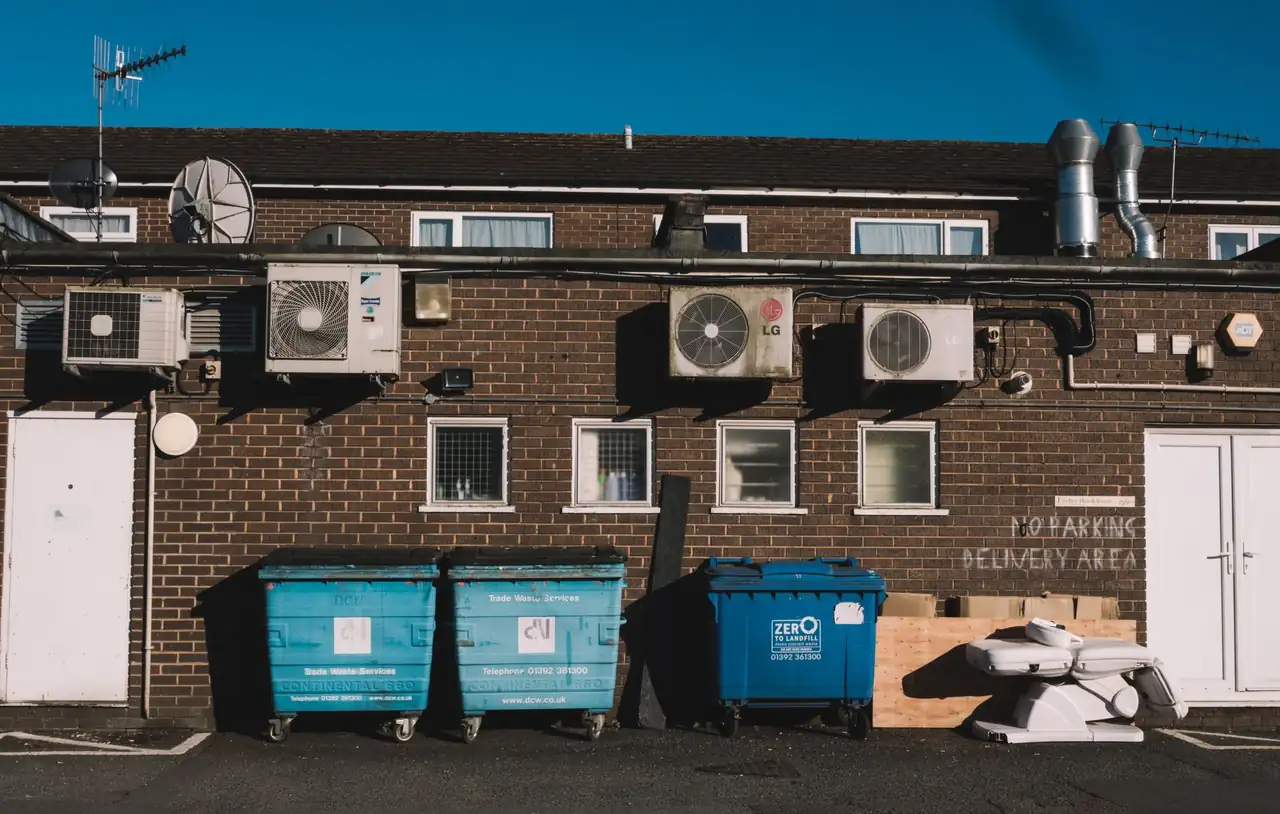
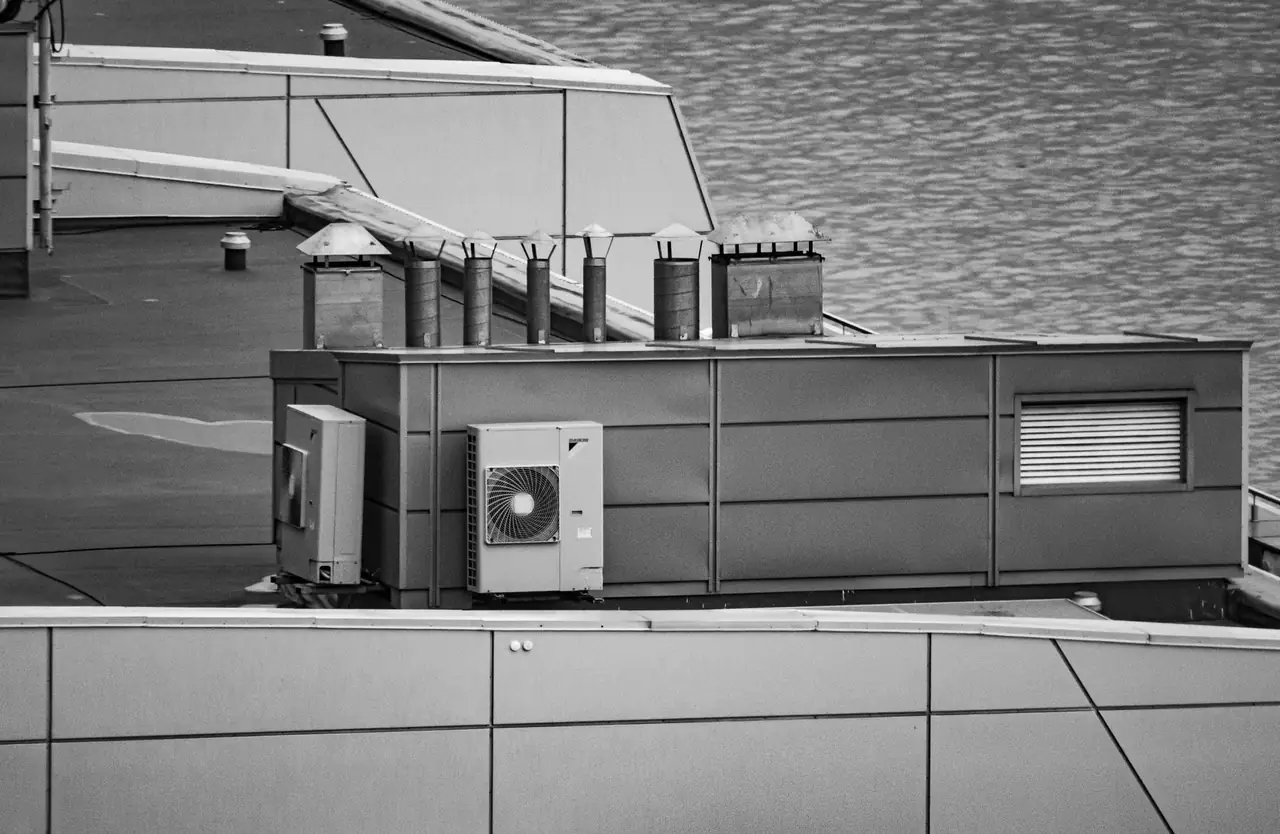
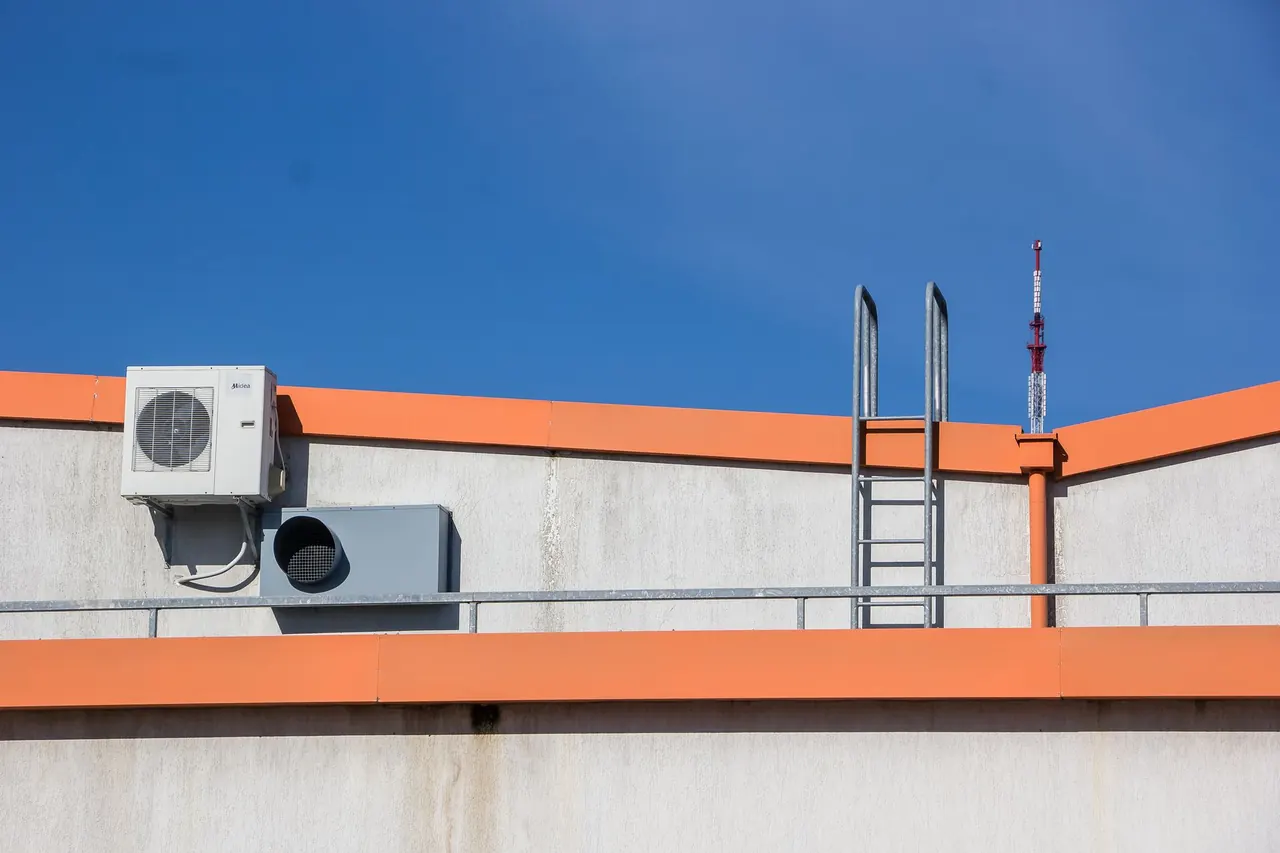
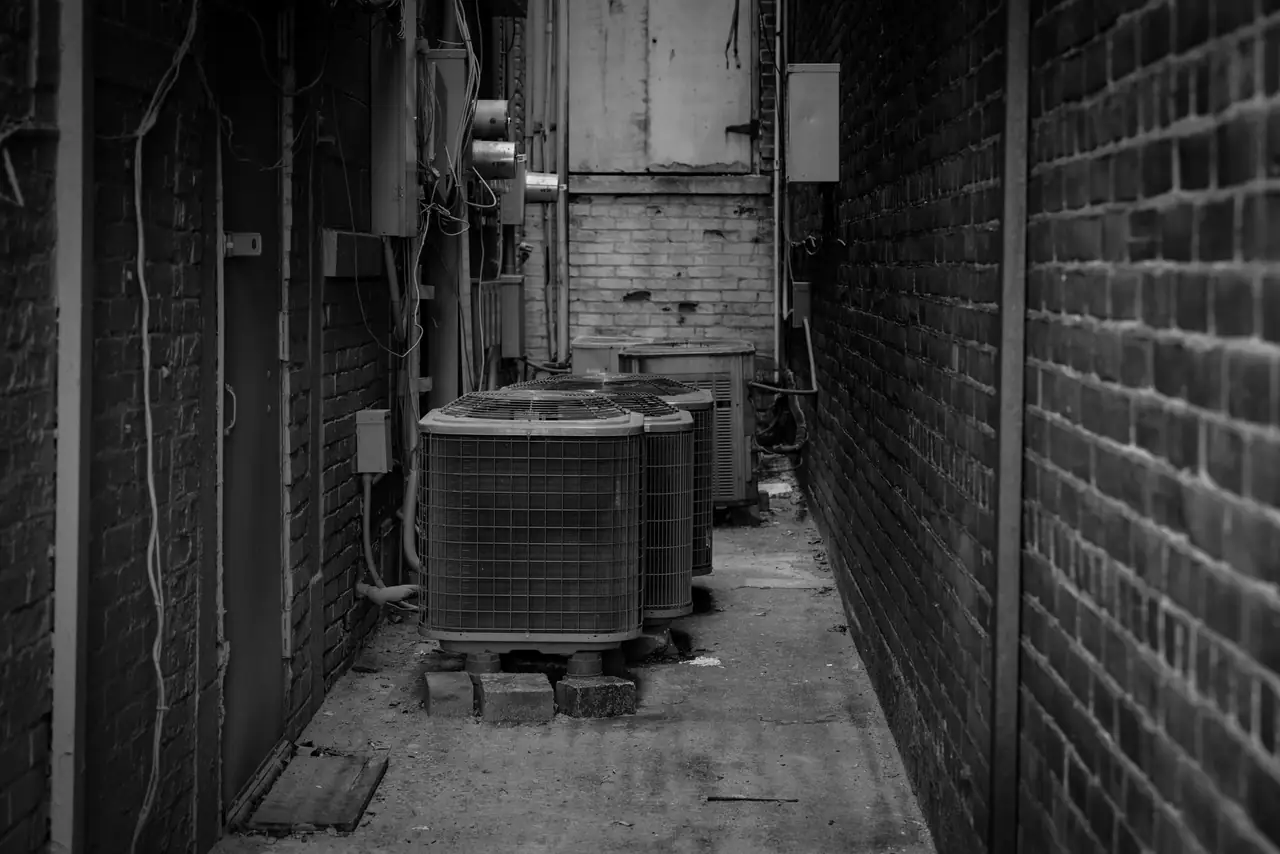
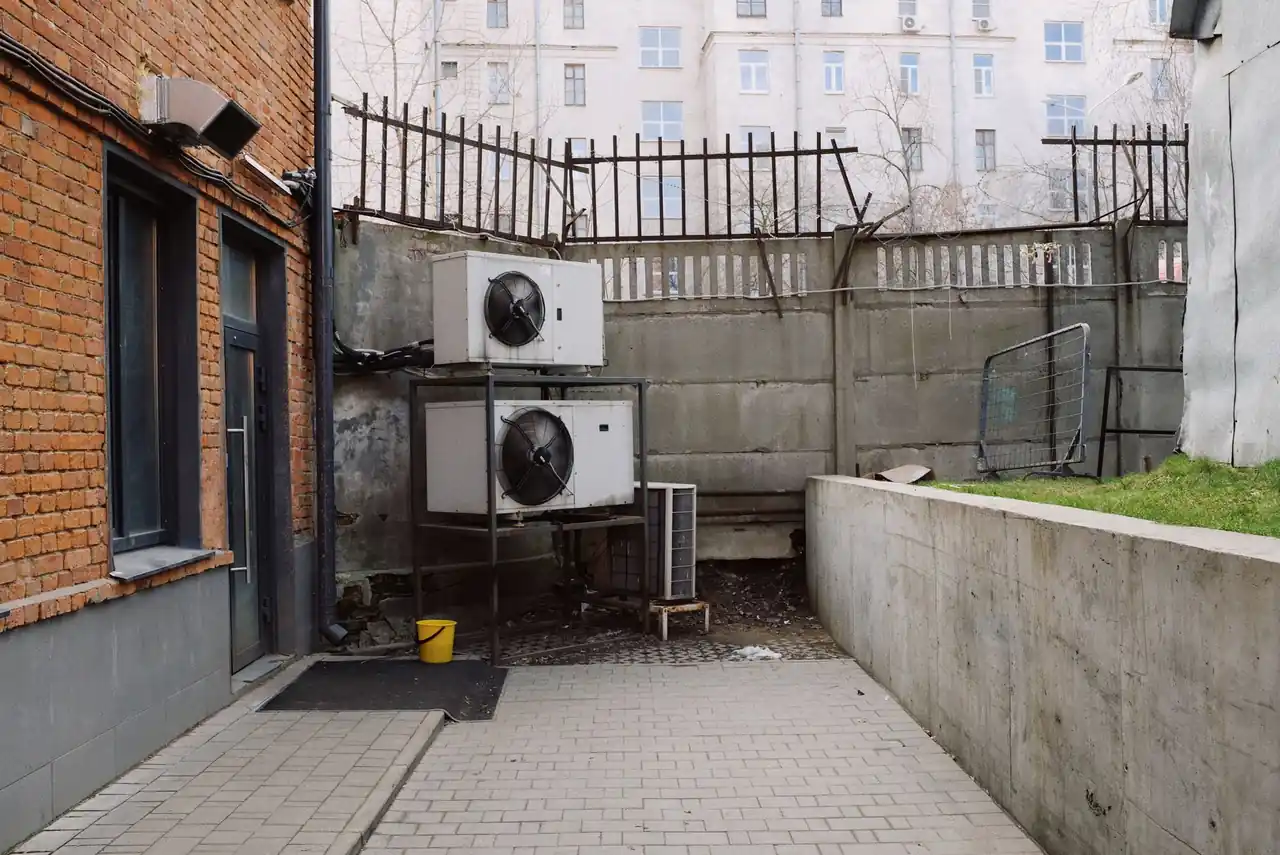
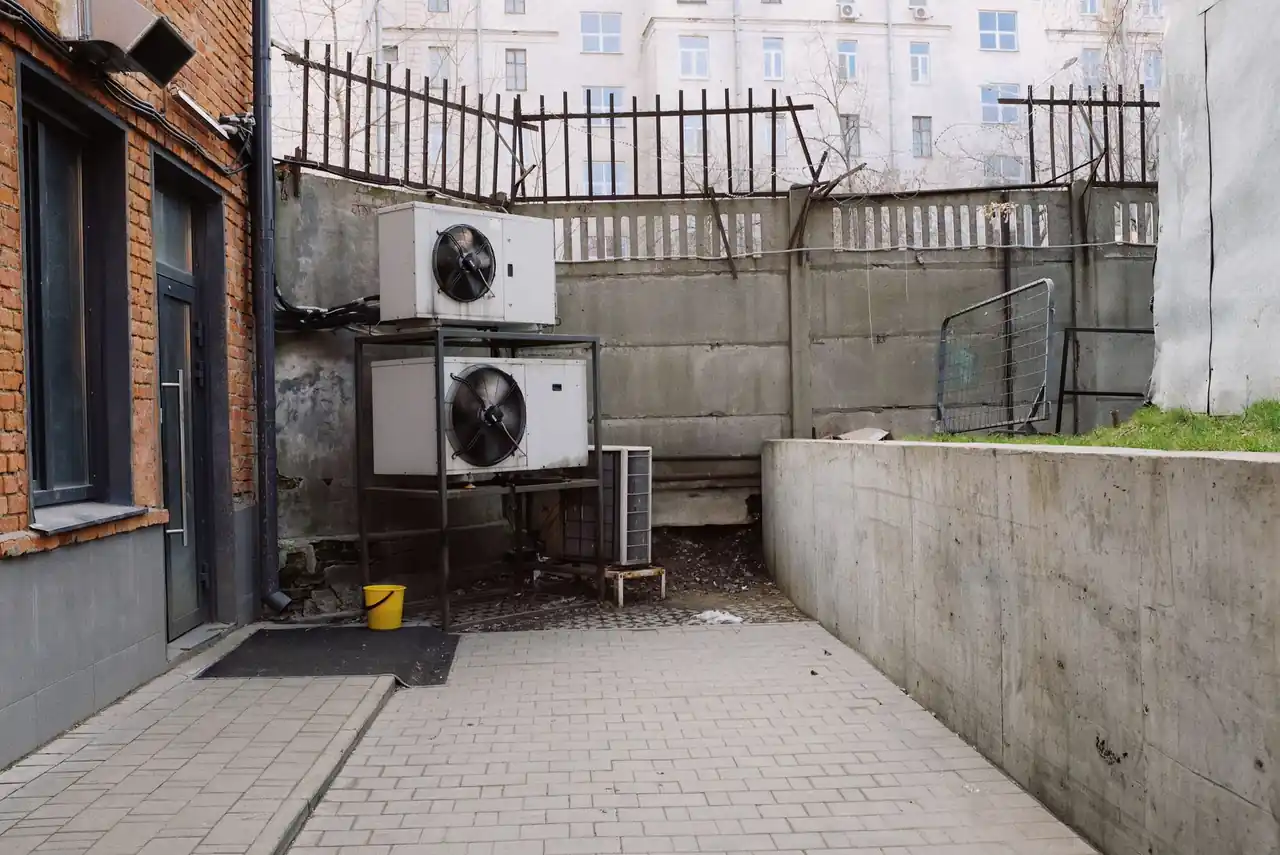
    Many Wrigleyville buildings have condensers squeezed into alleys or on rooftops with minimal clearance. That restricts airflow, raises head pressure, and shortens the life of the compressor and run capacitor. In a July heat wave, these units fail first.

  • Clogged condensate drain lines in humid summers

    Clogged condensate drain lines in humid summers

    Chicago summers are humid, and condensate lines in older buildings are often undersized or routed through spaces that collect debris. When the line clogs, water backs up into the furnace or ceiling. In Wrigleyville, we see this most in buildings with rooftop units and long drain runs.

Signs You Need HVAC Service in Wrigleyville

Watch for these signs that it is time to call a technician.

Any one of these is worth a call.

Nothing picked yet. Tap the signs you have noticed and this box will sum them up.

Navigating Wrigleyville: Landmarks We Use

Wrigleyville is compact but tricky to navigate on game days. We use Wrigley Field and Gallagher Way as our main orientation points, then route around the Clark Street Commercial Strip and the Addison Red Line Station when traffic locks up.

  • Landmark

    Wrigley Field

    The stadium is the main orientation point for the entire neighborhood. We use it to route trucks around game-day closures and to identify which blocks have restricted access on home stands.

  • Landmark

    Gallagher Way

    Gallagher Way sits just outside the stadium and serves as a landmark for the surrounding residential blocks.

  • Landmark

    Metro Chicago

    Metro Chicago is on Clark Street near the Addison Red Line Station.

  • Landmark

    Addison Red Line Station

    The station is a major transit hub at Addison and Sheffield. It helps us orient service calls in the Addison Corridor and plan around the heavy foot traffic that follows home games.

  • Landmark

    Clark Street Commercial Strip

    This stretch of Clark Street runs through the heart of Wrigleyville and is lined with bars, restaurants, and mixed-use buildings.

  • Commercial area

    Clark Street Commercial Strip

    A dense stretch of bars, restaurants, and retail spaces along Clark Street.

  • Commercial area

    Southport Corridor

    A smaller commercial district with cafes, shops, and service businesses.

  • Transit

    Addison Red Line Station

    Located at Addison and Sheffield, this station is the main transit access point for Wrigleyville. It is a useful landmark for routing service calls in the Addison Corridor.

How Seasons Affect HVAC in Wrigleyville

Wrigleyville's climate swings hard. October is when we start tuning furnaces and boilers for winter, and by January we are running emergency no-heat calls. Summer brings rooftop condenser failures and clogged drains. Here is what to expect each season and what you should do about it.

  • Spring

    • Spring is AC tune-up season. We check refrigerant charge, clean condenser coils, and test capacitors before the first hot week.
    • Schedule an AC tune-up in April or May. It is the cheapest way to avoid a July breakdown, and it takes about an hour.
  • Summer

    • July and August are peak AC repair season. Rooftop condensers on narrow lots run hot and fail. Clogged condensate drain lines back up and cause water damage.
    • Change your air filter monthly during summer and check the condensate drain for standing water. If your AC runs but does not cool, call before the coil freezes.
  • Fall

    • Fall is furnace and boiler tune-up season. We clean flame sensors, test igniters, inspect heat exchangers, and check boiler pressure. In Wrigleyville's greystones, fall is also when we balance steam radiators before the first cold snap.
    • Book your furnace tune-up in September or October. If you have steam radiators, ask us to purge the lines and check the zone valves before you need them.
  • Winter

    • January and February bring the coldest temperatures and the most emergency calls. Furnaces fail, boilers lose pressure, and pipes freeze. In vintage buildings with little insulation, equipment runs constantly and parts wear out fast.
    • Keep your thermostat at a steady temperature and do not let the house drop below 60 degrees. If your furnace blows cold air, call immediately. Do not wait until morning.

Nearby Cities and Service Coverage

Wrigleyville sits in the middle of a tight North Side service region.

FAQs About HVAC in Wrigleyville IL

Straight answers to what people ask first.

That covers a furnace or AC inspection, cleaning the flame sensor or condenser coil, testing capacitors and refrigerant charge, and checking the heat exchanger. Regular tune-ups are the cheapest way to avoid a mid-winter breakdown.

A furnace blowing cold air usually means a failed hot surface igniter, a dirty flame sensor, or a gas valve that is not opening. In Wrigleyville's older two flats, the igniter is the most common culprit because the furnace cycles harder in a leaky building. If the blower runs but the air is cold, shut the system off and call us. It is an urgent repair in winter.

Get HVAC Help in Wrigleyville IL Today

(312) 638-0812

If your furnace is blowing cold air, your radiators are banging, or your AC quit on the hottest day of the year, call us.

Get in touch with us

Call (312) 638-0812 or email info@hvacchicagopro.com and tell us what your system is doing. If you leave a message after hours, we'll call you back with a plan.