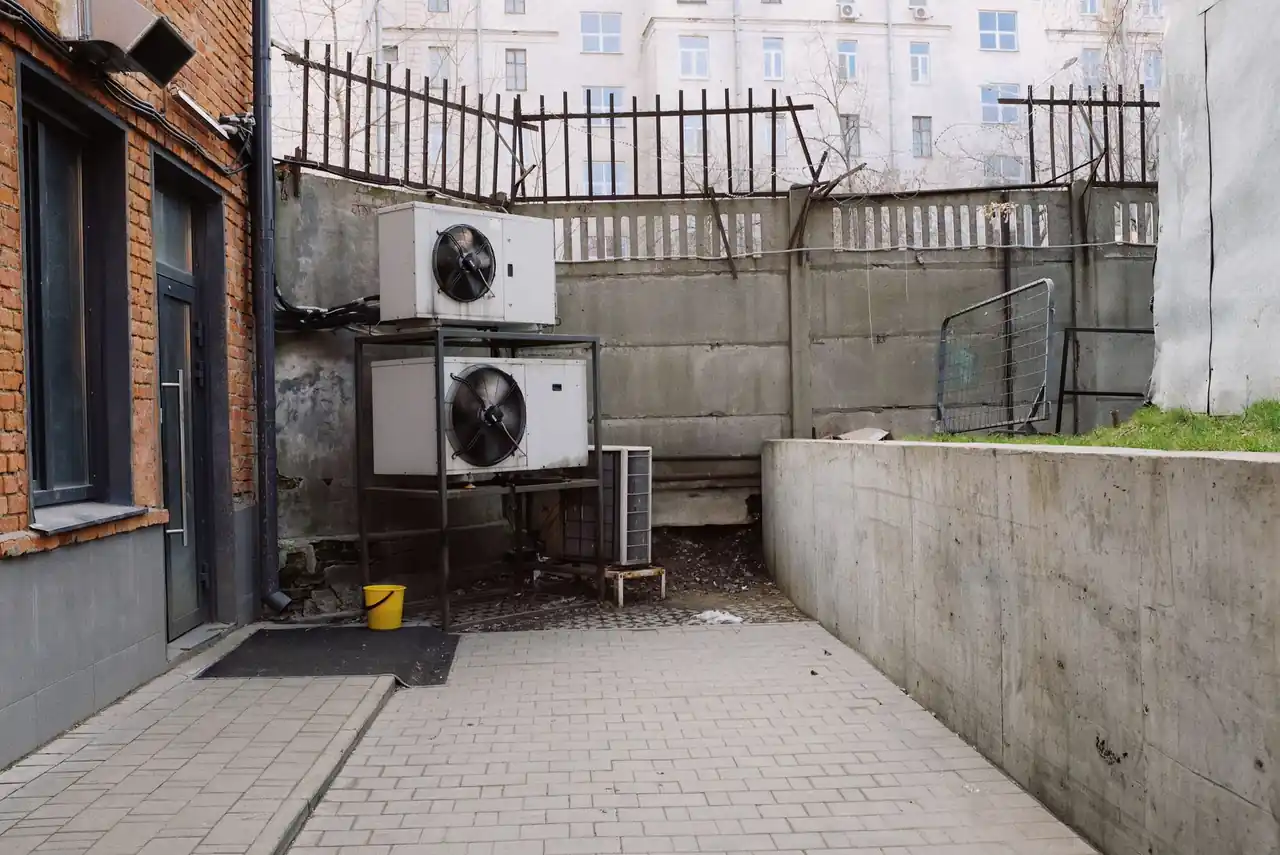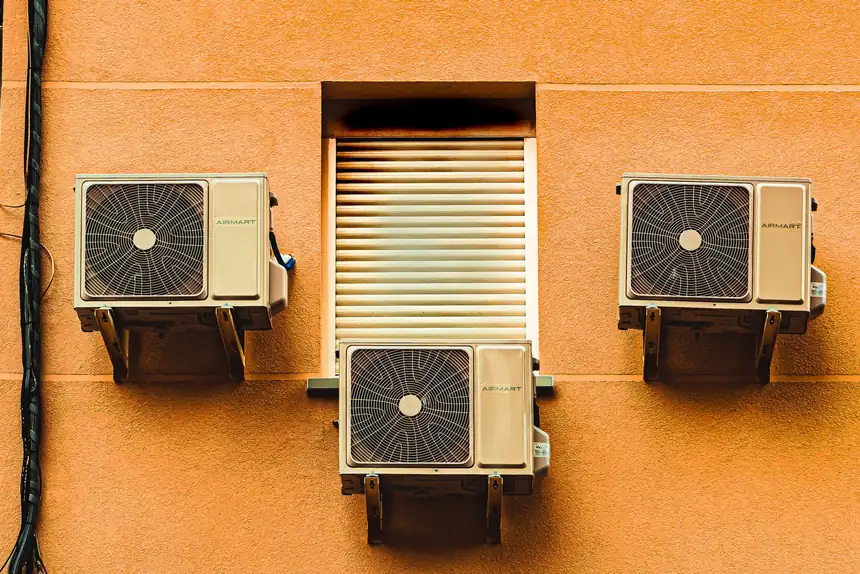
For homes
We replace condensers, coils, and line sets in houses, two-flats, and condos. You get a written quote before we order anything.
- Upstairs runs hot
- Old unit short cycles
- Window units in bedrooms
When your old condenser quits in July, AC replacement Chicago IL is the fastest way back to a cool house. Whether you own a greystone in Logan Square or a condo in River North, we quote the job, order the equipment, and get your family comfortable again.
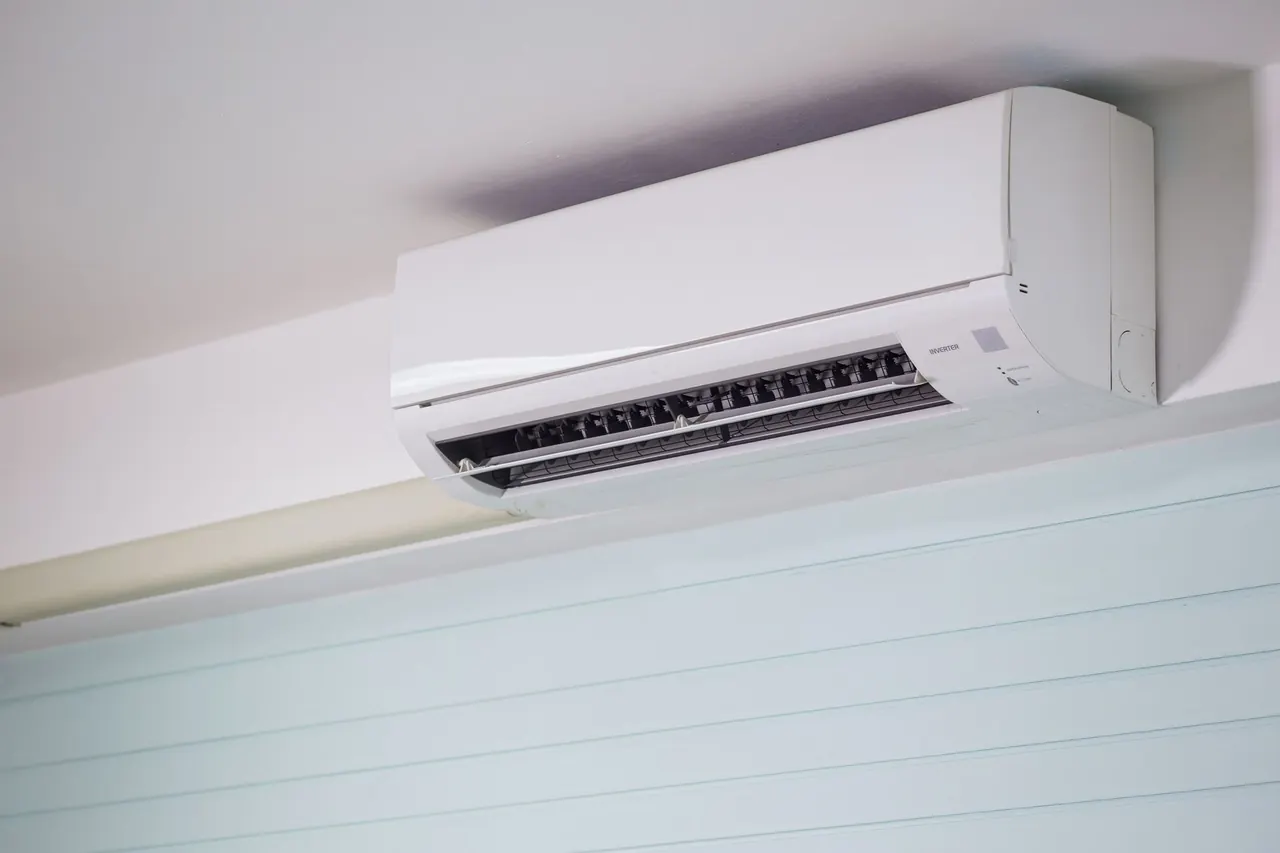 Load calculationLine set checkCharge verification
Every AC replacement Chicago IL job we quote includes the equipment, labor, permit, and cleanup. Here is the standard scope. If your job needs something extra, like new ductwork or a crane lift, we tell you before we start, not after.
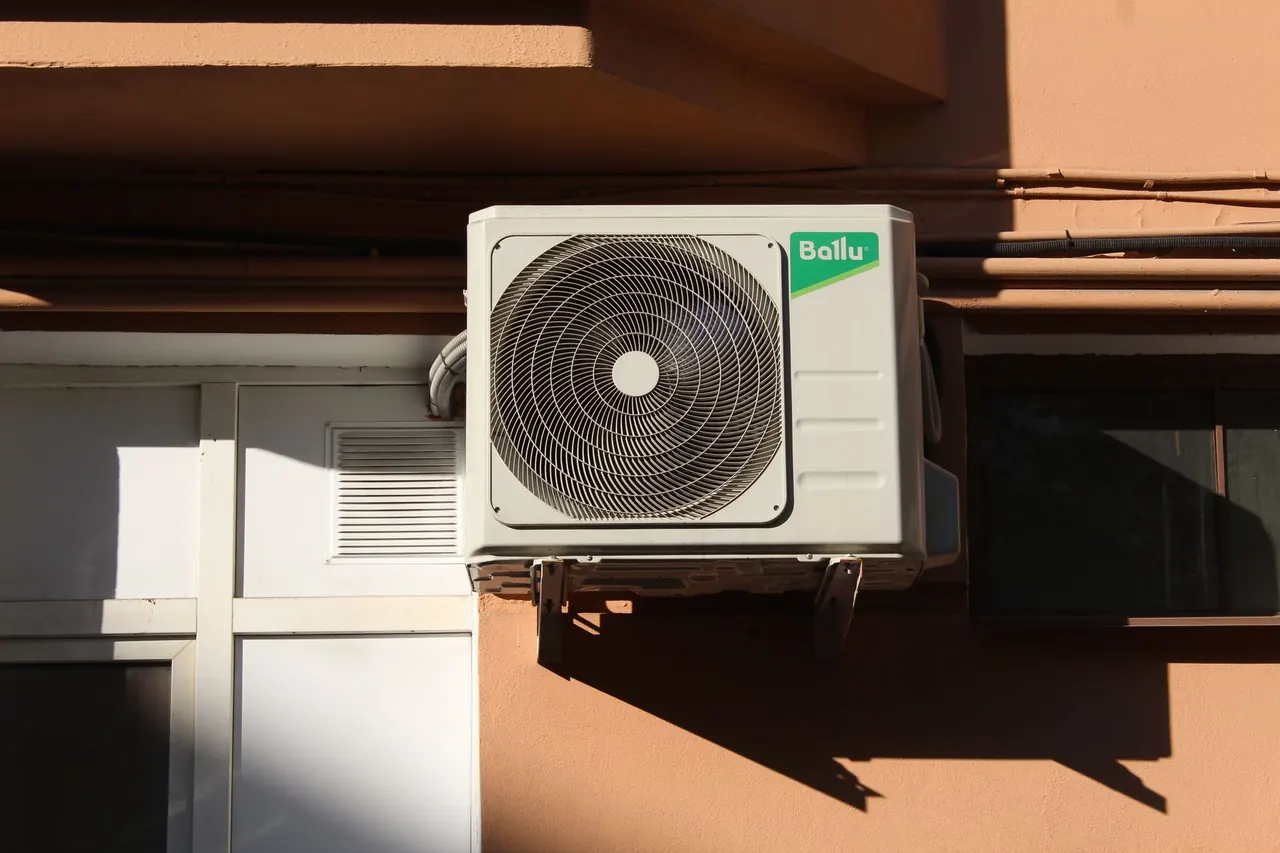
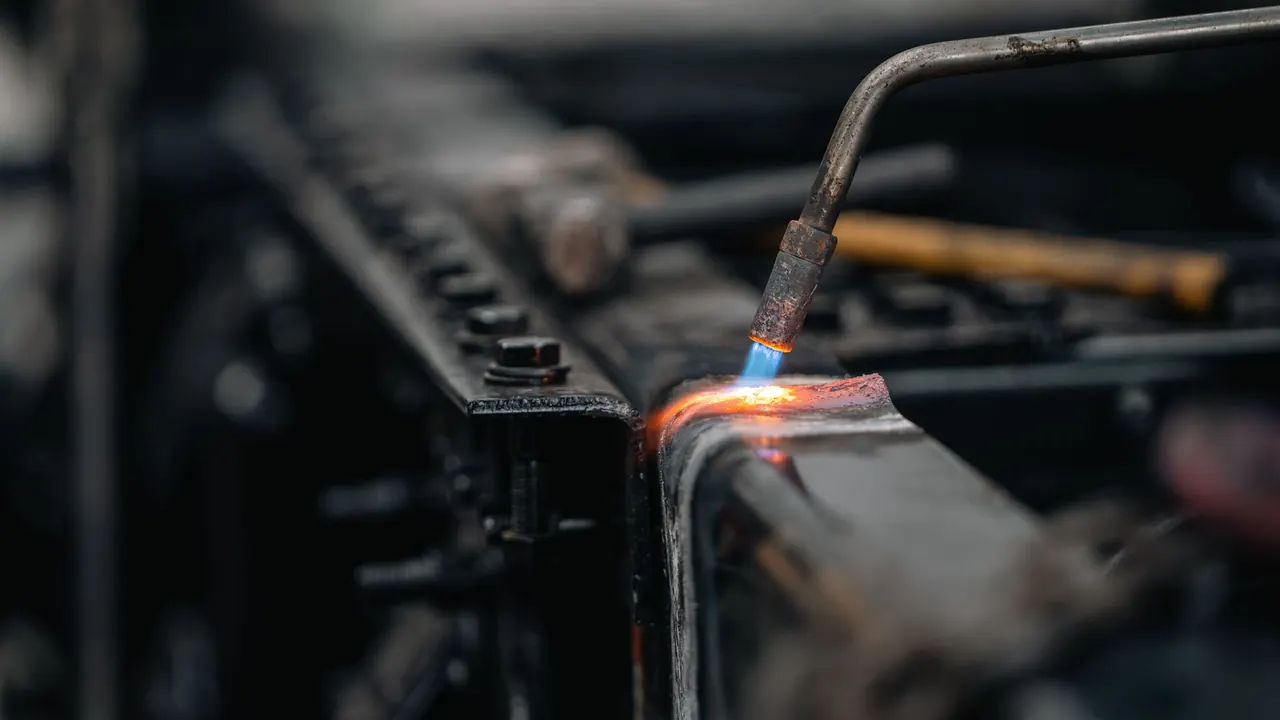
We replace the copper line sets on most jobs rather than reusing old ones. New lines get brazed with nitrogen flowing, pressure-tested, and pulled to 500 microns with a vacuum pump before we charge the system with R-410A or R-32 refrigerant.
New disconnect box, whip, and properly sized breaker checked with a digital multimeter. We install or reprogram your Honeywell, Nest, or Ecobee thermostat and walk you through the schedule before we pack up.
New PVC condensate drain line with a float switch and, where needed, a condensate pump.
City of Chicago mechanical permit pulled in your name where required, plus the inspection scheduled and met by our team. You get the permit card and inspection sign-off for your records.
Old condenser, coil, and packaging removed from the property. We sweep the mechanical area, wipe down surfaces, and leave the space ready for you to use. No debris left in the gangway or alley.
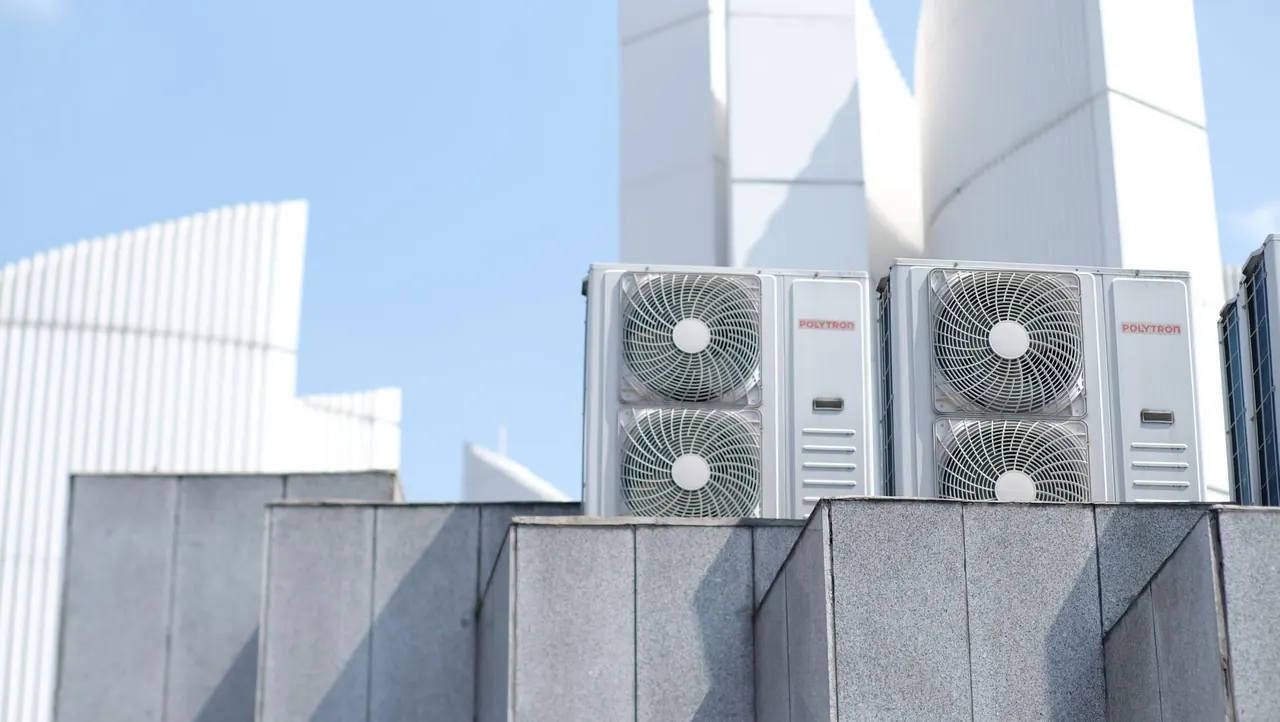
The approach is the same for a home and a business. What changes is the access, the schedule and who needs the paperwork.
We replace condensers, coils, and line sets in houses, two-flats, and condos. You get a written quote before we order anything.
We handle rooftop and ground-level replacements for landlords and property managers. Crane lifts and inspections are coordinated for you.
A plain-language look at what AC Replacement involves and when it is needed.
See how it worksWe recover the old R-410A refrigerant with a recovery machine, cut and braze new copper line sets, pressure-test to 500 microns with a vacuum pump, and verify charge with a manifold gauge set. If your ductwork is undersized or leaking, we address that too, because a new 3-ton unit on 2-ton ducts will never hit its rated capacity.
Chicago summers push condensers hard. A unit that ran fine at 88 degrees can trip on high head pressure at 98, and greystones with west-facing brick walls bake their equipment all afternoon. When you call for AC replacement near me Chicago IL, we look at the real culprits: a frozen evaporator coil from low charge, a blower motor failure on a 20-year-old air handler, or a compressor that finally grounded out. We also replace the furnace at the same time when it makes sense, since AC and furnace replacement Chicago shares the same plenum, filter rack, and thermostat wiring.
Sizing, line sets, and charge verification decide whether a new AC actually cools.
Most residential replacements take one day, start to finish. Here is exactly what you will see from the moment we pull up to the moment we hand you the thermostat.
We measure every room, check window orientation, insulation, and duct size, then run an ACCA Manual J Load Calculation. This tells us the real tonnage your Chicago home needs, not a guess based on the old unit. Takes about 45 minutes.
You pick, we order.
On install day we recover the old refrigerant with an EPA-compliant recovery machine, disconnect the line set, and haul the condenser and coil out. We lay drop cloths on your floors and protect the stairwell. Removal usually takes 90 minutes.
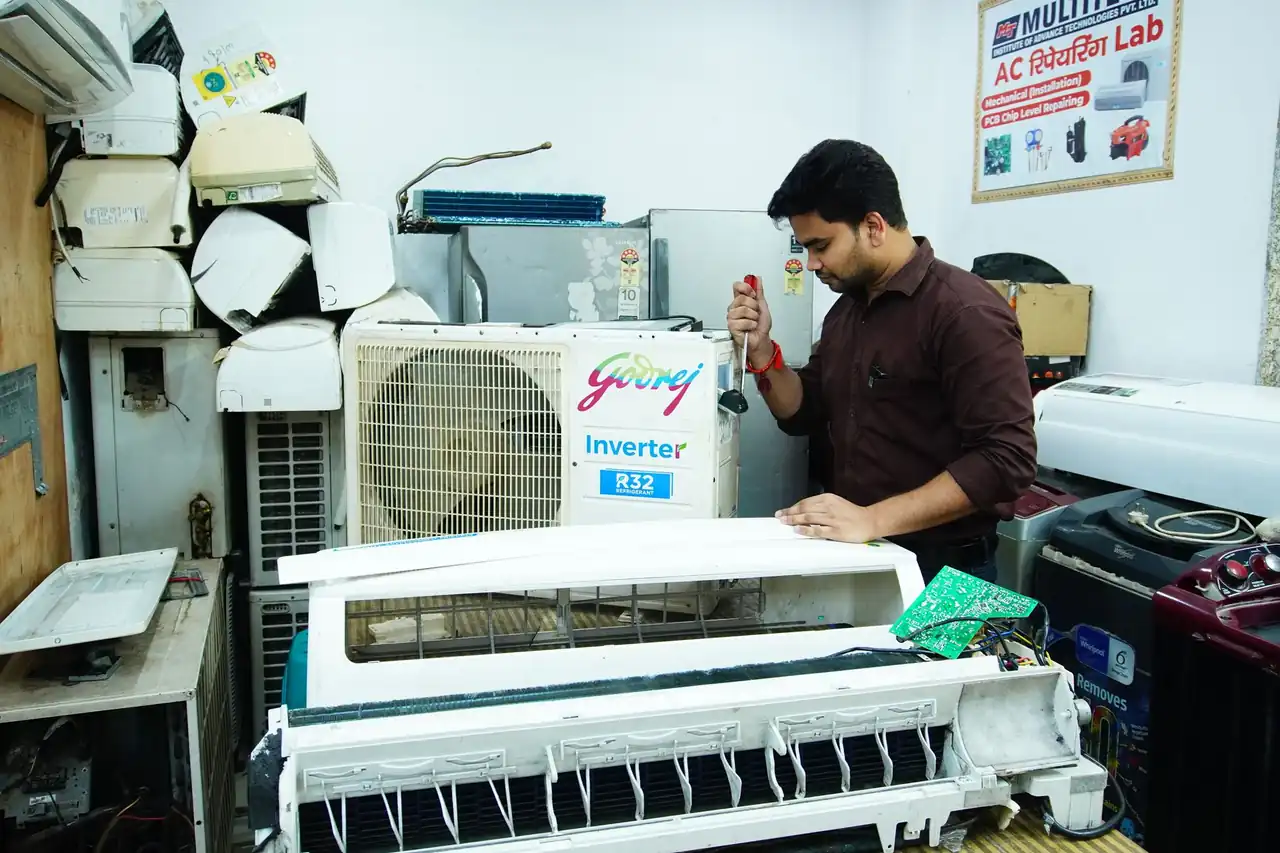
New pad, new copper line sets, new PVC condensate drain with a float switch, new thermostat. We pull a deep vacuum to 500 microns, weigh in the charge, and run the system for 30 minutes checking supply and return temps with an anemometer and digital multimeter.
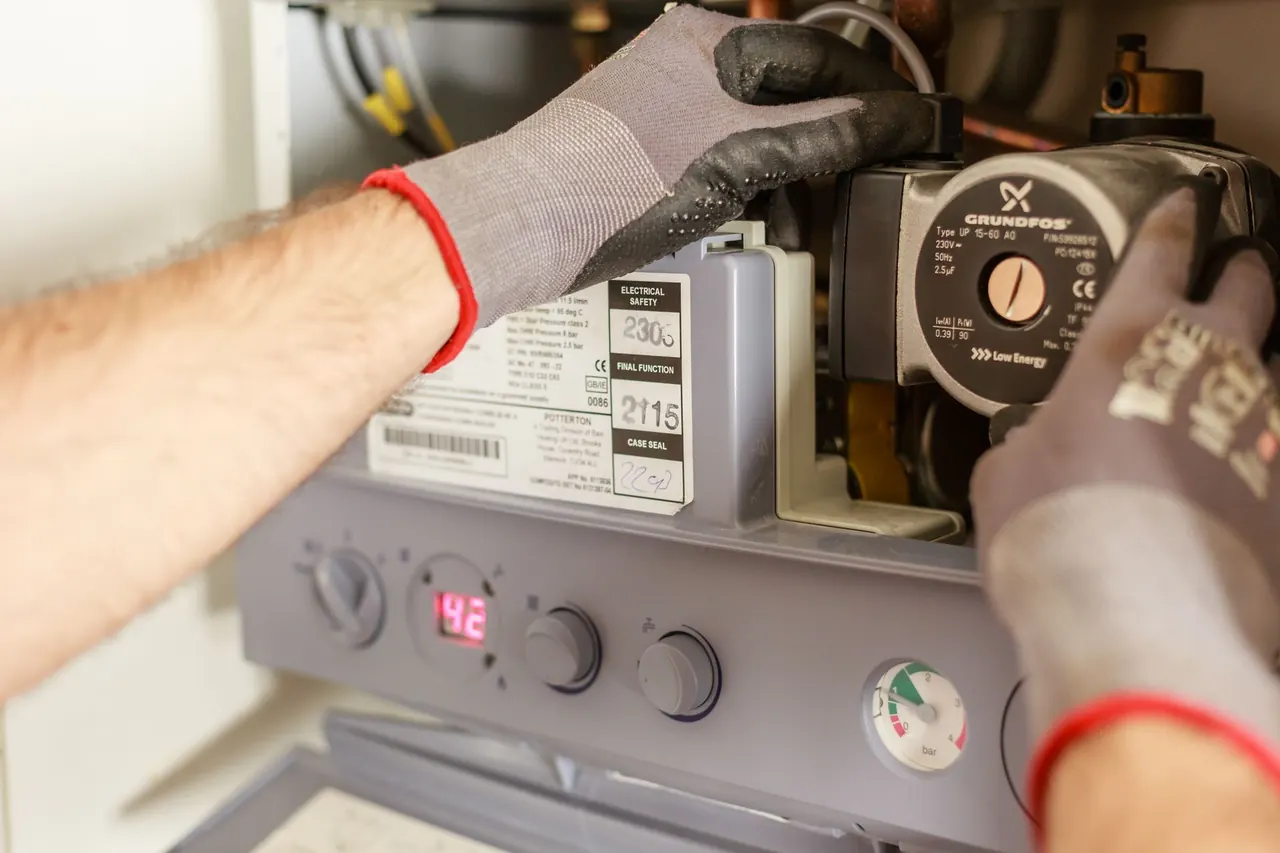
You get our number for anything that comes up in the first year. Total job time is typically 6 to 8 hours.
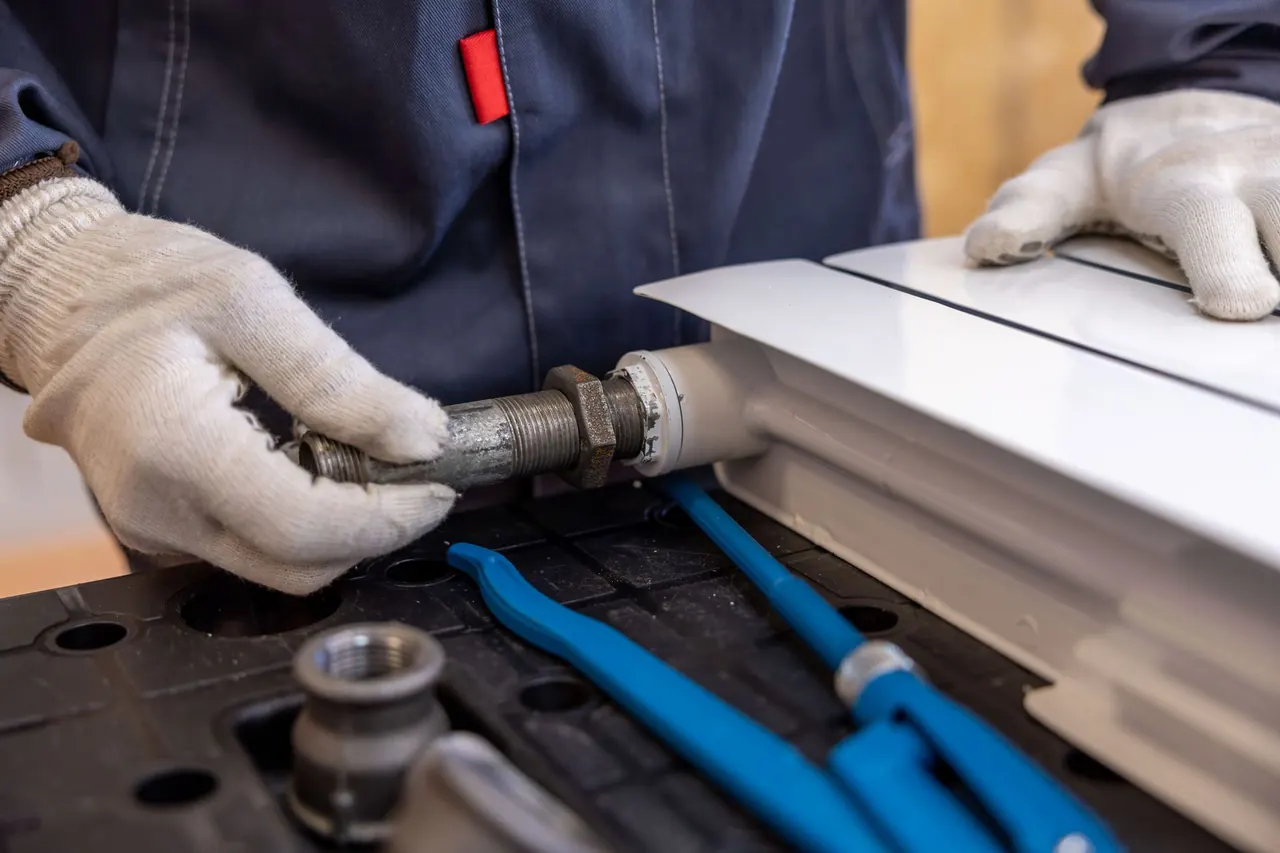
Move across a circle, or focus it and press Enter, for an illustrative thermal view of the photograph.
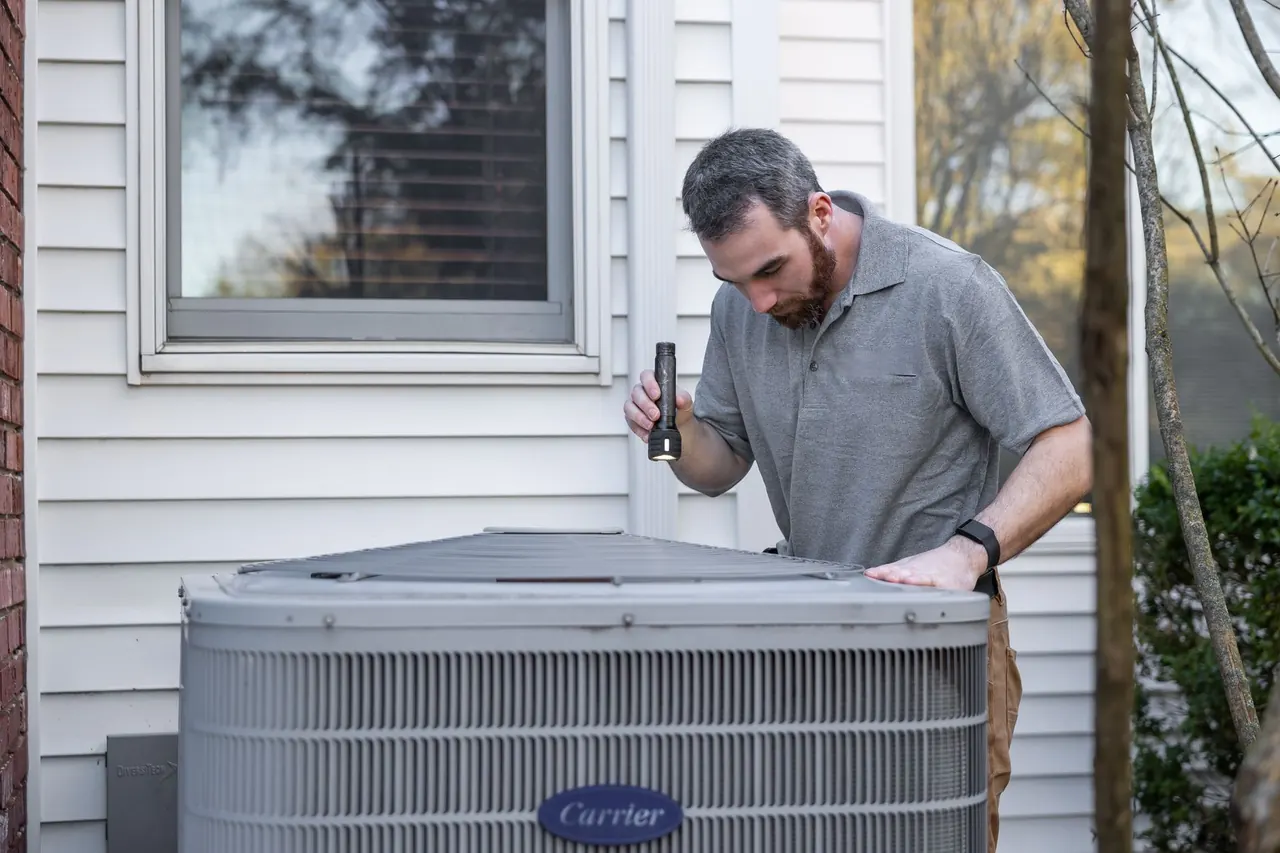
Used to read high and low side pressures during charge verification and to diagnose a restricted line set or a failing compressor before we condemn a system.
Pulls the new line set down to 500 microns before charging. Skipping this step is the most common cause of premature compressor failure on cheap installs.
Finds leaks at brazed joints, Schrader valves, and coil headers that a soap bubble test misses. We leak-check every new system before we leave.
Reveals duct leakage, missing insulation, and hot spots in walls that explain why one room never cools. We use it during the load calculation walkthrough.
Measures supply and return airflow and static pressure so we can confirm the new system is moving the CFM it was designed for, not just running.
Thermal views are illustrative, generated from the photographs.
Recovers R-410A and R-32 refrigerant from the old system per EPA Section 608 rules. Nothing gets vented to atmosphere on our jobs.
The industry standard for sizing residential HVAC equipment. We measure windows, insulation, orientation, and occupancy room by room so the new condenser matches the actual load instead of a rule of thumb.
Applied when ductwork needs modification. It confirms the supply and return trunks can carry the airflow the new system needs. Undersized ducts are why so many replacements disappoint.
We only install condenser and coil combinations listed in the AHRI directory.
We recover, recycle, and charge refrigerant by weight, and we document the amounts on the invoice.
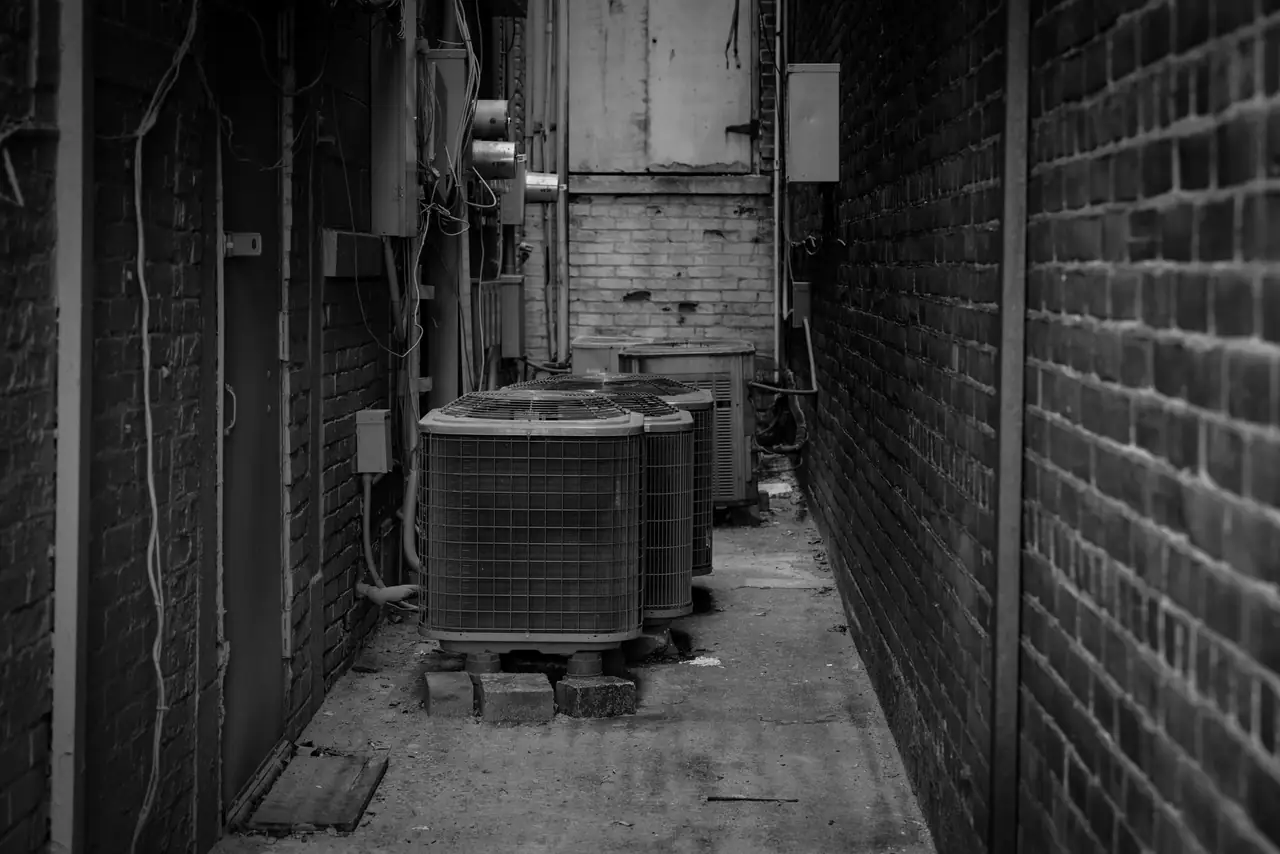
A 20-year-old condenser dies during a July heat wave and the house hits 88 degrees by noon.
We run an emergency diagnostic, confirm the compressor is grounded, and quote a prompt replacement from stock. Our crew installs a matched Carrier or Goodman system and commissions it before dinner.
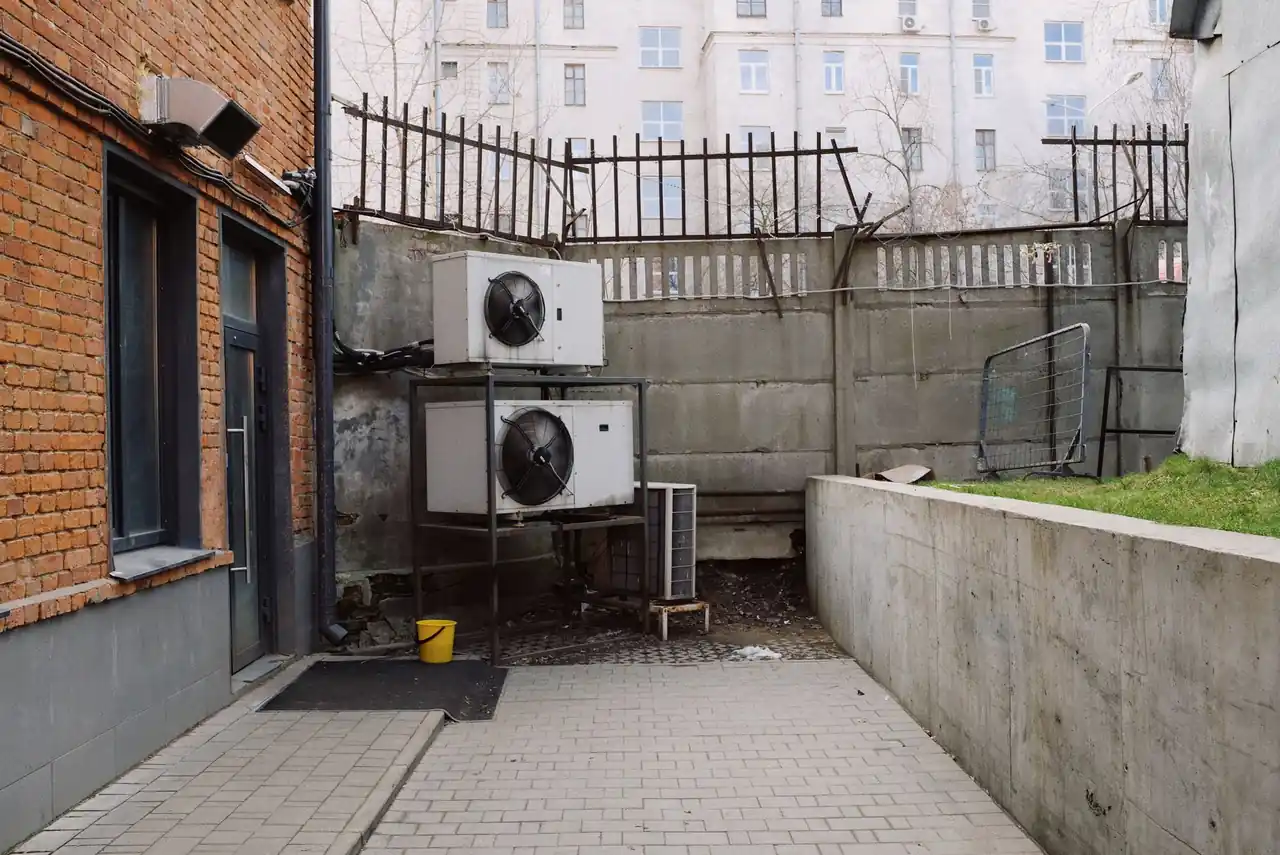
A greystone owner is tired of a window unit in the bedroom and wants real central air.
We design a system around the existing ductwork or add a ductless mini-split for the top floor. We pull the City of Chicago permit and coordinate the inspection.
Outcome: Whole-home cooling without window units, and a system that adds resale value to the property.
A landlord needs two units replaced in a three-flat before new tenants move in on the first.
We schedule both installs on quickly, keep the common stairwells clean, and handle the permit and inspection ourselves so the owner does not have to be on site.
Outcome: Both units running and inspected before move-in day, with documentation for the building file.
A homeowner is replacing the furnace anyway and asks whether to do the AC at the same time.
We quote AC and furnace replacement Chicago as a package, reuse the plenum and thermostat wiring, and apply for the combined ComEd rebate on the matched system.
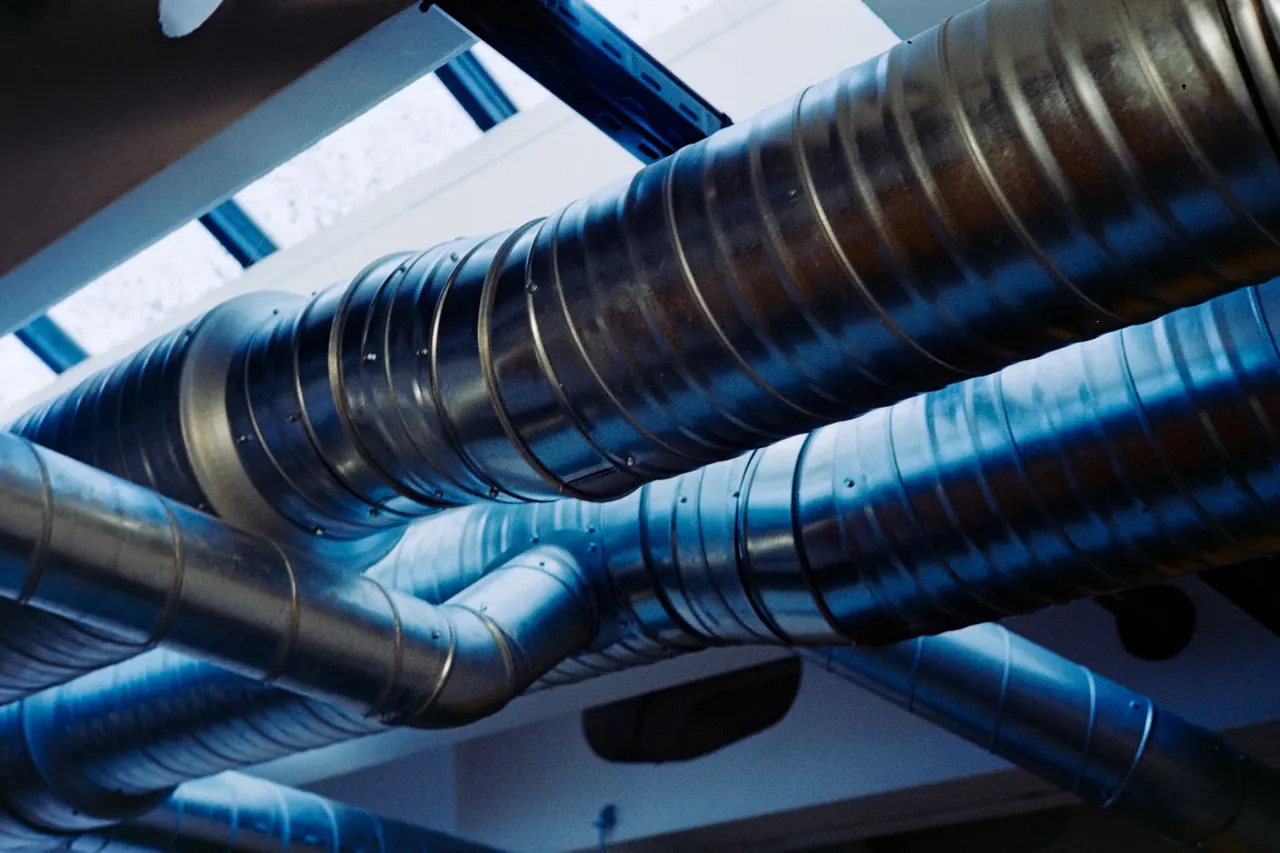
A high-rise condo owner needs a rooftop condenser swapped without disrupting neighbors.
We coordinate with the building engineer, arrange the crane lift, protect the roof membrane, and work within the building's allowed hours.
Outcome: New condenser online in one day with no damage to the roof and no complaints from the HOA.
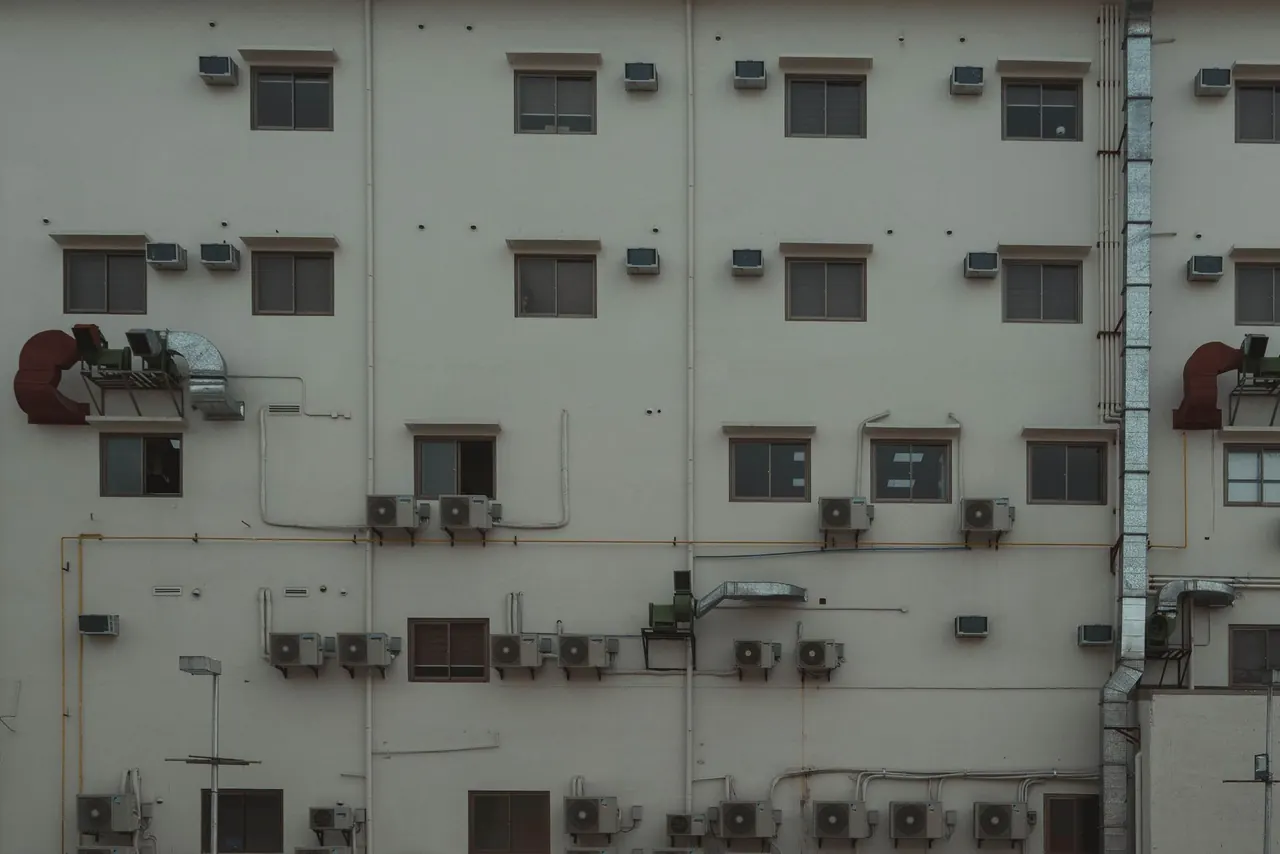
Chicago is a tough town on air conditioners. Summer humidity sits above 70 percent for weeks, and a condenser that is 10 percent undersized will struggle to pull moisture out of the air. Our building stock makes it harder: greystones have thick masonry walls that hold heat, many two-flats run ductwork through unheated attics or crawl spaces, and high-rises put condensers on roofs where they bake in direct sun.
We size every system with an ACCA Manual J Load Calculation and check static pressure with a manometer before we call a job done. City of Chicago mechanical permits are required on most replacements, and we pull them so your inspection passes the first time. If you are comparing quotes for a Chicago air conditioning install company, ask whether they run a load calculation or just match the old tonnage.
We also see a lot of R-22 systems still running in older buildings, and those cannot be legally recharged, so replacement is the only path. For homeowners weighing the cost to replace central air in Chicago, the honest answer is that a properly sized system lasts 15 to 20 years and pays back the efficiency difference within about six summers.
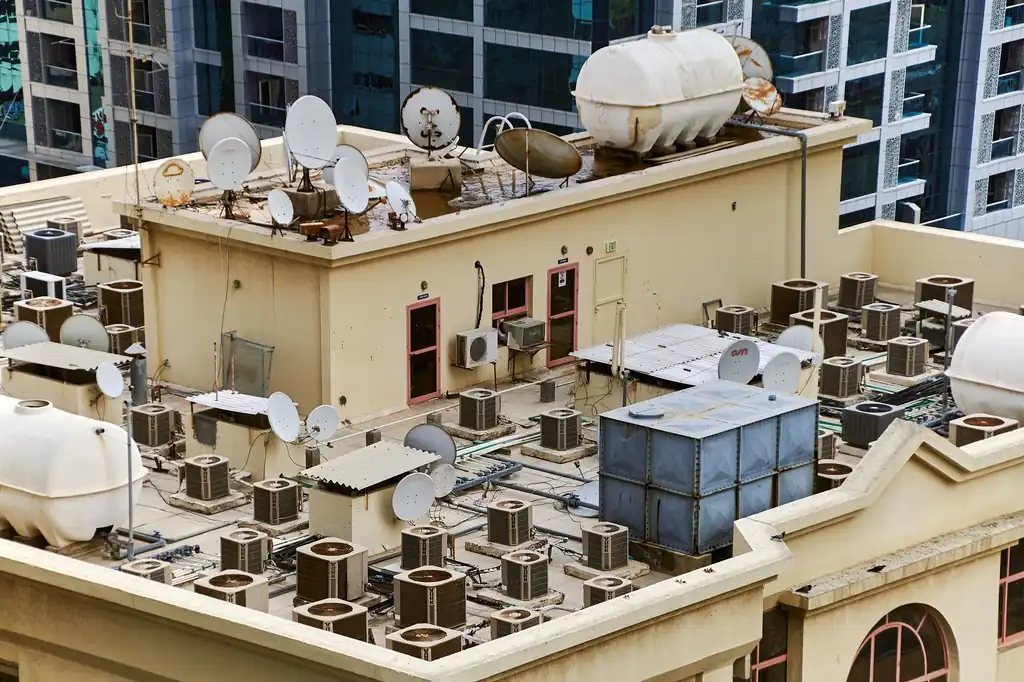
Before: A 2004 Carrier condenser was short cycling every 10 minutes and the second floor never dropped below 80 degrees. The line set was original, the pad was cracked, and the condensate drain was dumping water into the basement stairwell.
After: We installed a matched 2.5-ton 16-SEER2 system with new copper line sets, a new pad, and a float-switched condensate drain. Second-floor temperatures dropped 7 degrees and the compressor now runs 12-minute cycles instead of 10.
Change the 16x25x1 filter every 60 days, hose off the condenser coil each May, and book a spring tune-up so we can check charge and capacitor health before the first heat wave.
Before: A 15-year-old rooftop condenser was tripping on high head pressure by 2 p.m. every July afternoon. The building engineer had been resetting the breaker daily and the unit below had water stains from a clogged drain line.
After: We crane-lifted a new 3-ton condenser, replaced the line set and drain pan, and installed a condensate pump with a safety switch. The unit has run two full summers without a single high-pressure trip.
We schedule a rooftop inspection each April to clear debris from the coil, test the condensate pump, and verify refrigerant charge before cooling season starts.
Before: The homeowner's 18-year-old AC and 20-year-old furnace both failed within a month of each other. The ductwork was leaking badly at every joint and the upstairs bedrooms were 8 degrees warmer than the living room.
After: We replaced both units in one day with a matched Carrier system, sealed 14 duct joints, and added a return air drop to the hallway. The temperature split between floors dropped to 2 degrees and the ComEd rebate covered part of the duct sealing.
By the time most Chicago homeowners call us, the system has been limping for two or three summers. Here are the failures we see most often and what replacement does about them.
A correctly sized system cools evenly and costs less to run.
A new 16-SEER2 system uses roughly 20 to 30 percent less electricity than a 10-SEER unit from 2005.
Most second-floor bedrooms in Chicago two-flats run 6 to 9 degrees warmer than the first floor. We fix that with proper Manual J sizing, a matched coil, and duct corrections where needed. You get even temperatures instead of a window unit in the bedroom.
New equipment means no more 2 a.m. calls about AC running but not cooling. We install a fresh run capacitor, contactor, and thermostat wiring so the system starts clean every cycle. Our customers average zero mid-season breakdowns in the first three years.
Clear records you can keep and share.
Written pricing before we order
City inspection sign-off copy
Charge and airflow numbers recorded
A list like this tells people straight away whether you cover their street. Not listed? Call and ask: it only takes a minute.
Based in Chicago and covering the places around it. Pick one for local details.
A straightforward 2-ton swap on an existing pad sits near the low end. We give you a written number before we order anything.
A standard residential replacement takes 6 to 8 hours, so we finish quickly. If we are also replacing the furnace or correcting ductwork, plan on a second day. High-rise jobs with rooftop crane lifts can add 2 to 3 hours for rigging. We give you a start time and a realistic finish window when we book the job.
Size comes from an ACCA Manual J Load Calculation, not square footage alone. A 1,200-square-foot Chicago greystone with average insulation usually lands at 2 to 2.5 tons, while a 2,000-square-foot frame house with west-facing windows can need 3.5 tons. Oversizing is the most common mistake we see, and it causes short cycling, high humidity, and premature compressor failure.
Yes. We offer AC replacement financing Chicago IL homeowners can use for the full job, including equipment, labor, and permit fees. Options include 0 percent for 12 months and extended plans up to 60 months. Approval takes about five minutes online, and we can lock in your install date quickly you are approved.
Other services from the same team.
One call gets you a real number from the installer who will do the work, not a salesperson. We quote in writing, pull the permit, and finish most jobs in a single day. Call (312) 638-0812 and let's get your house cool again.
Call (312) 638-0812 or email info@hvacchicagopro.com and tell us what your system is doing. If you leave a message after hours, we'll call you back with a plan.