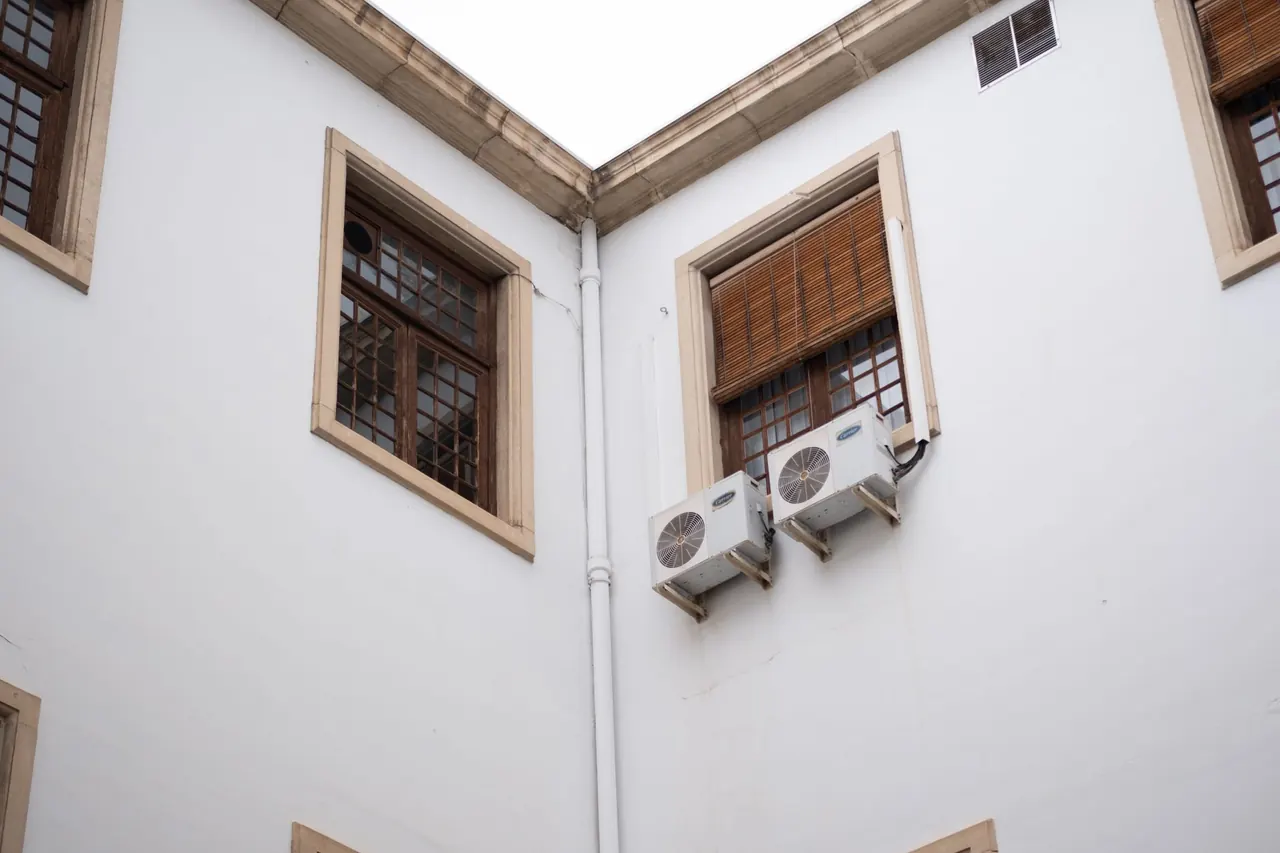
Homes in Ukrainian Village
Most homes here are brick two-flats and greystones with original radiator heat. We work around tight basements and narrow gangways.
- Brick two-flats
- Greystones with radiators
- Converted basement units
- Gut-rehabbed condos
HVAC in Ukrainian Village IL means working on 1890s brick two-flats, greystones, and converted basement units that were never designed for modern equipment.
Chicago, Illinois
Serving Ukrainian Village and nearby
HVAC in Ukrainian Village IL is a different trade than HVAC in a suburb full of 1990s construction. The housing stock here is 1890s to 1910s brick two-flats and greystones, many still heated by steam or hot water boilers with original cast-iron radiators.
When we open a wall on Haddon Avenue or off the Western Avenue blocks, we expect to find gravity-fed ductwork, undersized returns, and radiator piping that has been patched three times over the decades. Our technicians carry manifold gauge sets, combustion analyzers, and thermal imaging cameras on every truck because you cannot diagnose a Ukrainian Village heating system by guessing.
We are a Ukrainian Village HVAC company that handles everything from a failed hot surface igniter on a Rheem furnace to a Weil-McLain boiler losing pressure on a cold January morning. If you need reliable HVAC near Ukrainian Village, we quote the repair before we start and we do not sell you a replacement you do not need.
Ukrainian Village has a specific set of HVAC demands that most contractors underestimate. The neighborhood is a landmark district, so exterior mechanical equipment changes often run into preservation guidelines, which means we plan condenser and mini-split placements carefully before we cut anything.
Side-street homes have narrow gangways that restrict equipment access, so we bring compact recovery machines and plan hose runs in advance. Steam and hot water boiler systems are still widespread, and converted basement units frequently need independent heating solutions because the original boiler loop never reached them. We work in this neighborhood every week, and those constraints are just part of the job for us.
Good to know in Ukrainian Village
A standard condenser pad and line set run can be impossible to stage from the street, and hauling an old furnace out through a gangway takes longer than a suburban swap.
The landmark district is dense with 1890s to 1910s brick two-flats and greystones, many with original radiator heat and steam boilers.
New condenser placements, mini-split heads, and vent terminations visible from the street may need review, which can slow a straightforward replacement.
Ukrainian Village heating and cooling work splits into two seasons: boiler and furnace repairs from October through March, and AC repair from June through August. in January, it is almost always a no-heat call on a steam boiler or a furnace that finally quit.
Most Ukrainian Village furnace calls trace back to a dirty flame sensor, a failed hot surface igniter, or a cracked heat exchanger in an older unit.
AC repair in Ukrainian Village often means a frozen evaporator coil or a refrigerant leak on a system that has been running hard through a humid Chicago July.
Steam and hot water boilers are still the backbone of heat in Ukrainian Village greystones and two-flats.
Original cast-iron radiators in Ukrainian Village homes need bleeding, valve repair, and sometimes full replacement when a section cracks.
Heat pumps are showing up more often in Ukrainian Village renovations, especially in gut-rehabbed units where ductwork was added.
When a boiler quits on a below-zero night in Ukrainian Village, we treat it as an emergency.
Ductless mini-splits solve a real problem in Ukrainian Village: converted basement units and attic spaces that never had ductwork.
Replacing a furnace in a Ukrainian Village two-flat means working around original basement layouts and tight flue runs.
AC replacement in Ukrainian Village usually means a new condenser on a narrow gangway pad and a new copper line set through a basement wall. We pull the permit and handle the inspection.
A fall tune-up on a Ukrainian Village boiler or furnace catches most winter breakdowns before they happen.
Pick a service to see how we approach it here.
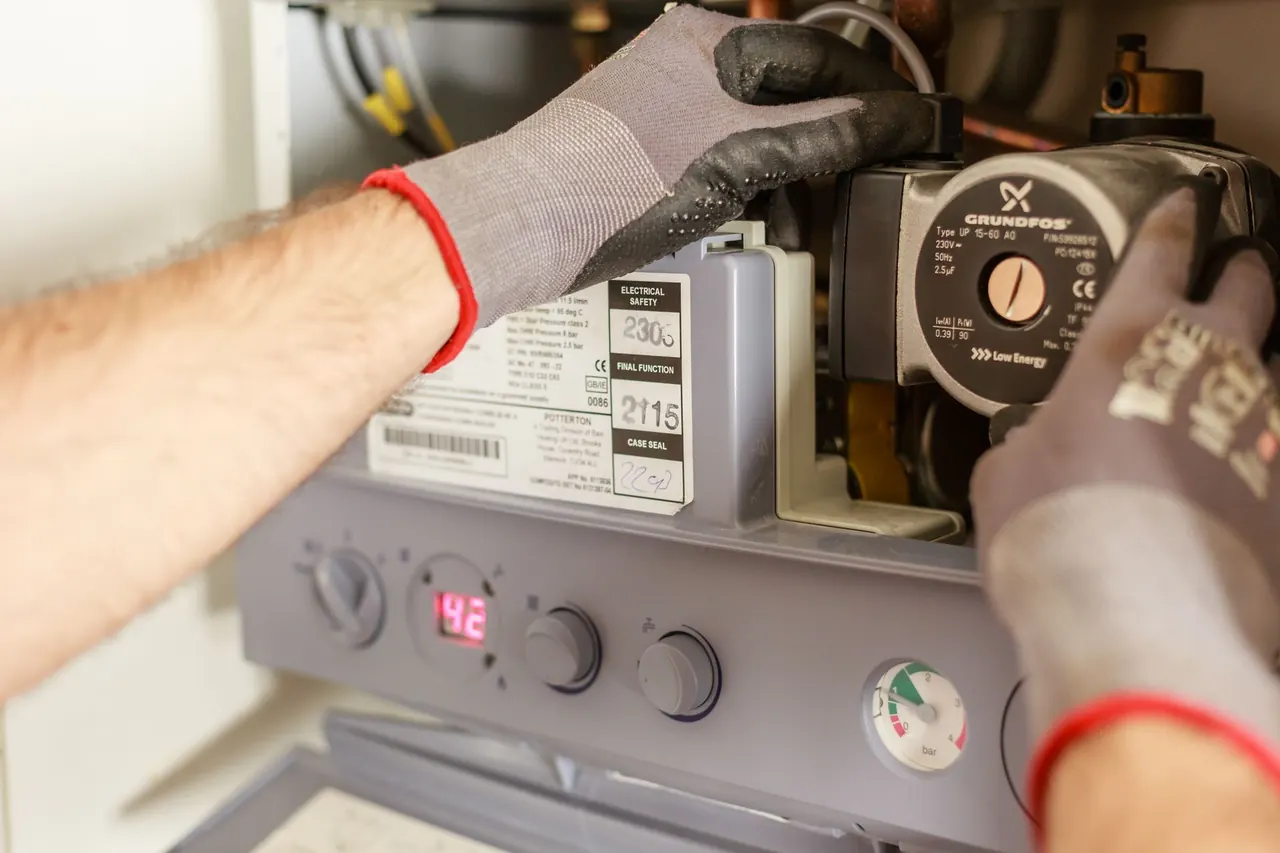
Furnace work in Ukrainian Village often means a basement mechanical room with low headroom and a flue run that was patched years ago. We test the igniter and flame sensor first, then check airflow and static pressure before touching parts. If the heat exchanger is cracked, we show you the reading and explain the options.

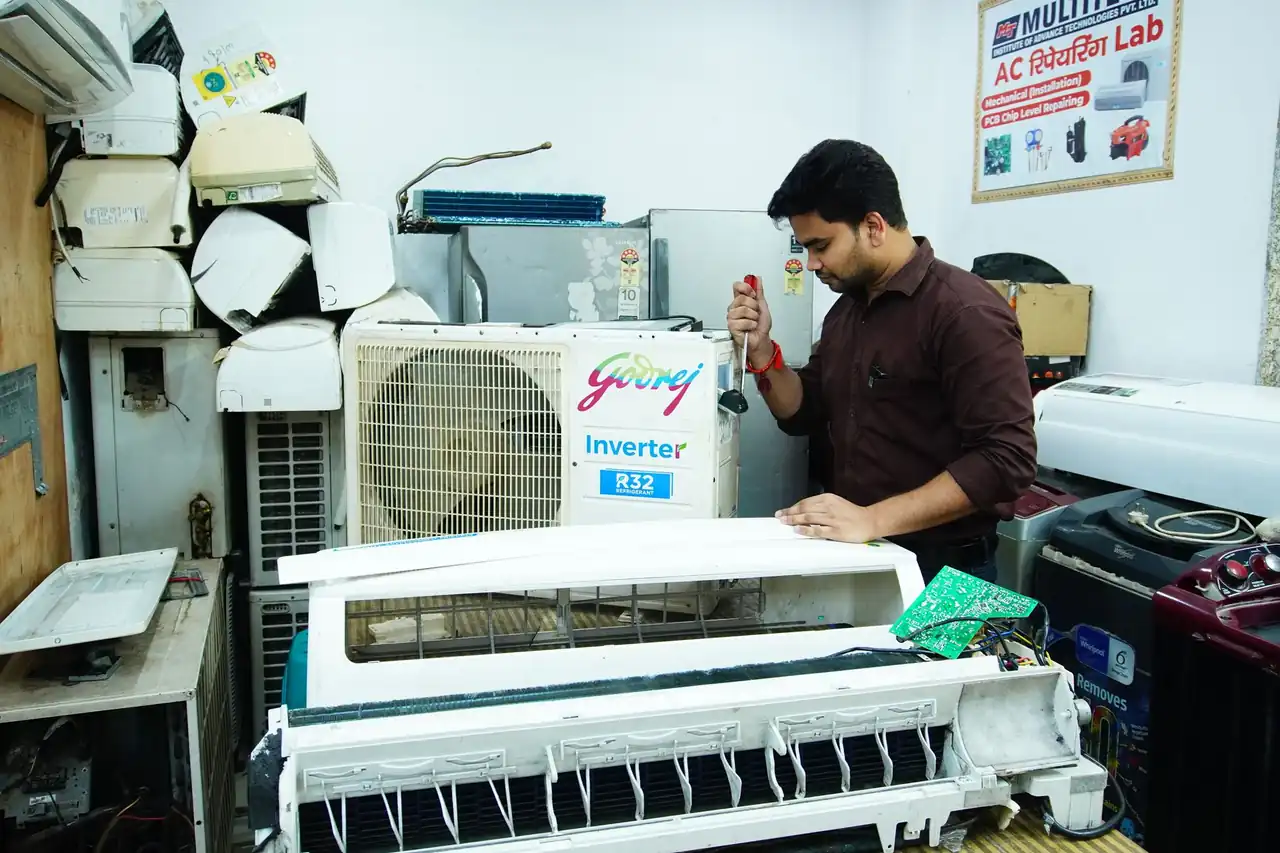
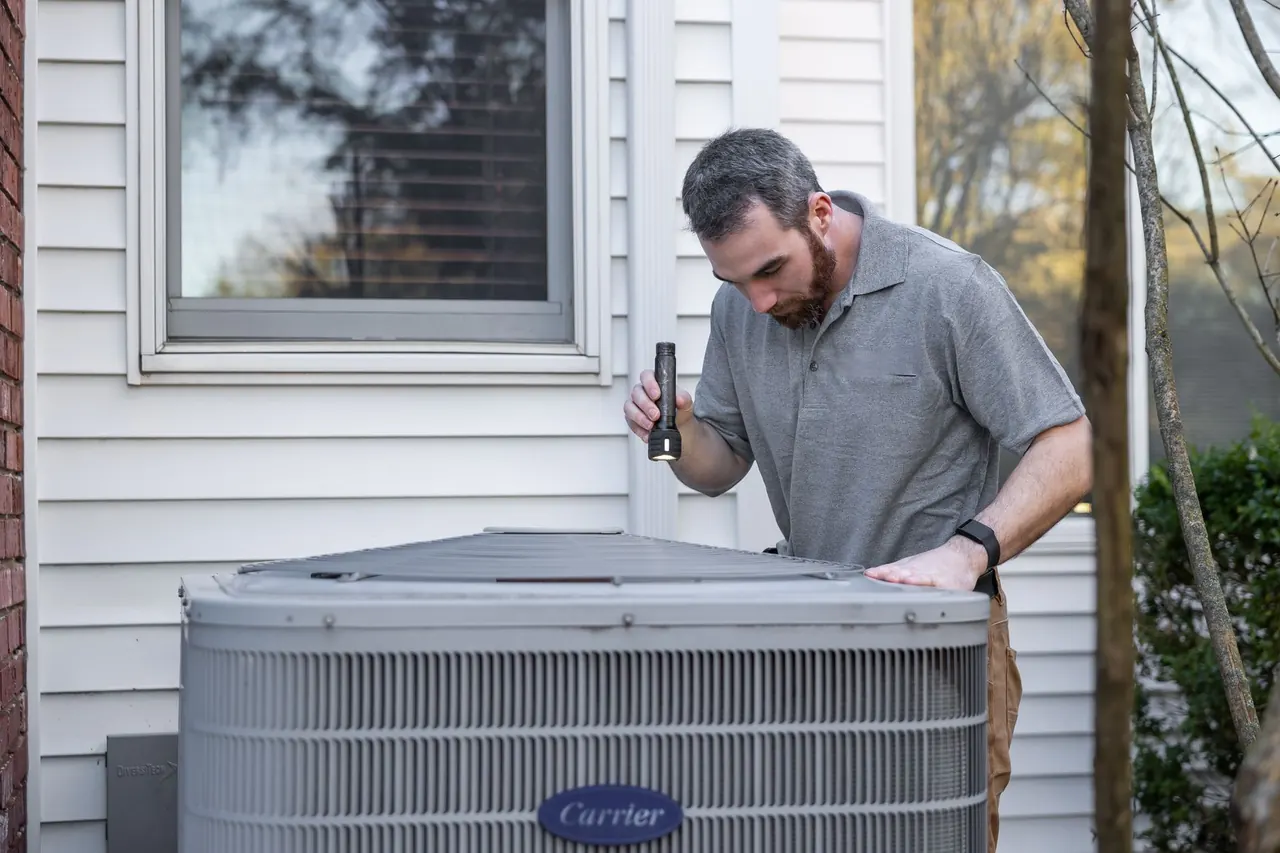
AC calls here usually involve a condenser on a narrow gangway pad and a line set running through a basement wall. We recover the charge, pressure-test the line set, and check the capacitor and blower motor. Frozen coils and clogged condensate lines get cleared before we recharge by weight.
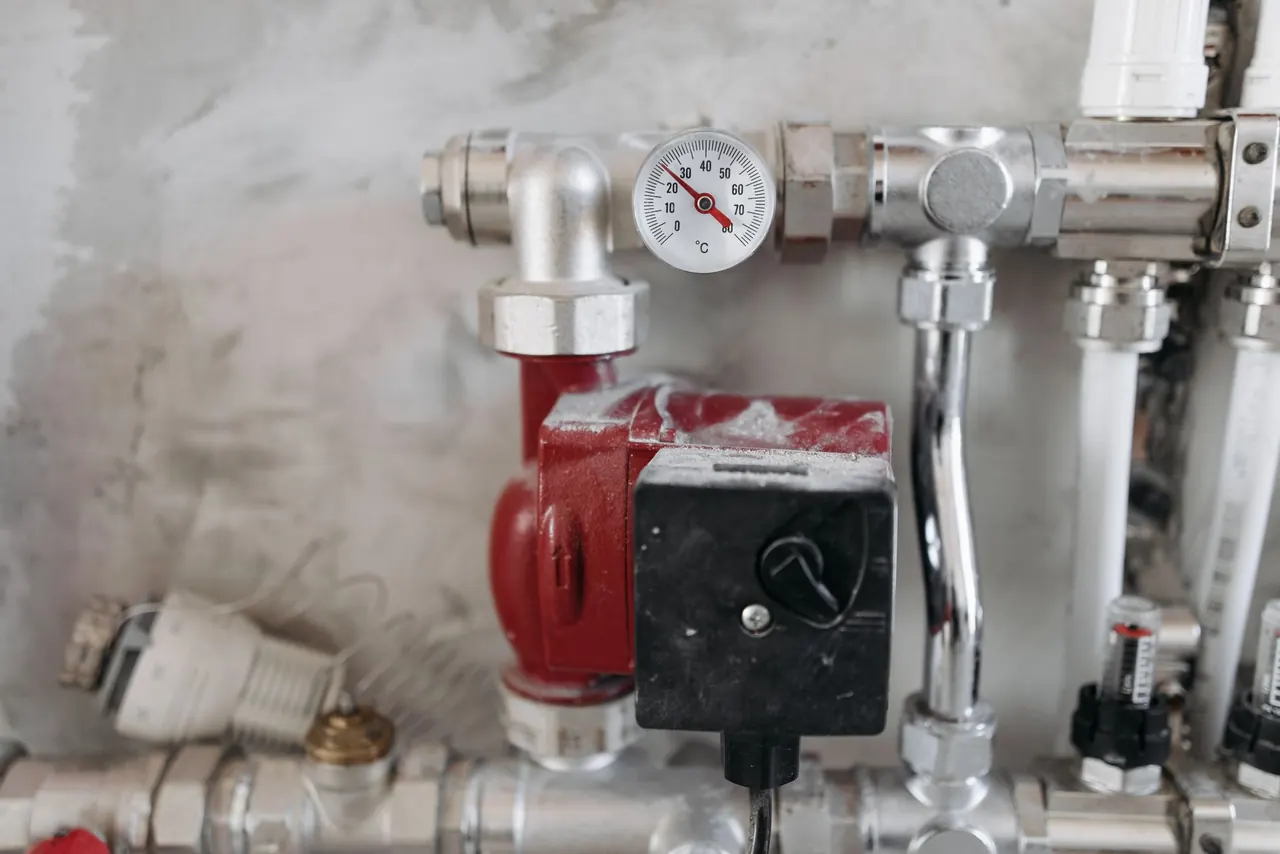
Steam and hot water boilers still heat most Ukrainian Village greystones and two-flats. We check water level, trap function, and zone valves, then purge air from hydronic lines that leave upper radiators cold. Low pressure and water hammer get diagnosed at the source, not just topped up.
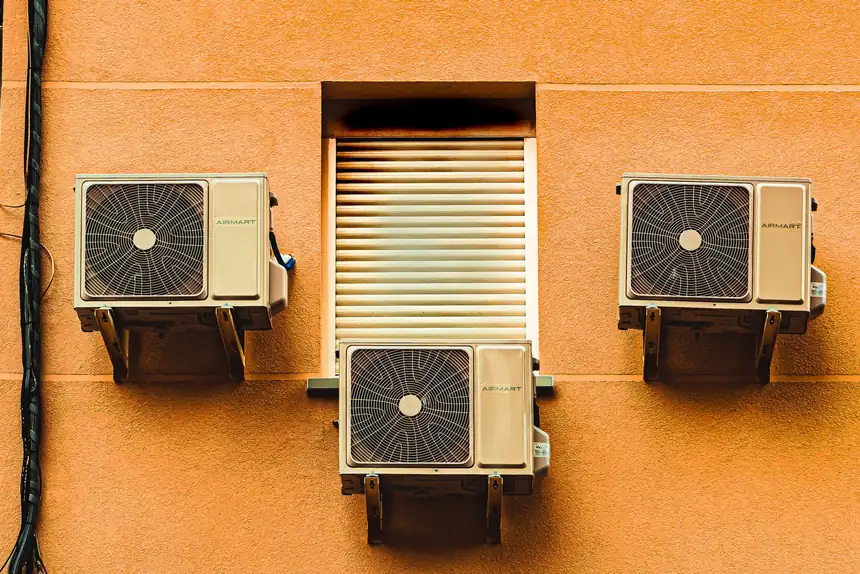
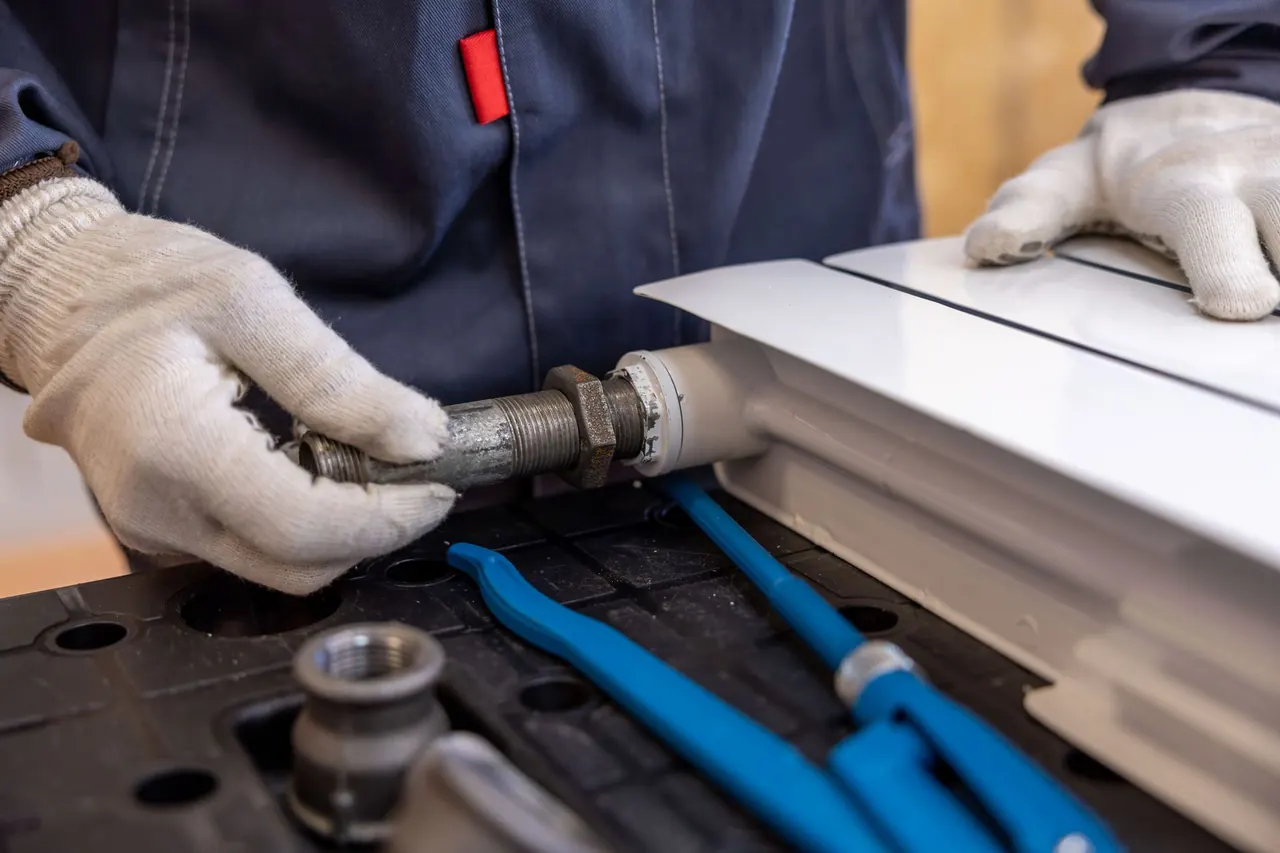
Original cast-iron radiators in Ukrainian Village homes need bleeding, valve repair, and correct pitch to stop water hammer. We check trap function and balance hot water systems so front rooms and back bedrooms heat evenly. Stuck valves get replaced without draining the whole system.
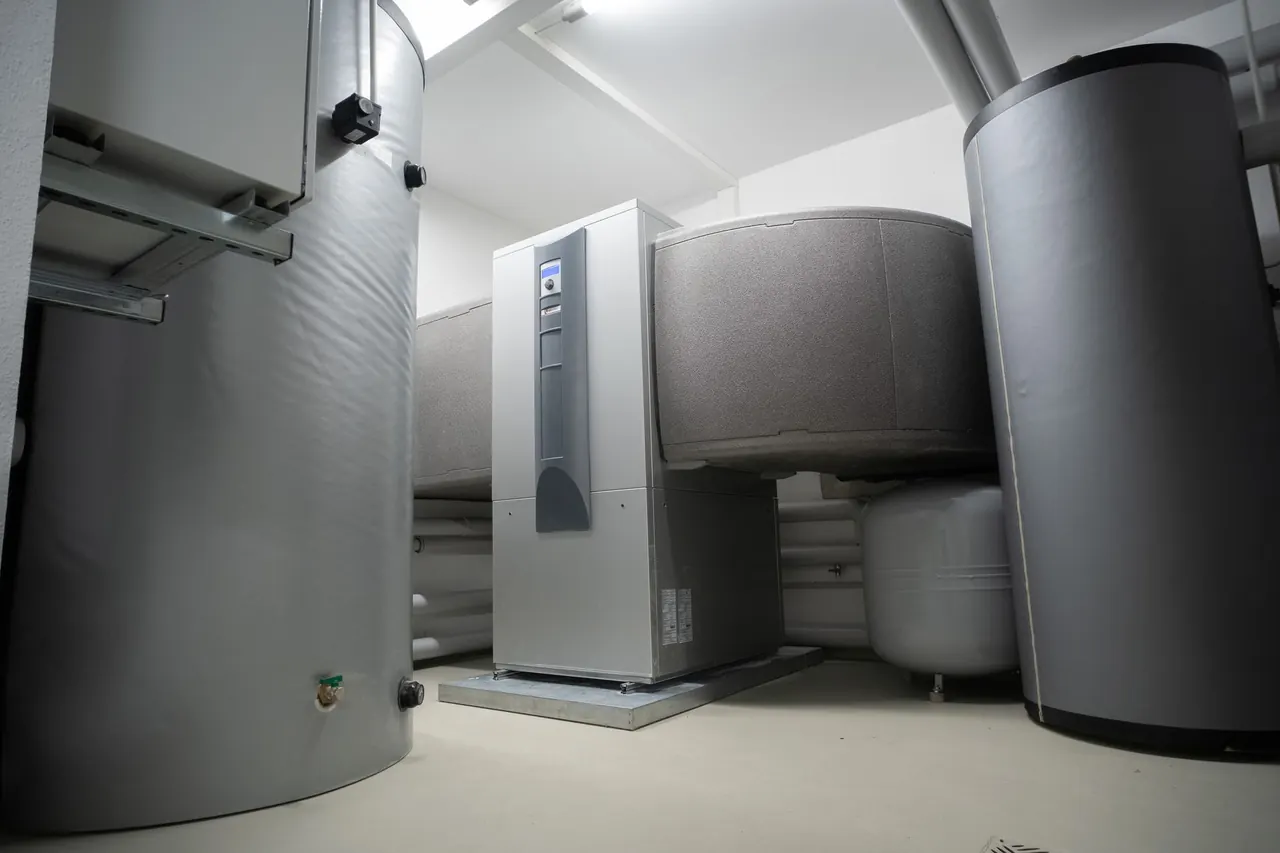
Homes here run on boilers and radiators; commercial spaces run on rooftop and split systems.
Most homes here are brick two-flats and greystones with original radiator heat. We work around tight basements and narrow gangways.
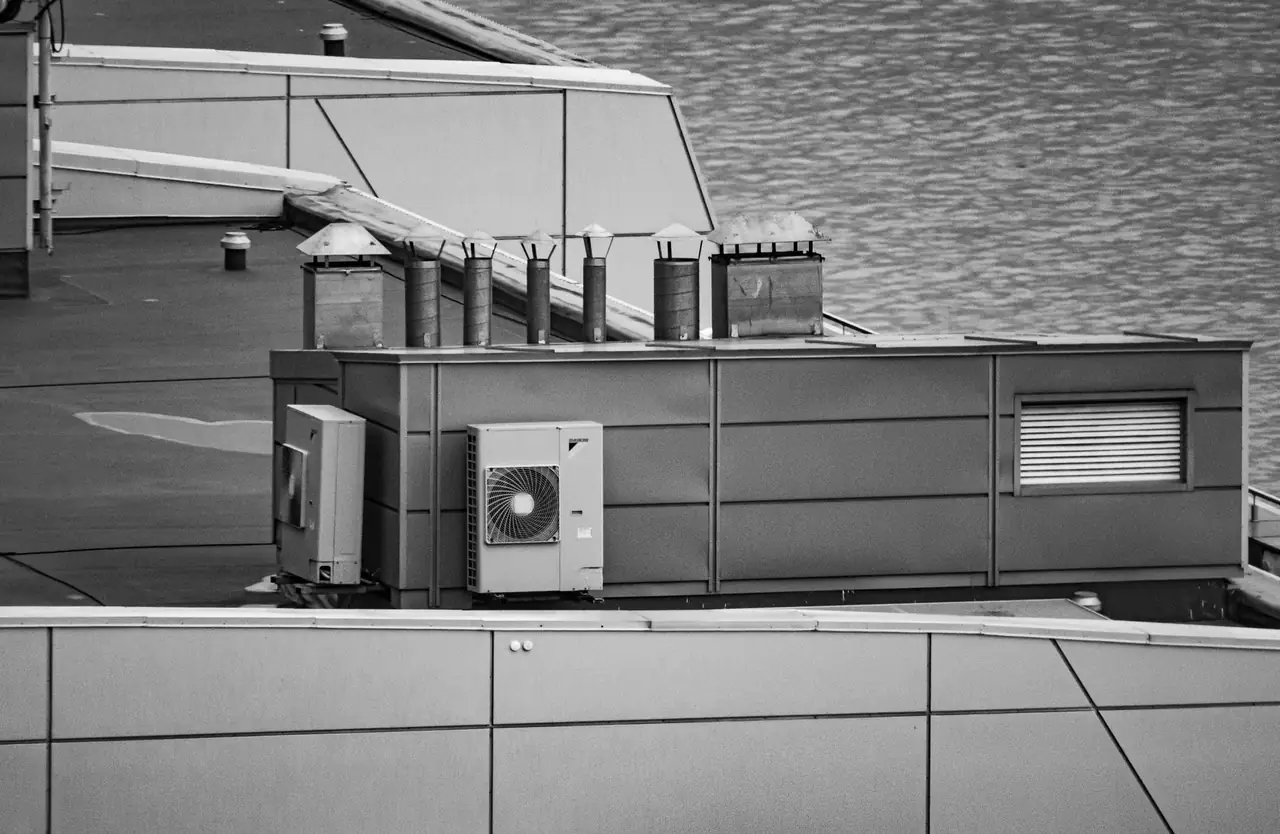
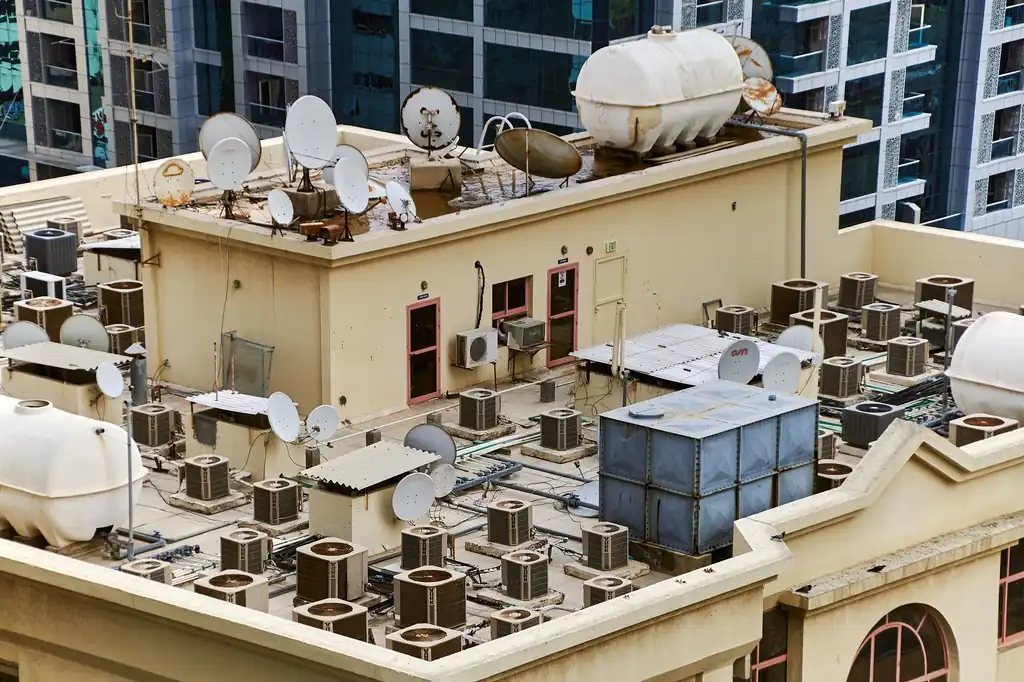
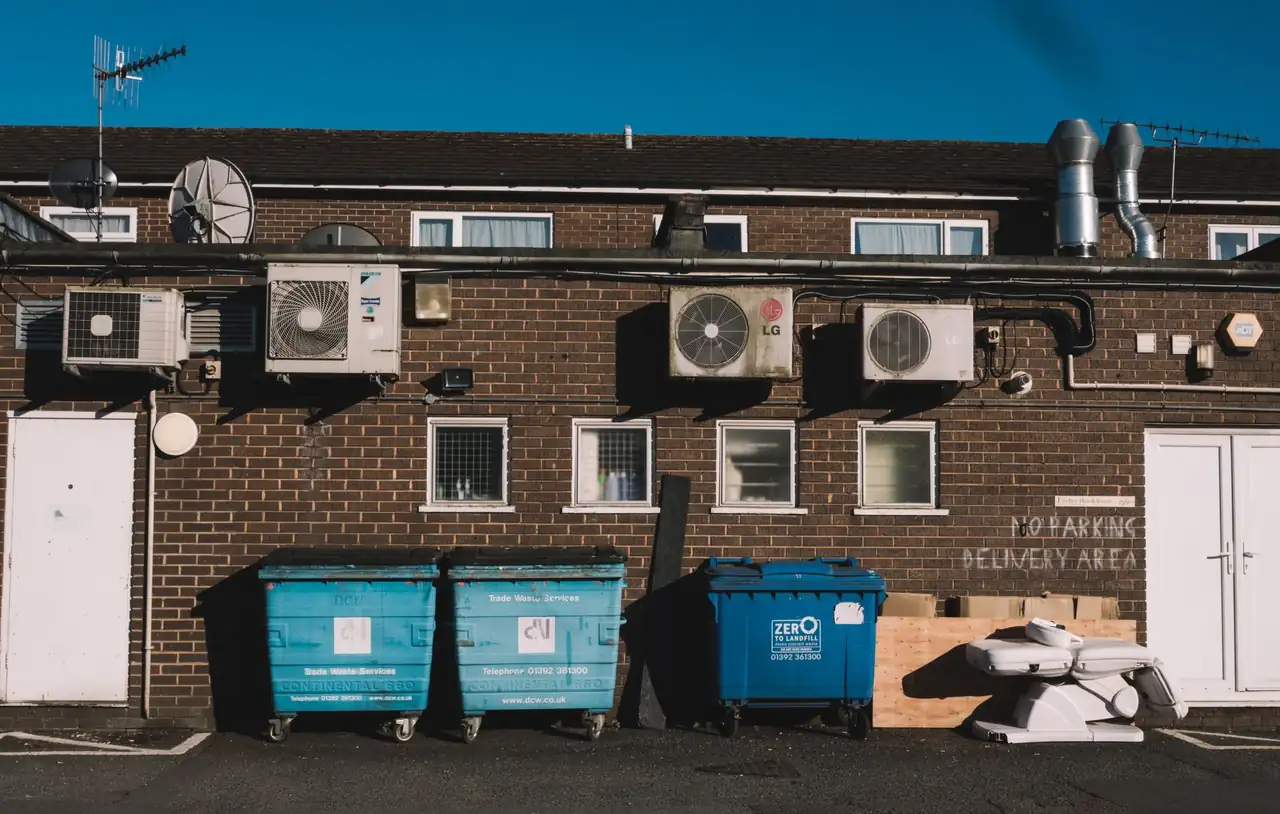
Commercial buildings here mix storefronts with apartments above. Rooftop and rear-alley equipment access is typical.
Ukrainian Village heating and cooling problems come from three things: an old housing stock, a real four-season Chicago climate, and mechanical systems that were retrofitted into spaces that were never designed for them.
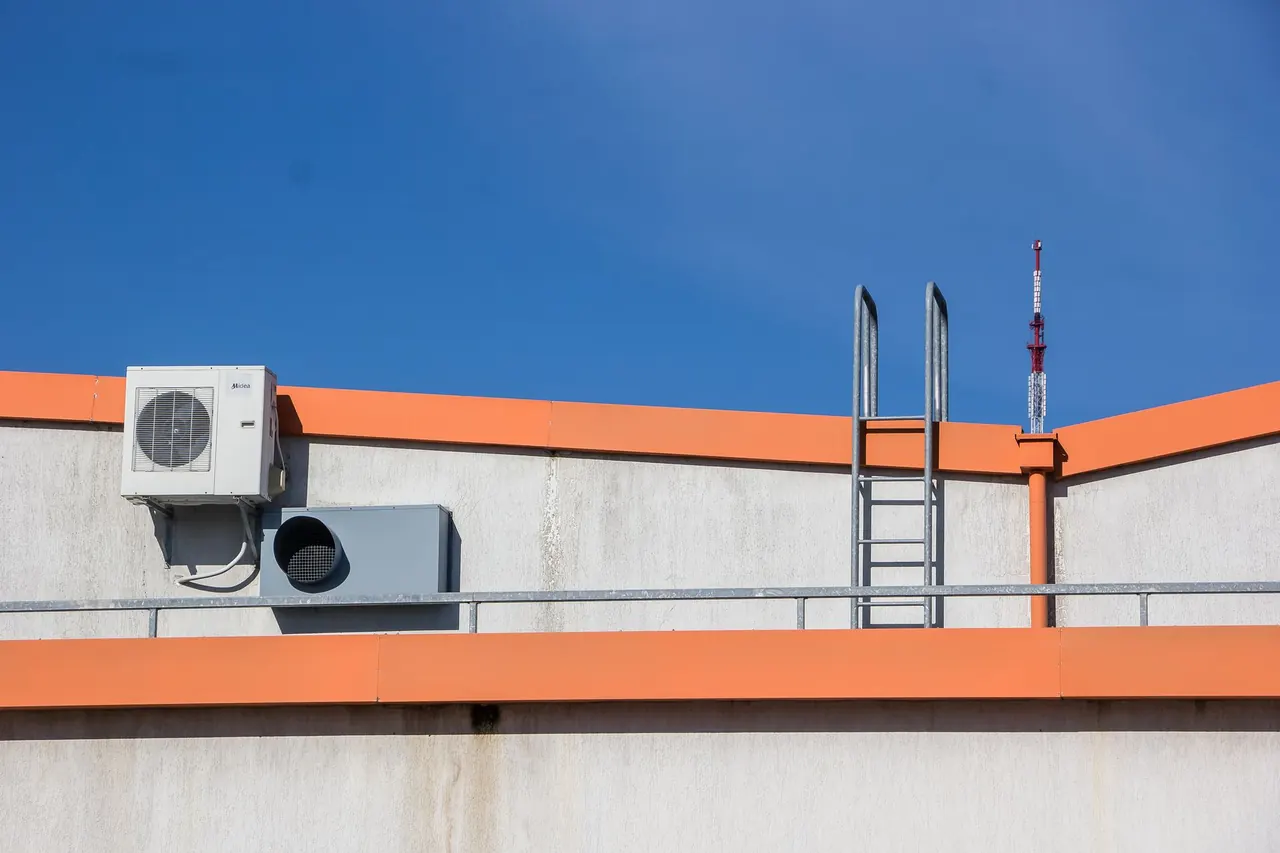
Original steam systems in Ukrainian Village two-flats and greystones are over a century old, and steam traps wear out, radiator pitch shifts, and boiler water level drifts. Wet steam and trapped condensate cause the banging and uneven heat that owners notice first.
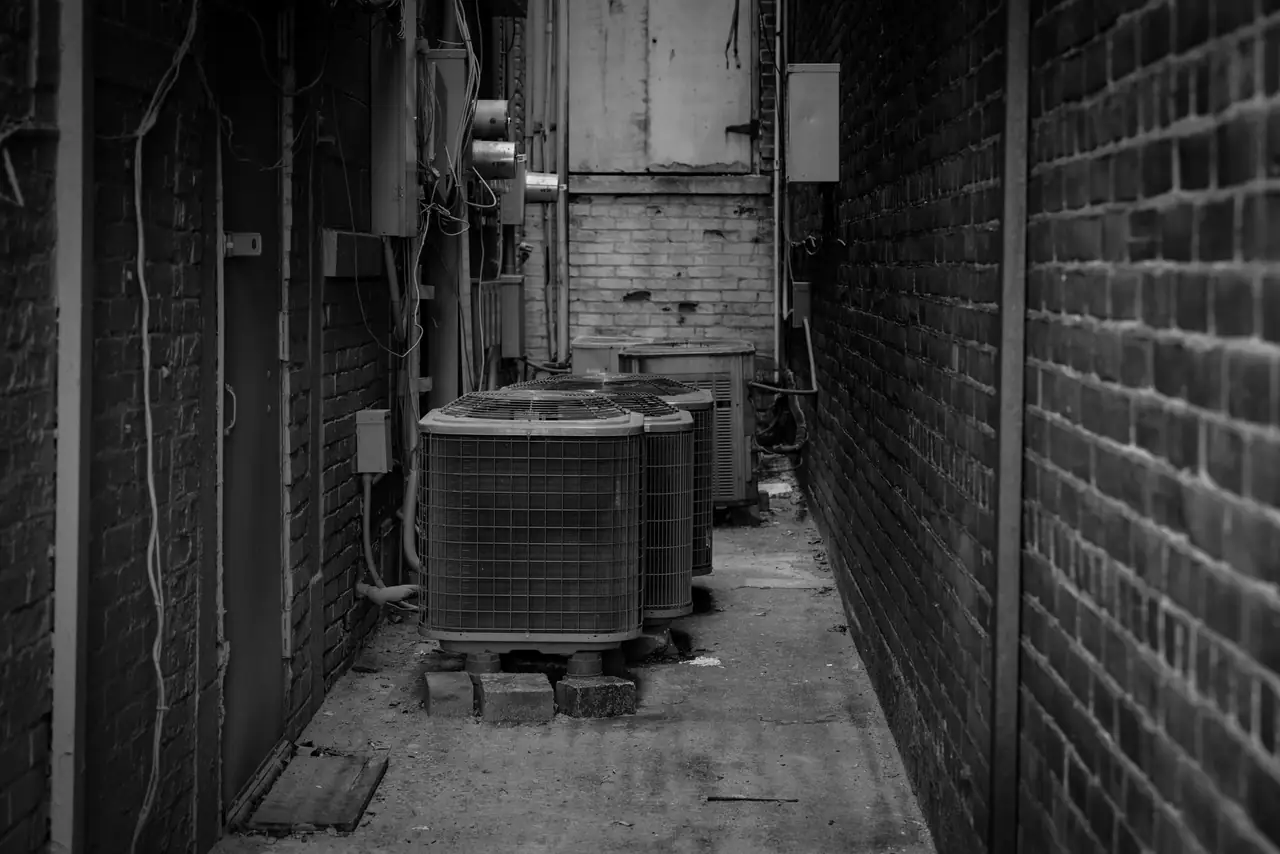
Converted basement units often have undersized returns and ductwork that was added after the fact. The furnace overheats, trips the limit switch, and short-cycles, which wears out the blower motor and heat exchanger over time.
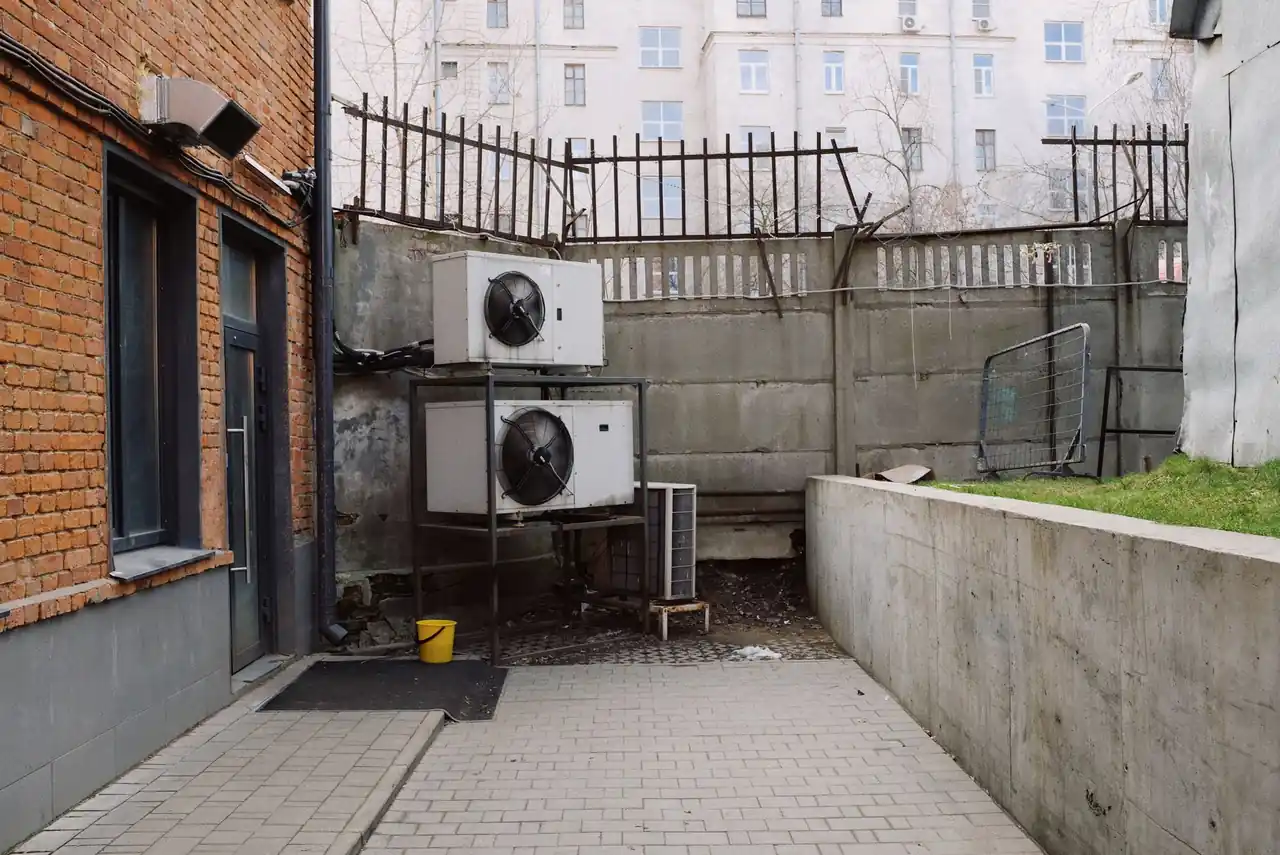
Many Ukrainian Village AC systems were installed with line sets that run through basement walls and narrow gangways, and flare fittings and older copper lines develop slow leaks. Systems then freeze up or run but do not cool.
Older furnaces in Ukrainian Village homes have run through many Chicago winters, and the heat exchanger eventually cracks from thermal stress. A cracked exchanger can let combustion gases into the supply air, which is a safety issue, not just a comfort one.
Watch for these signs that it is time to call for service.
Any one of these is worth a call.
Nothing picked yet. Tap the signs you have noticed and this box will sum them up.
Ukrainian Village is compact, but the one-way streets and narrow side blocks make navigation a real skill. We use the neighborhood's landmarks as orientation points when we are routing trucks and confirming addresses. Sts. Volodymyr and Olha Ukrainian Catholic Church and St.
Landmark
A central orientation point in the historic district.
Landmark
Sits on the Chicago Avenue side of the neighborhood and gives us a clear north-south reference when we are working addresses along the commercial corridor and the blocks just south of it.
Landmark
A recognizable landmark near the eastern edge of Ukrainian Village.
Landmark
Another anchor point in the neighborhood that helps us orient calls on the western blocks and confirm which alley access point serves a given address before we arrive.
Commercial area
A mixed commercial strip with storefronts, restaurants, and residential units above.
Commercial area
A busier arterial with larger multi-unit buildings and some commercial frontage. Shared boiler systems and hot water loops serving multiple apartments are common on these blocks.
Transit
Runs the length of the neighborhood and gives us a straight east-west route across Ukrainian Village, which helps us plan calls that span both ZIP codes.
Transit
A major cross point on the south and west edges of the neighborhood. We use it to route between Ukrainian Village calls and jobs in Wicker Park and East Village.
Ukrainian Village gets a real four-season climate: humid summers in the high 80s, cold winters that drop below zero, and shoulder seasons that swing fast. That range shapes when heating and cooling systems fail and what maintenance they need.
Ukrainian Village sits in the middle of Chicago's near-northwest side, which makes it a practical base for calls across several adjacent neighborhoods.
Straight answers to what people ask first.
A standard tune-up in Ukrainian Village runs a flat fee per system, usually in the low hundreds. A boiler or furnace tune-up covers flame sensor cleaning, igniter and thermocouple testing, and a flue check with a combustion analyzer. An AC tune-up covers the condenser coil, capacitor, and condensate drain line. If we find a part that needs replacing, we quote it before doing the work.
A furnace blowing cold air in Ukrainian Village is usually a dirty flame sensor, a failed hot surface igniter, or a gas valve issue. In older basements it can also be a miscalibrated thermostat or a failing blower motor. This is a no-heat situation, so treat it as urgent. We test the igniter, sensor, and gas valve and run a combustion check before we leave.
If your boiler quit, your furnace is blowing cold air, or your AC is running but not cooling, call HVAC Chicago Pro. Call (312) 638-0812 and we will get a tech out to your greystone, two-flat, or converted basement unit.
Call (312) 638-0812 or email info@hvacchicagopro.com and tell us what your system is doing. If you leave a message after hours, we'll call you back with a plan.