For homes
We tune furnaces, ACs, boilers, and mini-splits in houses, condos, and two-flats. You get a written report on what we cleaned, tested, and measured.
- Furnace short cycling
- AC not cooling
- Uneven room temperatures
HVAC Tune-Up & Maintenance in Chicago is how you stop a furnace failure on the coldest night of the year. We clean burners, test ignition, measure refrigerant charge, and check every safety control on your system. Whether you own a greystone in Logan Square or a high-rise condo in River North, our techs tune both sides of your equipment so heating and cooling maintenance in Chicago never becomes an emergency call.
 Combustion testCoil cleaningCharge check
Every tune-up covers cleaning, testing, and a written report on one system. Filters and failed parts are quoted separately, and if we find something that needs repair you get a flat price before we touch it.
Burners brushed, flame sensor and hot surface igniter tested, inducer motor and pressure switch checked, and combustion analyzer readings logged. We also inspect the heat exchanger for cracks and verify flue draft with a manometer.
Condenser coil washed, fins straightened with a fin comb, run capacitor and contactor tested, and refrigerant charge verified against spec with a manifold gauge set. We also check for leaks with an electronic refrigerant leak detector.
We measure static pressure across the blower, check the evaporator coil for buildup, and confirm your filter size and type. If duct leakage or a crushed flex duct is causing uneven rooms, we note it in the report with a fix.
Condensate drain line cleared and pump tested, thermostat calibrated, and all safety switches verified. On gas equipment we check the gas valve and thermocouple where used, and confirm the PVC flue pipe slopes correctly.
You get a summary of what we cleaned, what we tested, the readings we took, and any part that is aging. Photos of anything concerning. If a repair is needed, the quote is on the same page with a flat price.
The approach is the same for a home and a business. What changes is the access, the schedule and who needs the paperwork.
We tune furnaces, ACs, boilers, and mini-splits in houses, condos, and two-flats. You get a written report on what we cleaned, tested, and measured.
We service multi-unit buildings, small offices, and retail spaces on scheduled visits. Property managers get documented readings for each unit and a clear repair list.
A plain-language look at what HVAC Tune-Up & Maintenance involves and when it is needed.
See how it worksHVAC Tune-Up & Maintenance in Chicago is a scheduled service visit that inspects, cleans, and calibrates your furnace, air conditioner, or heat pump before problems start. On a furnace we pull the burners, brush the heat exchanger, test the hot surface igniter and flame sensor, and check the inducer motor against the manufacturer's spec. On an AC we measure superheat and subcooling with a manifold gauge set, verify the run capacitor, and clear the condensate drain line. It is not a filter swap and a wave goodbye.
Chicago systems work harder than most. A furnace here runs October through April, and a July AC has to pull humidity out of a 95-degree afternoon. That is why an annual HVAC service Chicago, Illinois homeowners schedule in fall pays for itself. We see cracked heat exchangers in 20-year-old Bryant units, frozen evaporator coils in Lakeview walk-ups, and clogged condensate pumps that flood a closet by morning. A fall furnace tune-up Chicago Illinois visit catches those before the first hard freeze.
A tune-up measures how your system actually runs, then fixes what is out of spec.
A standard visit runs 90 minutes to two hours for one system, longer if we do both furnace and AC. Here is the sequence, start to finish.
You call (312) 638-0812 or book online. We ask the age and brand of your equipment, whether it is furnace, AC, or both, and any symptoms like short cycling or uneven rooms. You get a two-hour arrival window and a text when the tech is on the way. No all-day wait.
The tech walks your mechanical room or closet with you, notes filter size, thermostat model, and any prior repairs. We lay drop cloths, and if the unit sits in a finished space we protect the floor before opening a panel. You hear what we are about to check and why.
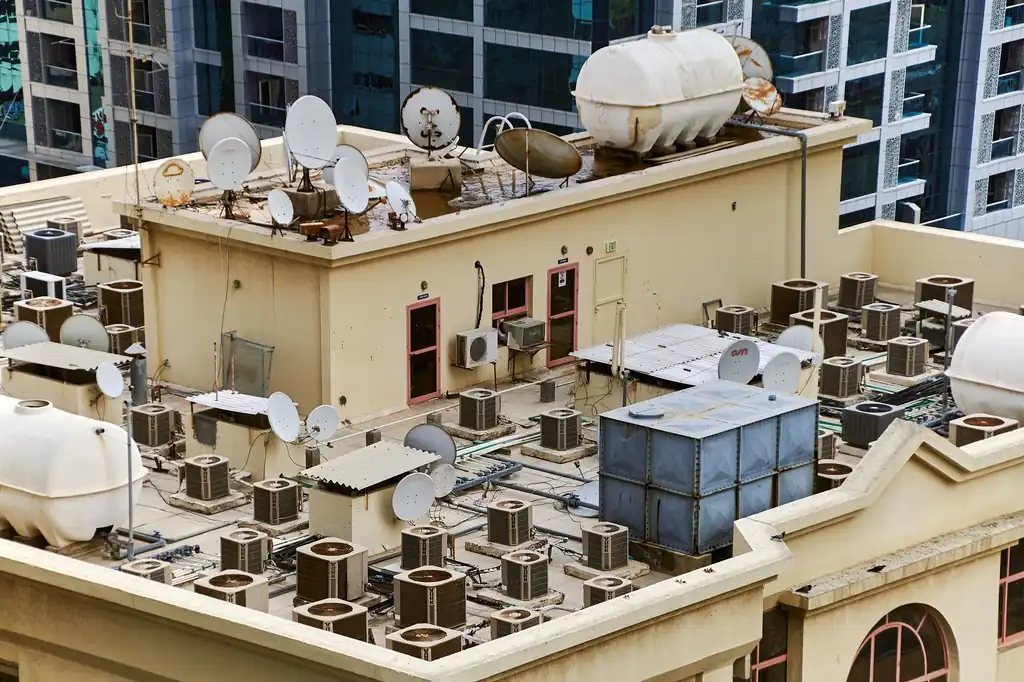
Burner assembly comes out and gets brushed. We test the hot surface igniter, flame sensor, gas valve, and thermocouple where used, then check the inducer motor and pressure switch. A combustion analyzer reads CO and efficiency, and we inspect the heat exchanger for cracks with a thermal imaging camera.
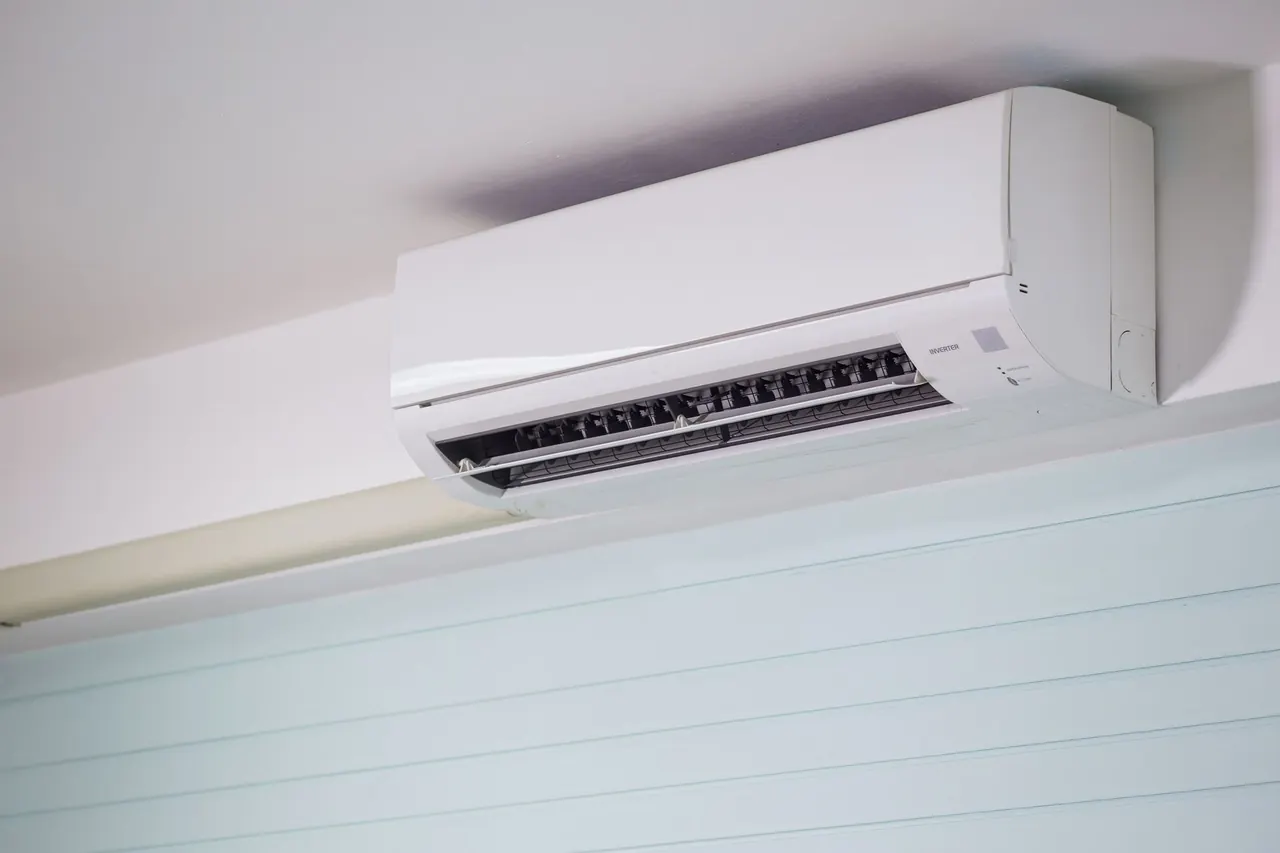
We wash the condenser coil, straighten bent fins with a fin comb, and check the run capacitor and contactor. Refrigerant charge gets verified against spec with a manifold gauge set and electronic leak detector. Inside, we check the evaporator coil, clear the condensate drain, and measure static pressure across the blower.
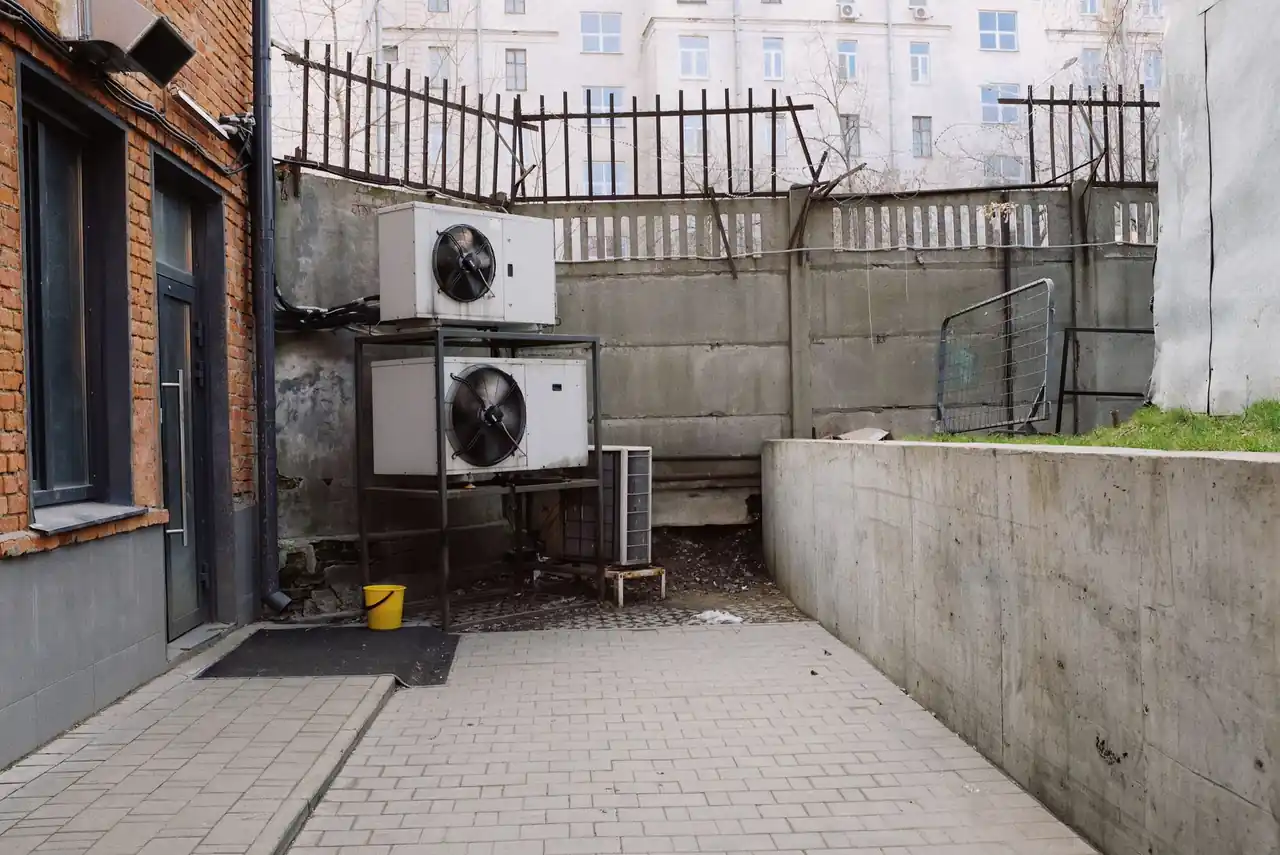
Before we pack up, you get a written summary: what we cleaned, what we tested, readings, and any part that is aging. If something needs replacement we quote it on the spot with a flat price. If everything is fine, you know your system is ready for the season.
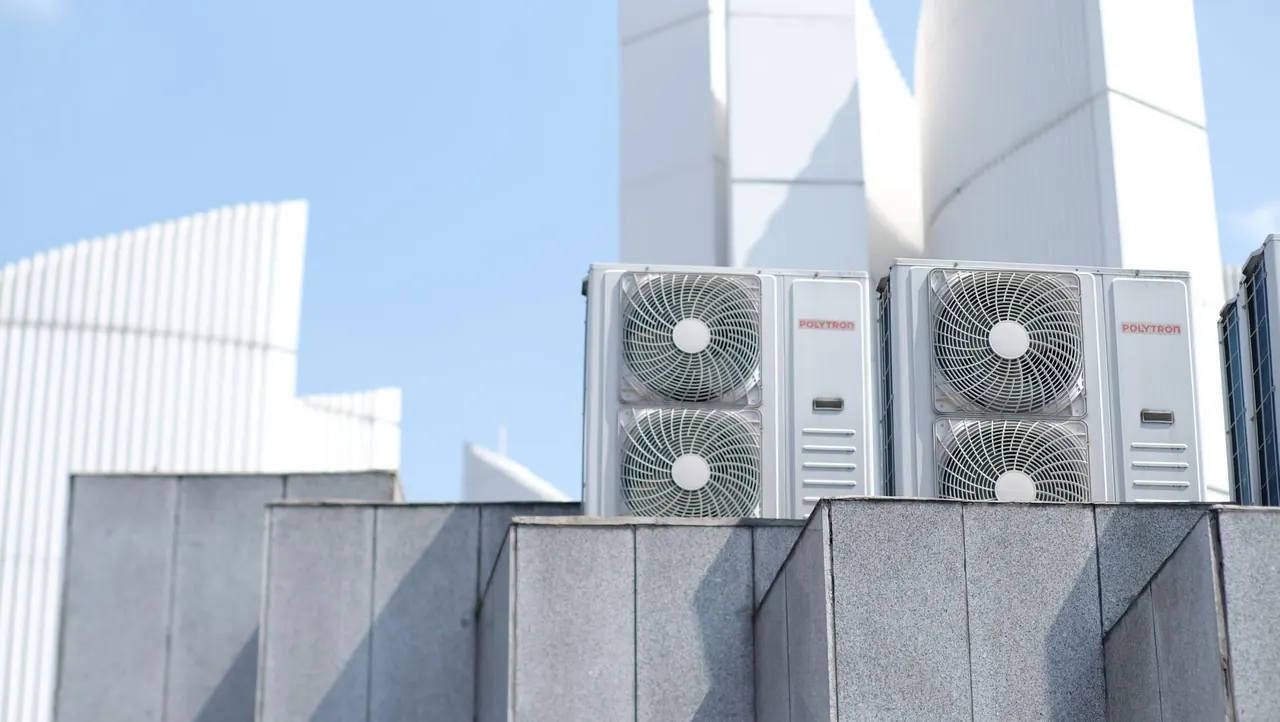
Move across a circle, or focus it and press Enter, for an illustrative thermal view of the photograph.

Reads high and low side pressures so we can calculate superheat and subcooling and confirm the refrigerant charge matches the manufacturer's spec.
Measures carbon monoxide, oxygen, and flue temperature on gas furnaces and boilers. It tells us whether combustion is clean and safe, not just whether the burner lights.
Sniffs out small leaks at joints, Schrader ports, and coil bends that a pressure test alone will miss. Finding the leak beats recharging a system twice a year.
Reveals hot spots and temperature differences across a heat exchanger, duct run, or electrical panel that the eye cannot see. Useful for catching cracks and duct leakage.
Checks gas manifold pressure and flue draft, and measures static pressure across the blower so we can tell whether airflow is actually within range.
Thermal views are illustrative, generated from the photographs.
Straightens bent condenser fins and clears debris from coils. Straight fins and a clean coil move more air and cut the compressor's workload.
We use Manual J sizing when a tune-up leads to replacement. It calculates room-by-room heat gain and loss for your actual house, so the new system is sized correctly instead of matched to whatever was there before.
Manual D guides our duct recommendations when static pressure is high or rooms are uneven. It accounts for duct size, length, and fittings, so airflow fixes are based on the layout rather than guesswork.
Our testing and installation practices follow ASHRAE guidance and ICC Mechanical Code requirements, which matters when work is permitted inside Chicago city limits.
Refrigerant is recovered, recycled, and charged according to EPA Section 608 rules. We do not vent refrigerant, and we document what was added and why.
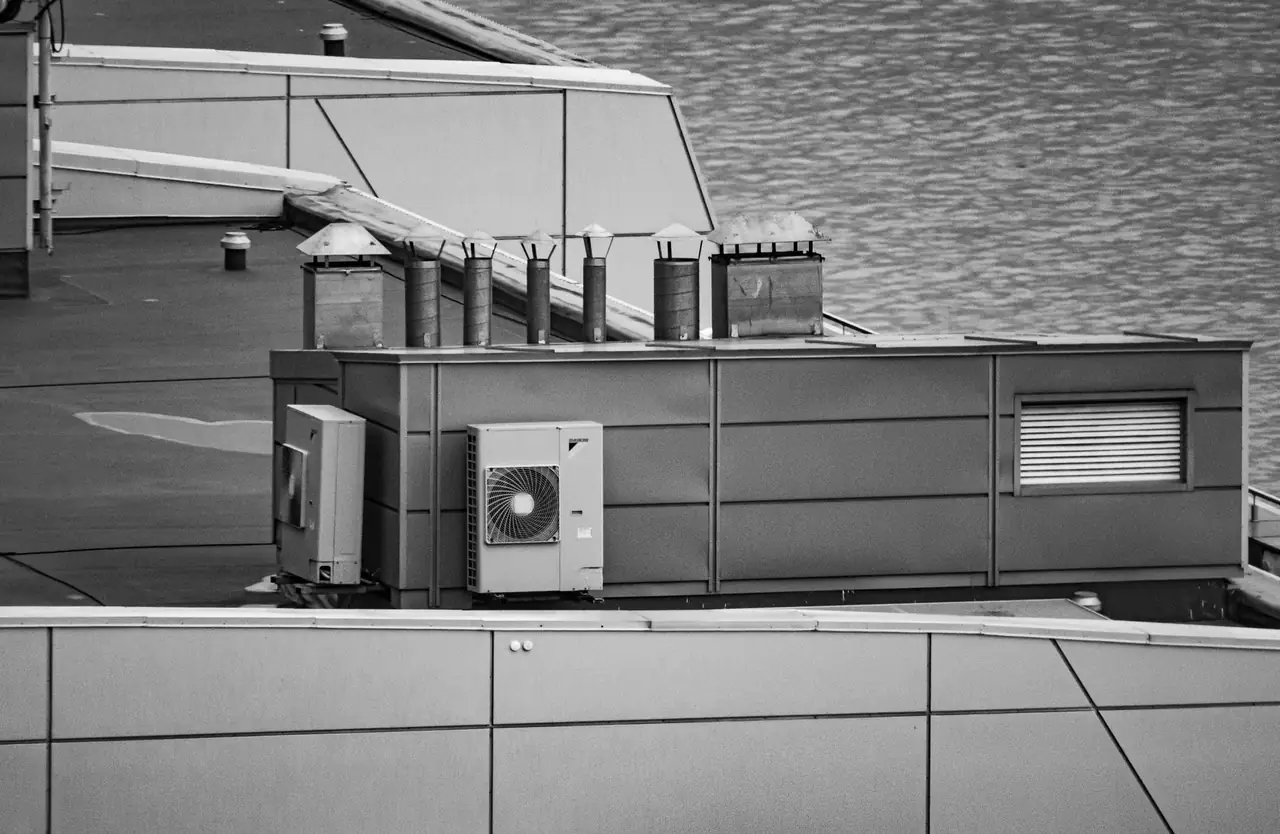
A Ravenswood homeowner wants the furnace checked before the first freeze, and the system has not been touched in three years.
We run a full fall furnace tune-up: pull and clean burners, test ignition and flame sensor, run combustion analysis, and inspect the heat exchanger. Any worn part gets quoted on the spot with a flat price.
Outcome: The furnace starts the season clean, with documented readings and a clear list of what may need attention next year.
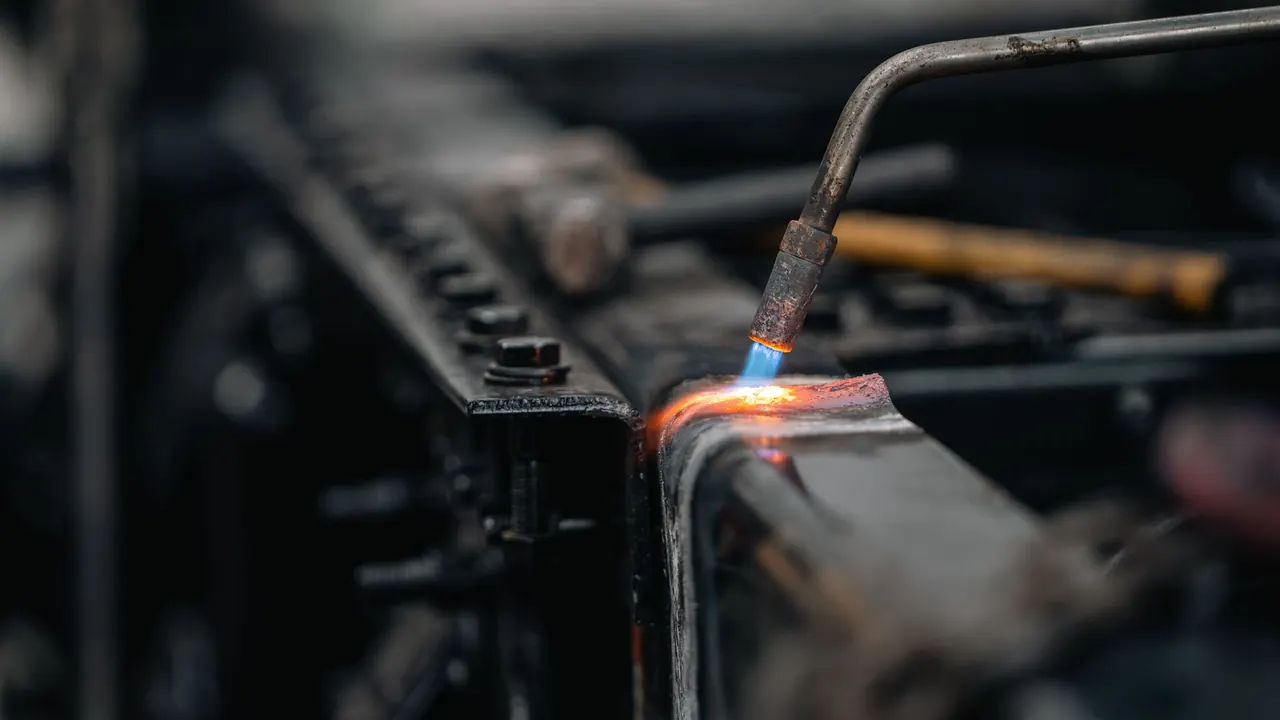
A Lakeview condo owner notices the AC takes longer to cool each summer and the electric bill keeps climbing.
We do a spring AC tune-up: wash the condenser coil, straighten fins, test the capacitor, verify charge with gauges, and clear the condensate drain. We also check the filter and airflow.
Outcome: The unit cools faster, runs shorter cycles, and the owner has a baseline set of readings to compare against next spring.
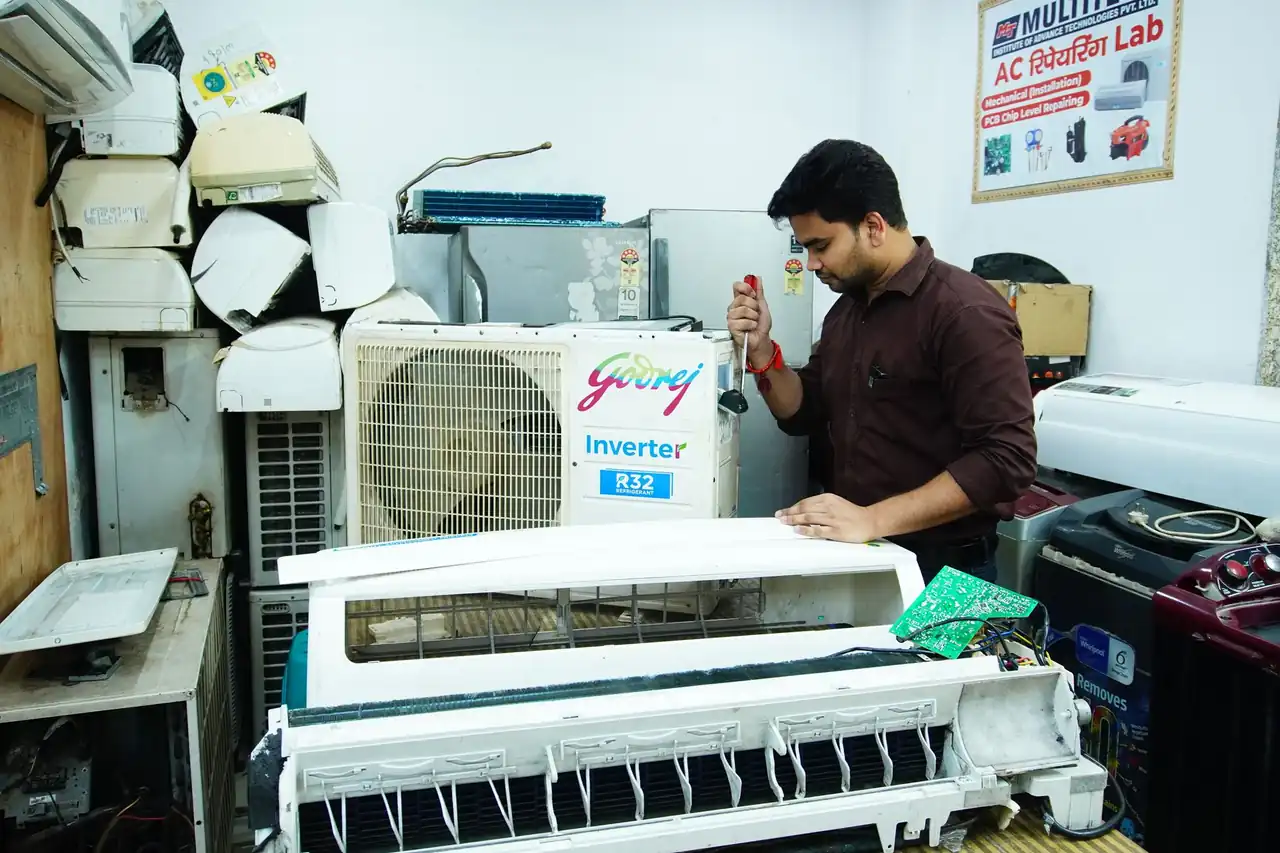
A two-flat owner in Logan Square has a boiler feeding radiators and hears banging when the heat comes on.
We check boiler pressure, circulator pumps, zone valves, and bleed air from the hydronic lines. Water hammer usually traces to trapped air or a failing zone valve, and we correct both.
Outcome: Quiet radiators, even heat on both floors, and a boiler that holds pressure instead of losing it.
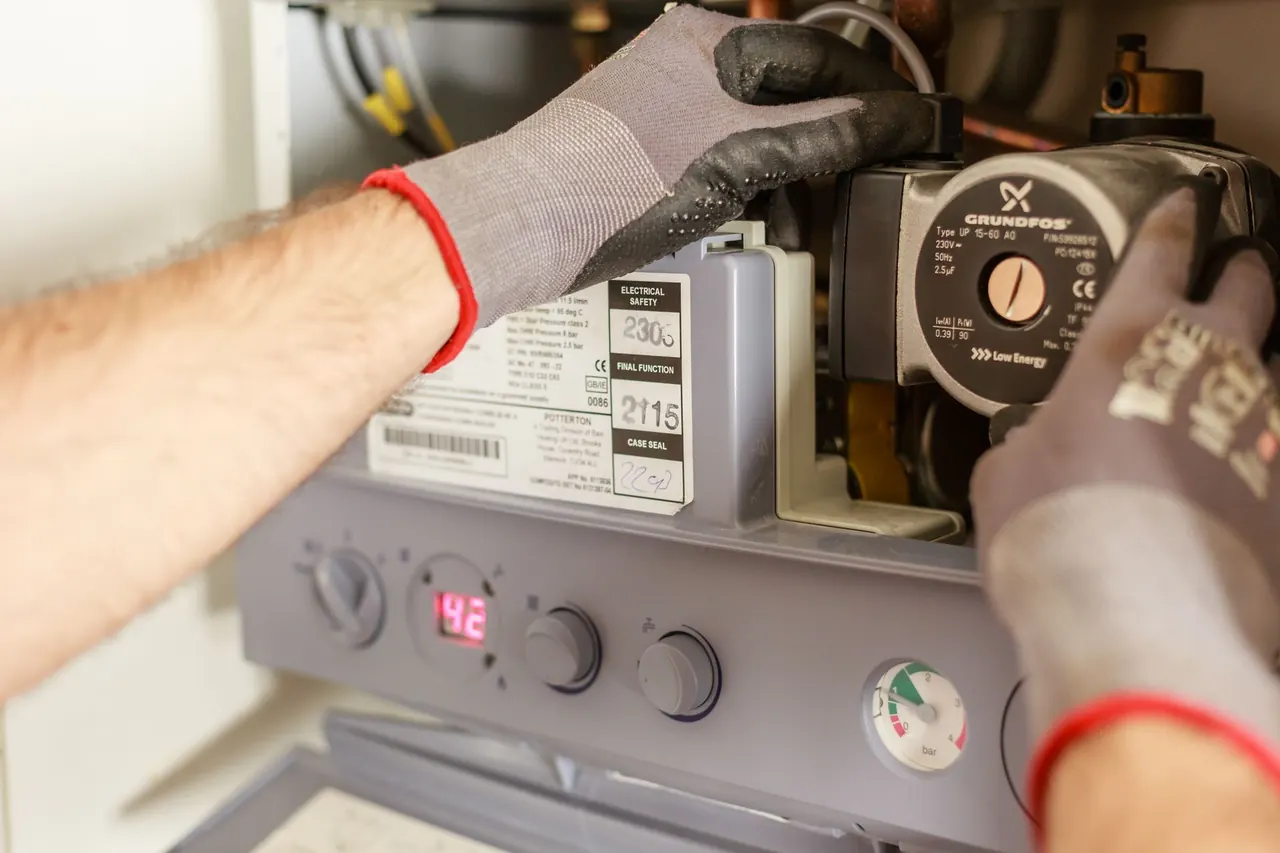
A Portage Park family is selling their house and needs service records for the inspection.
We perform a furnace and AC tune-up, document readings and photos, and provide a written report the buyer's inspector can review. Anything flagged gets a quote before closing.
Outcome: A clean paper trail for the sale and no last-minute repair surprises during attorney review.
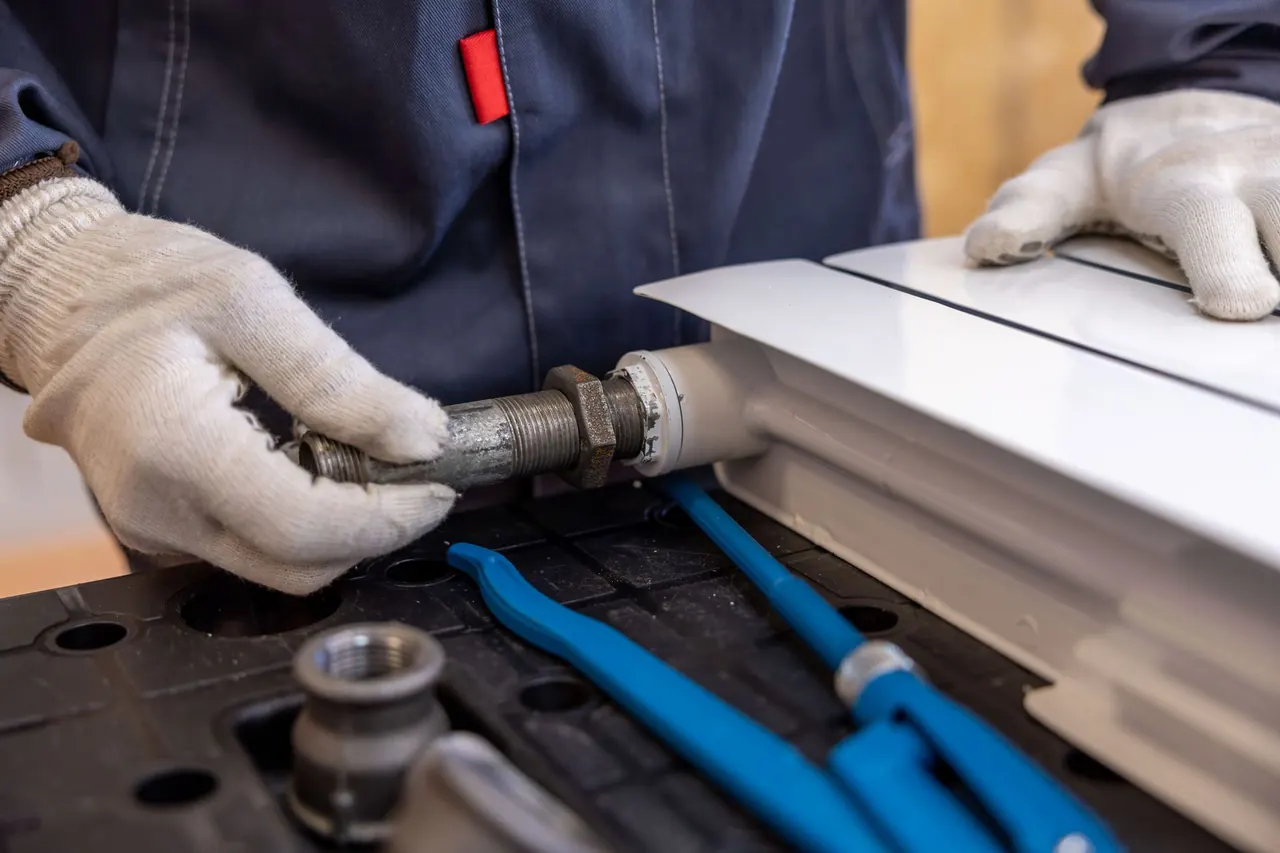
A River North high-rise resident wants a maintenance plan instead of calling someone new every year.
We set up an annual heating and cooling maintenance plan with a fall heating visit and a spring cooling visit, plus reminders before each season and priority scheduling.
Outcome: Two visits a year on autopilot, one crew who knows the equipment, and a clear plan when something does fail.
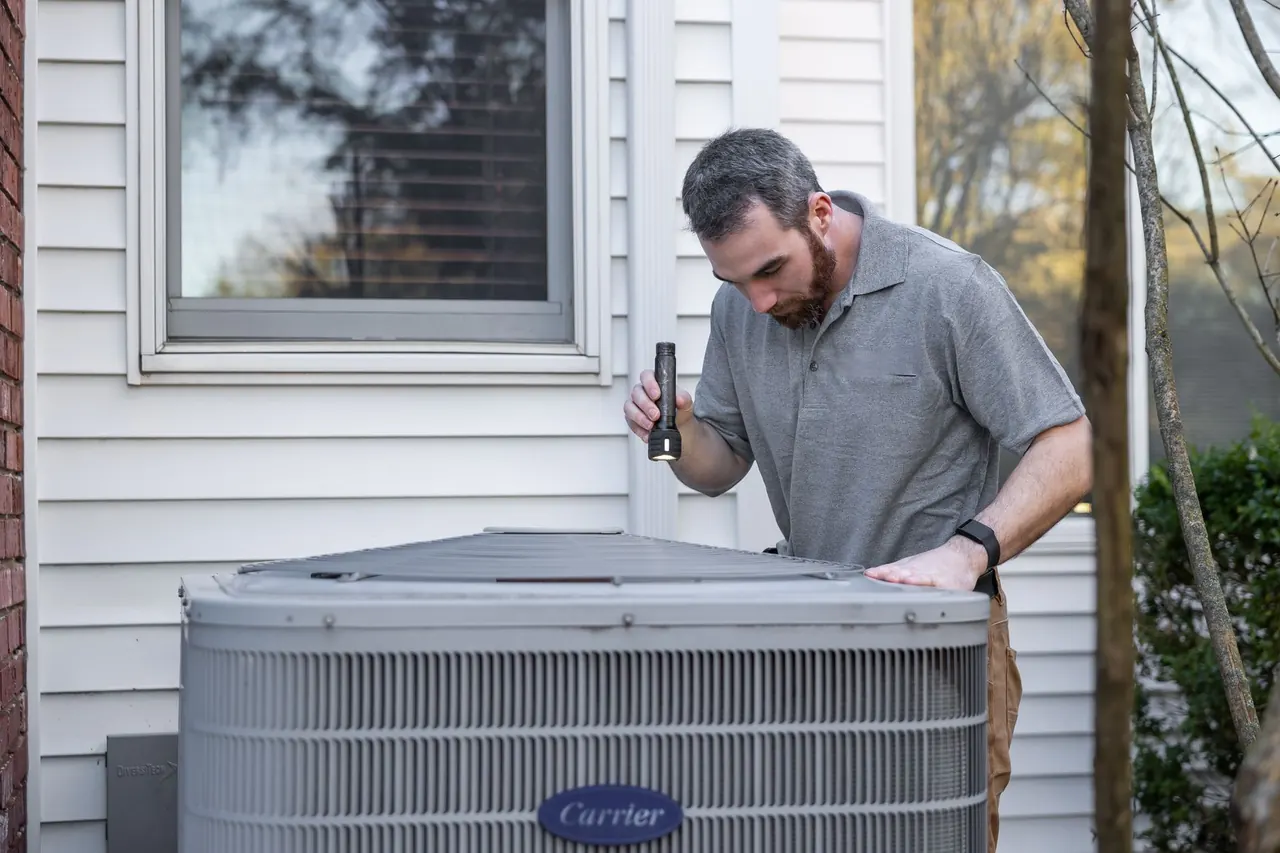
Chicago puts equipment through two extremes. A furnace here runs from October into April, often through multi-day stretches below 10 degrees, and a summer AC has to pull humidity out of a 95-degree afternoon. That is why we schedule heating and cooling maintenance Chicago visits by season: heating in September and October, cooling in April and May. Building stock matters too.
Greystones and two-flats in Logan Square and Ukrainian Village often have original ductwork or radiator loops, while high-rises in River North and the Gold Coast use fan coils and vertical stacks. We check flue draft carefully on older masonry chimneys, and we watch for condensate lines that freeze in unheated closets.
If you are searching for a prompt HVAC tune-up Ravenswood Chicago appointment, tell us your ZIP and we will route the nearest crew.
Before: The second-floor furnace lit, ran two minutes, and shut off. The tenant reported cold mornings and the owner had already replaced two thermostats with no change. The flame sensor was coated and the gas pressure was set too high.
After: We cleaned the flame sensor, reset manifold pressure with a manometer, and verified combustion with an analyzer. Runtime went from two minutes to normal cycles, and the second floor held 70 degrees overnight.
Change the filter every 60 to 90 days and keep the fall furnace tune-up on the calendar. A clean flame sensor and correct gas pressure stay stable between visits.
Before: A condo owner's AC ran constantly but the bedroom stayed near 78 degrees. The condenser coil was packed with cottonwood seed and the run capacitor was reading well below its rated microfarads. Charge was slightly low.
After: We washed the coil, straightened fins with a fin comb, replaced the capacitor, and found and repaired a small Schrader port leak before recharging to spec. Supply air dropped from 68 to 55 degrees.
Rinse the outdoor coil each spring and keep the condensate drain clear. A spring AC tune-up catches capacitor drift before it takes out the compressor.
Before: The front room overheated while two back bedrooms stayed cold. Static pressure was high, and a section of flex duct in the basement had been crushed against a joist. The filter was also two sizes too small for the cabinet.
After: We replaced the crushed flex run, sealed the trunk joints with mastic, and corrected the filter size. Static pressure came down, and the temperature split between rooms narrowed from 8 degrees to about 2.
Keep the correct filter size in place and have us recheck static pressure at the next annual visit. Duct repairs hold up when airflow stays within range.
Most winter breakdowns and summer no-cool calls start as something small. These are the issues we find most often on Chicago systems, and what happens if they sit.
A measured tune-up keeps heat steady and cooling reliable all year.
A dirty burner and a miscalibrated gas valve waste 10 to 15 percent of every heating dollar. We clean the burners, set the manifold pressure with a manometer, and verify the blower moves the rated CFM.
Most no-heat calls trace back to a failed hot surface igniter or a dirty flame sensor, and both show wear during a tune-up. We test resistance and microamp readings, then replace what is close to failing. You avoid the 2 a.m. call when it is 8 degrees outside.
A furnace that gets annual service commonly runs 15 to 20 years instead of 10 to 12.
We run a combustion analyzer on every furnace and check flue draft with a manometer. If carbon monoxide is climbing or the PVC flue pipe has a sag that traps condensate, we find it. That is the part of a tune-up you cannot see but matters most in a sealed Chicago apartment.
Clear records you can keep and share.
Cleaning, testing, and readings in writing
Images of anything flagged during inspection
Combustion, charge, and airflow numbers
Parts that are aging, with flat pricing
A tune-up keeps a working system running to spec. A repair fixes a system that has already failed.
Scheduled service on working equipment
Fixing a system that stopped working
New equipment when repair stops making sense
A list like this tells people straight away whether you cover their street. Not listed? Call and ask: it only takes a minute.
Based in Chicago and covering the places around it. Pick one for local details.
Add-ons like coil cleaning or a refrigerant top-off change the number, and we quote those before starting. Maintenance plan members pay less per visit because the plan spreads the cost across the year.
Service the furnace once a year in early fall and the AC once a year in spring. Chicago furnaces run six to seven months, so annual service is the minimum, not a suggestion. If you have pets, a dusty renovation, or a system over 12 years old, we sometimes recommend checking filters every 60 days between visits.
Our plan includes two tune-up visits a year, one for heating and one for cooling, plus priority scheduling and reminder calls before each season. Each visit covers cleaning, testing, refrigerant or combustion readings, and a written report. Filters and failed parts are separate, and we quote them before replacing anything.
Book your spring AC tune-up Chicago appointment in April or early May, before the first 85-degree stretch. Techs get booked solid by late May, and a system that sat all winter can have a weak capacitor or a slow refrigerant leak that only shows under load. A spring visit catches it while the calendar is still open.
Other services from the same team.
Fall slots fill fast once the first frost shows up in the forecast. Call (312) 638-0812 and we will get your furnace and AC checked, cleaned, and documented. Flat pricing quoted up front, and a written report before we leave.
Call (312) 638-0812 or email info@hvacchicagopro.com and tell us what your system is doing. If you leave a message after hours, we'll call you back with a plan.