Emergency HVAC Service in Chicago when your heat or AC quits
When your furnace blows cold air at 2 a.m. We handle urgent HVAC repair Chicago homeowners and landlords rely on, from Lincoln Park greystones to Portage Park bungalows. One call, one dispatch, one fixed system.
Every emergency call includes a full diagnostic, a written repair quote, and a post-repair system test. Here is what you get as standard, and what we handle as an add-on when the situation calls for it.
Full system diagnostic
We test the entire system, not just the obvious failure point. That means combustion analysis on furnaces, pressure readings on AC units, and a check for secondary issues that would cause a callback next week. Takes 20 to 40 minutes.
On-the-spot repair
If the failed part is on our truck, we repair it during the same visit. Our vans carry igniters, flame sensors, capacitors, thermocouples, and common motors. Roughly 8 out of 10 emergency calls close in one trip.
Refrigerant leak search
For AC and heat pump calls, we use an electronic refrigerant leak detector and manifold gauge set to find leaks and verify charge. We repair accessible leaks, then recharge with R-410A or R-32 to manufacturer spec.
Safety inspection
No-heat calls get a cracked heat exchanger check and carbon monoxide test. We inspect the flue, gas valve, and inducer motor. If we find a safety issue, we tell you immediately and walk you through your options.
Written invoice and documentation
You get an itemized invoice with parts and labor listed separately. We note the system model, serial number, and what was repaired.
Homes and businesses.
The approach is the same for a home and a business. What changes is the access, the schedule and who needs the paperwork.
For homes and tenants
We handle no-heat and no-cool calls for homeowners and renters across Chicago. Our techs diagnose the fault, explain it plainly, and repair on the spot when parts allow.
Furnace blowing cold air
AC not cooling
Boiler losing pressure
For property managers
We work with landlords and building managers on tenant heating and cooling failures. Every job gets written documentation you can forward to tenants and insurers.
Multi-unit heat loss
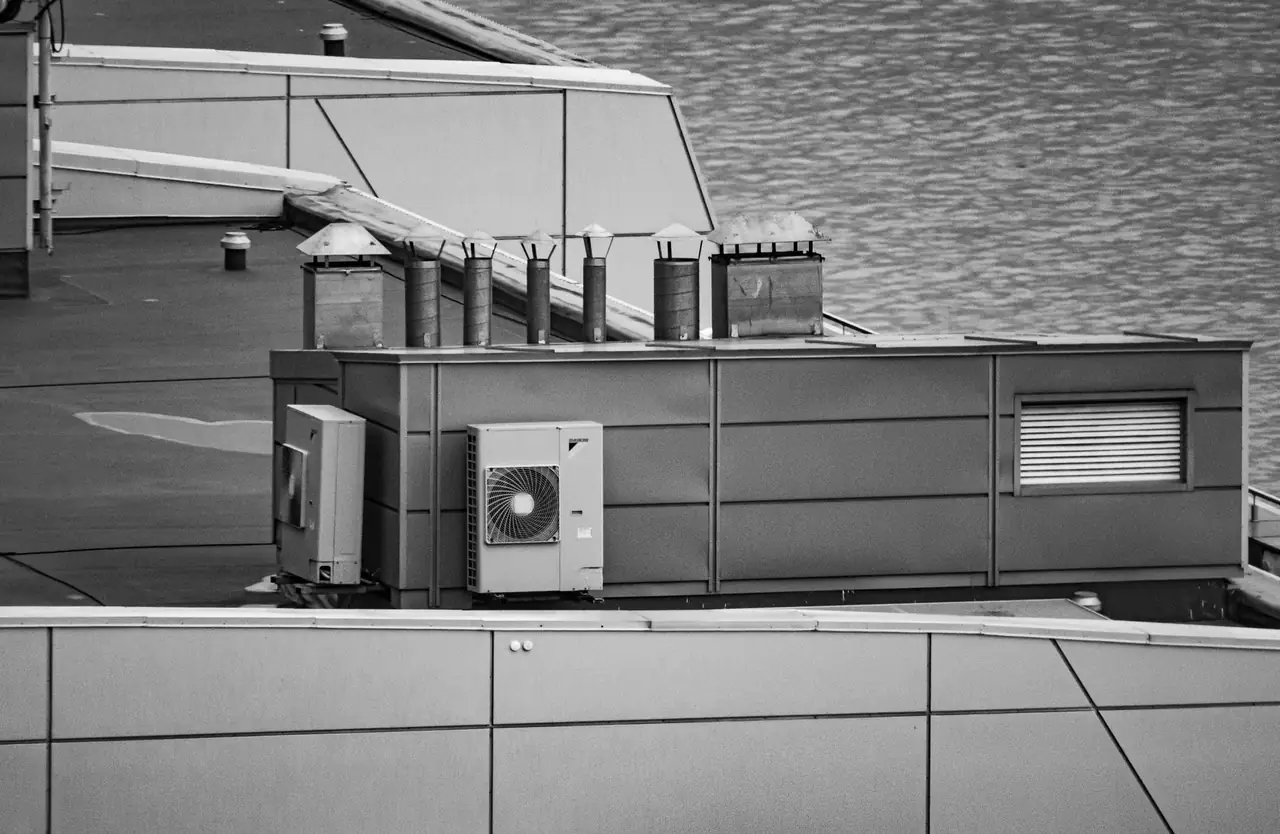
Rooftop AC failure
Boiler zone issues
What Emergency HVAC Service in Chicago actually fixes
A plain-language look at what Emergency HVAC Service involves and when it is needed.
Emergency HVAC Service in Chicago is the after-hours, prompt repair work that gets a failed heating or cooling system running again when waiting until Monday is not an option. Our techs diagnose the fault with a digital multimeter and manifold gauge set, then repair or replace the failed component on the spot. We carry hot surface igniters, flame sensors, run capacitors, inducer motors, and gas valves on every truck so most calls end in a single visit.
Chicago's weather does not ease into anything. October drops into the 30s overnight, January holds single digits for days, and July humidity pushes AC systems to their limit. When a furnace short cycles or a frozen evaporator coil stops cooling, you need emergency heating and air conditioning repair Chicago can trust.
Most emergency calls trace to a handful of parts that fail under Chicago weather.
What it is
prompt repair for failed heating or cooling systems outside normal business hours.
When you need it
No heat in winter, no cooling in summer, or a safety concern like a gas smell.
What to expect
A diagnostic, a quoted repair, and a system test before the tech leaves.
What to expect on an emergency call
From the moment you call to the moment your system runs again, here is the exact sequence. No mystery, no runaround.
Call and triage
You reach a live dispatcher, not a voicemail. We ask what your system is doing, how old it is, and whether you smell gas or see water. That tells us which parts to load and whether to send a heating or cooling specialist. Takes about 4 minutes.
Call
Triage
Dispatch
Tech dispatched
Most Chicago calls get a 60 to 180 minute arrival window. You get a call if anything changes on the route.
Text
ETA
Route
On-site diagnosis
The tech walks your system top to bottom: flue gas analyzer on the furnace, manifold gauges on the AC, thermal imaging camera on the ductwork. You get a plain-English explanation of what failed and why. Diagnostic runs 20 to 40 minutes.
Diagnose
Explain
Quote
Repair and test
We quote the fix, get your approval, and do the work. Most repairs take 45 to 90 minutes. Afterward we run the system through a full cycle and verify temperature split, static pressure, and combustion readings before we pack up.
Repair
Test
Verify
Walkthrough and invoice
The tech shows you what was replaced, what to watch for, and how to keep it running. You get a written invoice with parts and labor itemized.
Walkthrough
Invoice
Register
Tools and methods we use
Move across a circle, or focus it and press Enter, for an illustrative thermal view of the photograph.
Manifold gauge set
Reads high-side and low-side refrigerant pressures on AC and heat pump systems. Lets us verify charge and diagnose compressor or metering device issues in minutes.
Flue gas analyzer
Measures combustion byproducts on gas furnaces and boilers. Confirms the system is burning cleanly and helps detect a cracked heat exchanger before it becomes a carbon monoxide hazard.
Electronic refrigerant leak detector
Sniffs out refrigerant leaks at joints, coils, and line sets. Far more accurate than soap bubbles for finding slow leaks that would otherwise take months to diagnose.
Thermal imaging camera
Reveals temperature differences across ductwork, walls, and equipment. Helps us find duct leakage, blocked coils, and overheating components that a visual inspection would miss.
Digital multimeter
Tests voltage, continuity, and capacitance on igniters, flame sensors, run capacitors, and control boards. The first tool out of the bag on most electrical diagnosis calls.
Thermal views are illustrative, generated from the photographs.
Methods
ACCA Manual J Load Calculation
We use this standard when sizing replacement equipment or evaluating whether your existing system is correctly matched to your home. An oversized furnace short cycles and wears out faster. Getting the load right the first time saves money long term.
ACCA Manual D Duct Design
When ductwork is the problem, we follow Manual D to evaluate static pressure, duct sizing, and airflow. Uneven heating in Chicago two-flats often traces to undersized or leaky ducts, not the furnace itself.
ICC Mechanical Code Compliance
Every repair and installation follows the International Code Council mechanical code as adopted by the City of Chicago. That covers venting, combustion air, refrigerant handling, and clearances. Code-correct work passes inspection and keeps your insurance valid.
ASHRAE Standards
We reference ASHRAE standards for ventilation, indoor air quality, and system performance. These guide our decisions on combustion air, duct insulation, and refrigerant charge verification so the system performs to its rated capacity.
When to call for emergency service
Overnight no-heat
Furnace dies at 2 a.m. on a night when the temperature is 12 degrees and falling.
We prioritize no-heat calls overnight. A tech is dispatched immediately with igniters, flame sensors, and gas valves on board. We diagnose, repair, and test the system through a full heating cycle before leaving.
Outcome: Your family wakes up to a warm house instead of a cold one, and you avoid frozen pipes and a much larger repair bill.
Heat wave AC fail
AC stops cooling during a July heat wave, and the indoor temperature climbs past 85 degrees.
We treat no-cool calls as urgent, especially for households with infants, elderly residents, or medical needs. The tech checks refrigerant charge, capacitors, and the evaporator coil, then repairs on the spot when parts allow.
Outcome: Cool air returns quickly, and you avoid a hotel bill or a dangerous indoor temperature.
Gas smell safety
You smell gas near the furnace or the carbon monoxide detector goes off.
We treat this as a safety emergency. The tech checks the heat exchanger, flue pipe, and gas valve with a combustion analyzer and flue gas analyzer. If the heat exchanger is cracked, we red-tag the system and walk you through replacement options.
Outcome: Your home is made safe, and you get a clear plan for repair or replacement without pressure.
Holiday rental loss
Your rental property loses heat on a holiday weekend and tenants are calling.
We handle landlord and property manager calls year-round, including holidays. We dispatch, repair, and provide written documentation you can forward to tenants and your insurance company.
Outcome: The tenant issue is resolved quickly, and you have a paper trail showing the repair was handled promptly and professionally.
Lincoln ParkPortage ParkRiver North
How emergency HVAC service runs in Chicago
Chicago's building stock is old and varied. You have 1920s greystones with gravity furnaces in Ukrainian Village, post-war bungalows in Portage Park with original ductwork, and modern high-rises in River North running Daikin and Mitsubishi Electric heat pumps. Each needs a different approach. Our techs know the difference between a boiler that needs purging and a furnace that needs a new flame sensor.
Winter here means single-digit temperatures and wind chill that pushes equipment harder than the rated spec. Summer brings humidity that overwhelms undersized AC units and clogs condensate lines. When you call for weekend emergency heating repair Chicago, we send a tech who has worked on your type of building before.
We also carry the permits and code knowledge to handle City of Chicago requirements without slowing down the repair.
Lincoln Park: Mix of greystones and newer condos. Many buildings have boiler systems for heat and separate AC, so a winter call and a summer call need different parts and different techs.
Portage Park: Post-war bungalows with original ductwork. We often find undersized returns and leaky ducts that cause uneven heating and make the furnace work harder than it should.
River North: High-rise condos with ductless mini-splits and heat pumps. Access and building rules matter here, so we coordinate with management and work within HOA schedules.
Rogers Park: Large rental stock with older boilers and radiators. Landlord calls are common, and we document everything in writing so property owners can forward records to tenants and insurers.
Single-digit winter temperatures and wind chill: Furnaces and boilers run near continuous duty, which accelerates wear on igniters, flame sensors, and blower motors. We see a spike in no-heat calls whenever the temperature drops below 10 degrees.
Humid summers with 90-degree heat waves: AC systems run long cycles, condensate lines clog, and refrigerant leaks become more obvious. Undersized units struggle to keep up, and we get calls from homeowners who have never had a problem before.
We walk through the symptoms with you and inspect the system.
We lay down floor protection and set up tools near the unit.
We test the repair, explain what failed, and outline next steps.
From problem to finished result.
IllustrativeThe thermal view is generated from the photograph. It is not a measurement. Drag the handle, or use the arrow keys once it is focused.
No heat in a Logan Square two-flat
Before: A landlord called at 11 p.m. on a January night. The first-floor tenant had no heat, and the second floor was running cold. The furnace was igniting but shutting down after 30 seconds. The previous company had replaced the thermostat and left.
After: Our tech found a dirty flame sensor causing the shutdown. He cleaned and recalibrated it, then tested the furnace through three full cycles. Both units had heat within 90 minutes. The repair cost less than the thermostat the other company installed.
We recommended a yearly tune-up that includes flame sensor cleaning and combustion analysis.
AC failure during a Wicker Park heat wave
Before: A homeowner called at 4 p.m. on a 95-degree day. The AC was running but blowing warm air. Indoor temperature was 87 degrees and climbing. The system was 12 years old and had never been serviced.
After: We found a failed run capacitor and a low refrigerant charge from a slow leak at a line set joint. We replaced the capacitor, repaired the joint, and recharged with R-410A. Cool air returned within 2 hours. The repair cost a fraction of replacement.
We set up a spring tune-up to check charge and capacitors before the cooling season. Catching a weak capacitor early prevents a mid-summer failure.
Boiler pressure loss in a Rogers Park greystone
Before: A property manager called on a Sunday morning. Three of six units had no heat. The boiler was losing pressure and cycling on and off. Tenants were calling and threatening to withhold rent.
After: We found a failed expansion tank and air trapped in the hydronic lines. We replaced the tank, purged the system, and restored pressure to spec. All six units had heat by early afternoon. We provided written documentation for the property manager's records.
We recommended an annual boiler service that includes expansion tank inspection and system purge. That prevents the pressure loss that caused this call.
Common failures we fix on emergency calls
Most emergency calls fall into a handful of categories. Here are the ones we see most often in Chicago, what happens if you ignore them, and how we fix them.
Cold air furnaceFurnace blowing cold air in winterYour home loses heat fast, pipes can freeze within hours, and a cracked heat exchanger can leak carbon monoxide into your living space. This is a safety issue, not just a comfort issue. We test the igniter, flame sensor, gas valve, and inducer motor with a digital multimeter and combustion analyzer. Most cold-air calls trace to a failed hot surface igniter or dirty flame sensor, both of which we carry on the truck and replace in under an hour.
AC not coolingAC running but not coolingThe compressor works harder, your electric bill climbs, and the system may freeze into a solid block of ice. Left alone, a refrigerant leak can kill the compressor and turn a repair into a replacement. We check refrigerant charge with manifold gauges, inspect the evaporator coil for freezing, and test the run capacitor and blower motor. If we find a leak, we locate it with an electronic detector, repair the line, and recharge the system.
Clogged drain lineClogged condensate drain lineWater backs up into your furnace or air handler, triggering a safety shutoff or causing water damage to floors and ceilings. In humid Chicago summers, this happens more than most homeowners expect. We clear the drain line, flush the trap, and check the condensate pump. If the line is undersized or improperly pitched, we correct it. We also show you where to pour a cup of water monthly to keep it clear.
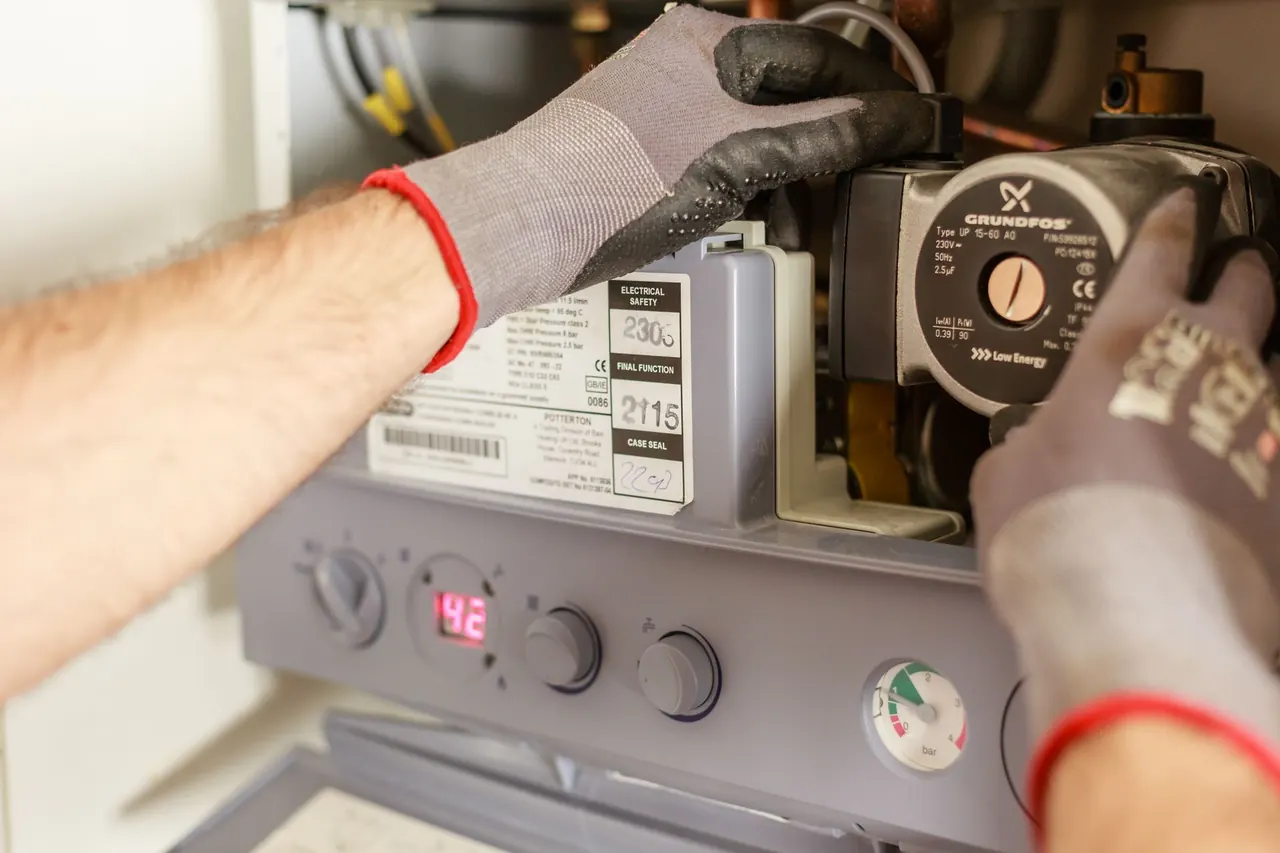
Boiler pressure lossBoiler pressure loss or no heatRadiators go cold, domestic hot water may fail, and the boiler can cycle on and off without heating the building. In a Chicago two-flat, that means unhappy tenants and potential code violations. We check the expansion tank, circulator pumps, zone valves, and pressure relief valve. Air trapped in hydronic lines is a common culprit. We purge the system, restore pressure, and verify every zone heats properly before we leave.
Why Chicago homeowners call us first
A working system, a clear explanation, and no surprise charges.
Fast dispatch, real ETA
We quote a realistic arrival window when you call and text you when the tech is en route. Most Chicago addresses see a technician within 90 minutes to 3 hours, depending on traffic and neighborhood. You are not sitting in the dark guessing.
Parts on the truck
Our vans stock Carrier, Trane, Lennox, and Goodman components, plus universal parts like run capacitors, thermocouples, and flame sensors. That means roughly 8 out of 10 emergency calls are repaired in a single visit instead of waiting on a parts order.
Straight pricing before work
You get a flat diagnostic fee and a repair quote before we start. No surprise overtime markup buried in the invoice. If the repair is not worth it, we tell you and credit the diagnostic toward a replacement estimate.
Code-correct repairs
Every fix follows ICC Mechanical Code Compliance and ASHRAE Standards.
What you receive
Clear records you can keep and share.
Invoice
Itemized parts and labor
Photo log
Images of failed components
System record
Model and serial noted
Test results
Combustion and pressure readings
Repair versus replace: what to know
The right call depends on age, repair cost, and how the system has held up.
Repair makes sense
System is under 12 years old and the fix is a common part.
Failed igniter or sensor
Bad run capacitor
Clogged drain line
Consider replacement
System is 15 to 20 years old and the repair is major.
Failed compressor
Cracked heat exchanger
Refrigerant leak in coil
Get both numbers
We quote the repair and the replacement side by side.
No pressure either way
You decide the budget
We handle permits
What we work with
Igniters
Flame sensors
Capacitors
Gas valves
Blower motors
Thermocouples
Zone valves
Circulator pumps
Service ZIP codes.
A list like this tells people straight away whether you cover their street. Not listed? Call and ask: it only takes a minute.
Call HVAC Chicago Pro at (312) 638-0812. A live dispatcher answers, triages your issue, and sends the nearest available tech. Most addresses see someone within 90 minutes to 3 hours.
Yes. We run overnight and weekend dispatch for both heating and cooling failures. That includes emergency furnace repair Chicago IL and emergency AC repair Chicago. You reach a real person, not an answering service, and we quote an arrival window before you hang up.
Typical arrival is 60 to 180 minutes depending on your neighborhood and traffic. We text you the tech's name and ETA when dispatched. If you are in Lincoln Park, Lakeview, or the Loop, we can often be there inside 90 minutes. Outlying areas like Edison Park or Norwood Park may run closer to 2 to 3 hours.
We charge a flat after-hours diagnostic fee, quoted before we dispatch. There is no surprise overtime multiplier added to the repair. If you approve the fix, the diagnostic fee is applied to the total. You know the number before the tech leaves the shop.
Call (312) 638-0812 or email info@hvacchicagopro.com and tell us what your system is doing. If you leave a message after hours, we'll call you back with a plan.