Dual-Fuel HVAC Systems Explained
Dual-fuel, or hybrid, heating pairs an electric heat pump with a gas furnace and lets each handle the weather it is best at. For many Chicago homes, it is the most practical way to add efficient heat pump heating without giving up strong heat in a polar vortex.
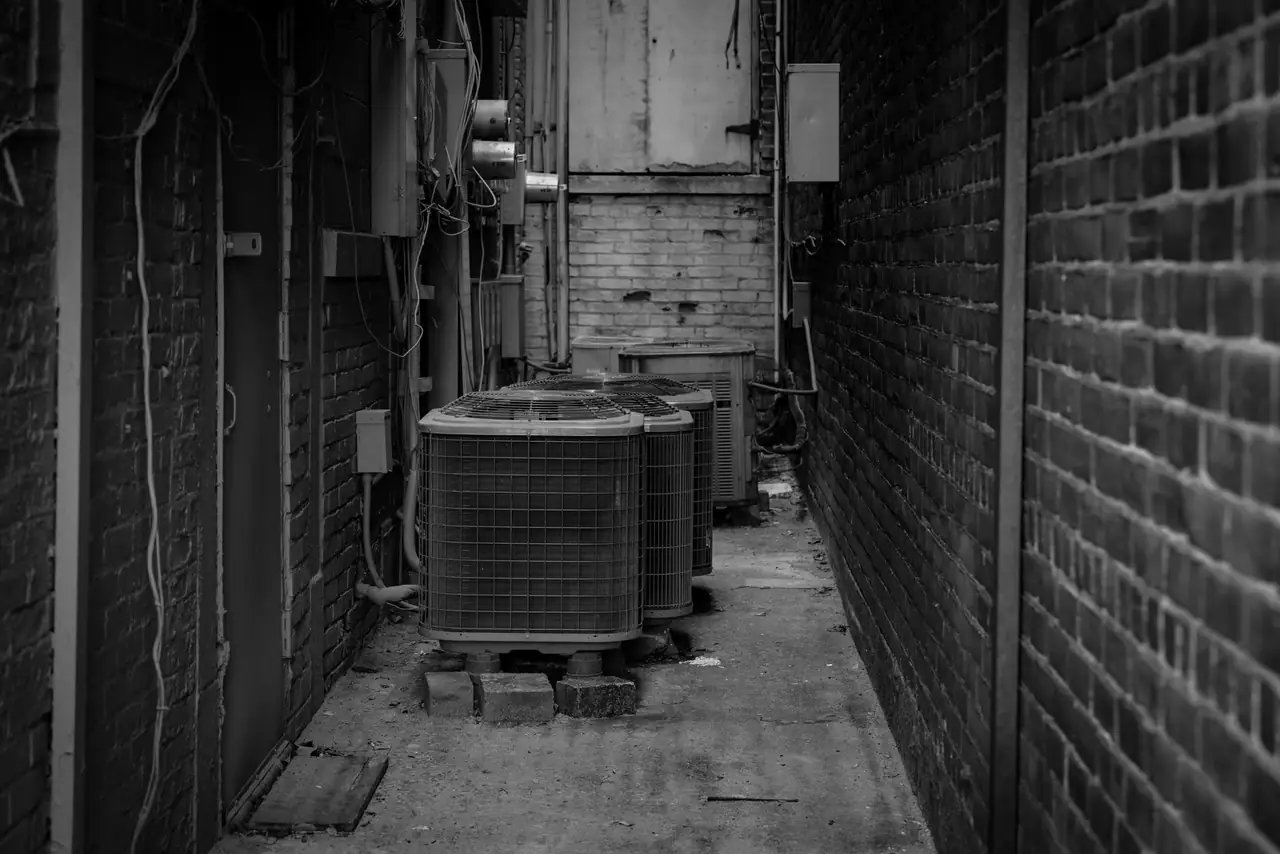
Chicago homeowners considering heat pumps often ask the same question: what happens on the coldest nights? Dual-fuel systems answer it. Instead of relying entirely on a heat pump with electric backup, a dual-fuel system pairs the heat pump with a gas furnace. The heat pump does most of the work, and the furnace steps in when it is truly cold.
This guide explains how dual-fuel systems work, how the switchover temperature is chosen, the benefits and trade-offs, and which Chicago homes are good candidates. For general background, see heat pump vs. furnace for Chicago homes.
How a Dual-Fuel System Is Set Up
A dual-fuel system uses the same layout most Chicago homes already have: a furnace with an indoor coil on top and an outdoor unit. The difference is that the outdoor unit is a heat pump instead of an air conditioner.
- Summer: the heat pump cools exactly like a central AC.
- Mild and moderate winter weather: the heat pump runs in heating mode, and the furnace blower moves the air.
- Cold weather: when the outdoor temperature falls below the switchover point, the system stops the heat pump and fires the gas furnace.
A compatible thermostat or control board, usually with an outdoor temperature sensor, manages the switch.
Why Combine Two Systems?
Heat pumps are most efficient in mild weather and lose capacity and efficiency as it gets colder. Gas furnaces deliver full output regardless of outdoor temperature. A dual-fuel system uses each where it performs best:
- The heat pump handles the large number of hours in the 30s, 40s and 50s that make up much of a Chicago heating season.
- The furnace handles deep cold, polar vortex nights and quick recovery.
- Electric resistance backup heat, which can be expensive to run, is largely avoided.
Choosing the Switchover Temperature
The switchover, sometimes called the balance point or lockout temperature, is one of the most important settings. It can be chosen based on:
- Capacity. The temperature at which the heat pump can no longer keep up with the home's heat loss.
- Cost. The temperature at which heat from the heat pump becomes more expensive than heat from the gas furnace, based on local electric and gas rates and the heat pump's efficiency.
- Comfort. Some homeowners prefer the warmer air of a furnace below a certain temperature, even if the heat pump could technically keep up.
The right number varies by home and equipment. A good installer will explain the setting and how to adjust it if rates change. Because cold-climate heat pumps hold capacity better at low temperatures, they can often run to lower switchover temperatures than older models.
Benefits of Dual-Fuel in Chicago
- Comfort in extreme cold. The furnace provides strong heat when you need it most.
- Efficient heating most of the season. The heat pump covers many heating hours efficiently.
- Fuel flexibility. If gas or electricity prices shift, the switchover can be adjusted.
- Redundancy. If one heat source fails, the other may keep the house warm while repairs are arranged.
- Uses existing infrastructure. Most homes already have the ducts, furnace location and gas service.
- Replaces your AC. If your air conditioner is aging, a heat pump replaces it and adds heating capability.
Trade-Offs to Consider
- Two systems to maintain. The furnace needs combustion and venting checks, and the heat pump needs refrigerant, defrost and electrical checks.
- Upfront cost. A heat pump generally costs more than a comparable AC.
- Control complexity. The thermostat and controls must be configured correctly, or the system may switch at the wrong times.
- Savings depend on rates. If gas is very inexpensive relative to electricity, savings may be modest.
Adding a Heat Pump to an Existing Furnace
If your furnace is relatively new and in good condition but your AC needs replacement, adding a heat pump can be an attractive upgrade. Things to check:
- Furnace compatibility. The furnace control board and blower should work with heat pump controls. Variable-speed blowers are a plus.
- Indoor coil. The coil must be rated for heat pump use and matched to the outdoor unit.
- Thermostat. You need a thermostat or control that supports dual-fuel operation and an outdoor sensor.
- Ductwork. Heat pumps deliver lower-temperature air for longer periods, so ducts must handle the airflow without excessive noise.
- Outdoor unit placement. The heat pump runs in winter, so it needs to sit above snow, away from roof runoff and with room for defrost drainage.
Why the Furnace and Heat Pump Usually Do Not Run Together
In most dual-fuel setups, the heat pump's indoor coil sits above the furnace. If the furnace ran while the heat pump also ran in heating mode, hot furnace air would pass through the coil and could drive refrigerant pressures too high. Controls prevent this by running one or the other. During heat pump defrost cycles, many systems briefly use the furnace to keep supply air warm, then switch back.
Defrost in a Dual-Fuel System
When the heat pump defrosts, it temporarily reverses into cooling mode. Many dual-fuel controls bring on the furnace during defrost to prevent cold air at the vents. If you notice cool air during defrost, the control settings may need adjustment. Our guide on heat pump defrost explains what is normal.
Maintenance
- Change filters regularly. Both heating modes depend on good airflow.
- Schedule a fall check of the furnace, including combustion, venting and safety controls, and the heat pump, including defrost and refrigerant charge.
- Schedule a spring check of the heat pump in cooling mode.
- Keep the outdoor unit clear of snow, ice and debris.
- Keep carbon monoxide alarms working, since the furnace burns gas.
See our tune-up and maintenance page.
Who Should Consider Dual-Fuel?
- Homeowners replacing an aging AC who have a furnace in good condition.
- Homeowners replacing both furnace and AC who want efficient heating without giving up gas heat in extreme cold.
- Households that want flexibility as energy prices change.
- Homes with ductwork that can support heat pump airflow.
Incentives
Utility programs have offered rebates for qualifying heat pumps and high-efficiency furnaces, and the details change. For 2026, Peoples Gas lists furnace rebates for qualifying 95% and 97% AFUE models. Check current ComEd heat pump programs before buying. The federal tax credit that covered many of these systems expired for equipment placed in service after December 31, 2025.
An Example of How Dual-Fuel Runs Through a Chicago Winter
Consider a typical season. In October and early November, with temperatures in the 40s and 50s, the heat pump handles all the heating efficiently and quietly. Through much of December, January and February, temperatures in the 20s and 30s are still within many cold-climate heat pumps' comfortable range, so the heat pump continues to run, perhaps with the furnace handling the coldest nights. When a polar vortex pushes temperatures into the single digits or below zero, the system switches to the furnace, which delivers full heat without straining. In March and April, the heat pump takes over again. The exact split depends on the switchover setting and equipment, but in many homes the heat pump handles a large share of heating hours.
Thermostat Setup Tips
- Use a thermostat designed for dual-fuel or heat pump systems with auxiliary heat.
- Install an outdoor temperature sensor if your control uses one for switchover.
- Ask your installer to explain the switchover temperature and how to adjust it.
- Avoid very large overnight setbacks, which may cause the system to bring on the furnace for recovery more often than necessary.
- Review the settings each fall, especially if utility rates have changed.
Common Dual-Fuel Problems
- Furnace running in mild weather, often caused by an incorrect switchover setting, a failed outdoor sensor or thermostat configuration.
- Heat pump running in deep cold while the house falls behind, usually a switchover set too low.
- Cool air during defrost because the furnace is not set to assist during defrost.
- Both systems trying to run, which controls should prevent, and which a technician should correct immediately.
Most of these are configuration issues that can be corrected during a service visit.
Is Dual-Fuel Worth It for Your Home?
The value depends on a few key questions: Is your furnace in good condition? Is your AC due for replacement? How do local gas and electricity rates compare? Is your ductwork adequate? How long do you plan to stay? If your AC is failing and your furnace is healthy, adding a heat pump is often one of the simplest, most cost-effective ways to try heat pump heating with very little risk, because the furnace remains ready for any weather. If both systems need replacement, compare a dual-fuel system against a conventional furnace and AC using real numbers for your home.
A good contractor can run an operating cost comparison using your home's heat loss, the equipment's performance data and current utility rates. That gives you a clearer picture than general claims about savings.
What Changes for Homeowners Day to Day
For most people, a dual-fuel system feels much like their old furnace and AC. You set the thermostat and the system decides which heat source to use. You may notice the outdoor unit running in winter, occasional defrost steam, and longer, gentler heating cycles on mild days, with the familiar warmer furnace air returning on the coldest days. Filter changes and seasonal service work much as before, with the addition of keeping the outdoor unit clear of snow.
Explore Dual-Fuel for Your Home
Call (312) 638-0812 to find out whether a dual-fuel system fits your home, and how your existing furnace and ductwork would work with a heat pump. We serve neighborhoods including Irving Park, Avondale and Sauganash. Learn more on our heat pump and furnace replacement pages, or read do heat pumps work in Chicago winters.