Radiators Not Heating? Steam and Hot Water Fixes for Chicago Homes
Cold radiators in a Chicago greystone or two-flat usually trace back to trapped air, a stuck steam valve, or a failing circulator. Here's how to diagnose and fix both steam and hot water systems.
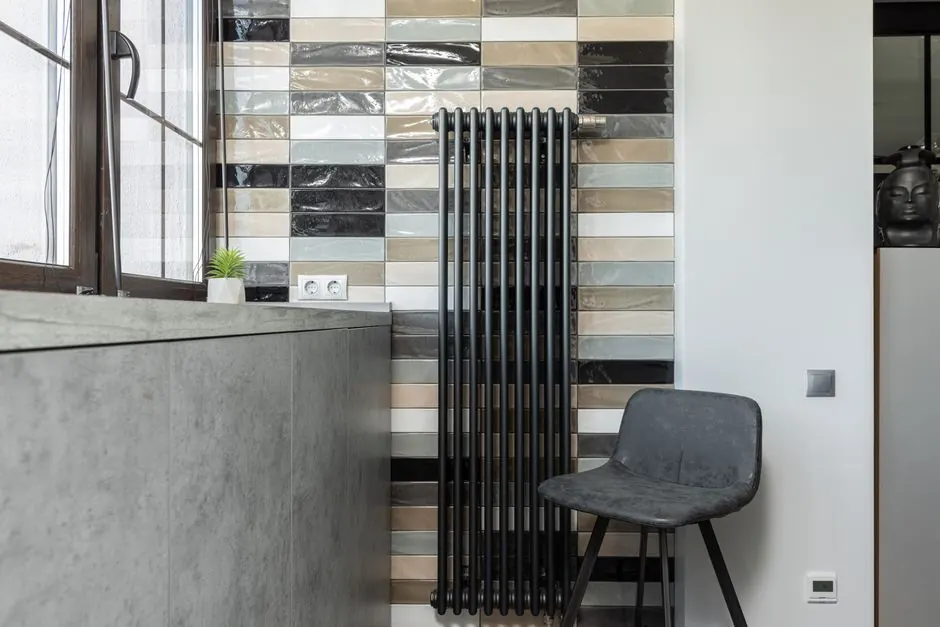
Radiators not heating in Chicago almost always come down to one of four things: trapped air, a stuck steam valve, a failed circulator pump, or a boiler that's short-cycling before it ever builds pressure. If your radiators are cold while the boiler runs, the fix is usually a bleed, a valve replacement, or a circulator swap - not a whole new system. This guide walks through both steam and hot water setups, the neighborhood-specific quirks we see in greystones and two-flats, and what repairs actually cost in 2026.
We're HVAC repair Chicago homeowners call when the heat dies in January and the landlord's handyman has already tried everything. Our techs work on steam and hot water radiators across the North Side every week, from Lakeview three-flats to Logan Square greystones. Here's what we've learned.
Steam vs. Hot Water: Know Which System You Have
Chicago homes built before 1950 - which is most of the housing stock in Lakeview, Lincoln Park, and Logan Square - were originally piped for steam. Many were converted to hot water in the 1970s and 80s, and plenty still run on steam today. Knowing which one you have changes everything about how you diagnose a cold radiator.
Quick test: feel the pipe feeding the radiator. If it's scorching hot and the radiator itself is cold, you have steam. If the pipe is warm but not painful to touch, you have hot water. Steam systems also have a small air vent on the side of each radiator - a brass or chrome cylinder about the size of your thumb. Hot water radiators don't have those vents; they have a bleed valve at the top corner instead.
- Steam: one-pipe or two-pipe, boiler runs at 1-3 PSI, radiators get hot in 10-20 minutes, air vents hiss when working.
- Hot water: boiler runs at 12-20 PSI, water circulates via a pump, radiators get hot in 20-40 minutes, no hissing.
If you're not sure, don't guess. We identify the system on the first visit and tell you exactly what you're dealing with before we touch anything.
Why Are My Radiators Not Heating in Chicago?
Radiators not heating in Chicago are usually a symptom, not the problem. The radiator itself rarely fails - it's the air, water, or steam that can't get to it. Here are the causes we find most often, in order of frequency:
- Trapped air in the system. Air pockets block hot water or steam from reaching the radiator. This is the number one cause in both system types.
- A stuck or failed steam air vent. When the vent clogs, steam can't enter the radiator and it stays cold while the rest of the house heats fine.
- A failed circulator pump. On hot water systems, if the pump dies, the boiler heats water that never moves. You'll get some warmth near the boiler and nothing upstairs.
- A stuck-open steam valve. A steam radiator valve stuck open in Chicago IL lets steam flood one radiator while starving the others.
- Low boiler pressure or a faulty low-water cutoff. The boiler shuts down before it can push heat anywhere.
- Zone valve failure. Common in converted two-flats where one floor heats and the other doesn't.
Nine times out of ten, the fix is on this list and costs less than $400. The tenth time, the boiler itself is done - and we'll tell you that straight.
How Do I Bleed a Radiator in a Chicago Greystone?
Bleeding a radiator in a Chicago greystone is the same process as any other hot water radiator, but the tight pipe chases and original 1920s valves mean you want to go slow. Here's the sequence:
- Turn the thermostat off and let the system cool for at least 30 minutes. Bleeding a hot system can scald you.
- Find the bleed valve - a small slotted screw or keyed valve at the top corner of the radiator, opposite the supply pipe.
- Hold a cup or towel under the valve. Open it a quarter turn with a radiator key or flathead screwdriver.
- You'll hear a hiss. That's air escaping. When steady water dribbles out, close the valve.
- Repeat on every radiator, starting with the one closest to the boiler and working outward.
If you bleed a radiator and still get no heat after 20 minutes, the problem is upstream - a zone valve, circulator, or the boiler itself. Don't keep bleeding. You'll just introduce fresh water and oxygen into the system, which accelerates corrosion.
Greystones and older two-flats in Logan Square HVAC company territory often have radiators that were added or moved during a 1980s renovation. Those add-on loops are the ones that go cold first, because they're at the end of the circuit and any air in the system settles there.
Steam Radiator Cold at the Bottom? Here's What It Means
A steam radiator cold at the bottom in Chicago almost always means condensate can't drain back to the boiler. Steam enters the radiator, gives up its heat, condenses into water, and that water has to flow back down the same pipe it came up. If the pipe is pitched wrong, partially blocked, or the radiator is sitting low, water pools inside and blocks the next round of steam.
Signs you're dealing with a condensate issue rather than an air issue:
- The radiator is hot at the top and cold at the bottom - the reverse of an air-blocked radiator.
- You hear banging or knocking when the system fires up. That's water hammer, and it's the sound of steam slamming into trapped condensate.
- The radiator takes 30+ minutes to heat while others in the house heat in 10.
Fixes range from re-pitching the radiator (a 30-minute job) to replacing a failed steam trap on two-pipe systems. If your system is one-pipe steam, the fix is usually re-pitching or replacing the radiator valve. A radiator repair Chicago tech can diagnose this in one visit - it's not a job to guess at.
Hot Water Radiator Not Heating Upstairs in Chicago IL
A hot water radiator not heating upstairs in Chicago IL is almost always an air or circulation problem, and the two are related. Air rises. In a two-story greystone or a three-flat, the top-floor radiators sit at the highest point of the system, which is exactly where air collects.
Three things to check, in order:
- Bleed the upstairs radiators first. Start at the top of the house and work down. If the upstairs radiators hiss for more than 10 seconds each, you had significant air in the system.
- Check the circulator pump. Put your hand on the pump body - it should be warm and you should feel a faint vibration. If it's cold and silent, it's not running.
- Check the expansion tank and pressure. A hot water boiler should sit at 12-20 PSI when hot. Below 12 and the upper floors starve.
If bleeding fixes it for a week and then the upstairs goes cold again, you have a pinhole leak or a failing auto-fill valve pulling in fresh water. That's a repair, not a maintenance item. We see this constantly in Lakeview HVAC company buildings from the 1920s - original piping, newer boiler, and a slow leak nobody noticed until February.
Common Mistakes Chicago Homeowners Make
The most expensive radiator mistake we see is homeowners replacing the boiler when the actual problem is a $180 circulator pump. Here's what to avoid:
- Bleeding a steam radiator. Steam radiators don't have bleed valves. If you open the air vent thinking it's a bleed valve, you'll break it and steam will blast out.
- Adding water to a steam boiler that's already full. Overfilling causes water hammer and can crack a section. Check the sight glass before you touch the fill valve.
- Painting over the air vent. A painted steam vent is a dead steam vent. Replace it, don't clean it.
- Running the thermostat higher to compensate. If half your radiators are cold, cranking the thermostat to 78 just overheats the rooms that work and drives up your gas bill.
- Ignoring the banging. Water hammer isn't normal. It's a symptom, and it damages pipe joints over time.
One more: don't close the valve on a cold radiator and forget it. In a one-pipe steam system, closing one radiator valve can throw off the balance for every radiator on that main.
When to Call a Professional
Call a professional when the boiler is running but no radiator in the house is heating, when you smell gas or see water pooling under the boiler, or when you've bled the system twice and the same radiators are still cold. Those three scenarios point to circulator, valve, or boiler problems that need a tech with a multimeter and a pressure gauge - not a homeowner with a radiator key.
We also get called for the reverse problem: one radiator that's blazing hot while the rest of the house is cold. That's a stuck-open steam valve or a failed zone valve, and it's worth fixing before the overheating radiator damages the floor finish under it.
If your system is older and you're weighing repair against replacement, we'll give you a straight answer. Sometimes a boiler repair Chicago IL call is the right move. Sometimes it's not, and we'll say so.
Frequently Asked Questions
Why are my radiators not heating in Chicago?
Trapped air is the most common cause, followed by a stuck steam air vent, a failed circulator pump, or low boiler pressure. In Chicago's older housing stock, air in the system accounts for roughly 60% of cold-radiator calls. Bleed hot water radiators or replace steam vents first, then check the boiler.
How do I bleed a radiator in a Chicago greystone?
Turn the system off, let it cool 30 minutes, then open the bleed valve at the top corner of each radiator with a radiator key. Hold a cup underneath. Close the valve when steady water appears. Work from the radiator closest to the boiler outward, and start upstairs before downstairs.
Do steam radiators need to be serviced in Chicago, Illinois?
Yes - annually, before the first cold snap in October or November. Service includes replacing air vents every 2-3 years, checking the low-water cutoff, flushing the sight glass, and inspecting radiator valves. A $150-$250 annual tune-up prevents most mid-January emergencies.
What causes one radiator to be cold in a Chicago home?
One cold radiator usually means a failed air vent on steam systems or trapped air on hot water systems. If the radiator is cold at the bottom and hot at the top, it's a condensate drainage issue. If it's cold at the top and hot at the bottom, it's air. Both are repairable in one visit.
How much does radiator repair cost in Chicago IL?
Typical 2026 pricing: $150-$300 to replace a steam air vent, $200-$450 for a radiator valve replacement, $400-$800 for a circulator pump swap, and $600-$1,200 for a zone valve or steam trap repair. Full radiator replacement runs $500-$1,500 installed, depending on size and access.
Get Help with HVAC in Chicago
If your radiators are still cold after a bleed, or the boiler is running but nothing's getting hot, we can be at your door today. We work on steam and hot water systems across Chicago's North Side and diagnose the actual cause before quoting a repair.
Call HVAC Chicago Pro at (312) 638-0812 and we'll get your heat back on.