Edgewater Homes
We work three-flats, courtyard buildings, and lakefront condos across Edgewater. Access and equipment type drive how we schedule each visit.
- Vintage three-flats
- Lakefront condos
- Courtyard buildings
- Gut-renovated flats
When your heat quits on a February night in Edgewater, you need HVAC in Edgewater IL that knows the building. We work the lakefront high-rises, the Bryn Mawr Historic District co-ops, and the brick three-flats off Broadway every week.
Chicago, Illinois
Serving Edgewater and nearby
Edgewater is not one kind of building stock, and we do not treat it like one. On one block you have a 1920s courtyard building with a steam boiler plant and cast-iron radiators. Two blocks east, a lakefront tower runs fan-coil units and PTAC sleeves that need specialized parts. We work both.
Our technicians carry manifold gauge sets, combustion analyzers, and thermal imaging cameras on every truck so we can diagnose a cracked heat exchanger or a refrigerant leak on the first visit instead of guessing. As an Edgewater HVAC company, we also handle the paperwork side: co-op boards in the Bryn Mawr Historic District often want documentation before mechanical work, and we provide it.
Whether you need a furnace tune-up in 60660 or emergency AC repair near Edgewater Chicago, we keep the schedule tight and the pricing upfront.
We serve Edgewater because the housing here punishes sloppy HVAC work. Lake-effect wind and humidity drive condensation into wall sleeves and pipe chases, and older brick apartment buildings still run steam boiler plants that need real combustion testing, not a visual once-over. The senior population along the lakefront also needs low-noise heating solutions, which rules out oversized equipment and lazy duct work. We built our Edgewater routes around those realities: two techs on boiler calls, parts stocked for fan-coil and PTAC units, and a dispatcher who understands that a Hollywood Beach high-rise service elevator has to be reserved.
Good to know in Edgewater
These units use specialized parts that most trucks do not stock, so a generic repair call turns into a two-visit job. Sleeve dimensions vary by building, and condensate lines run inside the wall.
We carry it and provide the number on request.
The lakefront stretch along Sheridan is dominated by high-rises running fan-coil and PTAC units, plus a few older buildings with steam risers.
Edgewater heating and cooling demand splits hard by season and by building type. In October we are already booking furnace and boiler tune-ups before the first hard freeze, and by January the calls shift to no-heat emergencies in the lakefront towers.
Most Edgewater furnace calls come from the brick three-flats and courtyard buildings west of Broadway, where 80% furnaces sit in basements with PVC flue pipe running through old masonry.
In the lakefront high-rises, AC repair usually means fan-coil or PTAC work: clogged condensate drain lines, failed run capacitors, and coils packed with lakefront pollen.
Edgewater still has a real steam boiler footprint, especially in the older brick apartment buildings near Bryn Mawr Historic District.
Cast-iron radiators in Edgewater co-ops and courtyard buildings bang, clang, and heat unevenly when air is trapped or valves are half-stuck.
Heat pumps show up in the newer gut renovations around Andersonville Edge and in ductless setups. Winter defrost failure is the big one here: the unit ices over, then blows cold air inside.
No heat at 2 a.m. in a Hollywood Beach high-rise is a different call than a suburban furnace.
Mini-splits are common in Edgewater attic conversions and rear additions where running ductwork is impossible.
Replacing a furnace in an Edgewater co-op or historic building means matching the flue to existing PVC or metal venting and sizing the unit with an ACCA Manual J load calculation, not a guess.
For AC replacement in Edgewater, the constraint is usually the line set and the sleeve or pad location, not the equipment.
Our Edgewater tune-up covers the parts that actually fail here: flame sensor cleaning, condensate trap flush, capacitor testing with a digital multimeter, and a combustion check on boilers.
Pick a service to see how we approach it here.
Furnace calls in Edgewater usually come from basement mechanical rooms in brick three-flats and courtyard buildings. We test the igniter, flame sensor, and inducer motor, then check gas pressure at the valve. If the heat exchanger shows cracks on the thermal camera, we show you the reading before quoting.
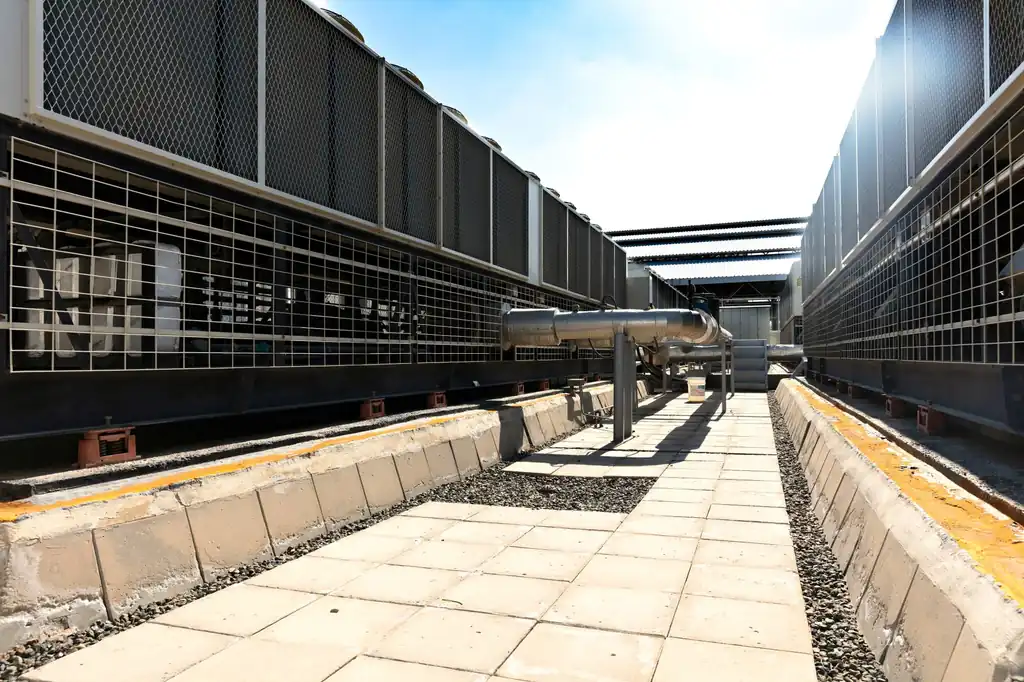
In lakefront high-rises, AC repair often means fan-coil and PTAC work: clogged drains, failed capacitors, and coils packed with pollen. In vintage flats we see frozen evaporator coils from dirty filters. We recover refrigerant, pressure-test the line set, and verify subcooling before we leave.
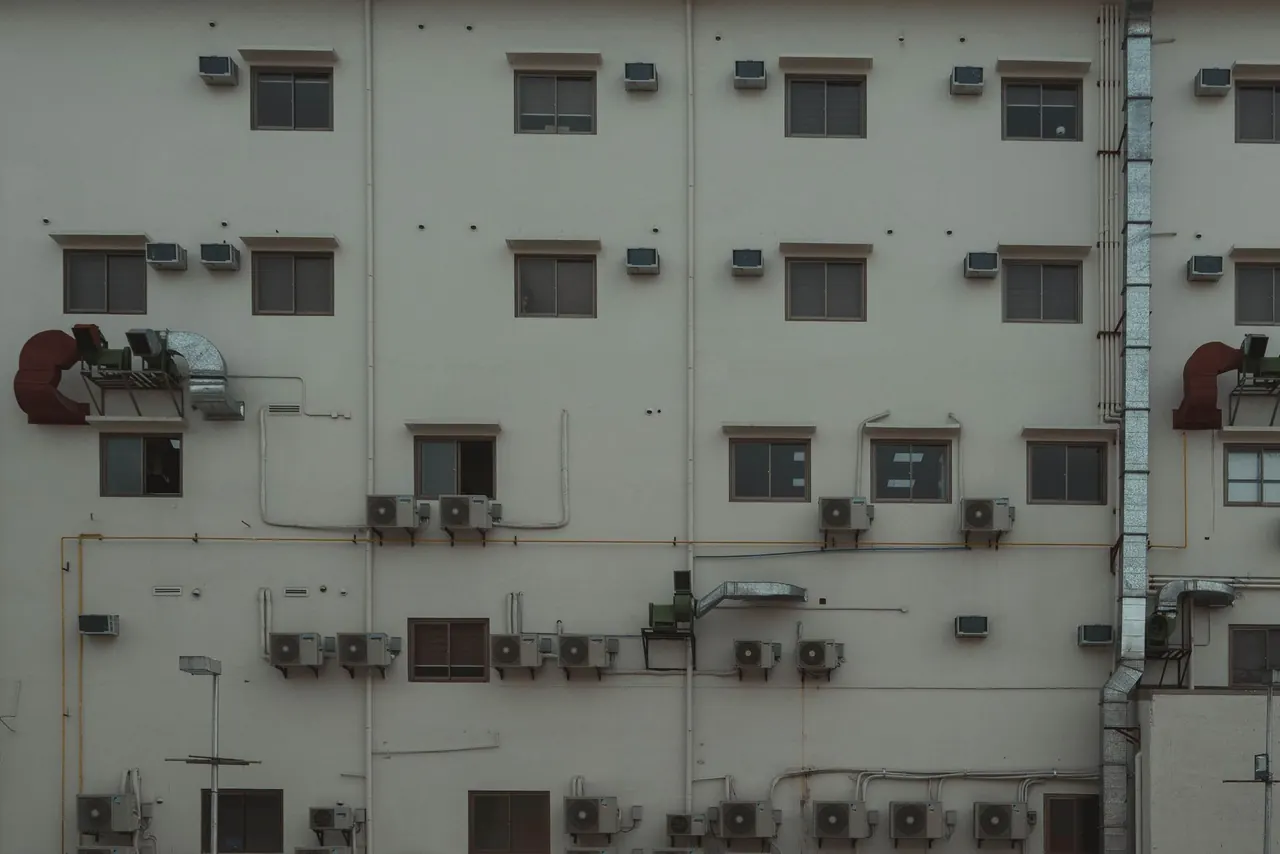
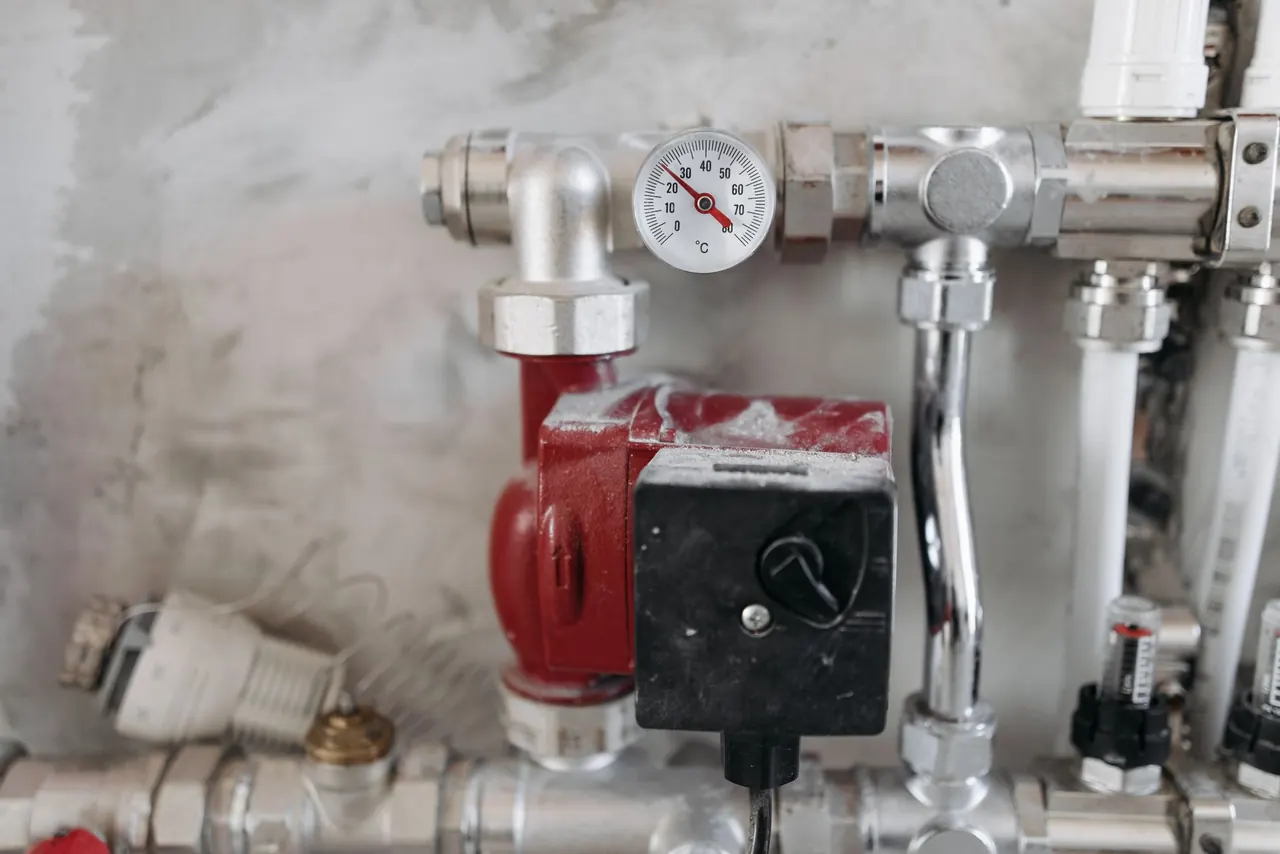
Edgewater still has a real steam boiler footprint in older brick apartment buildings. We tune with a combustion analyzer, check low-water cutoffs, and fix water hammer by re-pitching radiators and replacing failed main vents. Hydronic systems get circulator, zone valve, and expansion tank checks.
Cast-iron radiators in Edgewater co-ops bang and heat unevenly when air is trapped or valves are stuck. We bleed the system, replace failed valves, and re-pitch units so condensate returns properly. In steam buildings we also check main vents, because one failure can leave a whole riser cold.
High-rise mechanical rooms and vintage flat basements need different tools and access plans.
We work three-flats, courtyard buildings, and lakefront condos across Edgewater. Access and equipment type drive how we schedule each visit.
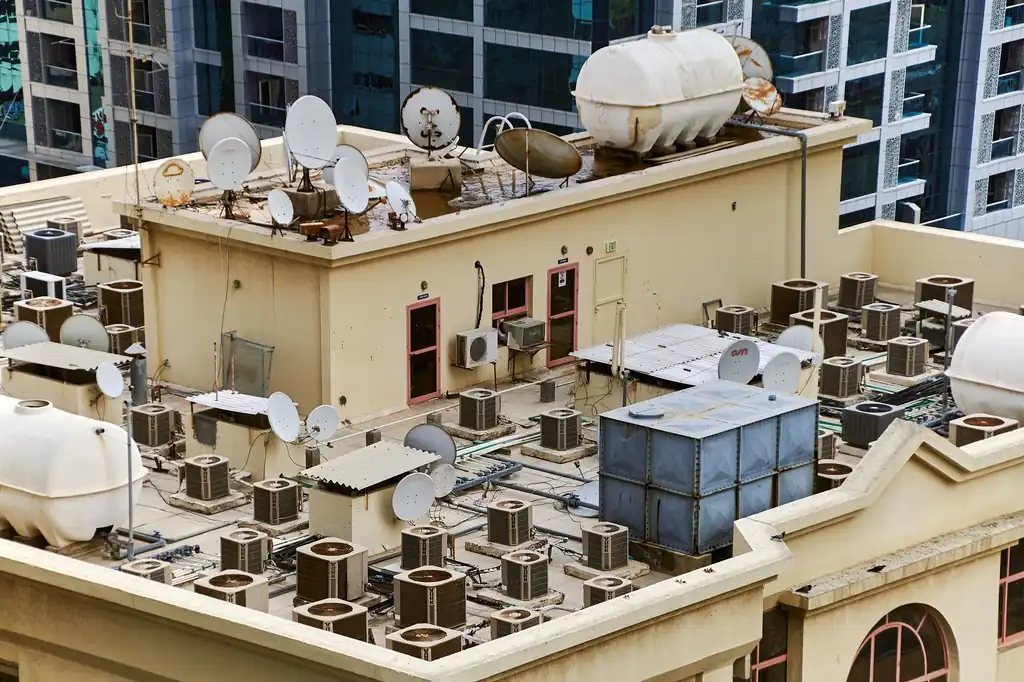
We service small commercial spaces along Broadway and Clark, plus mixed-use buildings with rooftop equipment. Scheduling works around business hours.
Edgewater's building stock and lakefront location create a specific set of HVAC problems you do not see as often inland. Salt air, humidity, steam systems, and wall-sleeve units all leave their mark.
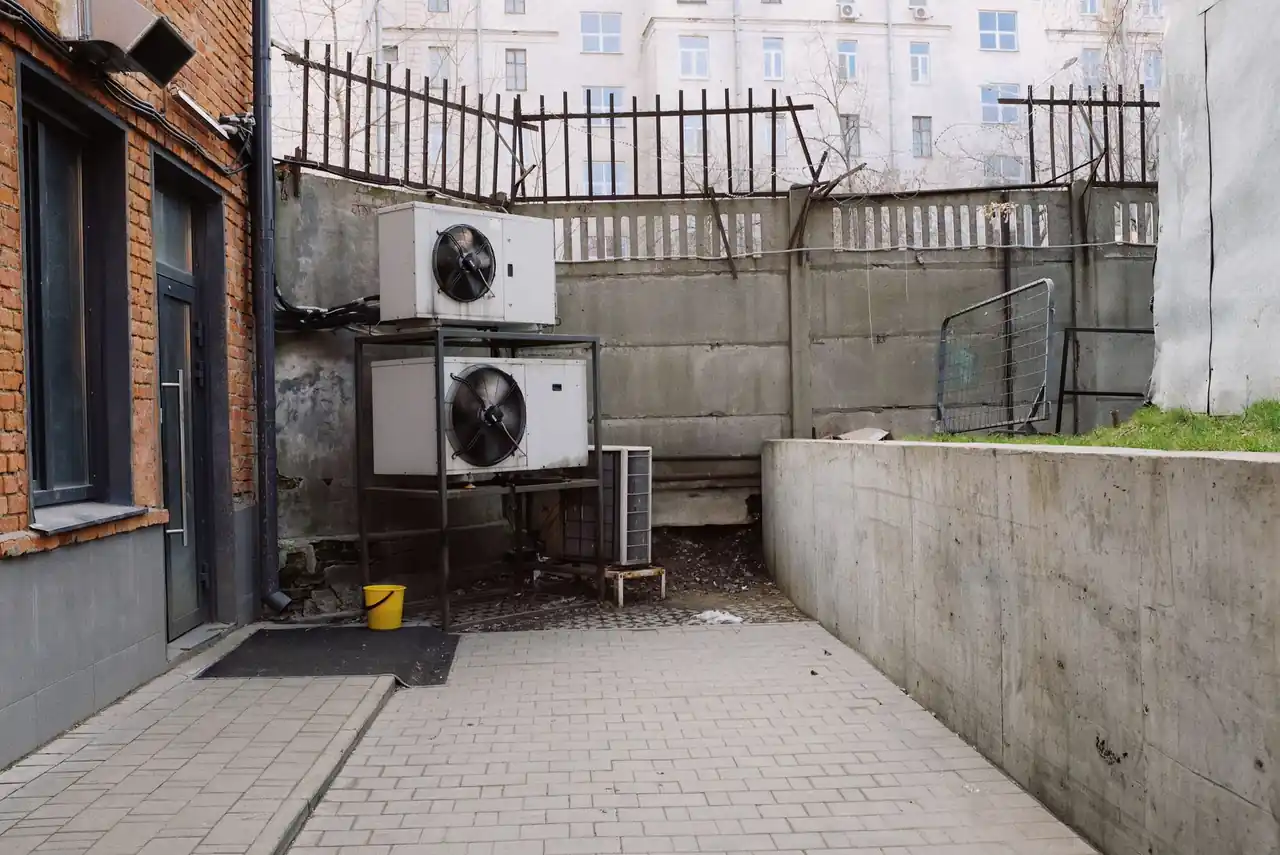
Lakefront humidity plus a dirty filter or low refrigerant charge drops the coil below freezing. Once ice builds, airflow stops and the unit blows warm. It happens most in July and August when the system runs continuously.
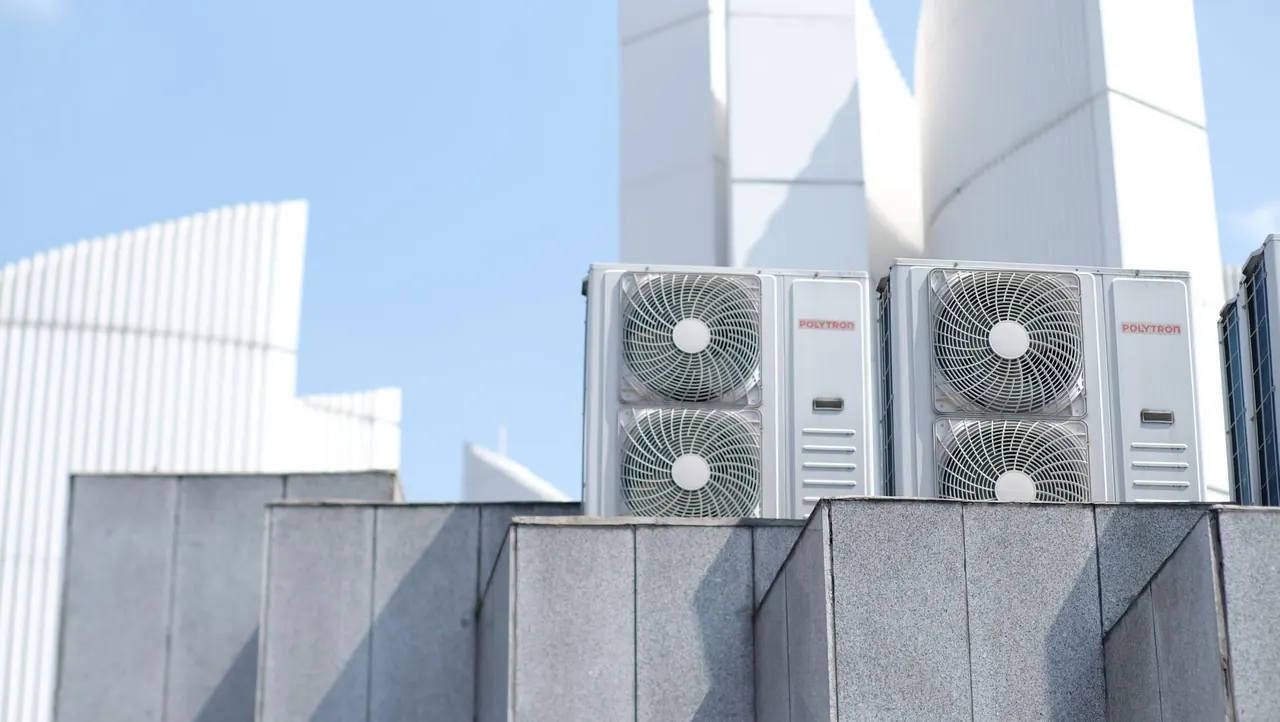
Trapped condensate and failed main vents let steam and water collide in the pipes. Buildings in the Bryn Mawr Historic District see this every winter because the steam plants are original and vents wear out.

Edgewater's brick three-flats and courtyard buildings often have 20-plus-year-old furnaces in damp basements. Corrosion from humidity and condensation shortens heat exchanger life, and a cracked exchanger is a carbon monoxide risk.
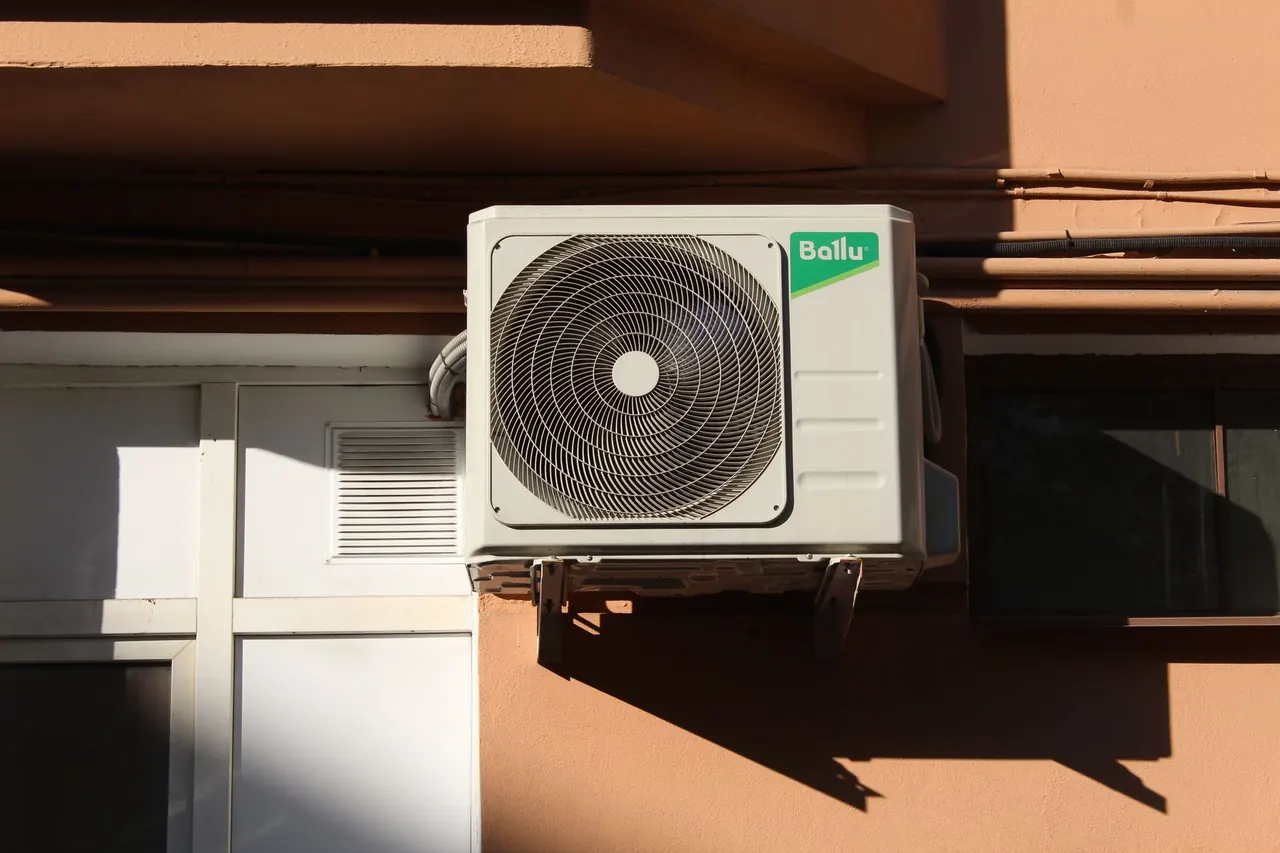
Wall sleeves collect dust, pollen, and debris, and the drain path is narrow. In lakefront towers the problem is worse because humidity keeps the pan wet. A clogged drain trips the float switch and shuts the unit off.
Watch for these before a small problem turns into a cold night.
Any one of these is worth a call.
Nothing picked yet. Tap the signs you have noticed and this box will sum them up.
Edgewater is compact but the one-way streets and permit parking can eat a service window if you do not know the area. We orient our routes off the landmarks residents already use, which keeps us from circling blocks looking for an address.
Landmark
The pink building at Sheridan and Bryn Mawr is the easiest orientation point on the lakefront. If your building is near it, we know exactly which service entrance and loading zone to use.
Landmark
The Armory at Broadway and Foster is a useful north-side anchor. Addresses around it tend to be courtyard buildings and three-flats with basement mechanical rooms and gangway access.
Landmark
Berger Park sits along Sheridan near Granville and marks the transition between high-rise blocks and lower residential streets.
Landmark
The beach at the north end of Edgewater is a clear marker for the lakefront towers and the residential blocks just west of them.
Landmark
The district around Bryn Mawr Avenue is a dense mix of co-ops and courtyard buildings. Knowing the district boundaries helps us anticipate board paperwork and service-hour rules.
Commercial area
Broadway through Edgewater is a mix of ground-floor retail, restaurants, and small offices, many in older buildings with rooftop or basement mechanical equipment.
Commercial area
The Clark Street strip along the Andersonville Edge boundary has cafes, shops, and small professional offices.
Transit
The Bryn Mawr station sits at Bryn Mawr and Broadway, which makes it a handy landmark for addresses within a few blocks in any direction.
Edgewater runs on a lakefront climate: cooler springs, humid summers, and winters where wind off the lake drives wind chill hard against Sheridan and the beach blocks. That shapes when your system works hardest and when it is most likely to fail.
Edgewater sits in a tight cluster of North Side neighborhoods, and we run service routes through all of them. If you are just outside Edgewater, we likely already cover your block. Here is how the neighboring areas connect to our Edgewater coverage.
Straight answers to what people ask first.
Boiler tune-ups cost more because we run a combustion analysis and check low-water cutoffs. The price covers cleaning the flame sensor, testing capacitors, flushing the condensate trap, and measuring static pressure. Fall slots in 60660 and 60640 fill fast, so book early.
A furnace blowing cold air in Edgewater usually means a failed hot surface igniter, a dirty flame sensor, or a gas valve issue. In damp basements, corrosion on the flame sensor is common. If the blower runs but the burner never lights, shut the system off and call us. Running it will not fix it and wastes electricity.
If your heat is out in a Bryn Mawr co-op or your AC is blowing warm in an Edgewater Beach high-rise, call us at (312) 638-0812.
Call (312) 638-0812 or email info@hvacchicagopro.com and tell us what your system is doing. If you leave a message after hours, we'll call you back with a plan.