Boiler Losing Pressure: Causes and When to Call
A hot water boiler that keeps losing pressure will eventually stop heating, and the cause is usually a leak, a failing component or a waterlogged expansion tank. Here is how boiler pressure works, what normal looks like and how to track down the problem.
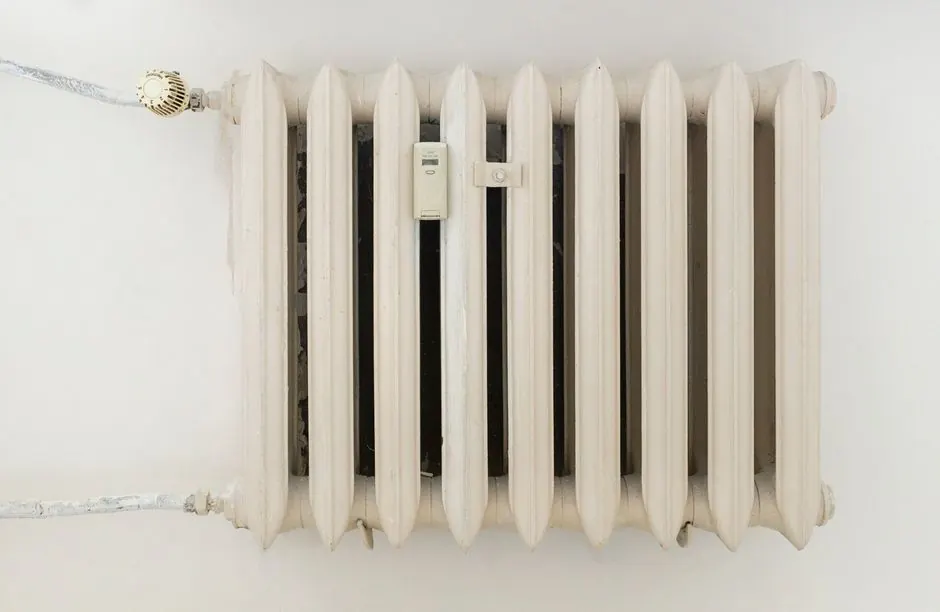
Many Chicago homes, especially two-flats, three-flats, greystones and older bungalows, are heated by boilers rather than furnaces. If yours circulates hot water through radiators or baseboard, it relies on the system staying filled and pressurized. When the pressure gauge keeps dropping, the boiler may lock out, radiators go cold, and you find yourself adding water every few days.
This guide explains how pressure works in a hot water heating system, what normal readings look like, the most common reasons pressure falls, what you can safely check and when to call for boiler repair.
First: Is Your Boiler Hot Water or Steam?
Pressure loss is mainly a hot water boiler problem. Hot water systems are closed loops filled with water under modest pressure, and they have a pressure and temperature gauge on or near the boiler. Steam boilers work very differently. They operate at very low pressure, have a water level sight glass, and lose water as steam escapes. If you are not sure which you have, our guide on how to tell steam from hot water will help. The rest of this guide focuses on hot water systems.
How Pressure Works in a Hot Water System
A hot water heating system is a sealed loop of pipes, radiators or baseboard, the boiler and a circulator pump. It needs enough pressure to push water to the highest radiator in the building and to keep air out of the system. Several components manage that pressure:
- The fill valve, often called a pressure-reducing valve, connects to the household water supply and adds water to keep the system at its set pressure.
- The expansion tank absorbs the extra volume when water heats and expands. Without it, pressure would spike every time the boiler fires.
- The pressure relief valve is a safety device that opens if pressure gets too high, discharging water to protect the boiler.
- The pressure and temperature gauge shows what is happening.
What Is Normal Boiler Pressure?
Many residential hot water boilers are set to roughly 12 to 15 psi when the system is cold. As the water heats, pressure rises somewhat, often staying below about 25 psi. Most residential relief valves are rated around 30 psi. Taller buildings need more pressure to lift water to upper floors, so a three-flat may run higher than a bungalow. Your boiler's manual and the installer's settings are the best guide.
Watch the trend, not just the number. A gauge that is a little low but stable is less concerning than one that falls steadily over days or swings widely every heating cycle.
Cause 1: A Water Leak Somewhere in the System
If the pressure keeps dropping, water is usually leaving the system. Common leak points include:
- Radiator valves and their packing nuts.
- Bleed valves on radiators that were not closed fully.
- Pipe joints and unions, especially in older black iron or copper piping.
- Baseboard elements, which can corrode or crack.
- Pipes buried in walls, floors or under slabs, where leaks are harder to find.
- The boiler's own fittings, drain valves and circulator flanges.
Walk the system and look for water stains, drips, white or green crusty deposits, rust streaks and damp spots on floors and ceilings. Small leaks can evaporate on hot pipes before they ever drip, leaving only mineral deposits behind.
Cause 2: A Dripping Pressure Relief Valve
The relief valve usually has a pipe running down toward the floor. If you find water at the end of that pipe or rust stains below it, the valve has been discharging. That can mean:
- The valve is worn and leaking at normal pressure.
- System pressure is rising too high when the boiler heats, often because the expansion tank has failed.
- The fill valve is overfilling the system.
Never cap or plug a relief valve. It is a critical safety device. If it is discharging, a technician should find out why.
Cause 3: A Failed or Waterlogged Expansion Tank
Most modern systems use a diaphragm expansion tank with an air cushion separated from the water by a rubber membrane. Older systems often have a large steel compression tank hanging near the ceiling. When the air cushion is lost, because the diaphragm fails or the old tank becomes waterlogged, there is nowhere for heated water to expand. Pressure spikes when the boiler fires, the relief valve opens and dumps water, and then pressure falls when the system cools. The result looks like a mysterious pressure loss.
Signs of an expansion tank problem include wide pressure swings between cold and hot, a relief valve that drips during heating, and a tank that feels completely full of water when tapped. A technician can test the tank's air charge, recharge it if possible or replace it.
Cause 4: A Leaking Boiler Heat Exchanger
Inside the boiler, water passes through a heat exchanger made of cast iron sections, steel or, in many high-efficiency models, aluminum or stainless steel. Over time, corrosion, overheating or poor water quality can cause internal leaks. Water may show up inside the boiler cabinet, around the burners or in the combustion area. A leaking heat exchanger is a serious problem. On an older boiler, it often means replacement. Our guide on boiler replacement in Chicago two-flats and greystones covers that decision.
Cause 5: Fill Valve Problems
The automatic fill valve should keep the system at its set pressure. If it is shut off, clogged with sediment or set too low, the system will not refill after small losses, and pressure will drift down. If it is set too high or leaking through, the system can overfill and cause the relief valve to open. Many older systems also have a manual bypass or filling loop. A technician can check and adjust the fill valve, and replace it if it is not holding its setting.
Cause 6: Air Leaving the System
When a system is first filled or after repairs, trapped air gradually works its way out through automatic air vents and radiator bleed valves. As air leaves, the space it occupied is replaced by water, and the pressure can drop. A small drop after bleeding radiators is normal and should only need one top-up. If you are bleeding radiators often, there may be a leak drawing air in, or an automatic vent that is stuck. Our guide on how to bleed radiators explains the process.
What You Can Safely Check
- Record the gauge reading when the boiler is cold, such as first thing in the morning, and again after it has been running. Note the date and how often you add water.
- Look for leaks at radiators, valves, visible piping and around the boiler.
- Check the relief valve discharge pipe for water or stains.
- Check that radiator bleed valves are closed.
- Top up pressure carefully if your system has a filling valve and you know the correct procedure from the manufacturer. Add water slowly to the recommended cold pressure and stop.
Do not drain the boiler, open the relief valve, adjust the fill valve setting or work on gas or electrical components unless you are qualified.
When Pressure Is Too High Instead
If the gauge climbs toward the relief valve rating, often around 30 psi, or the relief valve is discharging hot water, turn the boiler off at its service switch and call for service. High pressure usually points to a failed expansion tank, an overfilling fill valve or a control problem. It is the more urgent situation.
Why Pressure Loss Matters
Repeatedly topping up a leaking system is more than an inconvenience. Each time fresh water enters, it brings dissolved oxygen and minerals. Oxygen promotes corrosion inside the boiler, pipes and radiators, and minerals can build up as scale on heat exchanger surfaces. Over time, that shortens the life of the whole system. Finding and fixing the cause protects your equipment.
What a Technician Will Do
- Check pressure cold and hot to identify expansion tank problems.
- Test the expansion tank's air charge.
- Inspect the relief valve and fill valve.
- Look for leaks throughout accessible piping and at radiators.
- Inspect the boiler's heat exchanger and internal components.
- Pressure test sections of piping if a hidden leak is suspected.
- Check system water quality where appropriate.
How to Read the Gauge Correctly
Most hot water boilers have a combination gauge with two needles or two scales: one for pressure in psi and one for temperature in degrees Fahrenheit. Some older gauges also show feet of head, a way of expressing pressure as the height of water it can lift. Make sure you are reading the pressure scale.
Take readings at consistent times. A cold reading first thing in the morning, before the boiler has run much, is the best baseline. A second reading after the boiler has been running for 30 minutes or more shows how much pressure rises with heat. A modest rise is normal. A jump of many psi, especially one that approaches the relief valve setting, suggests an expansion tank problem.
Keep a simple log for a week or two: date, cold pressure, hot pressure, and any time you added water. That record is extremely useful to a technician and often points straight to the cause.
Hidden Leaks in Older Chicago Buildings
Older buildings present special challenges. Heating pipes may run inside plaster walls, under floors, through crawlspaces or beneath concrete basement slabs. In multi-unit buildings, a leak in one unit can show up as a stain in the unit below or not at all. Warning signs of a hidden leak include:
- Damp or warm spots on floors, especially concrete basement floors.
- Peeling paint or bubbling plaster near radiator risers.
- A musty smell near walls where pipes run.
- Higher water bills without explanation, if the fill valve is adding water constantly.
Technicians can isolate sections of the system and pressure test them to narrow down where water is escaping, which avoids opening walls unnecessarily.
Water Treatment and System Health
Many modern boilers, especially high-efficiency models with aluminum or stainless heat exchangers, have specific water quality requirements in their installation manuals. Fresh water brings oxygen and minerals, and both can damage heat exchangers over time. A system that is refilled constantly because of a leak gets far more fresh water than intended. Fixing leaks promptly, and following manufacturer guidance on system water treatment, helps protect the boiler and keeps warranty coverage in good standing.
Get Your Boiler Pressure Back Under Control
If your boiler keeps losing pressure, the relief valve is dripping, or the gauge swings widely, call (312) 638-0812. Boiler systems are common across Chicago, from Logan Square two-flats to Ravenswood greystones and Rogers Park courtyard buildings. A technician can find the leak or failed component and explain your options. Learn more about boiler repair and radiator heat repair.