How to Bleed Radiators (and When You Shouldn't)
Bleeding a hot water radiator is one of the few boiler jobs most homeowners can do themselves. Here is how to tell when it is needed, how to do it safely, what to do afterward and why you should never try it on a steam radiator.
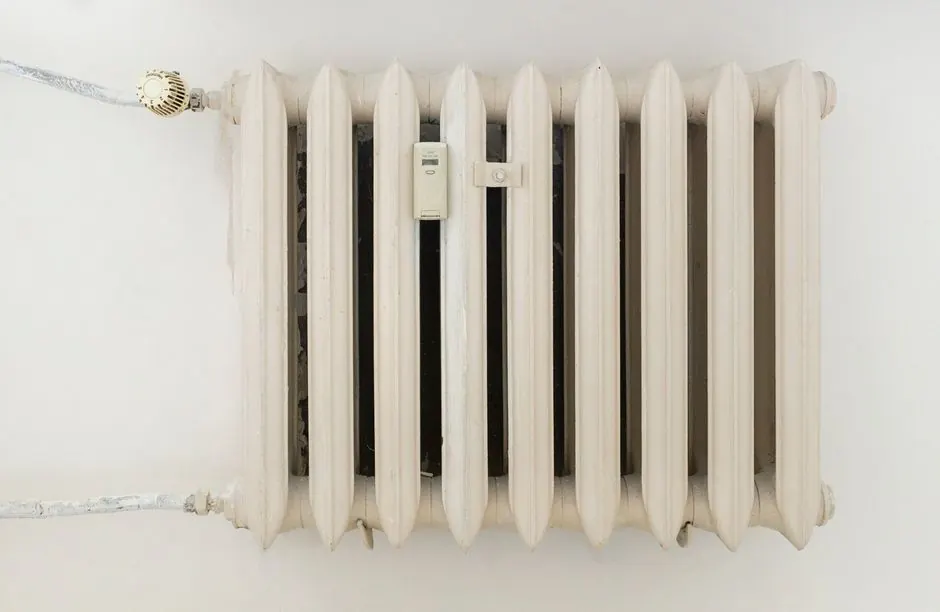
Hot water radiators heat best when they are full of water. Over time, air finds its way into the system and collects at the high points, including the tops of radiators. A radiator with an air pocket at the top heats only partially, the upstairs bedrooms feel chilly, and you may hear gurgling in the pipes. Bleeding the radiators releases that air.
It is a simple job on most hot water systems, and one many Chicago homeowners in bungalows, two-flats and greystones do every fall. This guide explains how to tell if bleeding will help, how to do it safely, what to watch for afterward and when bleeding is the wrong fix.
First: Make Sure You Have Hot Water, Not Steam
This guide is only for hot water radiators. Steam radiators work differently and should not be bled the same way.
- Hot water radiators usually have pipes connected at both ends, often one at the bottom on each side, and a small bleed valve near the top on one end. The boiler has a pressure gauge that typically reads around 12 to 25 psi.
- Steam radiators often have one pipe connection at the bottom and a small air vent, usually a silver or brass bullet-shaped device, about halfway up one end. The boiler has a water level sight glass and a low-pressure gauge.
If you are not sure, read our guide on how to tell if you have a steam or hot water boiler before touching any valves.
Signs Your Radiators Need Bleeding
- The radiator is cold at the top and warm at the bottom.
- Gurgling, trickling or sloshing sounds in radiators or pipes.
- Upper-floor radiators heat poorly while lower floors are fine.
- Radiators take much longer to warm up than they used to.
- The system was recently drained or repaired.
If a radiator is cold all over, bleeding may not help. The problem could be a closed valve, a stuck zone valve or a failed circulator pump. Our guide on boiler on but no heat covers those.
What You Will Need
- A radiator bleed key, which is inexpensive at hardware stores. Some bleed valves use a flat screwdriver instead.
- A small cup or container.
- An old towel or rag.
- Gloves, in case the valve or water is warm.
Step-by-Step: How to Bleed a Hot Water Radiator
1. Run the Heat, Then Turn It Off
Running the heating for a while helps air move to the top of the radiators. Then turn the thermostat down so the boiler and circulator stop, and let the radiators cool enough to touch safely. Bleeding while the pump is running can pull air back in or spray hot water.
2. Start in the Right Place
A common approach is to start with radiators on the lowest floor farthest from the boiler, work toward the ones closest to the boiler, then repeat on each higher floor. Your installer may have different advice for your system.
3. Find the Bleed Valve
Look near the top of one end of the radiator for a small valve with a square stem or a slot.
4. Open the Valve Slowly
Hold the cloth and cup under the valve. Insert the key and turn it counterclockwise about a quarter to a half turn. You should hear air hissing out. Do not remove the valve completely.
5. Close It When Water Appears
When the hissing stops and a steady stream of water comes out without sputtering, close the valve by turning it clockwise. Do not overtighten. Wipe up any water.
6. Repeat for Each Radiator
Move through the house in order. Some radiators may release only a little air, others quite a lot.
7. Check the Boiler Pressure
Each radiator you bleed releases a little water. Afterward, go to the boiler and check the pressure gauge with the system cold. If it has dropped below the recommended level, and your system has a fill valve you know how to use, add water slowly back to the correct pressure. Many systems have an automatic fill valve that will do this for you.
8. Turn the Heat Back On
Turn the thermostat back up and check that the radiators heat evenly from top to bottom. Listen for gurgling. If some air remains, you may need to bleed again after the system has run for a day.
When Bleeding Is the Wrong Fix
Bleeding helps with trapped air. It will not fix:
- A radiator that is cold everywhere. Check that its valve is open. If it still will not heat, the zone or circulator may be the problem.
- A system that needs bleeding every week. Air is getting in, often through a leak, a failing automatic air vent or a low-pressure condition. Our guide on boiler pressure loss explains why.
- Cold radiators with a silent circulator pump. The pump may have failed.
- Sludge. If the water that comes out is black or brown and thick, the system may have sludge and corrosion buildup that needs flushing.
Why You Should Not Bleed Steam Radiators
Steam radiators have an automatic air vent that releases air as steam fills the radiator and closes when steam reaches it. They do not have a manual bleed valve in the same sense. Opening, removing or loosening a steam vent while the system is running can release scalding steam.
If a steam radiator will not heat:
- The air vent may be clogged, painted over or failed. Vents are replaceable parts.
- The radiator valve may be partly closed. Steam radiator valves should be fully open or fully closed, not in between.
- The radiator may be tilted toward the vent, trapping water. Single-pipe steam radiators should tilt slightly back toward the supply valve.
- The main air vents in the basement may not be letting air out of the steam pipes.
See our guides on radiators not heating and banging steam pipes for more.
Safety Tips
- Never bleed a hot radiator. Water can be hot enough to scald.
- Do not fully remove the bleed screw.
- Keep electronics and valuables away from the radiator while bleeding.
- If a bleed valve is seized, cracked or will not close, stop and call a technician. Forcing old valves can break them.
- In multi-unit buildings, coordinate with the owner or building manager before touching shared systems.
Automatic Air Vents in Hot Water Systems
Many hot water systems also have automatic air vents at high points in the piping or on the boiler, plus an air separator near the boiler. These help remove air continuously. If an automatic vent sticks shut, air builds up. If it sticks open, it can leak water. A technician can check and replace vents as part of routine service, which reduces how often you need to bleed radiators by hand.
How Often Should You Bleed Radiators?
There is no fixed schedule. Many homeowners check their radiators at the start of each heating season and again if they notice symptoms. In a tight, well-maintained system, you may only release a small amount of air once a year. If you find yourself bleeding the same radiators every week or two, that is a sign something is letting air in or water out, and it is worth having the system checked.
What Air in the System Does Over Time
Air is more than a comfort problem. Oxygen in the water promotes corrosion inside steel and cast iron components, including radiators, pipes and some boiler heat exchangers. Corrosion produces sludge, the dark, thick water some people see when bleeding older radiators. Sludge settles in radiators and low points, reduces heat output and can clog pumps and valves. Keeping air out of a hot water system protects it in the long run.
Systems with ongoing air and sludge problems often benefit from a professional flush, an air and dirt separator near the boiler, and fixes for whatever is letting air in.
Radiator Covers, Furniture and Heat Output
Once your radiators are full of water and heating properly, make sure their heat can reach the room. Heavy radiator covers, furniture pushed against radiators and long curtains that hang over them all reduce heat output. Decorative covers with open grilles on the front and top are better than solid ones. A reflective panel behind a radiator on an exterior wall can help direct heat into the room.
Balancing a Hot Water System
Some hot water systems have balancing valves on radiators or zones. When radiators near the boiler get very hot and distant ones stay lukewarm even after bleeding, the system may need balancing. That involves adjusting how much water flows to each radiator so heat is shared more evenly. It is a job for a technician who can measure temperatures and adjust valves carefully.
Bleeding Radiators in Multi-Unit Buildings
In two-flats and larger buildings with one shared hot water boiler, air often collects in the top-floor radiators. Bleeding them helps the whole system, but it also lowers system pressure, which affects every unit. Coordinate with the owner or building manager so someone can check the boiler pressure after bleeding. Tenants should report persistent cold radiators rather than adjusting shared equipment in the basement. Owners may want a technician to bleed the entire building at the start of each season and check automatic vents at the same time, which keeps heat even across floors.
Signs the Problem Is Bigger Than Air
If bleeding releases only water and no air, yet the radiator stays cold, air is not the issue. Look instead at the radiator's supply valve, the zone controls or the circulator pump. If a radiator heats at one end and stays cold at the other after bleeding, sludge may be blocking water flow inside it, and a professional flush may be needed.
Older Radiators and Stuck Bleed Valves
Bleed valves on radiators that have not been touched in years are often painted over or seized. Do not force them with pliers. Apply gentle, steady pressure with the correct key, and if it will not move, stop. A broken bleed valve can leak continuously and may need the system partially drained to replace. A technician can free or replace stuck valves safely.
When to Call a Professional
Call for service if bleeding does not restore heat, you need to bleed frequently, the boiler pressure keeps falling, a valve is damaged, the water is full of sludge, or you have steam radiators that will not heat. Call (312) 638-0812 for radiator heat repair and boiler repair in neighborhoods including Bucktown, Albany Park and Edgewater.