Boiler On but No Heat: Troubleshooting Guide
When the boiler seems to be on but the radiators stay cold, the problem is usually somewhere between the boiler and the rooms: low water, air, a stuck pump or valve, or a control issue. This guide walks through hot water and steam systems step by step.
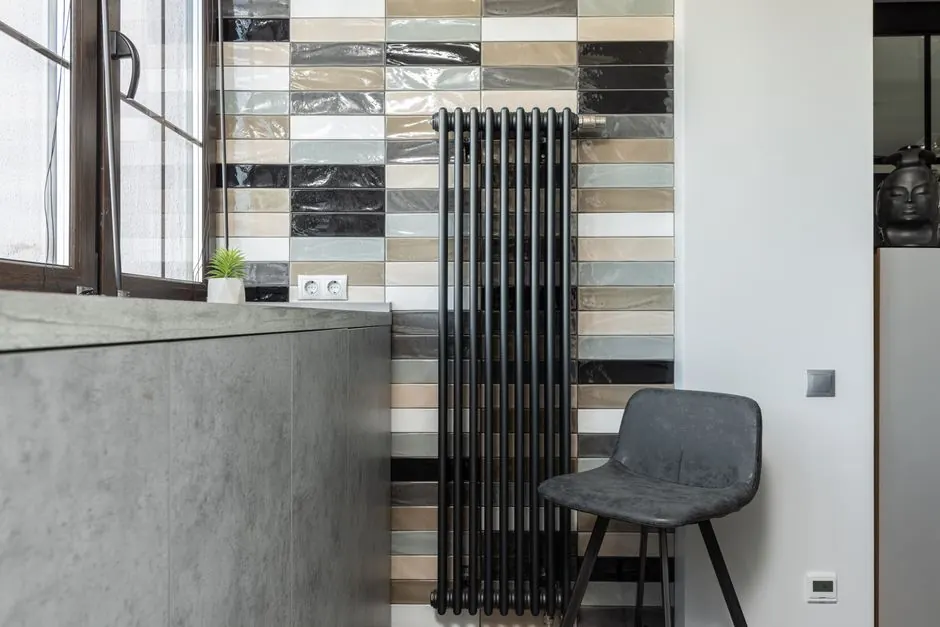
The boiler is running. You can hear the burner and maybe the pump, and the thermostat is calling for heat. But the radiators are cold, or only a few of them get warm. In a Chicago two-flat or greystone in January, that is more than an inconvenience. The good news is that boiler systems are mechanical and logical. Most no-heat problems come down to water, air, flow or controls.
This guide covers both hot water and steam boilers, the checks you can safely make, and when to call for boiler repair. If you smell gas, leave the building and call Peoples Gas at 866-556-6002 from outside. If a carbon monoxide alarm sounds, get everyone out and call 911.
Step 1: Identify Your System Type
Hot water systems have a pressure and temperature gauge, a circulator pump, and often an expansion tank. Steam systems have a water level sight glass, a pressure gauge that reads only a pound or two, and radiators with air vents that hiss. Our guide on steam vs. hot water boilers explains the differences in detail. The troubleshooting steps differ, so start there.
Step 2: Check the Thermostat and Power
- Make sure the thermostat is set to heat and well above room temperature.
- Replace thermostat batteries if the display is dim or blank.
- Check the boiler's service switch, usually a light-style switch on a wall or at the top of the basement stairs.
- Check the breaker for the boiler.
- In multi-unit buildings, confirm which thermostat controls which boiler or zone.
Hot Water Boilers: Step-by-Step
Check the Pressure
Look at the pressure and temperature gauge. Many residential systems run around 12 to 15 psi when cold. If the pressure is very low, water may not reach the upper floors, and some boilers will lock out on a low water or low pressure safety. If your system has a fill valve and you know the procedure, bring it back to the recommended pressure. If pressure keeps dropping, see our guide on boiler pressure loss.
Check the Temperature
Is the boiler water actually hot? If the gauge shows the boiler at normal operating temperature but the radiators are cold, heat is being made but not delivered. That points to circulation. If the boiler water is cold, the burner is not firing properly, which points to ignition, gas supply, controls or a safety lockout.
Check the Circulator Pump
The circulator pump pushes hot water through the pipes. When it fails, the boiler gets hot but the radiators stay cold. Signs of a failed pump include:
- No hum or vibration from the pump when the boiler is calling for heat.
- The pipe leaving the boiler is hot near the boiler but cold a few feet away.
- The pump housing is very hot, or it buzzes without moving water.
- The boiler cycles on its high-limit control because heat is not leaving.
Some older pumps have a coupling between the motor and pump that can break. Pumps can also seize after sitting idle all summer. Pump replacement is a common repair, but it involves electrical work and draining part of the system, so call a technician.
Check Zone Valves or Zone Pumps
Many homes and multi-unit buildings have multiple heating zones. Each zone may have its own pump or a motorized zone valve. If one zone is cold while others work, the zone valve may be stuck closed, the actuator may have failed, or the thermostat wire for that zone may be broken. Many zone valves have a manual lever, but forcing them open is a temporary measure, and a technician should diagnose the cause.
Check for Air in the System
Air collects at high points and stops water from flowing through radiators. Signs include gurgling, radiators cold at the top and warm at the bottom, and upper-floor radiators that stay cold. Bleeding the radiators often helps. Our guide on how to bleed radiators covers the process and when to stop.
Steam Boilers: Step-by-Step
Check the Water Level
The sight glass on a steam boiler shows the water level. Most boilers should be roughly half to two-thirds full in the glass when cold, but follow the manufacturer's mark. If the water level is low, the boiler's low water cutoff will shut off the burner to protect the boiler. Many systems have an automatic water feeder, and others require manual filling.
Important: if the boiler is hot and there is no water visible in the glass at all, do not add water. Turn the boiler off, let it cool completely and call for service. Adding cold water to a hot, dry boiler can crack it.
Check the Low Water Cutoff
Low water cutoffs can become clogged with sediment. Many float-type cutoffs need to be flushed regularly according to the manufacturer's instructions. A clogged cutoff can fail to shut the boiler off when it should, or shut it off when water is fine. A technician can flush, test and repair it.
Check the Pressure Control
Residential steam systems typically run at very low pressure, often around one to two psi. If the pressure control, called a pressuretrol, is set too high or the pigtail pipe beneath it is clogged, the boiler may shut off before steam reaches distant radiators. Higher pressure does not mean more heat in a steam system. It usually means slower, less even heating.
Check the Air Vents
Steam cannot enter a radiator until the air inside escapes through the radiator's air vent. Main vents on the basement steam pipes let air out of the mains. If vents are clogged, painted over or stuck closed, steam cannot reach the radiators, and those radiators stay cold. If vents are stuck open, they may hiss or spit water. Replacing failed vents is a common, effective fix for cold steam radiators.
Check for Water Trapped in Pipes
Steam pipes have to slope so condensed water can drain back to the boiler. When pipes sag or radiators tilt the wrong way, water collects and blocks steam. The classic sign is banging. See our guide on banging steam pipes.
When the Boiler Itself Will Not Fire
If the boiler water stays cold, the burner is not running. Possible causes include:
- A tripped high-limit or low water cutoff.
- Ignition failure, a failed ignitor, thermocouple or flame sensor.
- A pilot that has gone out on an older boiler.
- A gas supply problem or closed gas valve.
- A blocked vent or failed draft inducer.
- A failed control board or transformer.
Many modern boilers show a fault code on a display. Write it down before resetting. Ignition and gas problems should be handled by a technician.
When to Stop and Call
- The boiler locks out again after one reset.
- The circulator pump is silent, very hot or buzzing.
- Pressure keeps dropping or rises toward the relief valve setting.
- A steam boiler is low on water and you are not sure how to refill it, or it is hot and dry.
- You see water leaking from the boiler itself.
- You smell gas or exhaust, or a CO alarm sounds. Leave first, then call.
Keeping Warm While You Wait
Close off unused rooms, keep doors and curtains closed, and gather in the warmest part of the home. Use only space heaters with tip-over and overheat protection, plugged directly into a wall outlet and kept at least three feet from anything flammable. Never use a gas oven to heat the home. Open cabinet doors under sinks on exterior walls to help keep pipes from freezing.
A Note for Chicago Landlords and Tenants
In Chicago, landlords are required to provide heat during the heat season. If you rent and your boiler is not heating, report it to your landlord or building manager right away. Our guide to emergency HVAC service explains how urgent no-heat calls are handled.
Prevent No-Heat Calls With Annual Service
An annual boiler service before the heating season checks the burner, controls, low water cutoff, pressure relief valve, expansion tank, circulator and vents, and catches small problems before the first cold snap. Steam systems benefit from regular low water cutoff flushing and vent checks. See our tune-up and maintenance page.
Thermostatic Radiator Valves and Room Controls
Some homes and buildings have thermostatic radiator valves or thermostatic vents on individual radiators. These control each room's temperature automatically. If one radiator stays cold, check whether its thermostatic head is turned down or stuck. On hot water systems, the valve pin under the head can stick closed after a summer of not moving. On steam systems, thermostatic vents can fail closed. A technician can free or replace stuck valves and vents.
Problems Specific to Multi-Unit Buildings
In two-flats, three-flats and larger buildings, one boiler often serves several units with a single thermostat in one unit or a control that responds to outdoor temperature. Common problems include:
- The thermostat unit is warm, so the boiler does not run long enough for upper units.
- Upper units have air problems in hot water systems or venting problems in steam systems.
- Tenants close radiator valves, open windows or add their own heaters, which confuses the system.
- Outdoor reset or heat timer controls are set incorrectly for the building.
Balancing a multi-unit system takes patience. Vent upgrades on steam systems, zoning on hot water systems and correctly set controls can make heat far more even across units.
Seasonal Startup Problems
Many no-heat calls happen on the first cold day of fall, when the boiler starts for the first time in months. Pumps can seize after sitting idle, pilots may need relighting on older boilers, steam boilers may be low on water, and controls may have lost settings. Scheduling service in September, before you need heat, catches these problems on a mild day instead of during a cold snap.
Information to Have Ready When You Call
A few details help a technician diagnose a no-heat boiler quickly: whether the system is steam or hot water, the boiler make and model from the rating plate, the pressure or sight glass reading, any fault code on the display, whether the burner fires, whether the pump runs, and which radiators or units are cold. Photos of the gauges and the boiler display are helpful too.
Get Your Radiators Hot Again
If your boiler is on but your radiators are cold, call (312) 638-0812. Boiler and radiator systems are common across neighborhoods such as Ukrainian Village, Humboldt Park and Lincoln Square, and a technician can find whether the problem is water, air, circulation or controls. Learn more about radiator heat repair.