Furnace Making Loud Noises? What Each Sound Means
Furnaces are never silent, but new or louder sounds usually point to a specific part. Here is how to read banging, squealing, rattling, humming and more, and which sounds mean you should shut the system off.
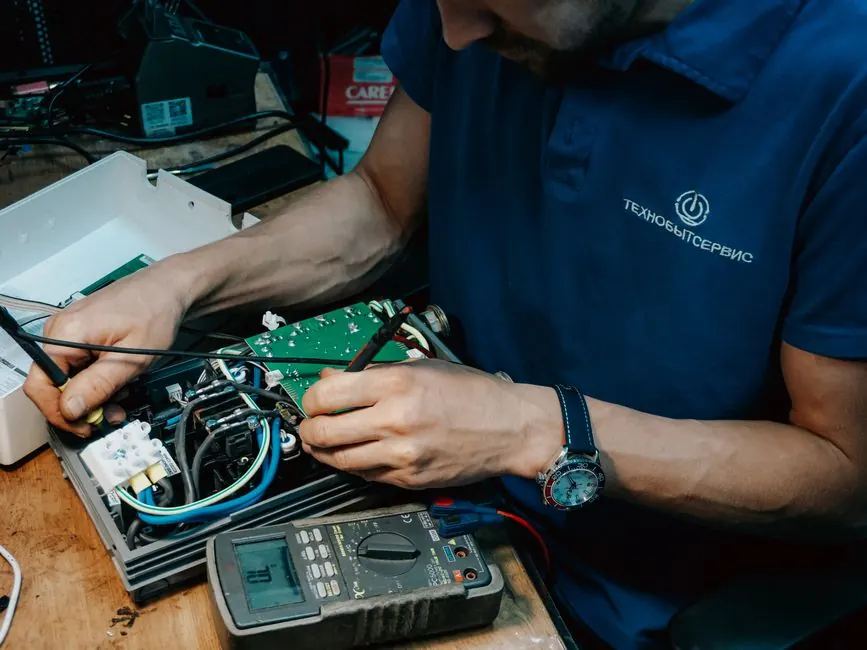
Every furnace makes some noise. You hear the inducer motor spin up, a click or soft whoosh as the burners light, and the blower fan pushing warm air through the vents. Most people tune those sounds out after a few weeks. What gets your attention is a sound that is new, louder than last year, or simply wrong: a bang in the basement at 2 a.m., a squeal that will not stop, a rattle that follows every heating cycle.
The good news is that furnace noises are useful. Most of them point to a specific part, and some are harmless. This guide walks through the sounds homeowners describe most often, what usually causes each one, whether it is safe to keep running the system, and when it is time to call for furnace repair in Chicago.
Normal Furnace Sounds vs. Warning Signs
Before diagnosing anything, it helps to know what a healthy gas furnace sounds like. A modern forced-air furnace runs through the same sequence every time the thermostat calls for heat:
- The inducer motor starts first. It is a small fan that clears the heat exchanger and vent pipe, and it produces a steady low hum.
- A pressure switch confirms the venting is working, often with a faint click.
- The ignitor glows or sparks, the gas valve opens and the burners light with a soft whoosh.
- After a short delay, the blower motor ramps up and pushes air through the ducts.
- When the thermostat is satisfied, the burners shut off and the blower runs a little longer to pull the remaining heat out of the heat exchanger.
Those sounds are normal. The warning signs are sounds that are sudden, metallic, high-pitched, or tied to a specific moment in that sequence, such as a bang right when the burners light. Pay attention to when the noise happens. That timing is often the fastest way to narrow down the cause.
Banging or Booming When the Furnace Starts
A loud bang or boom just as the furnace fires is the sound homeowners worry about most, and for good reason. The usual cause is delayed ignition. Instead of lighting smoothly the instant gas reaches the burners, a small amount of gas builds up in the combustion chamber and then ignites all at once. The result is a miniature explosion inside the furnace.
Common reasons for delayed ignition include:
- Dirty or rusty burners. Dust, rust flakes and debris restrict the burner ports so the flame cannot carry across all burners quickly.
- A weak or misaligned ignitor. If the hot surface ignitor is cracked or not getting hot enough, the gas takes longer to light.
- Low or uneven gas pressure. Incorrect manifold pressure can affect how the flame establishes.
- Venting or air supply problems. Furnaces need combustion air. A blocked intake or poor draft can affect ignition.
Delayed ignition is not something to live with. Repeated small explosions stress the heat exchanger, and over time that stress can contribute to cracks. A cracked heat exchanger is one of the ways carbon monoxide can end up in the air your blower circulates. If you hear a boom at start-up, have the furnace inspected soon, and make sure your carbon monoxide alarms are working. Our carbon monoxide safety guide covers alarm placement and what to do if one sounds.
Banging That Comes From the Ducts Instead
Not every bang comes from the furnace cabinet. If the noise seems to come from the walls or ceiling a few seconds after the blower starts, it is probably the ductwork. Sheet metal ducts can flex when air pressure changes suddenly, a sound often called oil-canning. It is usually caused by undersized return ducts, closed or blocked vents, or a very dirty filter that makes the blower work against high pressure. Opening closed registers and replacing the filter often helps. Persistent duct booming is worth having a technician look at, because it usually means the system is fighting high static pressure, which shortens blower life.
Squealing or Screeching
A high-pitched squeal is usually mechanical. The most common causes are:
- A worn or slipping blower belt. Older furnaces, which are still common in Chicago bungalows and two-flats, often use a belt-driven blower. As the belt stretches or glazes, it slips and squeals, especially at start-up.
- Dry or failing motor bearings. Some older blower and inducer motors have bearings that need oil. Most newer motors are sealed. When bearings wear out, the motor squeals and then eventually seizes.
- A failing inducer motor. If the squeal starts the moment the call for heat begins, before the burners light, the inducer motor is a strong suspect.
A squeal is rarely an emergency, but it is a warning. A motor or belt that is squealing in November may fail completely in January, which is the worst possible time to be without heat. Book a repair while you still have heat rather than waiting for the part to quit.
Grinding or Scraping
Grinding is more serious than squealing. Metal-on-metal grinding usually means motor bearings have failed or the blower wheel has come loose and is rubbing against its housing. Running the furnace in this condition can destroy the motor quickly and may damage the blower assembly.
If you hear grinding or scraping, turn the furnace off at the thermostat and call for service. In very cold weather, a technician may be able to get you temporary heat, but continuing to run a grinding motor rarely ends well.
Rattling
Rattling has a long list of possible causes, ranging from trivial to serious:
- A loose access panel. The front panels on the furnace cabinet can vibrate if a screw is missing or the panel is not seated properly. This is the easiest fix on the list.
- Loose ductwork or hangers. Duct sections and straps can work loose over years of expansion and contraction.
- A loose screw or debris in the blower. Small objects can end up in the blower compartment and rattle when the fan runs.
- A loose or damaged inducer motor or vent pipe. A rattle at start-up, before the burners light, can come from the inducer assembly.
- A cracked heat exchanger. In some cases, a metallic rattle or ticking can be related to cracks in the heat exchanger as it heats and cools. This is less common, but it is serious because of the carbon monoxide risk.
Start with the safe checks: make sure the furnace panels are secure and look for obviously loose duct straps. If the rattle continues, especially if it comes from inside the furnace while it runs, have it inspected.
Humming or Buzzing
A low, steady hum from the inducer or blower motor is normal. A loud hum, an electrical buzz, or a hum with no fan movement is different. Possible causes include:
- A failing capacitor. Many blower motors use a capacitor to start and run. When it weakens, the motor may hum without spinning, or spin slowly.
- A failing transformer or relay. Electrical components in the control circuit can buzz as they wear out.
- A motor that is starting to seize. A motor that hums but struggles to turn needs attention before it burns out.
Electrical problems inside a furnace are not a DIY job. If you hear a loud buzz, especially with a burning smell, turn the system off and call for service.
Clicking
A single click at the start and end of a cycle is normal. It is the thermostat or a relay switching. Repeated clicking without the burners lighting is a different story. It often means the ignitor is trying to light and failing, or the control board is attempting the start-up sequence and locking out because a safety switch is not closing. That pattern usually comes with no heat, which is covered in detail in our guide to furnace ignitor and pilot light problems.
Whistling
A whistle usually means air is being forced through a gap that is too small. Common causes are a clogged air filter, closed supply registers, a gap in the ductwork or around the filter slot, or a return grille that is blocked by furniture. Replace the filter first, then open registers and clear returns. If the whistle persists, a technician can check static pressure and look for duct leaks.
Popping, Ticking or Pinging From the Ducts
Popping and ticking as the system heats up or cools down is usually the ductwork expanding and contracting. Metal grows slightly as it warms and shrinks as it cools, and the ducts shift against their supports. This is common and generally harmless. It can be louder in older homes or where ducts run through tight joist bays, as they often do in Chicago greystones and bungalows.
Rumbling After the Burners Shut Off
A rumble that continues after the burners turn off can mean gas is still burning briefly, which can indicate a faulty gas valve or dirty burners. Rumbling while the burners run can also point to a burner or flame issue. Because either situation involves combustion, it should be checked by a professional rather than monitored.
Which Furnace Noises Mean Turn It Off Now?
Most furnace noises call for a repair visit rather than an emergency response. These are the exceptions. Turn the furnace off and get help if you notice:
- Loud grinding or scraping from the blower or inducer.
- Repeated booms or bangs at ignition.
- Any unusual noise combined with a gas smell. Leave the building first, then call Peoples Gas at 866-556-6002 from outside.
- Any unusual noise combined with a carbon monoxide alarm. Get everyone outside and call 911.
- A loud electrical buzz with a burning smell or visible smoke.
If one of these happens on a frigid night, our page on emergency HVAC service explains how urgent calls are handled.
What You Can Safely Check Yourself
A few checks are safe for most homeowners and can resolve or narrow down a noise:
- Replace the air filter. A clogged filter causes whistling, duct booming and strain on the blower. In a Chicago heating season, a standard 1-inch filter often needs changing every one to three months.
- Check the furnace access panels. Make sure they are seated and fastened. Many furnaces have a safety switch that will not let the furnace run if the blower door is off.
- Open supply registers and clear return grilles. Closing too many registers raises pressure in the ducts and causes noise.
- Look and listen. Note when the noise happens in the cycle and where it seems to come from. That information helps a technician diagnose the problem faster.
Do not remove burner assemblies, open the gas valve, oil motors you cannot easily reach, or work on electrical components. Those jobs involve gas, high voltage and combustion safety.
How a Technician Diagnoses Furnace Noise
A good diagnostic visit follows the same sequence the furnace does. The technician will usually:
- Watch and listen to a full heating cycle from start to shutdown.
- Inspect the blower wheel, motor, belt and bearings.
- Check the inducer motor and pressure switch.
- Inspect and, if needed, clean the burners and check the flame.
- Test the ignitor and flame sensor.
- Check gas pressure and venting.
- Inspect the heat exchanger for cracks or signs of overheating.
- Test for carbon monoxide at the furnace and in the living space.
You should get a clear explanation of what is causing the noise and written options before any work starts. If the furnace is old and the noise points to a major component, it is reasonable to compare repair against replacement. Our guide on how long a furnace lasts in Chicago covers the signs that replacement makes more sense.
Preventing Furnace Noises Before Winter
Many of the noises in this guide start with neglected maintenance: dirty burners, worn belts, dry bearings and clogged filters. An annual tune-up in early fall catches most of them while the weather is still mild. During a tune-up, a technician cleans the burners, checks the ignitor and flame sensor, inspects the blower and inducer, tests safety controls and checks for carbon monoxide. See our HVAC tune-up and maintenance page for what a visit covers.
Chicago winters are hard on heating equipment. Long run times during cold snaps mean more wear on motors and belts, and a small noise in October can become a no-heat call during the first polar vortex. Listening to your furnace, and acting early, is the simplest way to avoid that call.
When to Call for Furnace Repair in Chicago
Call for service if a noise is new, getting louder, or tied to ignition, and turn the system off for grinding, booming, burning smells or any alarm. If you are in a neighborhood such as Lincoln Park, Logan Square or Rogers Park, a technician can usually diagnose the sound in a single visit and explain whether it is a simple fix or a sign of a bigger problem. Call (312) 638-0812 to describe what you are hearing.