How Long Does a Furnace Last in Chicago? 7 Signs It's Time to Replace
A well-maintained gas furnace typically lasts around 15 to 20 years, but Chicago winters, sizing and maintenance all change that number. Here are the signs your furnace is near the end, and how to decide between one more repair and a new system.
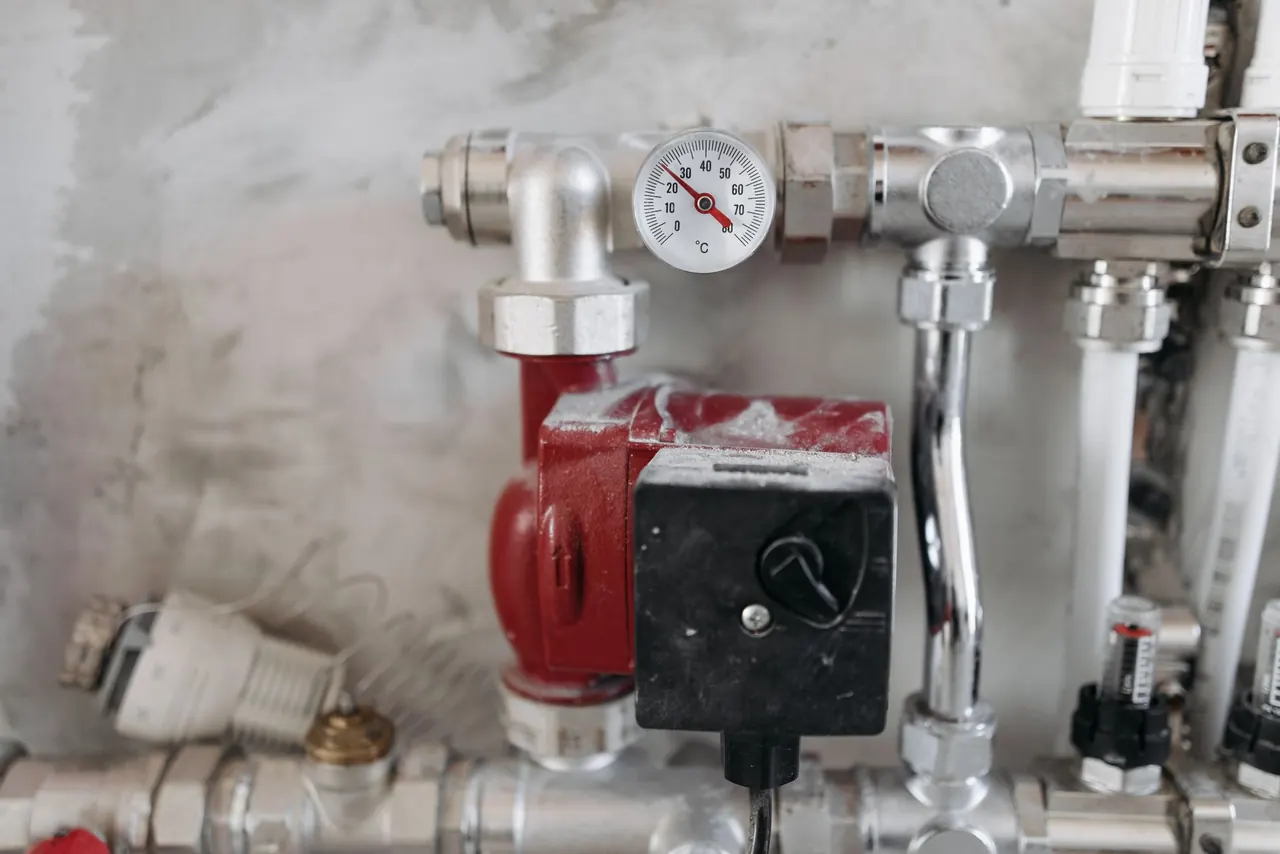
Furnaces rarely fail on a convenient day. More often, an aging furnace gives out during the first serious cold snap, when every HVAC company in the city is busy and the house is losing heat by the hour. Knowing roughly how long a furnace lasts, and recognizing the warning signs, lets you plan a replacement on your own timeline.
This guide covers typical furnace lifespan, what shortens or extends it in Chicago, seven signs your furnace is near the end, and how to think about repair versus furnace replacement.
How Long Does a Gas Furnace Last?
Major manufacturers generally describe a typical gas furnace lifespan of about 15 to 20 years. Carrier, for example, lists 15 to 20 years for gas furnaces and notes that this is a guideline rather than a guarantee. Some furnaces last longer, and some fail early.
The number on paper matters less than the condition of your particular furnace. A 17-year-old furnace that was sized correctly, installed carefully and serviced every fall may be in better shape than a 10-year-old unit that was oversized and never maintained.
What Shortens Furnace Life in Chicago
Chicago's heating season is long, and that alone means more run hours per year than in milder parts of the country. Beyond climate, these factors have the biggest effect on how long a furnace lasts:
- Incorrect sizing. An oversized furnace heats the house too quickly and shuts off, then restarts again soon after. That short cycling adds wear to the ignitor, inducer and heat exchanger. An undersized furnace runs almost nonstop in cold weather.
- Poor airflow. Clogged filters, undersized return ducts and closed registers make the heat exchanger run hotter than designed. Repeated overheating stresses the metal.
- Skipped maintenance. Dirty burners, worn belts, weak ignitors and dirty flame sensors all add stress and lead to breakdowns.
- Installation quality. Venting, gas pressure, combustion air and duct connections all affect how hard the furnace works.
- Environment. Furnaces in damp basements, dusty spaces or areas with laundry chemicals nearby can corrode faster.
Sign 1: The Furnace Is 15 Years Old or More
Age alone is not a reason to replace a furnace that works well. But once a furnace reaches the 15-year mark, it is wise to start planning. Find the manufacture date on the rating plate inside the furnace door, or ask a technician to decode the serial number. If your furnace is approaching or past 20 years, get a replacement quote now so you are not making a rushed decision during a no-heat emergency.
Sign 2: Repairs Are Getting More Frequent
An occasional repair is normal over a furnace's life. A pattern is different. If you have needed service several times over the last couple of winters, especially for different parts, the furnace is likely wearing out as a system. Each repair may be reasonable on its own, but the total adds up, and the next failure is likely not far away.
Sign 3: Heating Bills Are Rising Without Explanation
Furnaces lose efficiency as they age. Burners get dirty, motors wear, and older furnaces were often less efficient to begin with. If your gas bills are climbing compared with similar winters, and gas rates or your habits have not changed much, an aging furnace may be working harder to deliver the same heat. Compare winter bills year over year rather than month to month.
Sign 4: Uneven Heat and Rooms That Never Warm Up
If some rooms are always cold, the cause could be ductwork, insulation or windows, which are common issues in older Chicago homes. But a furnace that is losing capacity, has a failing blower or is struggling to keep up can make uneven heating worse. If comfort has gotten noticeably worse over a few seasons, have the system evaluated.
Sign 5: New Noises, Smells or a Yellow Flame
Banging at ignition, grinding motors, rattling and squealing all suggest parts are wearing out. Our guide on what furnace noises mean covers each one. Pay attention to the burner flame too. A healthy gas flame is mostly blue. A lazy, flickering or largely yellow flame can indicate combustion problems that should be checked promptly.
Sign 6: Signs of Carbon Monoxide or a Cracked Heat Exchanger
The heat exchanger separates the flames and combustion gases from the air your blower sends through the house. As a furnace ages, the metal goes through thousands of heating and cooling cycles. Cracks can develop, particularly in furnaces that have overheated repeatedly.
A cracked heat exchanger can allow combustion gases, including carbon monoxide, into the airstream. Warning signs include:
- A carbon monoxide alarm going off.
- Soot or scorch marks around the furnace.
- Rust or corrosion inside the cabinet.
- A burner flame that dances or changes when the blower starts.
- Headaches, nausea or dizziness that improve when you leave the house.
If a carbon monoxide alarm sounds, get everyone outside and call 911. Our carbon monoxide safety guide covers what to do and where alarms belong. A confirmed cracked heat exchanger on an older furnace usually means replacement.
Sign 7: The Furnace Short Cycles or Struggles in Cold Snaps
A furnace that turns on and off every few minutes, or one that runs constantly but cannot hold the thermostat setting when temperatures drop, is telling you something. Short cycling can be caused by simple issues such as a dirty flame sensor, but in an older furnace it often comes with general wear. See our guide on furnace short cycling during a Chicago cold snap.
Repair or Replace: How to Decide
There is no single formula, but these guidelines help:
- The 50 percent rule. If a repair would cost roughly half or more of a new furnace, and the furnace is in the second half of its expected life, replacement is usually the better value.
- Age times repair cost. Some contractors multiply the furnace's age by the repair cost. If the result is high relative to the price of a new system, replacement looks better. Treat this as a rough guide.
- Safety issues come first. A cracked heat exchanger or repeated combustion problems on an older furnace generally point to replacement.
- Think about the next five years. One repair on a 17-year-old furnace may get you through this winter, but ask what else is likely to fail soon.
- Consider comfort and efficiency. If you are unhappy with uneven heat or high bills, a properly sized new system can fix more than the immediate breakdown.
Small, inexpensive repairs, such as an ignitor, flame sensor, capacitor or thermostat, often make sense even on an older furnace. Major components such as the heat exchanger, control board, inducer or blower motor deserve a harder look when the furnace is old.
Why Planning Ahead Saves Money and Stress
Replacing a furnace on your own schedule has real advantages:
- You can compare quotes instead of accepting the first available option during a cold snap.
- You have time to ask for a load calculation so the new furnace is sized correctly.
- You can check rebates. For 2026, Peoples Gas lists rebates of $200 for qualifying 95% AFUE furnaces and $225 for 97% AFUE furnaces, with conditions and application deadlines. Programs change, so confirm current terms before you buy.
- You can address ductwork, venting or chimney liner issues as part of the project.
Note that the federal energy efficient home improvement tax credit that applied to many furnace upgrades expired for equipment placed in service after December 31, 2025, so do not count on it for a 2026 installation.
Which Parts Wear Out First
A furnace is a collection of parts with different lifespans. Understanding which ones tend to fail, and how serious each failure is, helps you judge whether a repair is a reasonable investment.
- Ignitors and flame sensors. These are wear items that can fail several times over a furnace's life. Replacing them is routine and usually worthwhile at any age. See our guide to ignitor and pilot light problems.
- Capacitors, relays and pressure switches. Small electrical and control parts that commonly fail. Generally modest repairs.
- Blower and inducer motors. These work hard every heating season, and the blower often runs in summer too if you have central air. Motor replacement is a more significant repair, and on an older furnace it is a good moment to consider the bigger picture.
- Control boards. The furnace's brain. Board failures can be expensive, and on older models parts can become harder to find.
- Heat exchanger. The most critical and expensive component. When it fails on an older furnace, replacement is almost always the recommendation.
A furnace that has needed small parts over the years is normal. A furnace that is starting to need the big ones is telling you its remaining life is limited.
Questions to Ask Before You Replace
If a technician recommends replacement, these questions help you understand the recommendation and make a confident decision:
- What exactly failed, and can you show me?
- Is there a safety issue, or is this a reliability and cost decision?
- What would the repair cost, and what else is likely to fail in the next few years?
- How old is the furnace, and what condition is the heat exchanger in?
- Will you do a heat load calculation to size the new furnace, rather than matching the old one?
- Will the venting, chimney or ductwork need changes?
- Which rebates apply, and will you help with the paperwork?
A good contractor will answer these clearly and put the options in writing. If you feel rushed, it is reasonable to get a second opinion, unless there is an active safety hazard such as a cracked heat exchanger, in which case the furnace should not be used in the meantime.
How to Make Your Furnace Last Longer
If your furnace is still in good shape, these habits help it reach the upper end of its lifespan:
- Change the filter regularly during heating season.
- Schedule a professional tune-up each fall, before the first cold snap. See our tune-up and maintenance page.
- Keep supply registers and return grilles open and unblocked.
- Keep the area around the furnace clean and free of stored items, especially anything flammable.
- Keep outdoor vent pipes clear of snow and ice on high-efficiency furnaces.
- Avoid big daily setbacks that force long recovery runs, unless your system is designed for them.
Get an Honest Assessment
If your furnace is 15 years old or more, has needed several repairs, or is showing any of the signs above, a technician can inspect it and tell you how much life it likely has left. A good assessment should include the furnace's age and condition, any safety concerns, repair costs for current problems and a comparison with replacement, all in writing. Our guide to what affects furnace replacement cost in Chicago explains what goes into a quote.
Call (312) 638-0812 to schedule an inspection, or read more about furnace repair and furnace replacement across neighborhoods such as Jefferson Park, Irving Park and North Center.