AC Won't Turn On? What to Check Before You Call
When the AC will not start on the first hot day of the year, the cause is often a setting, a breaker or a safety switch. Work through these checks in order before you book a service call, and know which symptoms mean you should stop and call.
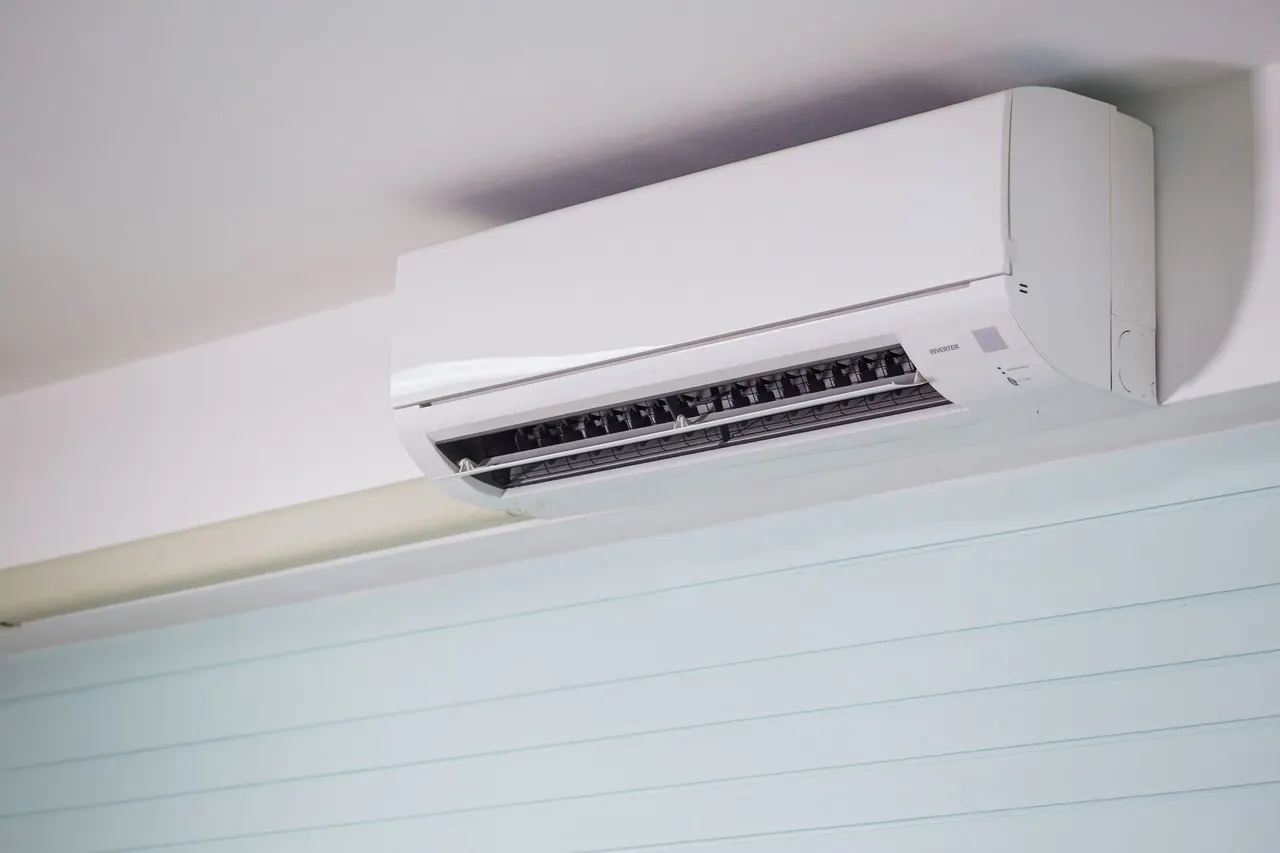
The first hot day of the year in Chicago tends to arrive suddenly. One week you are still running the furnace, and the next it is 88 degrees and humid. You set the thermostat to cool, wait, and nothing happens. Before you assume the worst, know that many AC no-start problems come down to settings, power or a safety switch that you can check in a few minutes.
This checklist moves from the simplest checks to the ones that require a technician. If the basic steps do not solve it, you will have useful information for whoever comes out for AC repair.
Step 1: Check the Thermostat Settings
- Make sure the system mode is set to Cool, not Heat, Off or Emergency Heat.
- Set the temperature at least three to five degrees below the current room temperature.
- Check that the fan is set to Auto or On.
- Look for a schedule, vacation hold or energy-saving mode that is overriding your setting.
- If the display is blank or dim, replace the batteries.
Many thermostats and outdoor units have a built-in compressor delay of a few minutes after a setting change or power interruption. Give it five minutes before deciding nothing is happening.
Step 2: Check the Breakers
Central air conditioners usually have two power circuits: one for the indoor furnace or air handler, and a larger double breaker for the outdoor condenser. Check your electrical panel for tripped breakers. A tripped breaker may sit in the middle position. Reset it by pushing it fully off and then back on.
If the outdoor unit's breaker trips again right away or after a short run, stop resetting it. Repeated tripping points to an electrical fault such as a shorted compressor, failing fan motor or wiring problem, and it needs a technician.
Step 3: Check the Outdoor Disconnect
Near the outdoor unit you will usually find a small metal box mounted on the wall: the service disconnect. It may have a pull-out block, a lever or a breaker inside. Someone may have switched it off during landscaping, painting or a previous service call. Make sure it is in the on position and the pull-out block, if there is one, is fully seated the right way.
Step 4: Check the Furnace Power Switch
In most Chicago homes, the furnace blower moves the cool air. If the furnace service switch, which looks like a light switch on or near the furnace, is off, the indoor blower and controls will not work and the AC will not start. Make sure it is on, and that the blower door on the furnace is closed securely so its safety switch is engaged.
Step 5: Check the Condensate Float Switch
Many systems have a float switch in the drain pan or condensate line that shuts off the AC if water backs up. If the AC shut off on its own, look for water in the drain pan or a full condensate pump reservoir. If the drain is clogged, clearing it often lets the switch reset and the AC start again. Our guide on AC leaking water inside explains how.
Step 6: Replace the Air Filter
A badly clogged filter does not usually prevent an AC from turning on, but it can cause the coil to freeze, trip safety controls, or make the system shut down and restart. If you find ice on the refrigerant lines, turn the cooling off and let it thaw before doing anything else. See our guide on why AC coils freeze.
Step 7: Look and Listen at the Outdoor Unit
With the thermostat calling for cooling, go outside and observe the condenser:
- Nothing at all: no hum, no fan. Points to power, the disconnect, a fuse, the contactor or the low-voltage control signal.
- A hum but the fan does not spin: often a failed capacitor or fan motor. Do not poke the fan blades to start them. A failing capacitor can be dangerous, and a technician should replace it.
- The fan spins but the air coming off the top is not warm: the compressor may not be running.
- Clicking on and off repeatedly: may be a control, pressure or electrical problem.
Also check that the unit is not packed with cottonwood fluff, leaves or grass clippings, and that nothing is stored against it. Turn off the disconnect before gently rinsing debris from the coil with a garden hose from the outside. Do not use a pressure washer, which can flatten the fins.
Step 8: Try One Full Reset
- Set the thermostat to off.
- Turn off the outdoor disconnect and the AC breaker.
- Wait about five minutes.
- Restore power at the breaker and disconnect.
- Set the thermostat to cool, several degrees below room temperature.
- Wait several minutes for any compressor delay.
If the system starts and cools normally, keep an eye on it. If it trips again or fails the same way, it is time to call.
Common Problems That Need a Technician
Failed Capacitor
The capacitor gives the compressor and fan motor the boost they need to start. Capacitors wear out, especially after long stretches of heavy use in hot weather. A failing capacitor often causes a humming outdoor unit with a fan that will not spin. Capacitors can store a dangerous electrical charge even with power off, so replacement is a technician's job.
Bad Contactor
The contactor is a switch in the outdoor unit that turns on when the thermostat calls for cooling. Contacts can pit, burn or stick, and insects sometimes get trapped between them. A failed contactor can leave the outdoor unit dead, or stuck running when it should be off.
Thermostat Wiring and Low-Voltage Problems
The thermostat sends a low-voltage signal to the furnace and outdoor unit. A loose wire, a damaged cable, a blown low-voltage fuse on the furnace control board or a failed transformer can interrupt it. Thermostat wire running along the outside of the house can also be damaged by lawn equipment or animals.
Compressor or Fan Motor Failure
Compressor and outdoor fan motor problems are more serious. A compressor that will not start, trips the breaker or overheats may need a hard-start kit, a new capacitor or, in the worst case, replacement. On an older system, a failed compressor often makes replacing the whole outdoor unit or system the better value. Our guide on repair or replace covers how to decide.
Refrigerant Pressure Lockouts
Many modern units have high- and low-pressure switches that shut the compressor off if pressures are unsafe. A refrigerant leak, dirty coil or failed fan can trigger them. The system may run briefly and stop, or not start at all.
What Not to Do
- Do not keep resetting a breaker that trips repeatedly.
- Do not open the outdoor unit's electrical panel or touch capacitors.
- Do not push the fan blades to try to start them.
- Do not bypass float switches or safety controls.
- Do not add refrigerant yourself. Refrigerant work requires certification, and a low charge means there is a leak.
Staying Cool While You Wait
If the AC is out during a heat wave, keep blinds closed on sunny windows, run ceiling and portable fans, avoid using the oven, and spend the hottest hours on the lowest floor of the home. Check on older neighbors and relatives. If someone in the home is elderly, very young or has health conditions, consider going to an air-conditioned public place or a city cooling center during extreme heat.
Common Thermostat Problems That Look Like a Broken AC
Thermostats cause more no-cooling calls than many homeowners expect, especially after a change. Watch for these:
- A new smart thermostat that was installed without a C-wire. Some smart thermostats need a dedicated power wire. Without one, they may lose power, reboot or fail to call for cooling reliably.
- Incorrect wiring after a replacement. If the AC stopped working right after a thermostat swap, a wire may be on the wrong terminal. Take a photo of the old wiring before any change.
- System type set wrong in the thermostat menu. A thermostat configured for a heat pump when you have an AC and furnace, or the reverse, can fail to cool.
- A thermostat in a bad location. A thermostat in direct sun, near a lamp or by a kitchen may read too warm or too cool and run the system oddly.
- Wi-Fi or app schedules. Smart thermostat schedules, geofencing or utility demand-response programs can change settings without you noticing. Check the app history.
First Startup of the Season
The first day you switch from heat to cool each spring is a good time to watch the system closely. Before that first startup:
- Replace the filter.
- Remove any winter cover from the outdoor unit. Full covers trap moisture and can block airflow if left on.
- Clear leaves and debris from around and inside the top grille, with power off.
- Make sure the disconnect is on.
- Check that the condensate drain is clear.
Then set the thermostat to cool and confirm that both the indoor blower and the outdoor unit start, and that the air at the registers feels noticeably cooler within about 15 minutes. If anything seems off, it is far easier to get a service appointment in early spring than during the first heat wave. A spring tune-up catches weak capacitors and contactors before they fail.
Outdoor Unit Problems Unique to Chicago
Chicago's seasons create a few recurring problems for outdoor units:
- Cottonwood and seed fluff. In late spring, fluff from cottonwood trees can mat across the outdoor coil like a felt blanket, choking airflow and causing high-pressure shutdowns.
- Winter debris. Leaves and twigs collect inside the top grille over the winter and can jam the fan or block airflow on the first hot day.
- Snow and ice damage. Ice falling from roofs or gutters can bend fan blades or crush the top grille.
- Animal damage. Rodents and rabbits sometimes chew low-voltage wiring near the unit.
A quick visual check each spring catches most of these before they cause a no-cooling call.
When to Call for AC Repair
Call a technician if the breaker keeps tripping, the outdoor unit hums but does not run, the fan runs but the air is not cool, the system shows a fault code you cannot clear, or you see ice or water problems you cannot resolve. When you call, describe what you see and hear at both the indoor and outdoor units. Call (312) 638-0812 for AC repair in neighborhoods like Logan Square, Avondale and West Ridge. For very hot days or vulnerable occupants, see how emergency HVAC service works.