Ductless Mini-Splits for Chicago Condos, Attics and Additions
Ductless mini-splits solve problems central systems cannot: homes with radiators and no ducts, hot finished attics, additions and condos with limited space. Here is how they work, where they fit best in Chicago homes and what to plan for before installing one.
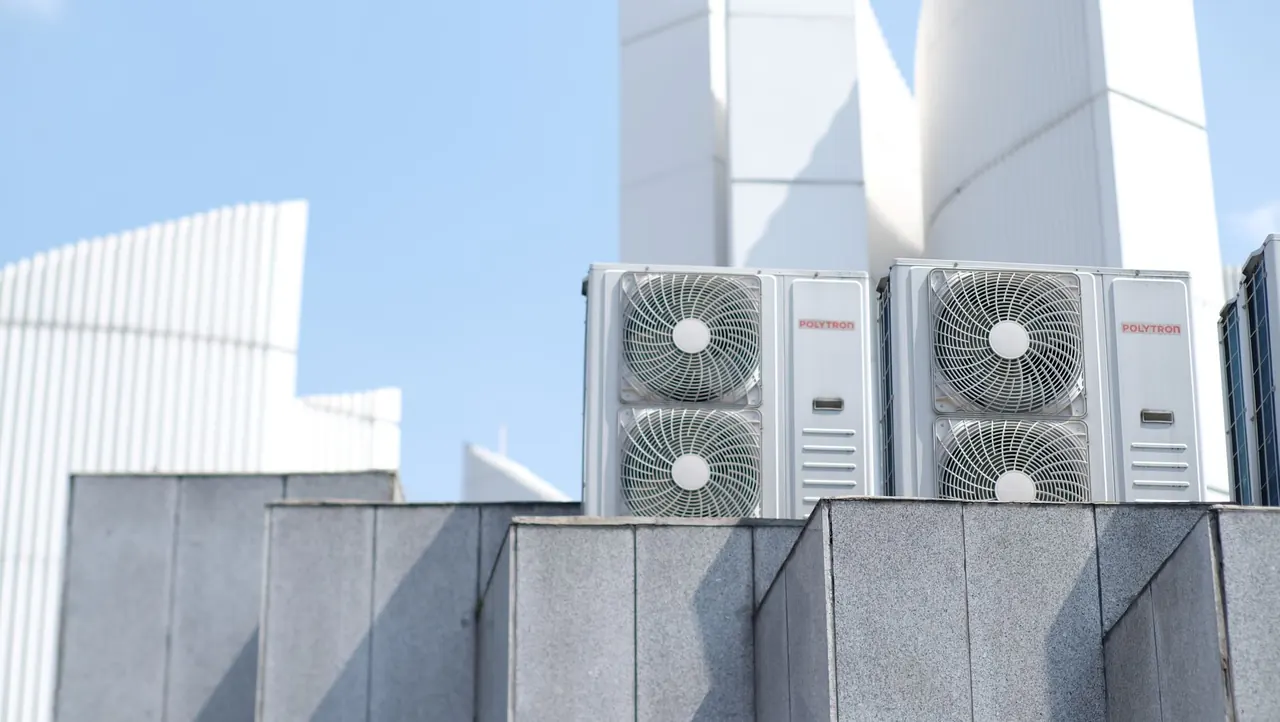
Chicago has a lot of homes that are hard to heat and cool evenly. Greystones and two-flats heated by radiators have no ductwork for central air. Bungalows with finished attics bake in July. Additions and enclosed porches never quite get enough heat. Condos in older buildings often have limited options for equipment. Ductless mini-splits were designed for exactly these situations.
This guide explains how mini-splits work, where they fit best in Chicago homes, how they perform in winter, what to plan for during installation and how to keep them running well. For service on an existing system, see our ductless mini-split repair page.
How a Ductless Mini-Split Works
A mini-split has two main parts:
- An outdoor unit with a compressor, coil and fan.
- One or more indoor units, often called heads, mounted in the rooms they serve.
Refrigerant lines, a drain line and control wiring run through a small hole in the wall to connect them. Most mini-splits sold today are heat pumps, so they provide both cooling and heating. Each indoor unit has its own controls, so every room or zone can be set to its own temperature.
Types of Indoor Units
- Wall-mounted heads are the most common and usually the least expensive.
- Ceiling cassettes sit flush in the ceiling and distribute air in several directions.
- Floor consoles sit low on a wall, which can be helpful for heating or under windows.
- Concealed or slim-duct units hide in a ceiling or closet and use short duct runs to serve one or a few rooms.
Where Mini-Splits Work Best in Chicago
Homes With Radiators and No Ducts
Many greystones, two-flats and older bungalows have boilers and radiators. Adding central air would mean installing ductwork through finished walls and ceilings. Mini-splits provide efficient cooling with minimal disruption, and their heat pump heating can supplement or reduce boiler use during milder weather. The boiler remains for the coldest days.
Finished Attics and Top Floors
Top-floor bedrooms and finished attics are often the hottest rooms in the house in summer and the hardest to keep warm in winter. A dedicated mini-split can handle that space without forcing the main system to overwork.
Additions, Sunrooms and Enclosed Porches
Extending existing ductwork to an addition often delivers poor results because the original system was not sized for the extra space. A mini-split gives the addition its own heating and cooling.
Condos and Apartments
In many Chicago condo buildings, units have limited space for equipment and no way to run new ducts. Mini-splits can be a practical solution, subject to association rules.
Garages, Workshops and Home Offices
Detached or attached garages, basement offices and workshops can be conditioned independently, without affecting the rest of the home.
How Mini-Splits Perform in Chicago Winters
Many modern mini-split heat pumps use variable-speed inverter compressors and are designed for cold climates. Some are rated to operate below 0 degrees Fahrenheit. As temperatures drop, heating capacity decreases, so it is important to check the unit's capacity at low temperatures rather than its nominal rating. In Chicago, many homeowners use mini-splits as the primary heat for most of the season and keep a boiler, furnace or electric baseboard as backup for extreme cold. Our guide on heat pumps in Chicago winters covers cold-weather performance.
Mini-splits also run defrost cycles in winter. During defrost, the indoor unit may stop blowing for several minutes. That is normal, and our guide on heat pump defrost mode explains it.
Sizing a Mini-Split
Each zone should be sized with a room-by-room load calculation. Oversizing is a common mistake with mini-splits too. An oversized head cycles on and off, controls humidity poorly and can be noisy. Undersized heads struggle in heat waves and cold snaps. A top-floor bedroom with a large west-facing window needs a very different unit than an interior office of the same size.
Single-Zone vs. Multi-Zone
- Single-zone systems pair one outdoor unit with one indoor unit. They are simple and efficient and allow precise sizing.
- Multi-zone systems connect several indoor units to one outdoor unit. They reduce the number of outdoor units but can be less efficient when only one small zone is running. The total capacity of the indoor units must fit the outdoor unit's limits.
Some homes use a combination: several single-zone systems for key rooms and a multi-zone system for smaller bedrooms.
Planning the Installation
Indoor Unit Placement
Indoor units should be placed where air can circulate through the room without blowing directly on beds or seating. They need clearance above for air intake and a path for the line set and drain.
Outdoor Unit Placement
In Chicago, outdoor units should be mounted on stands or wall brackets above expected snow depth, away from roof drip lines and in a spot where defrost water can drain without freezing on walkways. Keep clearance from windows and neighbors, and follow manufacturer distance requirements.
Line Sets and Drainage
Refrigerant lines and drain lines usually run through a small wall penetration and are covered with a line-hide cover on the exterior. Condensate must drain by gravity or through a small pump. Poor drainage is a common cause of indoor drips.
Electrical Work
Mini-splits need a dedicated electrical circuit and an outdoor disconnect. Older Chicago homes may need panel capacity checked.
Condo and Landmark Rules
Condo associations may restrict where outdoor units and line covers can go. Buildings in landmark districts may have additional exterior rules. Get approvals early.
Cost Factors
- Number of zones and indoor units.
- Type of indoor unit: wall, ceiling cassette, floor or concealed duct.
- Cold-climate performance level.
- Length and complexity of line set runs.
- Electrical work.
- Mounting and access, especially for upper floors.
Utility rebates for qualifying heat pumps change frequently, so check current ComEd and Peoples Gas programs before purchasing.
Maintenance
- Clean the washable filters in each indoor unit regularly.
- Keep the outdoor unit clear of snow, ice, leaves and debris.
- Have a professional clean the indoor coil and blower wheel periodically, which prevents odors and maintains airflow.
- Check the condensate drain and pump.
Problems like blinking lights, weak cooling and dripping are covered in our guide on mini-split not cooling or blinking lights.
Mini-Splits and Older Electrical Systems
Each outdoor unit typically needs its own dedicated circuit. In older Chicago homes, the electrical panel may have limited capacity or space. An electrician or HVAC contractor should verify capacity before installation. Multi-zone systems can reduce the number of circuits needed, but the outdoor unit is larger. Upgrades are sometimes needed, and it is better to know early.
Comfort Tips for Mini-Split Owners
- Set it and leave it. Mini-splits work best maintaining a steady temperature rather than being turned on and off frequently.
- Use Auto fan speed for quiet, efficient operation, or a lower fixed speed in bedrooms at night.
- Use the louvers. Direct airflow across the room rather than at people. In heating mode, many units automatically angle air downward.
- Keep doors open between rooms if one head serves more than one space.
- Use Dry mode on muggy days when the temperature is fine but humidity is high.
Mini-Splits vs. Window Units
Many Chicago apartments and older homes rely on window air conditioners. Mini-splits cost more upfront but offer several advantages: much quieter operation because the compressor is outside, no blocked windows, better efficiency, heating capability, better security and a cleaner appearance. Window units are inexpensive and easy to replace but less efficient and noisier, and they need to be removed or covered for winter to prevent drafts.
How Long Do Mini-Splits Last?
With good maintenance, mini-split systems commonly last many years, similar to other heat pumps and air conditioners. Because they often run year-round for both heating and cooling, regular filter cleaning, coil cleaning and outdoor unit care make a real difference to their lifespan. Keeping refrigerant connections tight and the condensate drain clear prevents the most common failures.
Combining Mini-Splits With Existing Systems
Mini-splits rarely have to replace everything at once. Common Chicago combinations include:
- Boiler plus mini-splits: the boiler handles deep winter heat, while mini-splits provide cooling and efficient heating in spring and fall.
- Furnace plus a mini-split for the attic: the central system serves the main floors, while a mini-split handles the hard-to-condition top floor.
- Central air plus a mini-split for an addition: the addition gets its own system rather than overloading existing ducts.
When combining systems, set thermostats so they do not fight each other. For example, avoid running the boiler hard while a mini-split cools the same room.
What Installation Day Looks Like
A typical single-zone installation involves mounting the indoor unit bracket, drilling a small hole through the wall for the line set, setting the outdoor unit on a stand or bracket, running and connecting refrigerant lines, drain line and control wiring, completing electrical connections, pressure testing and evacuating the refrigerant lines, then starting and testing the system. Multi-zone installations take longer. Ask your installer how they will protect interior finishes and where the exterior line cover will run, especially on brick buildings.
Common Mistakes to Avoid
- Choosing one large head for several rooms. Air from a single wall unit does not travel well through doorways and around corners, leaving closed bedrooms uncomfortable.
- Oversizing. Bigger heads short cycle and leave rooms clammy.
- Poor outdoor placement. Units on the ground under a roof edge can be buried in snow or encased in ice.
- Ignoring drainage. Drain lines without proper slope lead to drips down walls.
- Skipping maintenance. Dirty filters and blower wheels are the most common cause of odors and weak performance.
A careful installer plans each of these details before drilling the first hole.
Is a Mini-Split Right for You?
Call (312) 638-0812 to discuss ductless options for your home or condo in neighborhoods such as Lakeview, River North and Ukrainian Village. You can also compare whole-home options in our guide on heat pump vs. furnace.