Mini-Split Not Cooling or Blinking Lights: What It Means
When a ductless mini-split stops cooling or starts flashing lights, the cause ranges from a dirty filter to a refrigerant or communication fault. Here is how to troubleshoot safely and decode what the system may be telling you.
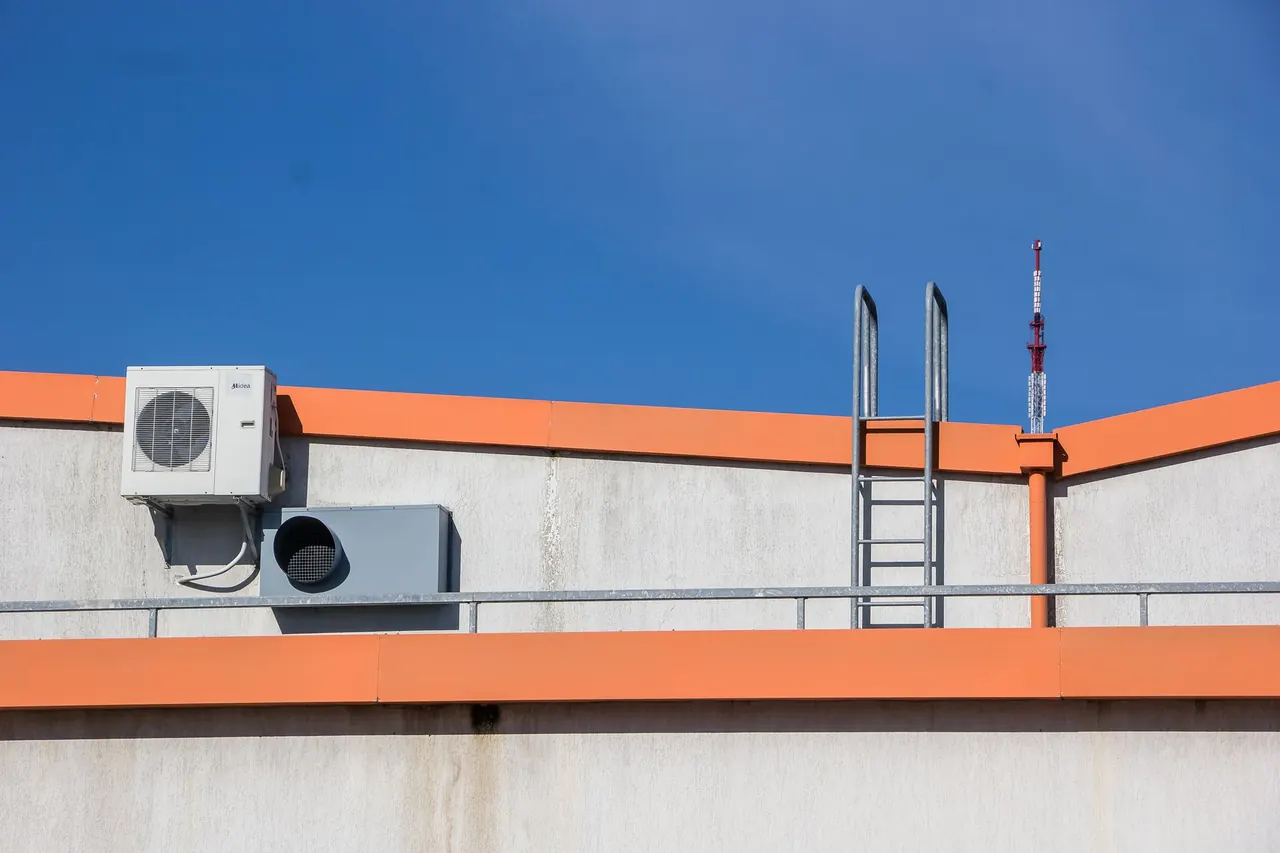
Ductless mini-splits are reliable and efficient, but when one stops cooling on a hot Chicago afternoon or starts flashing a sequence of lights, it can be confusing. Unlike a central system, there is no furnace to look at and fewer obvious parts to check. The good news is that many mini-split problems have simple causes, and the indicator lights, while cryptic, are designed to help diagnose the issue.
This guide covers the most common reasons a mini-split will not cool, how to approach blinking lights and error codes, what you can safely check, and when to call for ductless mini-split repair.
Step 1: Check the Remote and Mode
- Make sure the remote has working batteries and is pointed at the indoor unit.
- Confirm the mode is set to Cool, not Fan, Dry, Heat or Auto with a high setpoint.
- Set the temperature several degrees below the room temperature.
- Check for timer, sleep or eco modes that limit operation.
- If your system uses a wall controller or app, check that settings were not changed there.
Dry mode runs the system gently to remove humidity and may not cool much. Fan mode only circulates air.
Step 2: Clean the Filters
Mini-split indoor units have washable mesh filters behind the front panel. In Chicago summers, with pollen, cottonwood fluff and city dust, they can clog quickly. A clogged filter reduces airflow, weakens cooling and can cause the coil to freeze.
Turn the unit off, lift the front panel, slide out the filters, rinse them with lukewarm water, let them dry completely and reinstall them. Many manufacturers suggest checking filters monthly during heavy use.
Step 3: Check the Outdoor Unit
- Is the outdoor fan running when the system is in cooling mode?
- Is the coil clogged with cottonwood fluff, leaves or dirt?
- Are plants, fences or stored items blocking airflow?
- Is the disconnect switch on?
With power off at the disconnect, gently rinse debris from the outdoor coil with a garden hose from the inside out if accessible, or from the outside. Do not use a pressure washer.
Step 4: Check Power
Mini-splits typically have a breaker in the main panel and a disconnect near the outdoor unit. Check that neither is tripped or off. If the breaker trips repeatedly, stop resetting it and call for service.
Step 5: Try a Reset
Turn the unit off with the remote, switch off power at the breaker or disconnect, wait several minutes, restore power and turn it back on. Many mini-splits have a startup delay of a few minutes before the compressor runs. If an error clears and cooling returns, monitor it. If the error returns, write down the code.
Understanding Blinking Lights
Most indoor units have one or more small indicator lights, often labeled operation, timer, defrost or run. Patterns of flashing, how many times a light blinks or which lights blink together, correspond to codes. Some systems also show codes on a display or through an app.
The meaning of codes varies widely by brand and even by model. Always check your owner's manual or the manufacturer's website for your model number. That said, codes usually fall into a few categories:
- Normal status indicators, such as defrost or preheat in heating mode, when the indoor fan pauses while the outdoor coil defrosts or the indoor coil warms up.
- Sensor errors, such as a failed room temperature sensor or coil sensor.
- Communication errors between the indoor and outdoor units, often caused by wiring problems, power issues or a failed control board.
- Protection shutdowns for high pressure, low pressure, overheating, overcurrent or freeze protection.
- Drain or float switch errors on units with condensate pumps.
- Fan motor errors for the indoor or outdoor fan.
Write down the exact pattern, take a short video, and note when it started. A technician can often narrow down the issue before arriving.
Common Causes of Weak or No Cooling
Dirty Indoor Coil and Blower Wheel
Even with clean filters, dust and biological growth can build up on the indoor coil and the cylindrical blower wheel. That reduces airflow and cooling and can cause musty odors. Professional cleaning restores performance.
Low Refrigerant From a Leak
Mini-splits are sealed systems. Low refrigerant means a leak, often at the flare connections where lines connect to the indoor or outdoor unit. Signs include weak cooling, ice on the indoor coil or lines, and the outdoor unit running constantly. A technician must find and repair the leak, then evacuate and recharge the system.
Frozen Indoor Coil
Dirty filters, low refrigerant or a failing indoor fan can freeze the coil. Turn the system off or run it in fan mode to thaw, then address the cause. Our guide on frozen AC coils explains the same problem in central systems.
Outdoor Fan or Compressor Problems
If the outdoor fan does not run, or the compressor tries to start and shuts off, the system may show a protection code. Failed fan motors, capacitors in some models, and inverter board problems are common. These are technician repairs.
Undersized or Overloaded Zones
If a mini-split never kept a room comfortable during heat waves, it may be undersized, or the room's heat gain may have increased. Multi-zone systems can also struggle when every zone runs at full demand.
Water Dripping From the Indoor Unit
A mini-split leaking water usually has a clogged or kinked drain line, a drain line that lost its downward slope, a failed condensate pump, a dirty filter or coil causing ice, or an indoor unit that is not level. Turn the system off and protect the floor and wall. Our guide on AC leaking water inside covers drainage in more detail.
Unusual Noises and Smells
Clicking or gentle cracking as plastic parts expand and contract is common. Loud rattling, grinding or squealing suggests a fan or motor problem. A musty smell usually means the coil or blower wheel needs cleaning. Our guide on strange AC smells applies to mini-splits too.
What Not to Do
- Do not open the outdoor unit's electrical cover or touch inverter boards. They can hold dangerous voltage.
- Do not add refrigerant yourself.
- Do not spray water into the indoor unit's electronics when cleaning.
- Do not keep resetting a unit that trips a breaker or shows the same error repeatedly.
Prevent Problems With Regular Maintenance
- Clean indoor filters regularly.
- Schedule professional service that includes coil and blower cleaning, drain checks, refrigerant checks and electrical inspection.
- Keep the outdoor unit clear, especially of spring cottonwood fluff and winter snow.
See our tune-up and maintenance page for details.
Heating Mode Problems
Mini-splits that are fine in summer sometimes have trouble in winter. If the unit is not heating:
- Confirm the mode is set to Heat.
- Wait for the preheat period. Many units delay the indoor fan until the coil is warm to avoid blowing cold air, and a preheat or defrost light may be on.
- Check whether the outdoor unit is buried in snow or iced over.
- Watch for long or frequent defrost cycles, which can point to a sensor or refrigerant problem.
- Remember that capacity drops in very cold weather, and the unit may not keep a large room warm on the coldest days without backup heat.
Our guide on heat pump defrost mode explains what is normal in winter.
Communication Errors Explained
Many mini-split error codes relate to communication between the indoor and outdoor units. The two units talk to each other through a control wire in the line set bundle. Loose connections, damaged wire, power interruptions, voltage problems or a failing control board can break that communication. A technician will check voltage, wiring connections and boards. These errors sometimes appear after a power outage or electrical storm and clear after a reset, but if they return, the cause needs to be found.
Multi-Zone Quirks
In multi-zone systems, all indoor units share one outdoor unit. A few quirks are normal:
- Indoor units generally cannot run in heating and cooling modes at the same time. If one is set to heat and another to cool, one may show a mode conflict light or stand by.
- When only one small zone is running, the outdoor unit may cycle more.
- Refrigerant may move through idle indoor units, causing occasional soft sounds.
Check the manual for mode conflict indicators before assuming a fault.
When Repair Is Not Worth It
Most mini-split problems are repairable. But an older system with a failed compressor, a major refrigerant leak in the outdoor coil or a failed inverter board may cost enough to repair that replacement makes sense, especially if parts are hard to find. A technician can compare repair costs with a new, more efficient system.
Information to Give Your Technician
When you call for service, have the brand and model number from the indoor and outdoor unit labels, the exact blinking pattern or code, a description of what the unit is doing, when the problem started, and whether anything changed recently, such as a power outage, electrical work or a new remote or app. Photos of the labels and a short video of the indicator lights help a technician bring the right parts and diagnose faster.
Seasonal Startup Checklist
At the start of each cooling season, clean the indoor filters, check that the outdoor unit is clear of debris and cottonwood fluff, make sure the drain line exits freely outside, test each indoor unit in cooling mode and confirm cool air within a few minutes. At the start of heating season, repeat the filter and outdoor checks, make sure the outdoor unit is raised above expected snow and test heating mode before the first cold night. Catching a problem in a mild week is much easier than during a heat wave or cold snap.
Get Your Mini-Split Working Again
If your mini-split is not cooling, shows an error code that returns after a reset, leaks water or makes unusual noises, call (312) 638-0812. We service ductless systems in neighborhoods such as Gold Coast, Wrigleyville and Edgewater. Considering more zones? Read our guide on ductless mini-splits for Chicago homes.