Fall Furnace Checklist for Chicago Homeowners
The first cold night of the season is the worst time to discover a furnace problem. This fall checklist covers what Chicago homeowners can do themselves in an afternoon, what a professional tune-up should include and the warning signs to act on before winter.
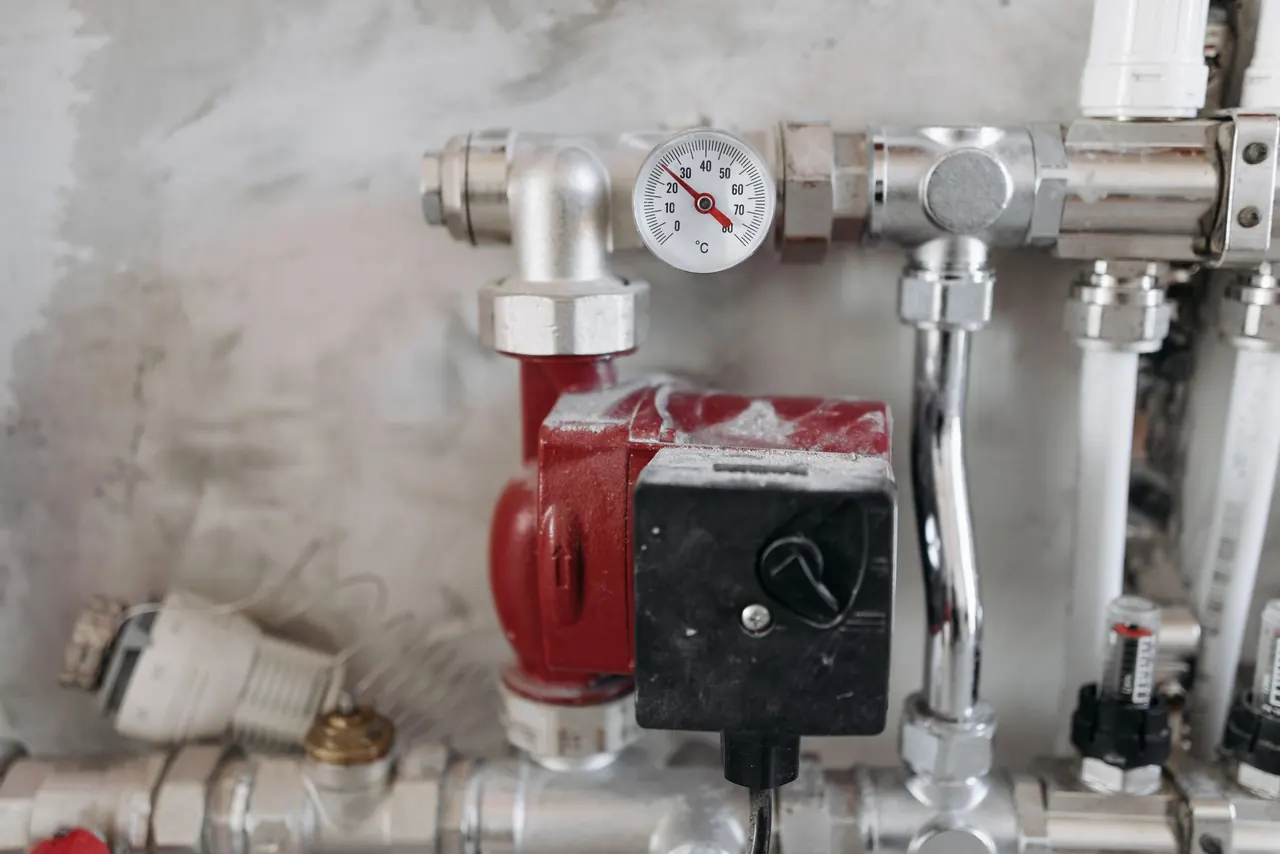
Chicago's heating season often arrives abruptly. One week the windows are open, and the next the overnight low drops into the 30s and every furnace in the city kicks on at once. That first cold snap is when HVAC companies are busiest and when neglected furnaces tend to fail. A little preparation in September or early October can save you from a cold night and an expensive emergency call.
This checklist covers what you can do yourself, what a professional tune-up should include and the warning signs that mean you should call for furnace repair before winter.
1. Replace the Furnace Filter
Start with the simplest and most important task. A clean filter keeps air flowing across the heat exchanger, protects the blower and improves air quality. A clogged filter makes the furnace run hotter, can trip safety limits and shortens equipment life.
- Find the filter slot, usually where the return duct enters the furnace or in a return grille.
- Note the size printed on the old filter.
- Install the new filter with the airflow arrow pointing toward the furnace.
- Write the date on the filter frame.
Buy several filters at once so you always have a spare. Our guide on how often to change your furnace filter covers filter types and MERV ratings.
2. Test the Thermostat
- Replace batteries if your thermostat uses them.
- Switch from Cool to Heat and set the temperature a few degrees above room temperature.
- Confirm the furnace starts within a few minutes.
- Review schedules and adjust them for winter. Our guide on thermostat settings for Chicago winters has suggestions.
- If you have a smart thermostat, check that it is online and that any utility programs are set the way you want.
3. Do a Test Run
Run the furnace for a full cycle while you watch and listen. A healthy start-up usually sounds like this: the inducer motor starts, there is a click, the ignitor glows or sparks, the burners light with a soft whoosh, and after a short delay the blower starts.
A faint dusty burning smell the first time the furnace runs each season is common as dust burns off the heat exchanger. It should fade within a short time. Turn the furnace off and call for service if you notice:
- A burning smell that persists or smells electrical.
- Banging or booming at ignition.
- Squealing, grinding or loud rattling.
- Repeated attempts to light without success.
- Any gas smell. Leave the building and call Peoples Gas at 866-556-6002 from outside.
Our guide on furnace noises explains what each sound means.
4. Check and Test Carbon Monoxide Alarms
Fall is the right time to check every carbon monoxide and smoke alarm in the home:
- Press the test button on each alarm.
- Replace batteries.
- Check the replace-by date on the back. CO alarms wear out.
- Make sure there is an alarm within 15 feet of every bedroom, as Illinois law requires, and ideally one on every level, including the basement.
Our carbon monoxide safety guide covers placement and what to do if an alarm sounds.
5. Clear the Area Around the Furnace
Furnaces need air for combustion and space for safe operation and service. Clear at least a few feet around the furnace and water heater. Remove paint cans, cleaning chemicals, gasoline, laundry, cardboard and other flammable or combustible items. Chemical fumes from bleach, paint thinner and similar products near a furnace can also damage components and create odors.
6. Open Vents and Clear Returns
Walk through the house and make sure supply registers are open and not blocked by furniture, rugs or curtains. Make sure return grilles are clear. Closing too many vents raises pressure in the ducts, reduces airflow and can cause the furnace to overheat. Vacuum dust from registers and return grilles while you are at it.
7. Check Outdoor Vents on High-Efficiency Furnaces
If your furnace vents through white PVC pipes on the side of the house, check that the intake and exhaust terminations are clear of leaves, nests, plants and debris. Make sure screens are not clogged. Note where they are, because you will need to keep them clear of snow and ice this winter. Our guide on protecting your HVAC in a polar vortex covers winter care.
8. Check the Condensate Drain
High-efficiency furnaces produce water that drains through a trap and tubing, often to a floor drain or condensate pump. Make sure the drain line is connected and flowing, and that any condensate pump runs when its reservoir fills. A clogged trap can shut the furnace down on the first cold night.
9. Look at the Venting and Chimney Connection
On standard-efficiency furnaces that vent into a chimney, look at the metal vent connector between the furnace and the chimney. It should be firmly connected, sloped upward toward the chimney, and free of rust holes or gaps. Soot or rust stains around the vent are warning signs. Have a professional inspect anything that looks loose or damaged.
10. Check the Humidifier
If your furnace has a whole-home humidifier, replace the water panel or pad, clean scale from the unit, make sure the water supply valve is open and the drain is clear, and set the humidistat for winter. See our whole-home humidifier guide.
11. Schedule a Professional Tune-Up
A homeowner checklist covers the basics, but some of the most important checks require tools, training and access inside the furnace. A thorough professional tune-up typically includes:
- Inspecting and cleaning burners.
- Testing the ignitor and cleaning or testing the flame sensor.
- Inspecting the heat exchanger for cracks, corrosion and signs of overheating.
- Checking gas pressure and burner flame.
- Checking the venting system and draft.
- Testing safety controls such as limit, rollout and pressure switches.
- Checking the inducer motor and blower motor, belt and wheel.
- Tightening electrical connections and checking voltage and amperage.
- Checking the condensate drain and trap.
- Measuring carbon monoxide in flue gases and around the furnace.
- Checking temperature rise and airflow.
See what a visit covers on our tune-up and maintenance page.
12. Plan for an Aging Furnace
If your furnace is 15 years old or more, has needed several repairs or showed warning signs last winter, fall is the time to plan. Get a technician's honest assessment and, if needed, replacement quotes while you still have time to compare options. Replacing a furnace in October is far less stressful than replacing it during a January cold snap. Our guide on how long furnaces last in Chicago covers the signs.
13. Prepare a Winter Emergency Plan
- Know where the furnace service switch, breaker and gas shutoff are.
- Keep the HVAC company's number handy.
- Keep spare filters, thermostat batteries and flashlight batteries.
- Identify which pipes are most vulnerable to freezing, such as those on exterior walls.
- Know how to keep a household warm safely if the heat goes out. Our guide on what to do when your heat goes out has steps.
Do Not Forget Boilers and Heat Pumps
If your home uses a boiler or heat pump, fall preparation looks a little different. Boiler owners should check pressure or water level, inspect radiators and vents and schedule boiler service. Heat pump owners should check the outdoor unit, defrost operation and backup heat. See our boiler repair and heat pump pages.
Fall Checklist for Chicago Landlords
If you own a two-flat, three-flat or larger building, fall preparation carries extra weight. Chicago's heat ordinance requires minimum indoor temperatures from September 15 through June 1, and a heating failure in January affects every household in the building. Before the season:
- Schedule professional service for every furnace or boiler in the building.
- Replace filters in each unit's furnace, or arrange for tenants to do so and provide filters.
- Test or replace carbon monoxide and smoke alarms in every unit, as required.
- Check that thermostats in each unit work and are accessible.
- Make sure tenants know how to reach you or your HVAC company for no-heat problems.
- Identify vulnerable pipes in common areas, such as stairwells, basements and back porches.
What to Write Down After Your Tune-Up
Ask the technician to note the furnace's age, model and serial number, the filter size, any parts that are wearing and anything that should be watched over the winter. Keep this with your home records. If a problem shows up in January, that information helps the next technician diagnose it faster, and it gives you a clear picture when deciding whether to repair or replace.
Small Upgrades Worth Considering in Fall
- A programmable or smart thermostat to automate setbacks.
- A media filter cabinet for better filtration with less airflow restriction.
- Weatherstripping and door sweeps on exterior doors.
- Insulation on exposed basement pipes near exterior walls.
- A water leak or temperature sensor that alerts your phone if the basement gets too cold.
None of these replace professional service, but together they make your heating system more comfortable, efficient and reliable through a Chicago winter.
A Note on Space Heaters
If you rely on space heaters in a cold room, check them in the fall as well. Look for frayed cords, damaged plugs and missing safety features. Use modern heaters with tip-over and overheat shutoff, plug them directly into a wall outlet, keep them at least three feet from anything flammable, and never leave them running unattended or while sleeping.
How Long a Tune-Up Takes and What It Costs You Not To
A thorough furnace tune-up usually takes about an hour or so, depending on the system and what the technician finds. Compare that with the cost and disruption of an emergency call during a cold snap, when you may wait longer for service and pay more for after-hours help. Many of the most common winter failures, such as dirty flame sensors, weak ignitors, failing capacitors and clogged condensate traps, are exactly what a fall tune-up is designed to catch.
Signs You Should Not Wait Until Fall Service
Some problems should not wait for a scheduled tune-up. Call right away if you notice a gas smell, a carbon monoxide alarm, soot around the furnace, a yellow or lazy burner flame, water pooling around a high-efficiency furnace, or a furnace that repeatedly locks out. These can involve safety hazards or point to a failure that will leave you without heat at the worst moment.
Book Your Fall Tune-Up
Call (312) 638-0812 to schedule fall furnace service before the rush. We serve homes across neighborhoods such as Lincoln Park, Portage Park and Rogers Park.