AC Out in a Chicago Heat Wave: Staying Safe
When the air conditioner fails during a Chicago heat wave, indoor temperatures can climb to dangerous levels, especially on upper floors. Here is how to check for quick fixes, keep your home as cool as possible, protect vulnerable people and recognize heat illness.
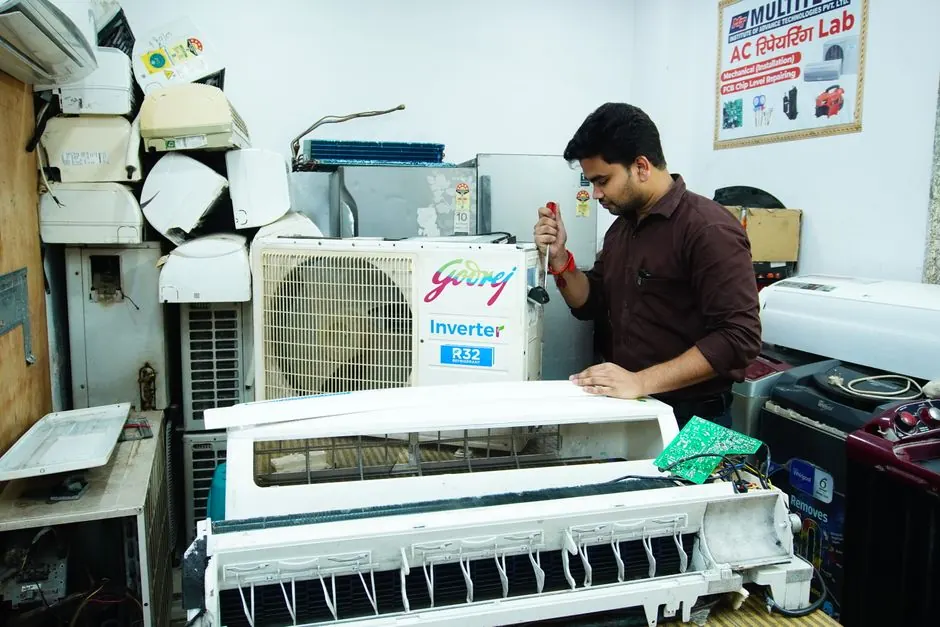
Chicago heat waves can be dangerous. Hot, humid days with warm nights do not give buildings a chance to cool off, and upper floors of apartments, brick two-flats and top-floor condos can become much hotter than the outdoors. When the air conditioner fails in the middle of a heat wave, the situation can turn from uncomfortable to unsafe, particularly for older adults, young children and people with health conditions.
This guide covers quick checks that might restore cooling, how to keep your home cooler while you wait for AC repair, how to protect vulnerable people and what renters should know.
First: Check for Simple Fixes
- Thermostat: set to Cool, several degrees below room temperature, with working batteries.
- Breakers: check the breakers for the furnace or air handler and the outdoor unit. Reset once.
- Outdoor disconnect: make sure the switch near the outdoor unit is on.
- Filter: replace it if it is dirty.
- Ice: if the refrigerant lines or indoor coil are frozen, turn cooling off and run the fan to thaw. See frozen AC coils.
- Water in the drain pan: a clogged drain can trip a float switch. See AC leaking water.
- Outdoor unit: clear debris and cottonwood fluff from the coil with power off.
Our guide on AC won't turn on covers each step. If these do not work, call for service and explain if vulnerable people are in the home.
Keep the Heat Out
- Block the sun. Close blinds, curtains and shades, especially on east-facing windows in the morning and west-facing windows in the afternoon. Reflective window coverings help.
- Avoid heat-producing activities. Do not use the oven, stovetop or clothes dryer during the day. Use a microwave or eat cold meals.
- Turn off unneeded electronics and lights. They add heat.
- Keep windows closed during the hottest hours if it is hotter outside than inside.
Move and Exchange Air Wisely
- When outdoor air cools below indoor temperatures, usually late at night or early morning, open windows and use fans to bring in cooler air. Close up again as it warms.
- Place a box fan in a window facing out on one side of the home and open a window on the opposite side to create cross-ventilation when it is cooler outside.
- Use ceiling fans in occupied rooms, set to blow downward.
Cool Your Body
- Drink plenty of water, even before you feel thirsty. Avoid alcohol and heavy caffeine.
- Take cool showers or baths.
- Use damp cloths on your neck, wrists and forehead.
- Wear loose, lightweight, light-colored clothing.
- Rest during the hottest part of the day.
- Spend time on the lowest floor of the home, where it is usually coolest.
Fans Have Limits
Fans make you feel cooler by evaporating sweat, but in very high temperatures they may not be enough to prevent heat illness. Health authorities caution against relying on fans alone in extreme heat. If indoor temperatures remain very high, go somewhere air-conditioned.
Where to Go to Cool Off
- A friend or family member with working AC.
- Public air-conditioned places such as libraries and community centers.
- City of Chicago cooling centers during heat emergencies. Call 311 for locations and hours.
- A hotel, if needed.
Protect Vulnerable People
Heat illness can develop quickly in:
- Older adults, especially those living alone.
- Infants and young children.
- Pregnant people.
- People with heart, lung or kidney conditions, diabetes or mental health conditions.
- People taking medications that affect heat tolerance.
- People who work or exercise in the heat.
Check on older neighbors and relatives at least twice a day during a heat wave. Never leave children or pets in parked cars.
Recognize Heat Illness
Heat Exhaustion
Signs can include heavy sweating, cold, pale and clammy skin, a fast weak pulse, nausea or vomiting, muscle cramps, tiredness or weakness, dizziness, headache and fainting. Move to a cooler place, loosen clothing, apply cool wet cloths and sip water. Get medical help if symptoms get worse or last more than an hour.
Heat Stroke: Call 911
Signs can include a very high body temperature, hot red dry or damp skin, a fast strong pulse, headache, dizziness, nausea, confusion and loss of consciousness. Heat stroke is a medical emergency. Call 911, move the person to a cooler place and cool them with cool cloths or a cool bath while waiting for help. Do not give fluids to someone who is confused or unconscious.
Pets in the Heat
Pets also suffer in the heat. Provide plenty of water, keep them in the coolest part of the home and watch for heavy panting, drooling, weakness or collapse. Contact a veterinarian if you see signs of heat stress.
For Renters
Notify your landlord or building manager about AC failures immediately. Chicago's cooling ordinance requires certain buildings, including residential buildings over 80 feet tall, those with more than 100 units and housing for older persons, to provide cooling in common areas or more when the heat index is high. Other rental units may or may not include air conditioning depending on the lease. If you have concerns, call 311. Our guide on Chicago heat rules for landlords and tenants covers related rules.
Window Units as a Backup
A portable or window air conditioner in one bedroom can provide a cool refuge while central AC is repaired. Make sure it is installed securely and plugged directly into an appropriate outlet. In older Chicago homes, check that the circuit is not already heavily loaded.
Prevent the Next Heat Wave Failure
Many summer breakdowns come from weak capacitors, dirty coils, clogged drains and low refrigerant, all of which a spring tune-up can catch. See our spring AC tune-up checklist. If your AC is aging, our guide on repair or replace can help you plan.
Upper-Floor Units and Top-Floor Condos
Heat rises, and many Chicago upper-floor apartments and top-floor condos sit directly under roofs that absorb heat all day. When AC fails, these spaces can become far hotter than the floors below. If you live on an upper floor, plan ahead: know which lower-floor neighbor, friend or public place you can go to, and leave early in the day rather than waiting for temperatures to peak.
Overnight Heat Is Dangerous Too
Health risks rise when homes do not cool down at night. If outdoor temperatures stay high overnight and your AC is out, the body does not get relief. Set up the coolest possible sleeping space on the lowest floor, use fans to pull in any cooler night air, and take a cool shower before bed. If the home stays very hot overnight, consider staying elsewhere.
Power Outages During Heat Waves
Heat waves sometimes bring power outages from high demand or storms. Without power, AC and fans stop. Keep phones charged, have a battery-powered fan or radio, freeze water bottles ahead of a heat wave to help keep food and people cool, and know where the nearest cooling center is. Never run a generator indoors or in a garage.
After the AC Is Repaired
Once cooling is restored, let the system run steadily rather than setting the thermostat very low to cool down quickly. A very low setting will not cool faster and can freeze the coil on a struggling system. Ask the technician what failed and whether other parts are close to failing, so you can address them before the next heat wave.
Plan Ahead Before Summer
- Schedule a spring AC tune-up.
- Identify the coolest room in your home.
- Buy blackout curtains or reflective shades for sun-facing windows.
- Have fans ready.
- Know where the nearest cooling centers and air-conditioned public places are.
- Make a check-in plan with older relatives and neighbors.
- Consider a window unit for one room as a backup.
Medications and Heat
Some medications affect how the body handles heat or increase the risk of dehydration. If you or someone in your household takes regular medications, ask a doctor or pharmacist whether heat precautions are needed. Store medications according to their labels, because some lose effectiveness at high temperatures.
Humidity Makes Heat Worse
Chicago heat waves are often humid. High humidity slows sweat evaporation, so the body cools less effectively. The heat index combines temperature and humidity to show how hot it feels. When the AC is out on a humid day, take heat precautions seriously even if the thermometer reading does not seem extreme.
Help Your AC Recover After a Repair
After a repair, the AC may run continuously for hours to bring a hot house back down to temperature, especially on upper floors. That is normal. Keep blinds closed and avoid heat-producing appliances to help it catch up. If it runs for a full day and the house still cannot get close to the setpoint, call the technician back.
Window Units and Building Rules
Some Chicago condo and apartment buildings have rules about window air conditioners, such as which windows can be used and how units must be supported. Check with your association or landlord before installing one. Units must be secured so they cannot fall, which is especially important on upper floors over sidewalks.
Know Your Limits
If you start to feel dizzy, nauseated, confused or unusually tired in a hot home, stop what you are doing, move to a cooler place and drink water. Do not wait for the AC to be repaired before protecting your health.
Need Help Now?
If your AC is out during a heat wave, call (312) 638-0812 and let us know if vulnerable people are in the home. We serve neighborhoods including Edgewater, Gold Coast and Albany Park. If anyone shows signs of heat stroke, call 911 first.